 Vorschau anzeigen
 Versenden
 Teilen
 Details anzeigen

 Herunterladen
 Ähnliche Objekte
 Röntgenaufnahme
 Diashow
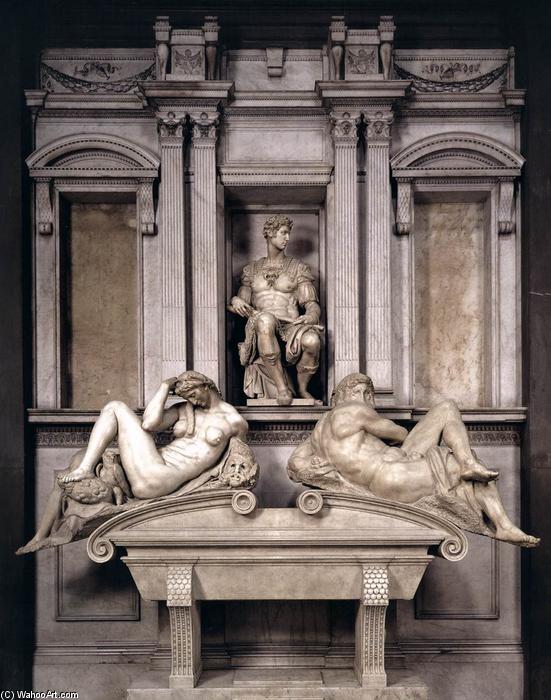
Tomb of Giuliano de' Medici
 Acryl auf Leinwand
- Wandkunst
- High Renaissance
 1526
1526- Renaissance
 630.0 x 420.0 cm
 Weiterlesen
Giclée / Kunstdruck
Giclée- oder Leinwanddruck in Museumsqualität mit schneller Produktion und flexiblen Veredelungsoptionen. ( Handgemalte Reproduktion bestellen Bild kaufen)




P118B $10

P118H $10

P118W $10

P438Z $10

P508JH $12

P508YH $12

P805H $10

P805Z $10

P919BZ $10

P919G $10

P919XJ $10

P959ZH $10

P968JZ $12

W106C $8

W218G $10

W218JH $8

W218Y $10

W307PJ $10

W316G $10

W316PJ $8

W316Y $10

W398PJ $8

W4111J $10

W500HY $15

W500JH $15

W692G $12

W849H $8

W940BG $15

W953PJ $8




Wählen Sie aus unseren vordefinierten Formaten, die den ursprünglichen Proportionen des Kunstwerks entsprechen.

Sie können Ihre eigenen Maße eingeben, um ein bestimmtes Format oder einen speziellen Platz einzupassen. Wenn das von Ihnen gewählte Format nicht den Proportionen des Originalbildes entspricht, werden wir das Kunstwerk entweder beschneiden oder das Bild mit einem gespiegelten oder einfarbigen Rand erweitern. Ein digitaler Entwurf wird Ihnen zur Genehmigung zugesandt, bevor die Produktion beginnt.
Bitte beachten Sie, dass die Vorschau auf dem Bildschirm nicht den tatsächlichen Zuschnitt oder die Erweiterung widerspiegelt. Nur der Entwurf zeigt die endgültige Komposition präzise an.
Obwohl Sondermaße verfügbar sind, empfehlen wir die Auswahl eines Maßes aus der vordefinierten Liste, um die ursprünglichen Proportionen zu bewahren.
Weltweiter Versand () innerhalb von 2 Wochen statt der üblichen 4/5 Wochen. (27 August)

Kostenloser weltweiter Expressversand

Hochwertige Leinenleinwand

Umfassender Versicherungsschutz beim Versand

Zollgebühren-Rückerstattungsgarantie

Garantie für exakte Farbtreue

60 Tage Rückgaberecht (nur bei Mängeln)

100% Geld-zurück-Garantie

Mengenrabatt verfügbar
 Die Glasoption ist nur für Größen unter 110 cm verfügbar.

Tomb of Giuliano de' Medici
Giclée / Kunstdruck
Format der Reproduktion
-


Gesamtpreis
$ 62
Michelangelo Buonarroti’s Tomb of Giuliano de' Medici: A Monumental Echo of Renaissance Ideals
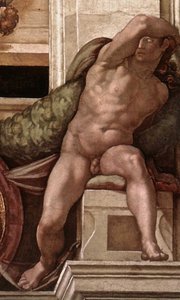
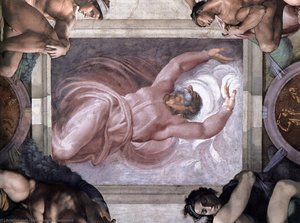
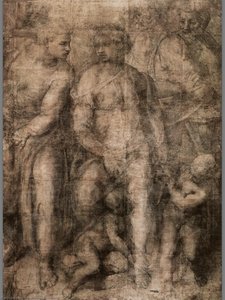
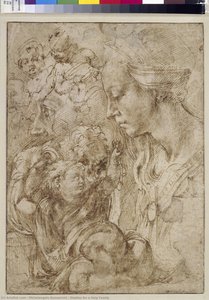
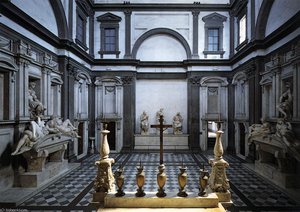
The Tomb of Giuliano de' Medici stands as one of Michelangelo Buonarroti’s most enduring achievements—a sculptural testament to the humanist spirit and artistic mastery that defined the High Renaissance. Located within the Sagrestia Nuova chapel of San Lorenzo Basilica in Florence, Italy, this monumental commission represents more than just a funerary monument; it embodies Michelangelo's profound engagement with classical ideals and his unparalleled ability to translate them into breathtaking visual form. Completed in 1526, shortly after the death of Giuliano himself—the Duke of Nemours and influential patron of the arts—the tomb continues to inspire awe and admiration for its sheer scale and exquisite craftsmanship.Sculptural Innovation and Anatomical Precision
Michelangelo’s approach to sculpture on this project was revolutionary for his time. Departing from traditional depictions of saints and biblical figures, he opted for a strikingly unconventional representation: two colossal nude male statues flanking the tomb’s central altar. These figures—known as Adam and Eve—are positioned in repose, seated upon a bench-like structure that subtly references classical architectural forms. Michelangelo meticulously studied human anatomy, painstakingly dissecting cadavers to achieve an unprecedented level of realism. The musculature is rendered with astonishing accuracy, conveying both strength and vulnerability – a deliberate juxtaposition reflecting the biblical narrative of humanity’s expulsion from Paradise. This masterful anatomical depiction wasn't merely technical prowess; it served as a powerful assertion of humanist belief in the inherent dignity and beauty of the human form.Architectural Context and Symbolism
The Tomb’s setting within the Sagrestia Nuova chapel is equally significant. Designed by Michelangelo himself, the chapel’s austere interior—characterized by its soaring arches and polished marble walls—creates a dramatic backdrop for the sculptures. The archway framing the statues reinforces the grandeur of the space and symbolizes ascension towards divine grace. Beyond its architectural dimensions, the tomb is laden with symbolism rooted in Christian theology. Adam and Eve represent humanity's fall from grace and foreshadow redemption through Christ’s sacrifice. Their posture conveys contemplation and sorrow—a poignant reminder of mortality and the yearning for eternal life. The subtle inclusion of birds – perched atop the sculptures – further enhances this symbolic resonance, representing hope and resurrection.Michelangelo’s Style: Classical Influence Meets Artistic Genius
Michelangelo Buonarroti's style on the Tomb exemplifies his unwavering devotion to classical antiquity while simultaneously elevating it to new heights of artistic expression. He skillfully blended sculptural techniques honed during his apprenticeship with Filippo Brunelleschi—drawing inspiration from Roman sculptures and architectural precedents—resulting in a harmonious fusion of form and function. The polished marble surface reflects light beautifully, enhancing the statues’ luminosity and emphasizing their sculpted contours. Michelangelo's meticulous attention to detail—evident in every muscle fiber and drapery fold—demonstrates his unparalleled artistic genius. This monumental work stands as an enduring symbol of Renaissance artistry and Michelangelo’s indelible contribution to Western art history.A Legacy of Beauty and Reflection
The Tomb of Giuliano de' Medici continues to captivate viewers today, prompting contemplation on themes of mortality, faith, and the pursuit of human perfection. Its enduring appeal lies not only in its breathtaking visual beauty but also in its profound intellectual depth—a testament to Michelangelo’s ability to transform stone into an instrument of spiritual expression. Owning a high-quality reproduction allows you to experience this masterpiece's grandeur and contemplate its timeless message, bringing the spirit of Renaissance Florence directly into your home.Ähnliche Kunstwerke

Über den Künstler
Michelangelo Buonarroti: Ein Renaissance-Titan
Frühes Leben und Ausbildung (1475–1496)
- Michelangelo di Lodovico Buonarroti Simoni wurde am 6. März 1475 in Caprese Michelangelo, Toskana, geboren.
- Anfangs lehnte sein Vater eine künstlerische Karriere ab, räumte aber seinem Sohn aufgrund seines außergewöhnlichen Talents im Zeichnen nach.
- Mit dreizehn Jahren machte er eine Lehre bei Domenico Ghirlandaio und lernte Freskomalerei und Zeichentechniken.
- Bald zog er sich der Bildhauerei zu, studierte klassische Werke in den Medici-Gärten – ein prägendes Einfluss.
Frühe Periode: Etablierung der Meisterschaft (1490–1505)
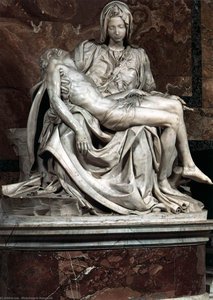
- Um 1496 erhielt er seine erste größere Auftragsarbeit: die Skulptur der Pietà, die 1499 fertiggestellt wurde.
- Die Pietà, die im Petersdom ausgestellt ist, zeigte seine Meisterschaft in der Marmorbearbeitung und seine emotionale Tiefe.
- Seine nächste bedeutende Arbeit war der kolossale Statue von David (1501–1504), der florentinischen Republikanismus symbolisierte.
- Der David, über 17 Fuß hoch, demonstrierte sein anatomisches Verständnis und seine Fähigkeit, Stein zum Leben zu erwecken.
Die Hochrenaissance: Fresken der Sixtinischen Kapelle (1505–1520)
- Papst Julius II beauftragte Michelangelo 1508 mit dem Malen der Decke der Sixtinischen Kapelle.
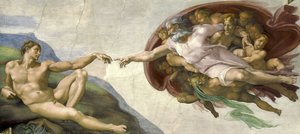
- Über vier Jahre malte er über 300 Figuren, die Szenen aus der Genesis darstellen, darunter Die Schöpfung Adams.
- Diese monumentale Freskenzyklus ist ein Meilenstein in der westlichen Kunst und demonstriert seine kompositorische Begabung und seine Erzählkraft.
- Er begann auch mit der Arbeit an Papst Julius II.s Grab – einem Projekt, das Jahrzehnte dauern sollte, aber ursprünglich nicht wie geplant fertiggestellt wurde.
Spätere Jahre: Architektur und das „Jüngste Gericht“ (1520–1564)
- Im Jahr 1520 wurde Michelangelo Architekt des Petersdoms in Rom und veränderte Bramantes Design erheblich.
- Zwischen 1536 und 1541 malte er Das Jüngste Gericht an der Wandaltar der Sixtinischen Kapelle.
- Diese riesige Fresko zeigte die Wiederkunft Christi mit dramatischer Komposition und emotionaler Intensität, die eine Verschiebung hin zum Manierismus widerspiegelte.
Einflüsse und künstlerische Entwicklung
- Klassische Antike: Die Beschäftigung mit griechischen und römischen Skulpturen hatte tiefgreifenden Einfluss auf sein Verständnis von Anatomie und Proportionen.
- Renaissance-Humanismus: Der Schwerpunkt auf menschliches Potenzial ist in seiner Feier der menschlichen Form deutlich erkennbar.
- Florentinische Tradition: Er baute auf dem Werk von Künstlern wie Donatello und Masaccio auf.
- Sein Stil entwickelte sich von klassischer Idealität zu einer dynamischeren und ausdrucksstärkeren Manierismus.
Historische Bedeutung und Vermächtnis
- Michelangelo gilt als einer der größten Künstler aller Zeiten, der den „Renaissance-Mann“ verkörpert.
- Seine Skulpturen, Gemälde und Architektur haben Generationen inspiriert und werden die Zuschauer weltweit weiterhin fesseln.
- Er beeinflusste maßgeblich sowohl die Hochrenaissance- als auch die Manierismus-Bewegungen.
- Seine anatomische Genauigkeit, dramatischen Kompositionen und emotionale Tiefe setzten neue Maßstäbe für künstlerische Exzellenz.
Letzte Jahre
- Michelangelo starb am 18. Februar 1564 in Rom und hinterließ ein unvergleichliches Werk.
- Sein Vermächtnis prägt weiterhin unser Verständnis von Schönheit, Macht und menschlichem Potenzial.
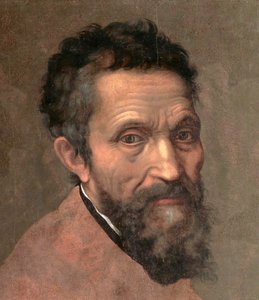
Michelangelo Buonarroti
1475 - 1564 , Italien
Kurzinfos
- Beeinflusste Künstler:
- Donatello
- Masaccio
- Bemerkenswerte Werke:
- Pietà
- David
- Sixtinische Kapelle
- Das Jüngste Gericht
- Geburtsdatum: 06. März 1475
- Geburtsort: Caprese Michelangelo, Italien
- Künstlerische Bewegung:
- Hochrenaissance
- Manierismus
- Nationalität: Italienisch
- Todatum: 18. Februar 1564
- Vollständiger Name: Michelangelo Buonarroti
- Von Künstlern Beeinflusst: ['Klassische Antike']
Ähnliche Artikel

Michelangelo Buonarroti: Die 25 Meisterwerke des Renaissance-Genies | ArtsDot
Entdecken Sie die 25 Meisterwerke von Michelangelo Buonarroti! Von David bis zur Sixtinischen Kapelle – erleben Sie Renaissance Kunst in ihrer ganzen Pracht. Hochwertige Kunstdrucke & Inspiration für Ihr Zuhause auf ArtsDot.com.

Bronze-Meisterwerke: Die 10 Skulpturen, die Kunstgeschichte schrieben | ArtsDot
Entdecken Sie die 10 legendärsten Bronze Skulpturen der Kunstgeschichte! Von Michelangelo bis Rodin – erfahren Sie die Geschichten hinter den Meisterwerken und lassen Sie sich von Wanddeko-Ideen inspirieren. Hochwertige Kunstdrucke auf ArtsDot.com.

Die 10 legendärsten Bronzestatuen: Meisterwerke, die Kunstgeschichte schrieben | ArtsDot
Entdecken Sie die 10 legendärsten Bronzestatuen der Kunstgeschichte! Von Rodin bis Michelangelo – erfahren Sie die Geschichten hinter ikonischen Skulpturen und finden Sie hochwertige Reproduktionen für Ihr Zuhause. Jetzt bei ArtsDot entdecken!

The Enduring Form: Exploring Themes & Techniques in Sculpture Across Historical Periods
Explore the rich history of sculpture from ancient masterpieces to contemporary innovations. Discover key techniques, influential artists & investment potential for discerning art collectors.

The Enduring Form: Sculpture Across History, Technique & Emotional Resonance
Explore the rich history of sculpture with ArtsDot. Discover key techniques, influential artists & investment potential for discerning collectors. Expert insights into valuing and collecting timeless masterpieces.