

 Vorschau anzeigen
 Versenden
 Teilen
 Details anzeigen

 Herunterladen
 Ähnliche Objekte
 Röntgenaufnahme
 Diashow
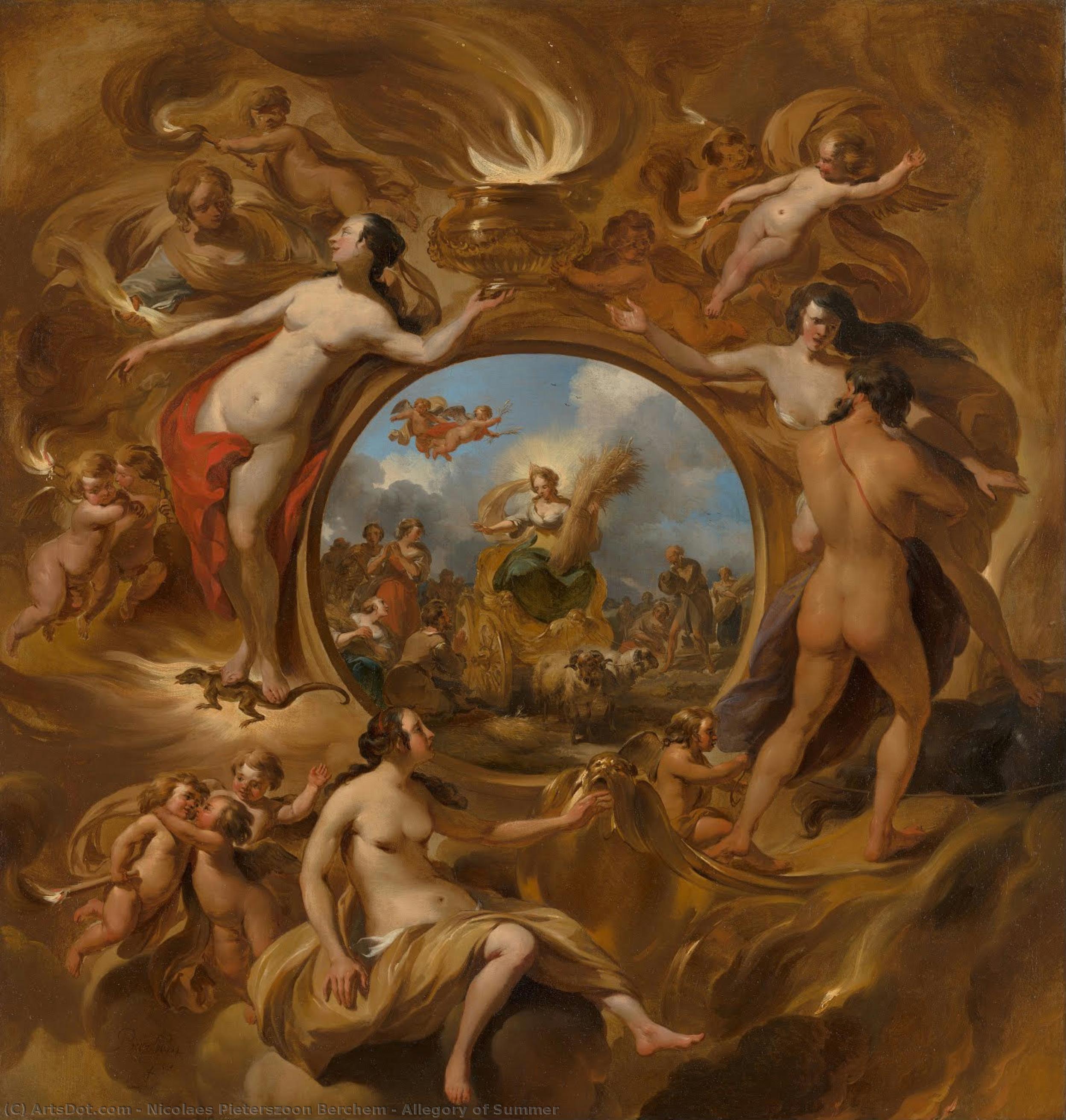
Allegory of Summer
 Acrylic On Canvas
- WallArt
- Dutch Golden Age
 1680
1680 94.0 x 88.0 cm
 Mauritshuis
 Weiterlesen
Giclée / Kunstdruck
Giclée- oder Leinwanddruck in Museumsqualität mit schneller Produktion und flexiblen Veredelungsoptionen. ( Handgemalte Reproduktion bestellen Bild kaufen)




P118B $10

P118H $10

P118W $10

P438Z $10

P508JH $12

P508YH $12

P805H $10

P805Z $10

P919BZ $10

P919G $10

P919XJ $10

P959ZH $10

P968JZ $12

W106C $8

W218G $10

W218JH $8

W218Y $10

W307PJ $10

W316G $10

W316PJ $8

W316Y $10

W398PJ $8

W4111J $10

W500HY $15

W500JH $15

W692G $12

W849H $8

W940BG $15

W953PJ $8




Wählen Sie aus unseren vordefinierten Formaten, die den ursprünglichen Proportionen des Kunstwerks entsprechen.

Sie können Ihre eigenen Maße eingeben, um ein bestimmtes Format oder einen speziellen Platz einzupassen. Wenn das von Ihnen gewählte Format nicht den Proportionen des Originalbildes entspricht, werden wir das Kunstwerk entweder beschneiden oder das Bild mit einem gespiegelten oder einfarbigen Rand erweitern. Ein digitaler Entwurf wird Ihnen zur Genehmigung zugesandt, bevor die Produktion beginnt.
Bitte beachten Sie, dass die Vorschau auf dem Bildschirm nicht den tatsächlichen Zuschnitt oder die Erweiterung widerspiegelt. Nur der Entwurf zeigt die endgültige Komposition präzise an.
Obwohl Sondermaße verfügbar sind, empfehlen wir die Auswahl eines Maßes aus der vordefinierten Liste, um die ursprünglichen Proportionen zu bewahren.
Weltweiter Versand () innerhalb von 2 Wochen statt der üblichen 4/5 Wochen. (26 August)

Kostenloser weltweiter Expressversand

Hochwertige Leinenleinwand

Umfassender Versicherungsschutz beim Versand

Zollgebühren-Rückerstattungsgarantie

Garantie für exakte Farbtreue

60 Tage Rückgaberecht (nur bei Mängeln)

100% Geld-zurück-Garantie

Mengenrabatt verfügbar
 Die Glasoption ist nur für Größen unter 110 cm verfügbar.

Allegory of Summer
Giclée / Kunstdruck
Format der Reproduktion
-


Gesamtpreis
$ 62
Sammlerstück-Beschreibung
The Allegory of Summer: A Dutch Masterpiece of Pastoral Idealism
Nicolaes Pieterszoon Berchem’s “Allegory of Summer,” painted in 1680, is more than just a beautiful landscape; it's a meticulously crafted tableau brimming with symbolism and reflecting the prevailing artistic currents of the Dutch Golden Age. This captivating work, now housed within the Mauritshuis museum in The Hague, offers a glimpse into a world where nature’s bounty and mythological grace intertwine, revealing a profound meditation on fertility, prosperity, and the cyclical rhythms of life.
Berchem, a key figure in the “Dutch Italianate landscape” movement, drew heavily from the idealized pastoral scenes popularized by Italian artists like Raphael and Titian. However, Berchem’s approach was distinctly Dutch – he eschewed any personal journey to Italy, instead relying on sketches and descriptions brought back by fellow painters and travelers. This created a uniquely evocative style, blending Northern realism with Southern romanticism, resulting in landscapes that feel both familiar and utterly enchanting. The painting itself is executed with remarkable detail, utilizing a layering technique known as ‘sfumato’ – a subtle blurring of lines and colors – to create an atmosphere of hazy warmth and luminous beauty. Berchem's mastery of light and shadow imbues the scene with a palpable sense of depth and tranquility.
A Symphony of Figures and Symbols
The composition is remarkably complex, populated by a diverse cast of figures engaged in various activities that collectively represent the virtues associated with summer. At the heart of the scene stands a woman, likely embodying abundance and fertility, holding a baby – a potent symbol of new life and future generations. Beside her, a young man offers a sheaf of wheat, representing harvest and prosperity. A dog, often interpreted as a symbol of loyalty and guardianship, lies peacefully at their feet. Scattered throughout the landscape are other figures: a shepherd tending his flock, a woman pouring wine, and a young couple embracing – each contributing to the overall narrative of seasonal celebration.
Beyond these human figures, Berchem incorporates a wealth of symbolic elements. A small, open doorway suggests an invitation into this idyllic world, while two bowls contain fruits and flowers, further reinforcing the theme of abundance. The presence of a deer, a symbol of grace and purity, adds to the painting’s sense of harmony and balance. Even the arrangement of the trees and foliage is carefully considered, creating a visually pleasing composition that mirrors the natural order.
Historical Context and Artistic Influences
“Allegory of Summer” was created during a period of immense prosperity for the Dutch Republic – an era known as the Golden Age. The nation’s burgeoning trade networks had brought unprecedented wealth, fueling artistic innovation and patronage. Berchem's work reflects this cultural climate, celebrating the virtues associated with wealth and success while simultaneously offering a nostalgic glimpse into a simpler, more harmonious past.
The painting also demonstrates the influence of classical mythology and allegory, which were popular themes in Dutch art during this period. The figures and symbols employed by Berchem are rooted in traditional iconography, drawing upon centuries of artistic tradition to convey complex ideas about human nature and the relationship between humanity and the natural world. Notably, elements reminiscent of Poussin’s allegorical works can be observed, showcasing a shared interest in classical themes and idealized landscapes.
A Timeless Appeal: Beauty, Symbolism, and Emotional Resonance
“Allegory of Summer” continues to captivate viewers with its exquisite beauty and profound symbolism. Berchem's masterful technique, combined with the painting’s rich narrative content, creates a work that is both visually stunning and intellectually stimulating. The scene evokes a sense of tranquility, abundance, and timelessness – inviting us to contemplate the cyclical rhythms of nature and the enduring values associated with summer. It remains a testament to Berchem's skill as a landscape painter and his ability to capture the essence of a bygone era, offering a window into the heart of Dutch Golden Age artistry.
Ähnliche Kunstwerke

Über den Künstler
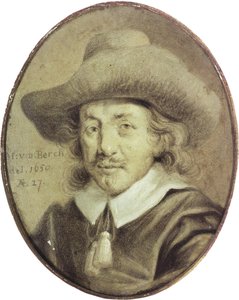
Nicolaes Pieterszoon Berchem: Ein Leben in der Landschaft
Nicolaes Pieterszoon Berchem (1. Oktober 1620 – 18. Februar 1683) war eine bedeutende Figur des niederländischen Goldenen Zeitalters, gefeiert für seine fesselnden und idyllischen Landschaften. Er bleibt ein wichtiger Künstler, dessen Werk Kunstliebhaber bis heute inspiriert.
Frühes Leben und Ausbildung
Berchem wurde in Haarlem, Niederlande, geboren und begann seine künstlerische Laufbahn mit einer Ausbildung bei mehreren namhaften Künstlern seiner Zeit. Zu seinen frühen Einflüssen gehörten Frans Hals, bekannt für seine Porträts, und Jan Andrea Lievens, der für seine dramatischen Landschaften berühmt war. Diese grundlegende Ausbildung prägte seinen anfänglichen Stil und ebnete den Weg für seine spätere Entwicklung.
Künstlerische Entwicklung & Einflüsse
Berchem wurde Mitglied der zweiten Generation von ‚niederländischen italienisierenden Landschaftsmalern‘. Diese Künstler ließen sich vom Romantismus Italiens inspirieren, oft durch Geschichten und Skizzen, die von denen zurückgebracht wurden, die dort gereist waren – Berchem besuchte Italien selbst nie. Er vermischte geschickt niederländische Realität mit idealisierten italienischen Landschaften.
- Frühe Einflüsse: Frans Hals & Jan Andrea Lievens
- Italienisierende Stilrichtung: Inspiriert von Künstlern, die nach Italien reisten und romantisch überhöhte Landschaften schufen.
Künstlerischer Stil und Schlüsseleigenschaften
Berchems Stil ist gekennzeichnet durch:
- Idyllische Settings: Hügelige Landschaften, Berge, Klippen und Bäume in goldenem Licht gebadet.
- Narrative Elemente: Landschaften zeigen oft mythologische oder biblische Figuren, die seinen Werken Tiefe und Erzählkraft verleihen.
- Meisterhafte Komposition: Ein scharfes Auge für Balance und Harmonie innerhalb der Landschaft.
- Detailreiche Staffage: Die Aufnahme von menschlichen und tierischen Figuren, die die Erzählung verstärken und den Szenen Leben einhauchen.
Bemerkenswerte Werke
Berchem schuf während seines Lebens etwa 850 Gemälde sowie 80 Radierungen und 500 Zeichnungen. Zu seinen bekanntesten Werken gehören:
- Flusslandschaft in der Nähe von Montfoort: Zeigt seine Meisterschaft darin, ländliche Szenen einzufangen.
- Die Kindheit des Zeus: Demonstriert seine Fähigkeit, mythologische Erzählungen in Landschaftsumgebungen zu integrieren.
Einfluss und Vermächtnis
Berchems Werk war zu Lebzeiten sehr gefragt, und sein Einfluss reichte über seine eigenen Gemälde hinaus. Seine ‚Staffage‘ – die Figuren, die er Landschaften hinzufügte – wurden häufig von anderen Künstlern angefordert, darunter Allaert van Everdingen, Jan Hackaert, Gerrit Dou, Meindert Hobbema und Willem Schellinks.
Sein Einfluss lässt sich auch in den Werken späterer Künstler wie Jean-Baptiste Pillement und Barend Cornelis Koekkoek erkennen.
Historische Bedeutung
Als Schlüsselfigur des niederländischen Goldenen Zeitalters stellen Berchems Landschaften einen bedeutenden Beitrag zur Entwicklung der Landschaftsmalerei dar. Seine Fähigkeit, idyllische Szenen mit erzählerischer Tiefe zu schaffen, festigte seinen Platz in der Kunstgeschichte. Heute wird sein Werk für seine Schönheit, technische Fähigkeiten und seinen bleibenden Reiz bewundert.
nicolaes pieterszoon berchem
Niederlande
Kurzinfos
- Artistic Movement Or Style: Dutch Italienate Landschaftsmalerei
- Artists Or Movements Influenced By This Artist:
- Allaert van Everdingen
- Jean-Baptiste Pillement
- Artists Who Influenced This Artist:
- Frans Hals
- Jan Andrea Lievens
- Date Of Birth: 1 Oktober 1620
- Full Name: Nicolaes Pieterszoon Berchem
- Nationality: Niederländisch
- Notable Artworks:
- Flusslandschaft bei Montfoort
- Die Kindheit des Zeus
- Place Of Birth: Haarlem, Niederlande
Ähnliche Artikel

Die 10 Meisterwerke des Goldenen Zeitalters der niederländischen Malerei |
Entdecken Sie die 10 Meisterwerke des Niederländischen Goldenen Zeitalters! Von Rembrandt bis Vermeer – erleben Sie Kunstgeschichte, Techniken & Emotionen. Hochwertige Gemäldereproduktionen für Ihr Zuhause auf .

Golden Age Reflections: Dutch Baroque Painting & Cultural Innovation
Explore the Dutch Golden Age of painting! Discover key artists like Vermeer & ter Borch, their innovative techniques, and the rich cultural context behind these Baroque masterpieces. Learn about collecting & appreciating this iconic art period.

Illuminating Innovation: Exploring the Dutch Golden Age of Painting
Explore the Dutch Golden Age of painting with ArtsDot. Discover Rembrandt, Vermeer & other Masters. Learn about key characteristics, iconic artworks, and lasting influence. Expert insights for collectors & enthusiasts.
Illuminating Realism: Exploring the Dutch Golden Age of Painting (1600-1700)
Explore the Dutch Golden Age of painting (1600-1700) with ArtsDot. Discover Rembrandt, Vermeer & other masters. Learn about techniques, history & find museum-quality reproductions.
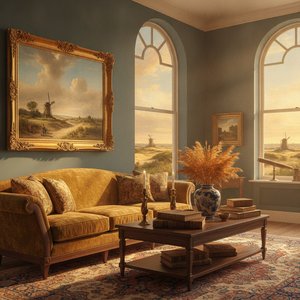
Golden Light & Dutch Skies: Bringing the Magic of Dutch Golden Age Landscapes into Your Home
Transform your home with the breathtaking light of Dutch Golden Age landscapes. Discover how hand-painted oil reproductions of masterworks like Ruisdael and Vermeer bring timeless elegance, atmosphere, and soulful texture to modern interiors. Elevate your space with museum-quality art.

