 Vorschau anzeigen
 Versenden
 Teilen
 Details anzeigen

 Herunterladen
 Ähnliche Objekte
 Röntgenaufnahme
 Diashow
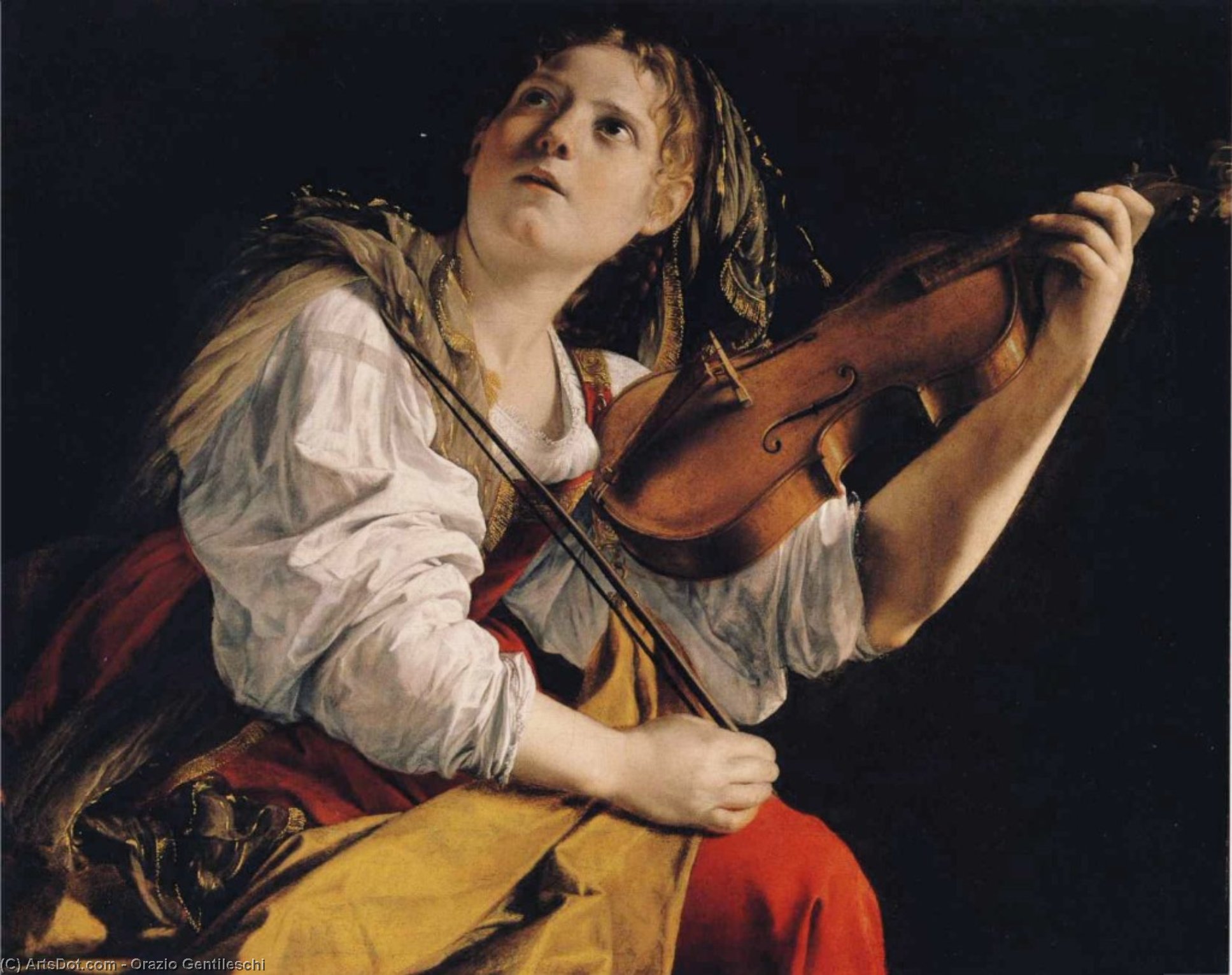
Young Woman Playing a Violin


 Weiterlesen
Giclée / Kunstdruck
Giclée- oder Leinwanddruck in Museumsqualität mit schneller Produktion und flexiblen Veredelungsoptionen. ( Handgemalte Reproduktion bestellen Bild kaufen)




P118B $10

P118H $10

P118W $10

P438Z $10

P508JH $12

P508YH $12

P805H $10

P805Z $10

P919BZ $10

P919G $10

P919XJ $10

P959ZH $10

P968JZ $12

W106C $8

W218G $10

W218JH $8

W218Y $10

W307PJ $10

W316G $10

W316PJ $8

W316Y $10

W398PJ $8

W4111J $10

W500HY $15

W500JH $15

W692G $12

W849H $8

W940BG $15

W953PJ $8




Wählen Sie aus unseren vordefinierten Formaten, die den ursprünglichen Proportionen des Kunstwerks entsprechen.

Sie können Ihre eigenen Maße eingeben, um ein bestimmtes Format oder einen speziellen Platz einzupassen. Wenn das von Ihnen gewählte Format nicht den Proportionen des Originalbildes entspricht, werden wir das Kunstwerk entweder beschneiden oder das Bild mit einem gespiegelten oder einfarbigen Rand erweitern. Ein digitaler Entwurf wird Ihnen zur Genehmigung zugesandt, bevor die Produktion beginnt.
Bitte beachten Sie, dass die Vorschau auf dem Bildschirm nicht den tatsächlichen Zuschnitt oder die Erweiterung widerspiegelt. Nur der Entwurf zeigt die endgültige Komposition präzise an.
Obwohl Sondermaße verfügbar sind, empfehlen wir die Auswahl eines Maßes aus der vordefinierten Liste, um die ursprünglichen Proportionen zu bewahren.
Weltweiter Versand () innerhalb von 2 Wochen statt der üblichen 4/5 Wochen. (21 August)

Kostenloser weltweiter Expressversand

Hochwertige Leinenleinwand

Umfassender Versicherungsschutz beim Versand

Zollgebühren-Rückerstattungsgarantie

Garantie für exakte Farbtreue

60 Tage Rückgaberecht (nur bei Mängeln)

100% Geld-zurück-Garantie

Mengenrabatt verfügbar
 Die Glasoption ist nur für Größen unter 110 cm verfügbar.

Young Woman Playing a Violin
Giclée / Kunstdruck
Format der Reproduktion
-


Gesamtpreis
$ 62
Sammlerstück-Beschreibung
Young Woman Playing a Violin – A Baroque Portrait of Grace and Reverence
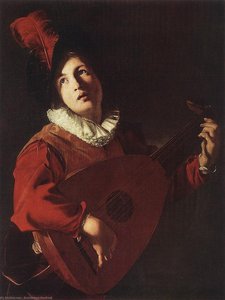
The painting “Young Woman Playing a Violin,” attributed to Orazio Gentileschi (1563–1639), stands as a testament to the burgeoning artistic fervor of the early 17th century, specifically during the transition from Mannerism to Baroque aesthetics. Executed around 1624, this captivating portrait encapsulates the spirit of its time—a period marked by dramatic shifts in artistic sensibilities and an increasing emphasis on naturalism alongside spiritual contemplation. It’s a piece that continues to resonate with viewers today due to its masterful composition, luminous color palette, and profound exploration of human emotion. A Masterful Synthesis of Mannerist Influence and Caravaggio's Vision Gentileschi’s artistic journey began in Tuscany, where he honed his skills under the tutelage of Francesco da Sangallo, absorbing the architectural principles that would inform his later works. However, it was his encounter with Michelangelo Buonarroti—Caravaggio—that irrevocably altered his stylistic trajectory. Caravaggio's revolutionary approach to chiaroscuro – dramatic contrasts between light and dark – profoundly impacted Gentileschi’s technique, resulting in a style characterized by intense realism achieved through masterful manipulation of light and shadow. This influence is palpable in “Young Woman Playing Violin,” where Gentileschi skillfully employs Caravaggio’s techniques to sculpt the figure's form and imbue it with an aura of solemn beauty. The artist deliberately utilized Caravaggio’s dramatic lighting, highlighting the woman’s face and hands while casting deep shadows across her dress, creating a palpable sense of depth and emotion—a hallmark of Baroque art that departed significantly from the stylized forms favored by Mannerism. The Figure: A Symbol of Virtue and Musical Inspiration At the heart of the composition lies a young woman, poised gracefully before her violin. Her posture exudes composure and serenity, reflecting the ideals of Renaissance virtue—a characteristic prevalent in Baroque art. The violinist’s gaze is directed upwards, suggesting contemplation and perhaps an invocation of divine inspiration – mirroring Saint Cecilia, whose legend recounts her unwavering devotion to God and her musical talent. Gentileschi meticulously rendered the woman's facial expression with remarkable sensitivity, conveying a quiet dignity and inner peace that speaks volumes about the artist’s understanding of human psychology. The subtle shading around her eyes adds to this impression of solemn beauty, reinforcing the painting’s spiritual dimension. Historical Context: Baroque Art and Patronage in Rome “Young Woman Playing Violin” emerged during a period of immense artistic innovation in Rome—the Baroque era—fueled by papal patronage and driven by a desire to express religious fervor through visual art. The Catholic Church commissioned numerous paintings depicting saints and biblical figures, aiming to inspire piety and reaffirm its authority amidst the turbulent political landscape of the time. Gentileschi’s work exemplifies this trend, aligning with the broader artistic movement's commitment to realism and emotional intensity—a deliberate reaction against the intellectualized aesthetic of Mannerism. The painting was likely commissioned by a wealthy Roman family who wished to honor Saint Cecilia and celebrate musical excellence. Technical Considerations: Oil on Canvas and Caravaggio’s Influence Revisited Gentileschi executed “Young Woman Playing Violin” on canvas using oil paint—a technique that allowed for unprecedented levels of detail and luminosity compared to previous mediums like tempera. The artist skillfully blended pigments to achieve a rich, velvety texture and meticulously rendered the textures of fabric and skin with astonishing accuracy. Furthermore, Gentileschi’s masterful use of chiaroscuro – Caravaggio's signature style – elevates the painting beyond mere representation, transforming it into an emotionally charged experience for the viewer. The dramatic interplay of light and shadow not only enhances the visual impact but also underscores the spiritual significance of the scene—a testament to Gentileschi’s artistic genius and his unwavering dedication to capturing the essence of human emotion within a framework of Baroque aesthetics. Concluding Remarks: An Enduring Legacy of Beauty and Emotion “Young Woman Playing Violin” remains an enduring masterpiece, captivating audiences centuries after its creation with its exquisite beauty and profound emotional resonance. It stands as a symbol of artistic triumph—a demonstration of Gentileschi’s ability to synthesize Mannerist influences with Caravaggio's revolutionary techniques—resulting in a work that transcends time and continues to inspire admiration for its masterful composition and luminous color palette. Its depiction of Saint Cecilia embodies the spiritual ideals of the Baroque period, reminding us of the power of art to convey profound emotions and elevate the human spirit.Ähnliche Kunstwerke
Über den Künstler
Frühes Leben und Ausbildung
- Geboren: Toskana, Italien (1563)
- Gestorben: 1639
- Orazio Gentileschi begann seine Karriere in Rom, wo er im Manierismus-Stil malte. Ein Großteil seiner frühen Arbeit bestand darin, Figuren innerhalb dekorativer Gestaltungsschemata anderer Künstler zu malen.
- Er wurde vom umbrischen Maler Cola dell'Amata ausgebildet.
- Gentileschi wurde auch von der Arbeit des Architekten und Bildhauers Francesco da Sangallo beeinflusst.
Künstlerischer Stil und Einflüsse
- Sein Stil zeichnete sich durch leuchtende Farben und dramatische Kompositionen aus.
- Nach 1600 geriet er unter den Einfluss des naturalistischen Stils von Caravaggio und übernahm diesen.
- Gentileschis Gemälde zeigten oft biblische Szenen und mythologische Themen.
- Wichtige Einflüsse: Manierismus, Caravaggio
Hauptwerke und Errungenschaften
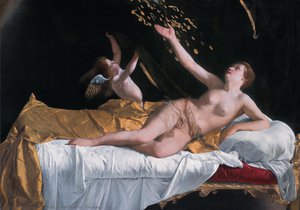
- "Danae": Gilt als eines seiner wichtigsten Werke und zeigt sein Können bei der Darstellung des Wesens mythologischer Geschichten.
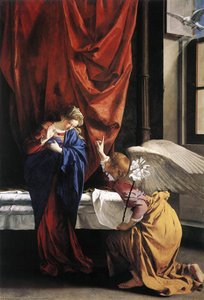
- "Die Verkündigung": Befindet sich in der Galleria Borghese in Rom.
- "Die Jungfrau Maria": Ebenfalls in der Galleria Borghese in Rom.
- Seine Fresken und Mosaike für Kirchen wie Santa Maria Maggiore und San Giovanni Laterano demonstrieren seine Meisterschaft in großflächiger dekorativer Malerei.
Entwicklung und Evolution
- Er arbeitete zunächst im Manierismus-Stil, übernahm aber allmählich Elemente des Caravaggismo.
- Er entwickelte eine weichere, verfeinerte Version des dramatischen Stils von Caravaggio, die sich durch eine hellere Palette und präzise Details auszeichnete.
- Seine späteren Werke zeigten einen eleganten und höfischen Stil, der seine Förderung am Hof von Marie de' Medici in Paris und Karl I. in London widerspiegelte.
Historische Bedeutung und Vermächtnis
- Gentileschis Einsatz leuchtender Farben und dramatischer Kompositionen beeinflusste die Entwicklung der Barockkunst.
- Er war einer der ersten Vertreter des Caravaggismo in England und hatte damit einen bedeutenden Einfluss auf das dortige Kunstgeschehen.
- Seine Tochter Artemisia Gentileschi wurde zu einer renommierten Künstlerin ihres eigenen Rechts, setzte sein Vermächtnis fort und entwickelte die künstlerische Tradition der Familie weiter.
- Seine Werke sind in prominenten Museen und Galerien auf der ganzen Welt zu finden, darunter die Uffizien in Florenz und die Galleria dell'Accademia in Venedig.
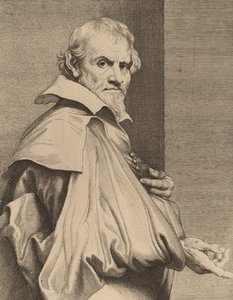
Orazio Gentileschi
1563 - 1639 , Italien
Kurzinfos
- Beeinflusste Künstler:
- Cola dell'Amata
- Francesco da Sangallo
- Bemerkenswerte Werke:
- Danae
- Ankündigung
- Jungfrau Maria
- Geburtsdatum: 9. Juli 1563 (getauft)
- Geburtsort: Toskana, Italien
- Künstlerischer Stil: Barockmalerei
- Nationalität: Italiener
- Sterbedatum: 7. Februar 1639
- Vollständiger Name: Orazio Gentileschi
- Von Künstlern Beeinflusst: ['Caravaggio']
Ähnliche Artikel

Barock Meisterwerke: Die 10 prägendsten Kunstwerke für Ihr Zuhause |
Entdecken Sie die 10 prägendsten Meisterwerke des Barock! Caravaggio, Rembrandt & Co. – Erfahren Sie die Geschichten hinter ikonischen Gemälde und finden Sie hochwertige Kunst Reproduktionen für Ihr Zuhause auf .

The Dramatic Flourish: Exploring the Baroque Movement's Enduring Legacy in Art History
Explore the dramatic world of Baroque art! Discover iconic artists like Caravaggio & Rubens, defining techniques, and its lasting impact on art history. Expert insights for collectors & enthusiasts at ArtsDot.

The Visceral Stage: Exploring Dramatic Narratives & Emotional Intensity in Baroque Art
Explore the dramatic world of Baroque art! Discover iconic masters like Caravaggio & Rembrandt, their techniques, and the movement's lasting impact. Expert insights for collectors & enthusiasts at ArtsDot.
Barocke Meisterwerke: Die 10 Gemälde, die eine Epoche prägten | ArtsDot
Entdecken Sie die 10 prägendsten Meisterwerke des Barock! Von Caravaggio bis Rembrandt – erleben Sie die Dramatik, Pracht & Emotionen dieser Epoche. Hochwertige Reproduktionen auf ArtsDot.com.
Chiaroscuro & Emotional Resonance: Exploring Dramatic Light in Western Painting
Explore the captivating world of chiaroscuro & tenebrism! Discover Caravaggio's influence, Baroque masters, and the enduring power of dramatic lighting in art history. Learn about these techniques with ArtsDot.