

 Vorschau anzeigen
 Versenden
 Teilen
 Details anzeigen

 Herunterladen
 Ähnliche Objekte
 Röntgenaufnahme
 Diashow
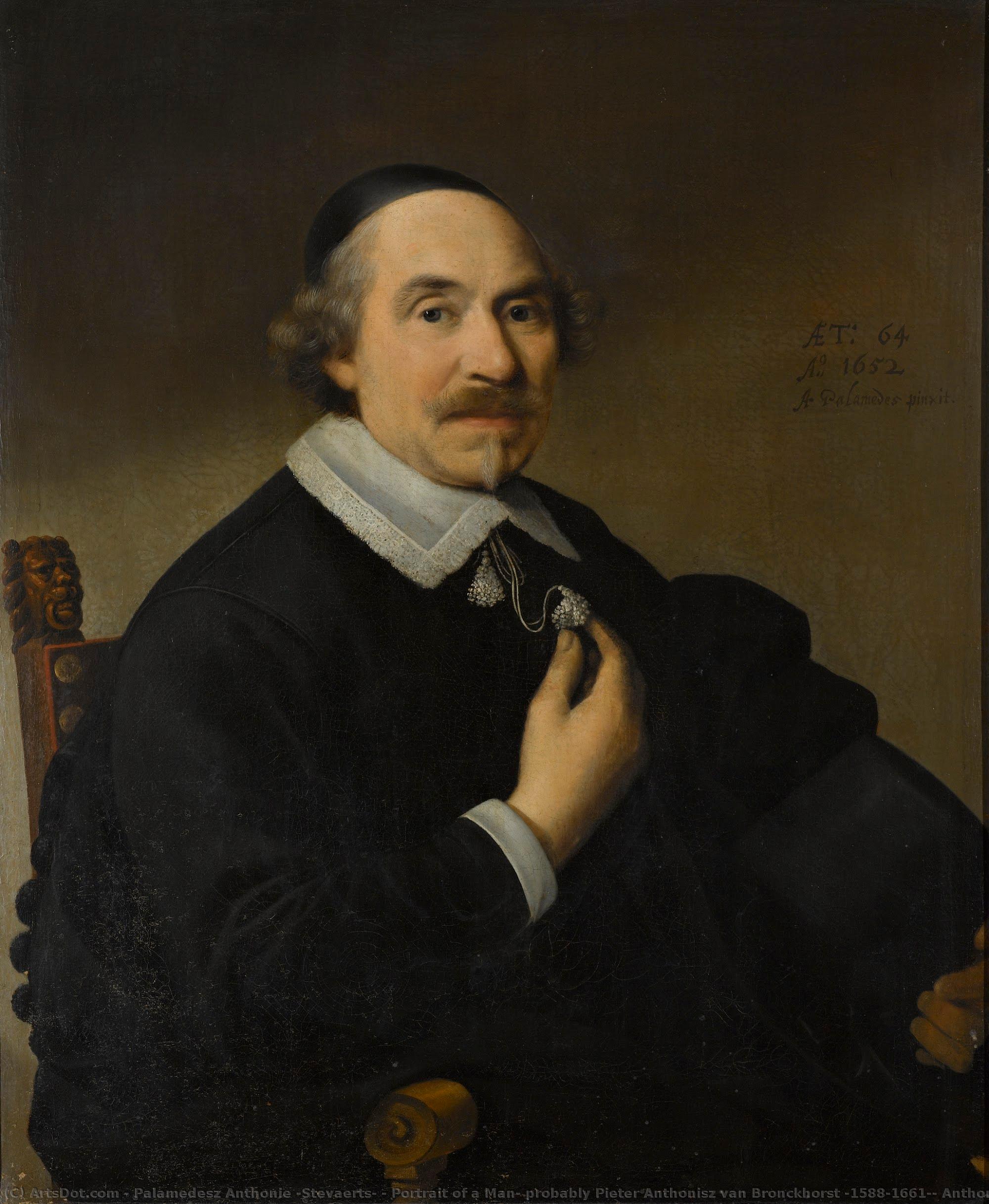
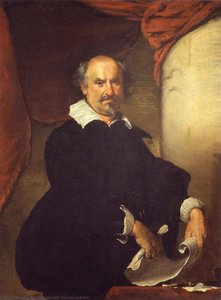
Portrait of a Man, probably Pieter Anthonisz van Bronckhorst (1588-1661), Anthonie Palamedesz, 1652


 Weiterlesen
Giclée / Kunstdruck
Giclée- oder Leinwanddruck in Museumsqualität mit schneller Produktion und flexiblen Veredelungsoptionen. ( Handgemalte Reproduktion bestellen Bild kaufen)




































Wählen Sie aus unseren vordefinierten Formaten, die den ursprünglichen Proportionen des Kunstwerks entsprechen.

Sie können Ihre eigenen Maße eingeben, um ein bestimmtes Format oder einen speziellen Platz einzupassen. Wenn das von Ihnen gewählte Format nicht den Proportionen des Originalbildes entspricht, werden wir das Kunstwerk entweder beschneiden oder das Bild mit einem gespiegelten oder einfarbigen Rand erweitern. Ein digitaler Entwurf wird Ihnen zur Genehmigung zugesandt, bevor die Produktion beginnt.
Bitte beachten Sie, dass die Vorschau auf dem Bildschirm nicht den tatsächlichen Zuschnitt oder die Erweiterung widerspiegelt. Nur der Entwurf zeigt die endgültige Komposition präzise an.
Obwohl Sondermaße verfügbar sind, empfehlen wir die Auswahl eines Maßes aus der vordefinierten Liste, um die ursprünglichen Proportionen zu bewahren.
Weltweiter Versand () innerhalb von 2 Wochen statt der üblichen 4/5 Wochen. (1 September)

Kostenloser weltweiter Expressversand

Hochwertige Leinenleinwand

Umfassender Versicherungsschutz beim Versand

Zollgebühren-Rückerstattungsgarantie

Garantie für exakte Farbtreue

60 Tage Rückgaberecht (nur bei Mängeln)

100% Geld-zurück-Garantie

Mengenrabatt verfügbar
 Die Glasoption ist nur für Größen unter 110 cm verfügbar.

Portrait of a Man, probably Pieter Anthonisz van Bronckhorst (1588-1661), Anthonie Palamedesz, 1652
Giclée / Kunstdruck
Format der Reproduktion
-


Gesamtpreis
$ 62
Ähnliche Kunstwerke

Über den Künstler
The Quiet Dignity of Delft: The Life and Legacy of Anthonie Palamedesz
Anthonie Palamedesz (1601-1673) stands as a cornerstone of Dutch Golden Age portraiture, particularly renowned for his masterful depictions of guardrooms and intimate interiors—scenes that capture the essence of aristocratic life in Delft during its zenith. His journey began far from the tranquil canals of the Netherlands; born in Leith, Scotland, to Palamedes Willemsz. Stevens and Marie Arsene, Palamedesz’s early life was marked by the profound upheaval of displacement. As his family fled persecution from Spain following the Eighty Years' War, this formative experience of survival instilled in him a deep appreciation for resilience, a quality that would subtly inform the psychological depth of his later subjects.
As he matured within the Dutch artistic orbit, Palamedesz sought the highest level of instruction, receiving an exceptional education under the tutelage of masters such as Hans Jordaens and Michiel Jansz. van Mierevelt. From these mentors, he absorbed the foundational techniques of Delft Baroque painting, specifically the mastery of realism and the dramatic use of light. His early artistic development was characterized by a meticulous observation of human anatomy and an emerging ability to capture psychological nuance. Unlike many of his contemporaries who sought the grandeur of epic narratives or the perfection of idealized figures, Palamsebdez found his calling in the understated elegance of the individual, focusing on portraying subjects with a quiet, dignified presence.
Mastery of Light and the Guardroom Scene
One of the most striking chapters of Palamedesz’s career involves his command over the cortegaarde, or guardroom scene. In works such as his 1647 Soldiers in a Guardroom, we witness a fascinating evolution of style. While his early works were lighter, his later guardroom compositions employed a darker, more somber palette and dramatic contrasts of light and shade. These scenes are deeply evocative, capturing the solemn atmosphere of military duty through soldiers posed in formal stances, bathed in chiaroscuro light. There is even evidence to suggest that Palamedesz may have been influenced by the monumental scale and lighting of Rembrandt’s The Night Watch, as certain compositions and highlighted officers mirror the dramatic tension found in Amsterdam's most famous masterpiece.
His technique in these settings was often compared to contemporaries like Jacob Duck and Willem Cornelisz Duyster, yet Palamedesz maintained a unique identity. While some critics noted his technique could be looser or less refined than the polished perfection of the Haarlem school, this very fluidity allowed him to breathe life into the heavy fabrics, gleaming cuirasses, and metallic textures of military life. He possessed a rare ability to use light not just to illuminate, but to sculpt the very atmosphere of the room, turning a simple barracks into a stage for human drama.
Intimate Interiors and the Refined Elite
Beyond the martial themes of the guardroom, Palamedesz achieved his greatest legacy through his intimate interior scenes and "merry companies." These paintings serve as windows into the domestic tranquility and intellectual engagement of the Dutch elite. In his celebrated Merry Company in a Room (1633), he moves away from the gritty realism of tavern life—often depicted by artists like Pieter Codde or Dirck Hals—and instead focuses on the refined pleasures of the upper classes. Within these brightly lit, elegantly furnished rooms, figures engage in music, drinking, and board games, all captured with a sense of sophisticated grace.
These works are rich with subtle symbolism and meticulous detail:
- Domestic Detail: He meticulously rendered furniture, fine fabrics, and the small gestures of daily life to convey a sense of peace.
- Social Observation: His scenes often depict the "refined pleasures" of the elite, avoiding the more scandalous depictions of brothels or taverns found in other genre paintings.
- Psychological Depth: Even in group settings, Palamedesz had a knack for creating individual connections, such as a central figure gazing directly at the viewer, bridging the gap between the painted world and our own.
Ultimately, the significance of Anthonie Palamedesz lies in his ability to distill complex human emotions into visual form. Whether through the somber weight of a soldier's duty or the lighthearted elegance of a social gathering, his work remains a testament to the enduring beauty of the ordinary and the extraordinary dignity found within the quiet corners of 17th-century life.
palamedesz anthonie (stevaerts)
1601 - 1673
Kurzinfos
- Artistic Movement Or Style: Dutch Golden Age Art
- Artists Or Movements Influenced By This Artist: ['Merry company']
- Artists Who Influenced This Artist:
- Michiel Jansz. van Mierevelt
- Hans Jordaens
- Date Of Birth: 1602
- Full Name: Anthonie Palamedesz.
- Nationality: Dutch
- Notable Artworks:
- LES CINQ SENS, LE TOUCHER PAYSAN TENANT UNE POULE
- Portrait of a Man, probably Pieter Anthonisz van Bronckhorst
- Place Of Birth: Leith, Scotland
Ähnliche Artikel

Die 10 Meisterwerke des Goldenen Zeitalters der niederländischen Malerei |
Entdecken Sie die 10 Meisterwerke des Niederländischen Goldenen Zeitalters! Von Rembrandt bis Vermeer – erleben Sie Kunstgeschichte, Techniken & Emotionen. Hochwertige Gemäldereproduktionen für Ihr Zuhause auf .

Golden Age Reflections: Dutch Baroque Painting & Cultural Innovation
Explore the Dutch Golden Age of painting! Discover key artists like Vermeer & ter Borch, their innovative techniques, and the rich cultural context behind these Baroque masterpieces. Learn about collecting & appreciating this iconic art period.

Illuminating Innovation: Exploring the Dutch Golden Age of Painting
Explore the Dutch Golden Age of painting with ArtsDot. Discover Rembrandt, Vermeer & other Masters. Learn about key characteristics, iconic artworks, and lasting influence. Expert insights for collectors & enthusiasts.
Illuminating Realism: Exploring the Dutch Golden Age of Painting (1600-1700)
Explore the Dutch Golden Age of painting (1600-1700) with ArtsDot. Discover Rembrandt, Vermeer & other masters. Learn about techniques, history & find museum-quality reproductions.
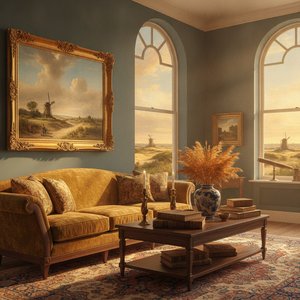
Golden Light & Dutch Skies: Bringing the Magic of Dutch Golden Age Landscapes into Your Home
Transform your home with the breathtaking light of Dutch Golden Age landscapes. Discover how hand-painted oil reproductions of masterworks like Ruisdael and Vermeer bring timeless elegance, atmosphere, and soulful texture to modern interiors. Elevate your space with museum-quality art.

