

 Vorschau anzeigen
 Versenden
 Teilen
 Details anzeigen

 Herunterladen
 Ähnliche Objekte
 Röntgenaufnahme
 Diashow
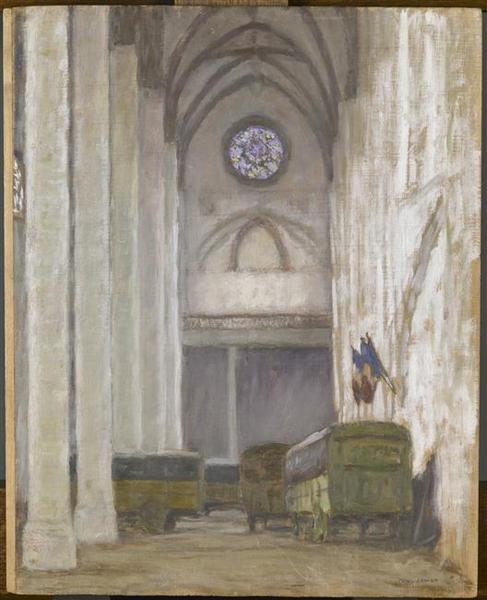
VUE INTERIEURE DE L'EGLISE DES JACOBINS DE TOULOUSE EN 1916


 Weiterlesen
Erwerben Sie ein hochauflösendes, optimiertes digitales Bild, das der Online-Vorschau weit überlegen ist.
Jede Datei wird von unseren hauseigenen Spezialisten mit modernsten Werkzeugen und fachmännischer manueller Retusche sorgfältig vorbereitet. Wir stellen sicher, dass jedes Bild eine außergewöhnliche Klarheit, präzise Farbgenauigkeit und feinste Details aufweist.
Die endgültige Datei wird innerhalb von 72 Stunden per E-Mail zugestellt und ist für den sofortigen Einsatz in professionellen, redaktionellen und Druckumgebungen optimiert. Es handelt sich um dieselbe Qualität, der führende Designstudios, Verlage und Galerien vertrauen.
Digitales Bild
Laden Sie eine hochauflösende Datei für die persönliche Präsentation, den Druck und kreative Projekte herunter. ( Druck bestellen Handgemalte Reproduktion bestellen)
In jeder Bestellung digitaler Bilder enthalten
Professionelle digitale Bereitstellung, garantiert
Wenn Sie sich für ArtsDot.com entscheiden, erhalten Sie nicht nur ein Bild – Sie erhalten ein professionell aufbereitetes digitales Kunstwerk, das mit höchster Präzision erstellt und durch eine Zufriedenheitsgarantie abgesichert wird. Hier ist alles, was automatisch mit Ihrer Bestellung geliefert wird:

Schnelle E-Mail-Zustellung
Ihre hochauflösende digitale Bilddatei wird Ihnen innerhalb von 72 Stunden nach der Bestellung per E-Mail zugestellt – bereit zur sofortigen Verwendung.

KI-optimierte digitale Datei
Ihre Kunstwerke werden professionell mithilfe fortschrittlicher KI-Tools und manueller Bearbeitung optimiert, um maximale Detailtreue, Klarheit und Farbgenauigkeit zu gewährleisten.

Lebenslanger kostenloser Neudruckservice
Datei versehentlich gelöscht oder verloren? Keine Sorge – wir senden sie Ihnen jederzeit kostenlos erneut zu.

Keine Einfuhrgebühren – jemals
Genießen Sie Ihr Kunstwerk sofort ohne Zollgebühren, Einfuhrabgaben oder Versandkosten – digitale Downloads sind immer steuerfrei.

Garantierte Farbtreue
Wir garantieren, dass Ihr digitales Bild mithilfe professioneller Werkzeuge und Farbmanagement die Originalfarben so präzise wie möglich wiedergibt.

60-Tage-Zufriedenheitsgarantie
Sollten Sie mit Ihrem digitalen Bild nicht zufrieden sein, werden wir es überarbeiten oder Ihnen innerhalb von 60 Tagen 100% erstatten – ohne Wenn und Aber.

100% Geld-zurück-Garantie
Nicht zufrieden? Erhalten Sie innerhalb von 60 Tagen nach Erhalt Ihrer digitalen Datei eine vollständige Rückerstattung – ohne Angabe von Gründen.

Rabatte bei Großbestellungen
3 Bilder kaufen, 10% sparen – 5 Bilder kaufen, 15% sparen – Ab 10 Bildern 20% sparen. Ideal für kreative Projekte, Galerien und Agenturen.
Details zum Sammlerstück
Vue intérieure de l'église des Jacobins de Toulouse en 1916: A Symphony of Light and Silence
Paul Jamot’s “VUE INTERIEURE DE L'EGLISE DES JACOBINS DE TOULOUSE EN 1916” transcends mere representation; it embodies a profound meditation on spirituality and the passage of time. Painted in February 1916, during the tumultuous years of World War I, this monumental canvas captures an interior view of Toulouse’s Jacobins Church—a space rendered with meticulous detail yet imbued with an ethereal quality that speaks to Munchian sensibilities. The artwork immediately draws the eye upwards towards a towering vaulted ceiling dominated by a magnificent stained-glass window depicting biblical figures bathed in radiant light. This central element serves as a focal point, symbolizing faith and divine illumination amidst the anxieties of the era. The perspective skillfully guides the viewer’s gaze along the vertical columns—massive structures that anchor the composition and contribute to an overwhelming sense of grandeur. These columns are rendered with subtle gradations of grey and beige, reflecting the muted palette characteristic of Impressionism and hinting at the solemn atmosphere within the church. Jamot's technique is masterful – employing oil paint on canvas with a deliberate layering process. Brushstrokes are loose yet purposeful, capturing not just the physical contours of the architecture but also the diffused light filtering through the stained glass. This blending creates an illusion of depth and texture, mirroring the way Munch explored psychological landscapes in his paintings. The artist’s aim wasn't to achieve photographic accuracy; rather, he sought to convey the emotional resonance of the scene—a quiet contemplation punctuated by flashes of color from the window.- Style: Impressionism
- Medium: Oil Paint on Canvas
- Historical Context: World War I – Reflecting a desire for solace and spiritual reflection amidst conflict
- Paul Jamot’s “VUE INTERIEURE” captures a textured, impressionistic church interior in Toulouse (1918). Gothic arches & earthy tones evoke grandeur. Explore this unique artwork!
- Paul Jamot’s “VUE INTERIEURE” captures a textured, impressionistic church interior in Toulouse (1918). Gothic arches & earthy tones evoke grandeur. Explore this unique artwork!
- Paul Jamot’s “L'église des Jacobins de Toulouse au printemps” – A serene depiction of Toulouse’s iconic church.
Ähnliche Kunstwerke


Biografie des Künstlers
A Polymath of the Arts: The Life and Legacy of Paul Jamot
Born in Paris on December 22, 1863, Paul Jamot was a man whose life was defined by an extraordinary intersection of artistic creation, scholarly rigor, and cultural stewardship. While many remember him as a painter, his influence extended far beyond the canvas, reaching into the very foundations of French museum curation and archaeological discovery. An alumnus of the prestigious École normale supérieure, Jamot possessed a rare intellectual versatility that allowed him to navigate the delicate realms of both fine art and classical history with equal grace. His early years were marked by an adventurous spirit, exemplified by his membership in the French School at Athens in 1887, where he embarked on profound explorations of the Greek landscape, specifically the valley of the Spercheios and the ancient sites of Argos.
The scholarly pursuits of Jamot were as much about preservation as they were about discovery. Between 1888 and 1891, he led significant excavations in the valley of the Muses in Thespies, a period that cemented his reputation as a meticulous researcher. His dedication to antiquity resulted in the collection of vital inscriptions, including the famed stele of Hesiod, and culminated in the publication of his evocative travelogue, En Grèce avec Charalambos Eugénidis. This deep connection to the classical past provided a structural and historical weight to his artistic sensibilities, informing a worldview that saw the beauty of the ancient world reflected in the contemporary light of his own era.
The Impressionist Vision and Architectural Grandeur
As an artist, Jamot found himself deeply immersed in the evolving language of Impressionism. His work often sought to capture the ephemeral qualities of light and atmosphere, moving away from rigid academicism toward a more sensory experience of space. One of his most poignant achievements can be seen in his depictions of sacred architecture, such as his masterful views of the Église des Jacobins de Toulouse. In these works, painted during the transformative years of the First World War, Jamot utilized visible brushstrokes and a rich, earthy palette of ochre and umber to breathe life into Gothic arches and stone interiors.
His technique was not merely about recording a scene but about evoking a mood—a symphony of light and silence. In his 1916 and 1918 canvases of the Toulouse cathedral, he captured the structural majesty of the space while subtly hinting at the resilience of France during a period of immense national upheaval. Through the use of diffused lighting and textured surfaces, Jamot transformed architectural studies into profound meditations on spirituality and the passage of time, proving that the Impressionist method could convey both the physical weight of history and the lightness of a passing moment.
A Legacy of Stewardship and Cultural Enrichment
Beyond his personal creative output, Paul Jamot’s most enduring contribution to the art world may lie in his role as a guardian of cultural heritage. As a distinguished curator and museum director, he held significant positions that shaped the collections of France's most beloved institutions. His career saw him serving as an honorary curator of the Louvre and as the director of the Reims museum from 1927 until his death in 1939. His expertise was recognized with the highest honors, including being named a commandeur of the Legion of Honour and becoming a member of the Institute of France.
Jamot’s devotion to art was ultimately selfless; he bequeathed to the city of Reims a magnificent collection of paintings that serves as a testament to his discerning eye. This collection, featuring masters such as Corot, Courbet, and Delacroix, ensures that his passion for beauty continues to inspire generations of viewers. Through his dual identity as a painter who captured the light of the present and a curator who preserved the shadows of the past, Paul Jamot remains a vital figure in the narrative of French cultural history.
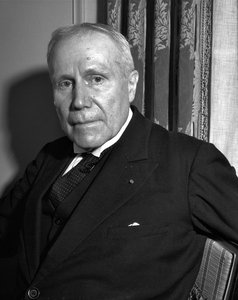
paul jamot
1863 - 1939


