

 Vorschau anzeigen
 Versenden
 Teilen
 Details anzeigen

 Herunterladen
 Ähnliche Objekte
 Röntgenaufnahme
 Diashow
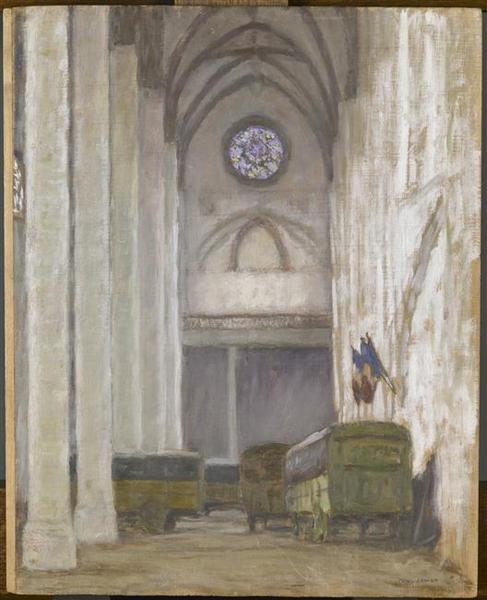
VUE INTERIEURE DE L'EGLISE DES JACOBINS DE TOULOUSE EN 1916


 Weiterlesen
Giclée / Kunstdruck
Giclée- oder Leinwanddruck in Museumsqualität mit schneller Produktion und flexiblen Veredelungsoptionen. ( Handgemalte Reproduktion bestellen Bild kaufen)




P118B $10

P118H $10

P118W $10

P438Z $10

P508JH $12

P508YH $12

P805H $10

P805Z $10

P919BZ $10

P919G $10

P919XJ $10

P959ZH $10

P968JZ $12

W106C $8

W218G $10

W218JH $8

W218Y $10

W307PJ $10

W316G $10

W316PJ $8

W316Y $10

W398PJ $8

W4111J $10

W500HY $15

W500JH $15

W692G $12

W849H $8

W940BG $15

W953PJ $8




Wählen Sie aus unseren vordefinierten Formaten, die den ursprünglichen Proportionen des Kunstwerks entsprechen.

Sie können Ihre eigenen Maße eingeben, um ein bestimmtes Format oder einen speziellen Platz einzupassen. Wenn das von Ihnen gewählte Format nicht den Proportionen des Originalbildes entspricht, werden wir das Kunstwerk entweder beschneiden oder das Bild mit einem gespiegelten oder einfarbigen Rand erweitern. Ein digitaler Entwurf wird Ihnen zur Genehmigung zugesandt, bevor die Produktion beginnt.
Bitte beachten Sie, dass die Vorschau auf dem Bildschirm nicht den tatsächlichen Zuschnitt oder die Erweiterung widerspiegelt. Nur der Entwurf zeigt die endgültige Komposition präzise an.
Obwohl Sondermaße verfügbar sind, empfehlen wir die Auswahl eines Maßes aus der vordefinierten Liste, um die ursprünglichen Proportionen zu bewahren.
Weltweiter Versand () innerhalb von 2 Wochen statt der üblichen 4/5 Wochen. (25 August)

Kostenloser weltweiter Expressversand

Hochwertige Leinenleinwand

Umfassender Versicherungsschutz beim Versand

Zollgebühren-Rückerstattungsgarantie

Garantie für exakte Farbtreue

60 Tage Rückgaberecht (nur bei Mängeln)

100% Geld-zurück-Garantie

Mengenrabatt verfügbar
 Die Glasoption ist nur für Größen unter 110 cm verfügbar.

VUE INTERIEURE DE L'EGLISE DES JACOBINS DE TOULOUSE EN 1916
Giclée / Kunstdruck
Format der Reproduktion
-


Gesamtpreis
$ 62
Sammlerstück-Beschreibung
Vue intérieure de l'église des Jacobins de Toulouse en 1916: A Symphony of Light and Silence
Paul Jamot’s “VUE INTERIEURE DE L'EGLISE DES JACOBINS DE TOULOUSE EN 1916” transcends mere representation; it embodies a profound meditation on spirituality and the passage of time. Painted in February 1916, during the tumultuous years of World War I, this monumental canvas captures an interior view of Toulouse’s Jacobins Church—a space rendered with meticulous detail yet imbued with an ethereal quality that speaks to Munchian sensibilities. The artwork immediately draws the eye upwards towards a towering vaulted ceiling dominated by a magnificent stained-glass window depicting biblical figures bathed in radiant light. This central element serves as a focal point, symbolizing faith and divine illumination amidst the anxieties of the era. The perspective skillfully guides the viewer’s gaze along the vertical columns—massive structures that anchor the composition and contribute to an overwhelming sense of grandeur. These columns are rendered with subtle gradations of grey and beige, reflecting the muted palette characteristic of Impressionism and hinting at the solemn atmosphere within the church. Jamot's technique is masterful – employing oil paint on canvas with a deliberate layering process. Brushstrokes are loose yet purposeful, capturing not just the physical contours of the architecture but also the diffused light filtering through the stained glass. This blending creates an illusion of depth and texture, mirroring the way Munch explored psychological landscapes in his paintings. The artist’s aim wasn't to achieve photographic accuracy; rather, he sought to convey the emotional resonance of the scene—a quiet contemplation punctuated by flashes of color from the window.- Style: Impressionism
- Medium: Oil Paint on Canvas
- Historical Context: World War I – Reflecting a desire for solace and spiritual reflection amidst conflict
- Paul Jamot’s “VUE INTERIEURE” captures a textured, impressionistic church interior in Toulouse (1918). Gothic arches & earthy tones evoke grandeur. Explore this unique artwork!
- Paul Jamot’s “VUE INTERIEURE” captures a textured, impressionistic church interior in Toulouse (1918). Gothic arches & earthy tones evoke grandeur. Explore this unique artwork!
- Paul Jamot’s “L'église des Jacobins de Toulouse au printemps” – A serene depiction of Toulouse’s iconic church.
Ähnliche Kunstwerke


Ähnliche Artikel

Paul Cézanne: Die 25 Meisterwerke des Impressionismus | ArtsDot
Entdecken Sie die 25 Meisterwerke von Paul Cézanne! Tauchen Sie ein in die Welt des Impressionismus und Postimpressionismus. Erfahren Sie mehr über seine Stillleben, Landschaften & berühmten Gemälde – jetzt hochwertige Kunstdrucke auf ArtsDot.com.
Paul Klee: Die 25 Meisterwerke des Abstrakten – Kunst für Ihr Zuhause | ArtsDot
Entdecken Sie die 25 Meisterwerke von Paul Klee! Tauchen Sie ein in seine abstrakte Welt, voller Expressionismus und Bauhaus-Einflüsse. Hochwertige Kunst für Ihr Zuhause – jetzt bei ArtsDot entdecken!

Impressionismus Meisterwerke: Die Top 10 Kunstwerke für Ihr Zuhause | ArtsDot
Entdecken Sie die Top 10 Meisterwerke des Impressionismus! Von Monet bis Renoir – erfahren Sie die Geschichten hinter berühmten Gemälden, Techniken & Farben. Hochwertige Kunstdrucke auf ArtsDot.com.
Intimate Interiors: Domestic Life & Artistic Representation from Renaissance to Impressionism
Explore the evolution of domestic life in Western art from the Renaissance to Impressionism. Discover symbolism, realism & artistic techniques shaping intimate interior scenes. Learn more with ArtsDot.
Paul Huet: Capturing the Essence of French Romanticism Through Light and Landscape
Explore the captivating world of Paul Huet (1803-1869), a master of French Romantic landscape painting. Discover his influence on Barbizon & Impressionism, and browse high-quality reproductions at ArtsDot.


