 Vorschau anzeigen
 Versenden
 Teilen
 Details anzeigen

 Herunterladen
 Ähnliche Objekte
 Röntgenaufnahme
 Diashow
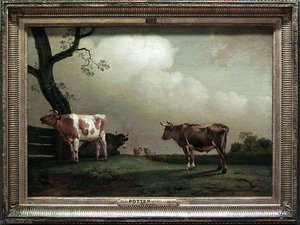
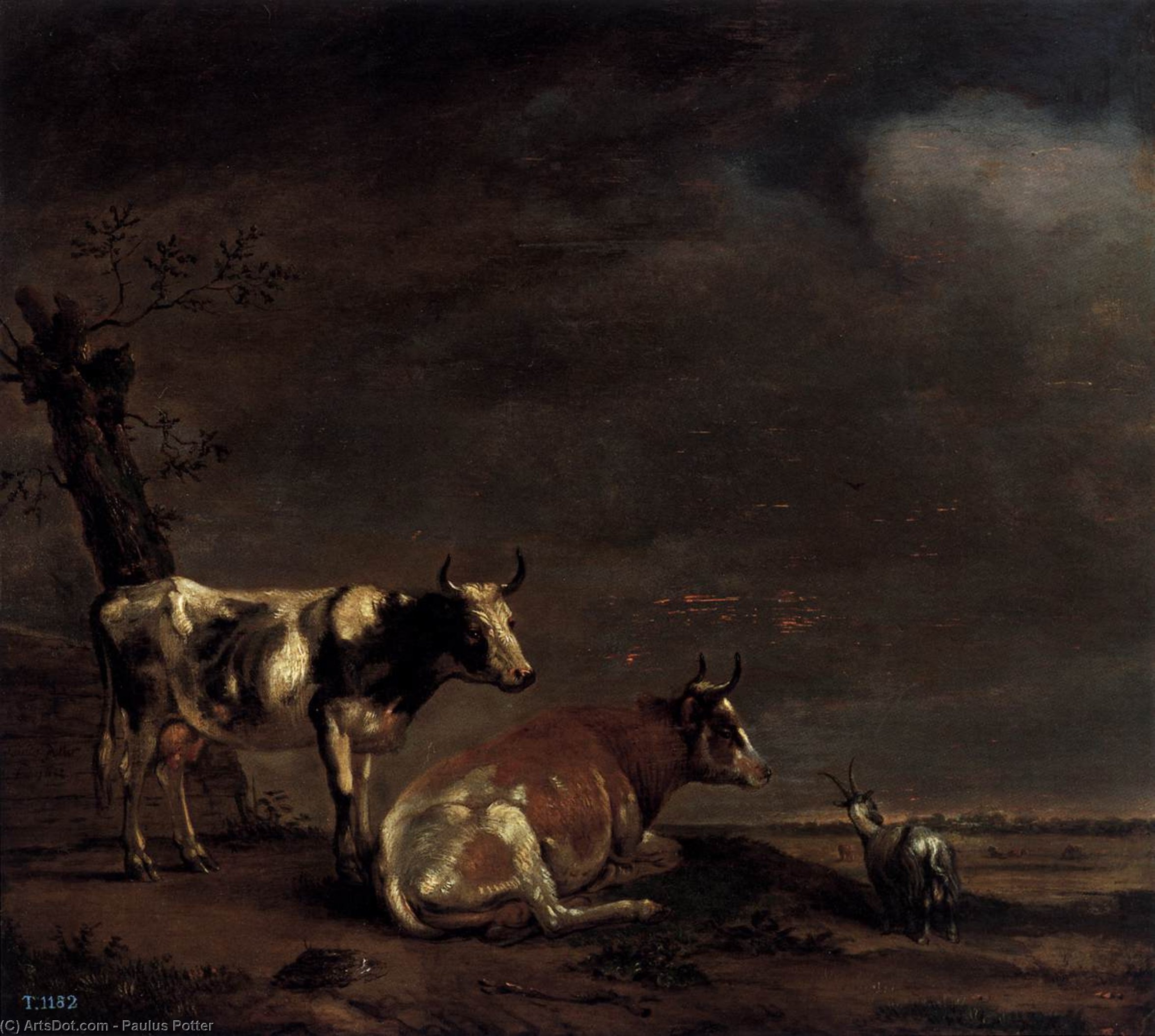
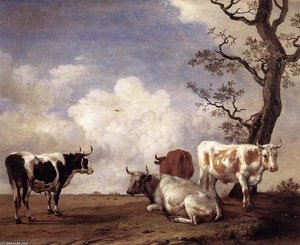
Landscape with Two Cows and a Goat
 Acrylic On Canvas
- WallArt
- Romantic Landscape
 1652
1652- Early Modern
 31.0 x 35.0 cm
 Museo del Prado
 Weiterlesen
Giclée / Kunstdruck
Giclée- oder Leinwanddruck in Museumsqualität mit schneller Produktion und flexiblen Veredelungsoptionen. ( Handgemalte Reproduktion bestellen Bild kaufen)




P118B $10

P118H $10

P118W $10

P438Z $10

P508JH $12

P508YH $12

P805H $10

P805Z $10

P919BZ $10

P919G $10

P919XJ $10

P959ZH $10

P968JZ $12

W106C $8

W218G $10

W218JH $8

W218Y $10

W307PJ $10

W316G $10

W316PJ $8

W316Y $10

W398PJ $8

W4111J $10

W500HY $15

W500JH $15

W692G $12

W849H $8

W940BG $15

W953PJ $8




Wählen Sie aus unseren vordefinierten Formaten, die den ursprünglichen Proportionen des Kunstwerks entsprechen.

Sie können Ihre eigenen Maße eingeben, um ein bestimmtes Format oder einen speziellen Platz einzupassen. Wenn das von Ihnen gewählte Format nicht den Proportionen des Originalbildes entspricht, werden wir das Kunstwerk entweder beschneiden oder das Bild mit einem gespiegelten oder einfarbigen Rand erweitern. Ein digitaler Entwurf wird Ihnen zur Genehmigung zugesandt, bevor die Produktion beginnt.
Bitte beachten Sie, dass die Vorschau auf dem Bildschirm nicht den tatsächlichen Zuschnitt oder die Erweiterung widerspiegelt. Nur der Entwurf zeigt die endgültige Komposition präzise an.
Obwohl Sondermaße verfügbar sind, empfehlen wir die Auswahl eines Maßes aus der vordefinierten Liste, um die ursprünglichen Proportionen zu bewahren.
Weltweiter Versand () innerhalb von 2 Wochen statt der üblichen 4/5 Wochen. (21 August)

Kostenloser weltweiter Expressversand

Hochwertige Leinenleinwand

Umfassender Versicherungsschutz beim Versand

Zollgebühren-Rückerstattungsgarantie

Garantie für exakte Farbtreue

60 Tage Rückgaberecht (nur bei Mängeln)

100% Geld-zurück-Garantie

Mengenrabatt verfügbar
 Die Glasoption ist nur für Größen unter 110 cm verfügbar.

Landscape with Two Cows and a Goat
Giclée / Kunstdruck
Format der Reproduktion
-


Gesamtpreis
$ 62
Sammlerstück-Beschreibung
A Window Into Dutch Pastoralism: Paulus Potter’s “Landscape with Two Cows and a Goat”
Paulus Potter's "Landscape with Two Cows and a Goat," painted in 1652, isn’t merely a depiction of livestock; it’s a carefully constructed tableau brimming with the quiet dignity and profound connection to nature that defined the Dutch Golden Age. This remarkable work, now meticulously reproduced as a hand-painted artwork, offers a glimpse into a world where rural life was not just observed but deeply felt – a sentiment increasingly valued during a period of burgeoning artistic exploration and philosophical reflection.
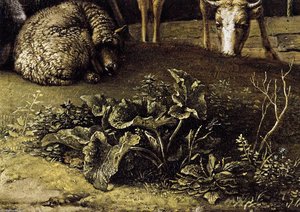
The scene unfolds within a modestly sized canvas, measuring 31 x 35 cm. Potter’s masterful technique immediately draws the eye. He employs a remarkably low vantage point, placing the viewer almost amongst the animals themselves, fostering an intimate and immersive experience. The brushstrokes are deliberate yet loose, creating a sense of atmospheric depth – the hazy blue sky, the rolling hills rendered in subtle gradations of green and brown, all contribute to a believable and inviting landscape. Notice particularly the meticulous detail lavished upon the cows; their coats are rendered with an almost photographic realism, capturing the texture of their hides and the gentle curve of their forms. This dedication to naturalism was revolutionary for its time, moving beyond simple representation towards a deeper understanding of animal anatomy and behavior.
The Painter’s Vision: Romanticism Before Its Time
Paulus Potter's work is often cited as a pivotal precursor to the Romantic movement in art. While he predates many of the key figures associated with Romanticism, his emphasis on emotion, the sublime beauty of nature, and the dignity of rural life resonates powerfully with its core tenets. The painting’s mood isn’t one of grand drama or heroic action; instead, it exudes a sense of peaceful contemplation. The inclusion of the solitary goat, seemingly lost in thought, adds to this feeling of quiet introspection. It's a scene that invites the viewer to pause and appreciate the simple pleasures of existence – the warmth of the sun, the scent of fresh grass, the companionship of animals.
Furthermore, Potter’s choice of subject matter—ordinary farm animals in a natural setting—was deliberately subversive for its time. Dutch art had traditionally focused on portraits, historical scenes, and genre paintings depicting urban life. Potter's focus on the rural world offered a refreshing change of pace, elevating the status of the working class and celebrating the beauty of everyday existence. This shift reflects a broader cultural trend during the 17th century – a growing appreciation for the value of nature and a desire to connect with the roots of Dutch identity.
Symbolism and Emotional Resonance
Beyond its technical brilliance, “Landscape with Two Cows and a Goat” is rich in symbolic meaning. The cows themselves represent fertility, abundance, and the vital connection between humanity and the land. Their placid demeanor suggests contentment and harmony – a reflection of Potter’s own vision for a balanced and fulfilling life. The presence of the goat, often associated with stubbornness and independence, adds an element of complexity to the scene, hinting at the challenges and uncertainties that inevitably accompany rural existence.
The painting's emotional impact is profound. It evokes a sense of nostalgia for a simpler time, a longing for connection with nature, and a quiet appreciation for the beauty of the natural world. It’s a work that speaks to our deepest desires – a desire for peace, tranquility, and a sense of belonging within the larger tapestry of life. The hand-painted reproductions capture this essence perfectly, allowing viewers to experience the painting's subtle nuances and emotional depth in a way that is impossible with digital images.
A Timeless Masterpiece: Perfect for Your Space
Whether adorning a living room wall or gracing a study, “Landscape with Two Cows and a Goat” brings a touch of Dutch pastoral charm to any setting. Its muted palette, evocative composition, and masterful technique create a timeless aesthetic that will complement a wide range of interior design styles. The reproduction’s meticulous detail ensures that every brushstroke, every nuance of light and shadow, is faithfully preserved, offering an authentic representation of Potter's artistic vision. Invest in this stunning artwork – a window into the heart of Dutch Golden Age artistry and a source of enduring beauty and tranquility.
Ähnliche Kunstwerke
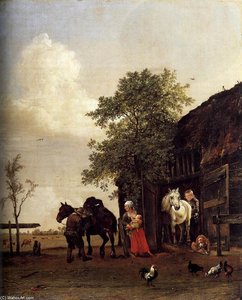
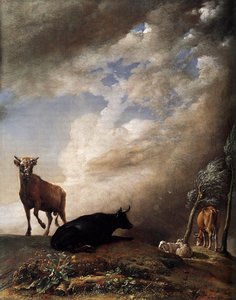
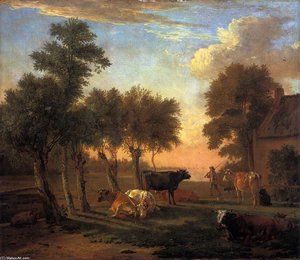
Über den Künstler
Frühes Leben und Familiärer Hintergrund
- Geburt und Taufe: Paulus Potter wurde am 20. November 1625 in Enkhuizen, Niederlande, geboren und am selben Tag getauft.
- Künstlerfamilie: Er stammte aus einer Familie mit künstlerischen Neigungen. Sein Vater, Pieter Symonsz Potter, war ein Maler, der sich auf verzierte Lederwandbehänge und Genreszenen spezialisiert hatte. Seine Mutter, Aaltje Paulusdr Bartsius, war mit dem Maler Willem Bartsius verwandt.
- Umzug nach Amsterdam: Die Familie zog 1628 nach Leiden und dann 1631 nach Amsterdam, wo Paulus unter der Anleitung seines Vaters seine künstlerische Ausbildung begann.
- Frühe Studien: Während er hauptsächlich von seinem Vater unterrichtet wurde, deuten einige Quellen auf mögliche Studien bei Claes Moeyaert in Amsterdam hin.
Künstlerische Entwicklung und Karriere
- Zunftmitgliedschaft: Potter wurde Mitglied der Lukasgilde in Delft.
- Umzug nach Den Haag: Bis 1649 war er nach Den Haag gezogen und ließ sich in der Nähe des Landschaftsmalers Jan van Goyen nieder.
- Heirat und soziale Kontakte: Im Juli 1650 heiratete Potter Adriana van Balckeneynde. Sein Schwiegervater, ein prominenter Bauunternehmer, stellte ihn einflussreichen Mitgliedern der niederländischen Gesellschaft vor, darunter Amalia von Solms-Braunfels.
- Rückkehr nach Amsterdam: Im Mai 1652 kehrte er auf Einladung von Nicolaes Tulp, einem Arzt und Kunstliebhaber, nach Amsterdam zurück, der ihn mit der Anfertigung eines Porträts seines Sohnes Dirck Tulp beauftragte.
- Vorzeitiger Tod: Leider starb Paulus Potter am 17. Januar 1654 in Amsterdam im jungen Alter von 28 Jahren an Tuberkulose.
Stil und Hauptwerke
- Tierdarstellungen in Landschaften: Potter spezialisierte sich auf die Darstellung von Tieren – insbesondere Rindern – eingebettet in weite Landschaften. Seine Kompositionen zeichneten sich oft durch einen niedrigen Blickwinkel aus, der die Größe der Natur betonte.
- Der junge Bulle (um 1647): Gilt als sein berühmtestes Werk und befindet sich heute im Mauritshuis in Den Haag. Es wird für seine realistische Darstellung eines Tieres innerhalb einer weiten Landschaft gefeiert. Es wurde zunächst mit einiger Kritik aufgenommen, erlangte aber später Anerkennung als frühes Beispiel des Romantismus.
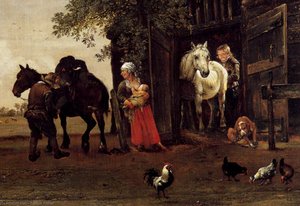
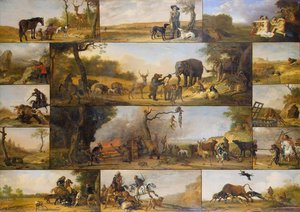
- Weitere bedeutende Gemälde: Zu seinen weiteren wichtigen Werken gehören *Figuren mit Pferden an einem Stall* (1647), *Bestrafung eines Jägers* (um 1647), *Zwei Schweine in einem Sty* (1649) und *Wolfshund* (um 1650–1652).
- Radierungen: Potter fertigte auch zahlreiche Radierungen an, die oft Rinder und andere Tiere darstellten.
Einflüsse und historische Bedeutung
- Einfluss von Jan van Goyen: Seine Zeit in der Nähe von Jan van Goyen in Den Haag beeinflusste wahrscheinlich seinen Landschaftsstil, insbesondere die Betonung atmosphärischer Effekte und die realistische Darstellung der Natur.
- Vorreiter des Romantismus: Potter wird als Vorläufer der romantischen Bewegung anerkannt, da er eine emotionale Verbindung zur Natur hatte und sich darauf konzentrierte, ihre Erhabenheit darzustellen. *Der junge Bulle* wurde zu einem ikonischen Beispiel dieser frühen romantischen Sensibilität.
- Vermächtnis und Anerkennung: Trotz seines kurzen Lebens hinterließ Potter etwa 100 Gemälde. Seine Werke wurden im 19. Jahrhundert für ihren Naturalismus und ihre emotionale Tiefe bewundert.
- Denkmäler: In Enkhuizen wurde 1991 ein Denkmal zu Ehren Potters errichtet, das ihn beim Skizzieren einer Ziege zeigt.
Künstlerische Merkmale
- Niedrige Horizontlinien: Potter verwendete häufig niedrige Horizontlinien, um ein Gefühl von Weite zu erzeugen und die Größe der Landschaft zu betonen.
- Realistische Tierdarstellung: Er war bekannt für seine akribische Liebe zum Detail bei der Darstellung von Tieren, wobei er ihre Anatomie und ihr Verhalten bemerkenswert genau einfing.
- Atmosphärische Effekte: Seine Landschaften weisen oft subtile atmosphärische Effekte wie Licht und Schatten auf, die zur Gesamtstimmung und zum Realismus der Szene beitragen.
- Subtile Farbpalette: Potter verwendete typischerweise eine gedämpfte Farbpalette, die von Erdtönen dominiert wurde und die natürlichen Farben der niederländischen Landschaft widerspiegelte.
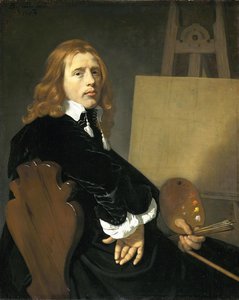
Paulus Potter
1625 - 1654 , Niederlande
Kurzinfos
- Beeinflusste Künstler: ['Albert Jansz Klomp']
- Bekannte Werke:
- Der junge Bulle
- Figuren mit Pferden
- Einflüsse Durch Künstler:
- Pieter Potter
- Jan van Goyen
- Geburtsdatum: 20. November 1625
- Geburtsort: Enkhuizen, Niederlande
- Künstlerische Richtung: Romantik
- Nationalität: Niederländisch
- Sterbedatum: 17. Januar 1654
- Vollständiger Name: Paulus Potter
Ähnliche Artikel
Animalia: Die bleibende Präsenz von Tieren in Kunst und Innenarchitektur
Entdecken Sie die faszinierende Welt der Animalia! Von historischen Tierdarstellungen bis zur modernen Innenarchitektur – wir bieten Expertise, hochwertige Reproduktionen & Kunstberatung.
Golden Light & Dutch Skies: Bringing the Magic of Dutch Golden Age Landscapes into Your Home
Transform your home with the breathtaking light of Dutch Golden Age landscapes. Discover how hand-painted oil reproductions of masterworks like Ruisdael and Vermeer bring timeless elegance, atmosphere, and soulful texture to modern interiors. Elevate your space with museum-quality art.
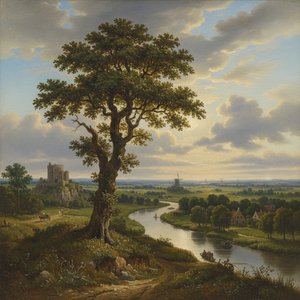
Jacob van Ruisdael: Meister der niederländischen Landschaft und die Evokation nationaler Identität
Entdecken Sie Jacob van Ruisdaels Meisterwerke der niederländischen Landschaftsmalerei! Erfahren Sie mehr über sein Leben, Werk und den Einfluss auf die Kunst des Goldenen Zeitalters. Expertenwissen & Sammlungsübersicht.
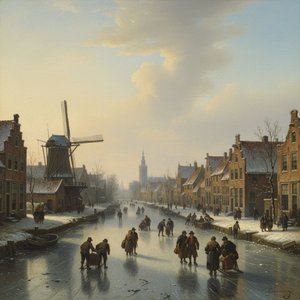
Charles Leickert: Capturing the Dutch Golden Age Light – A Comprehensive Study of Technique, Context, and Legacy
Explore the captivating winter landscapes of Charles Leickert, a master of Dutch Golden Age light & atmosphere. Discover his techniques, symbolism, and lasting legacy – a comprehensive study for art enthusiasts and collectors.
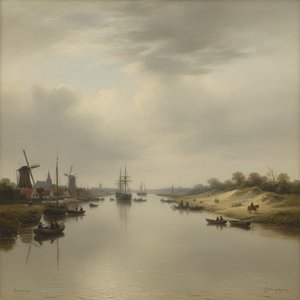
Jan van Goyen: Meister der niederländischen Landschaft und atmosphärische Perspektive
Entdecken Sie Jan van Goyens Meisterwerke der niederländischen Landschaftsmalerei! Analysieren Sie Realismus, atmosphärische Perspektive und seinen Einfluss auf die Kunstgeschichte. Expertenwissen & detaillierte Einblicke.