 Vorschau anzeigen
 Versenden
 Teilen
 Details anzeigen

 Herunterladen
 Ähnliche Objekte
 Röntgenaufnahme
 Diashow
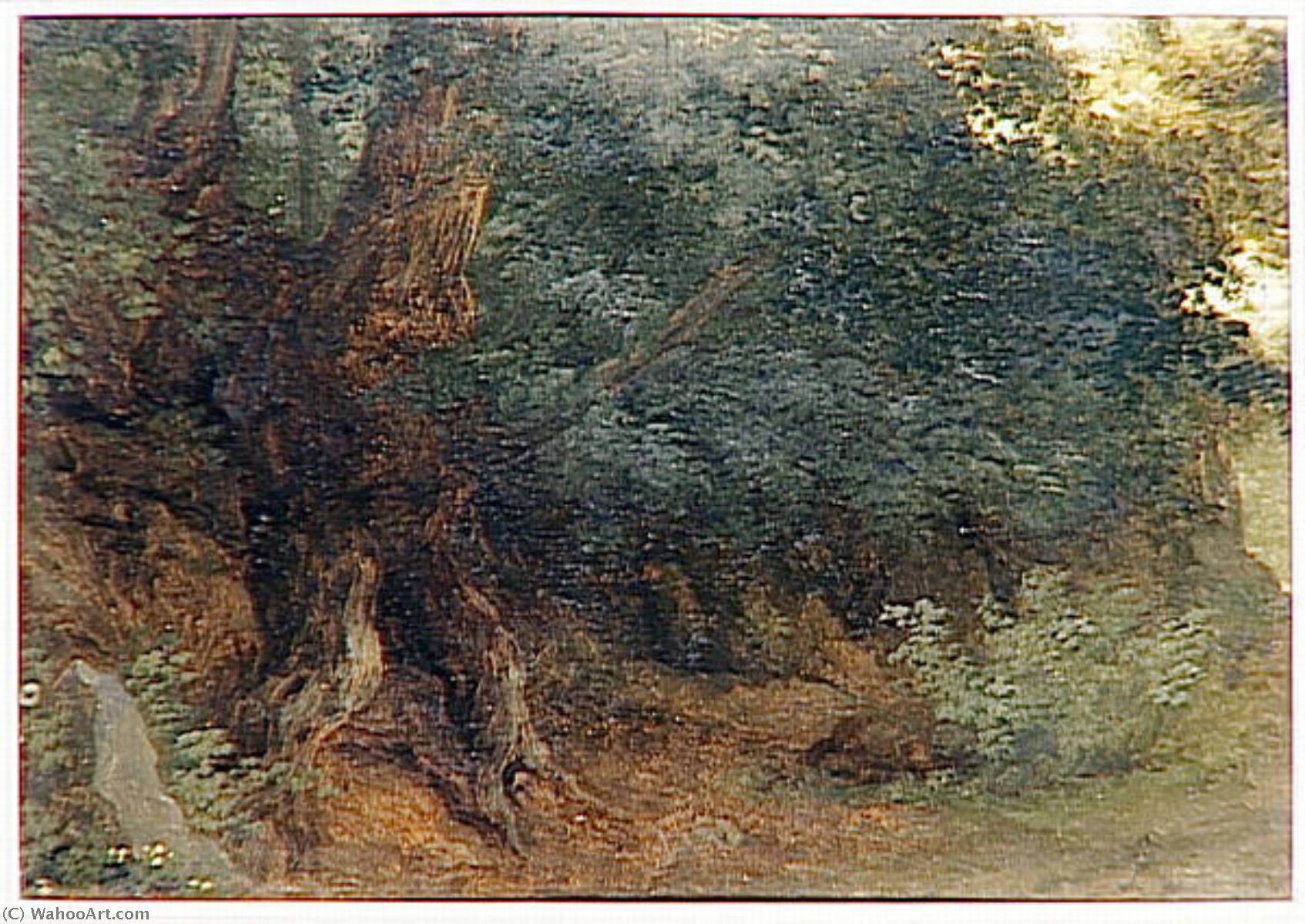
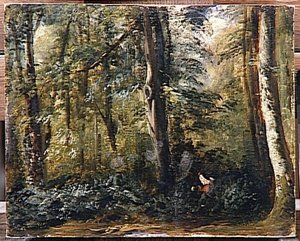
TRONC D'ARBRE, RACINES ET FEUILLES


 Weiterlesen
Handgefertigte Ölreproduktion
Handgemaltes Ölgemälde auf Leinwand in Ihrer Wunschgröße und mit Rahmen, auf Bestellung von unseren Künstlern angefertigt. ( Druck bestellen Bild kaufen)




P118B $10

P118H $10

P118W $10

P438Z $10

P508JH $12

P508YH $12

P805H $10

P805Z $10

P919BZ $10

P919G $10

P919XJ $10

P959ZH $10

P968JZ $12

W106C $8

W218G $10

W218JH $8

W218Y $10

W307PJ $10

W316G $10

W316PJ $8

W316Y $10

W398PJ $8

W4111J $10

W500HY $15

W500JH $15

W692G $12

W849H $8

W940BG $15

W953PJ $8




Wählen Sie aus unseren vordefinierten Formaten, die den ursprünglichen Proportionen des Kunstwerks entsprechen.

Sie können Ihre eigenen Maße eingeben, um einen bestimmten Rahmen oder Platz auszufüllen. Wenn die gewählte Größe nicht den Proportionen des Originalbildes entspricht, werden wir das Kunstwerk entweder beschneiden oder das Gemälde durch zusätzliche, handgemalte Elemente erweitern. Ein digitales Mockup wird Ihnen zur Genehmigung zugesandt, bevor die Produktion beginnt.
Bitte beachten Sie, dass die Bildschirmvorschau nicht die tatsächliche Beschneidung oder Erweiterung widerspiegelt. Nur das Mockup zeigt die endgültige Komposition exakt an.
Obwohl Sondermaße verfügbar sind, empfehlen wir, eine Größe aus der vordefinierten Liste zu wählen, um die ursprünglichen Proportionen beizubehalten.
Nach der Bestellung wird das ArtsDot.com-Team dem Kunden Anweisungen per E-Mail zusenden und eine Mockup-Vorschau bereitstellen.
Weltweiter Versand () in nur 3 bis 4 Wochen statt der üblichen 5 Wochen. (23 August). Keine Kompromisse bei der Qualität.

Kostenloser weltweiter Expressversand

Hochwertige Leinenleinwand

Umfassender Versicherungsschutz beim Versand

Zollgebühren-Rückerstattungsgarantie

Garantie für exakte Farbtreue

60 Tage Rückgaberecht (nur bei Mängeln)

100% Geld-zurück-Garantie

Mengenrabatt verfügbar
 Die Glasoption ist nur für Größen unter 110 cm verfügbar.

TRONC D'ARBRE, RACINES ET FEUILLES
Art der Reproduktion
Format der Reproduktion
-


Gesamtpreis
$ 263
Beschreibung des Kunstwerks
The Enduring Majesty of Nature: An Encounter with Time
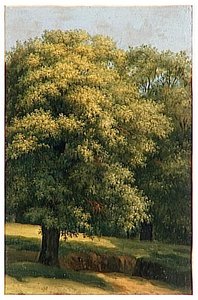
To stand before this depiction of Tronc d'arbre, racines et feuilles is to confront the slow, magnificent passage of time itself. It is not merely a painting of wood and leaf; it is an elegy rendered in pigment, a profound meditation on endurance. The composition centers around the colossal trunk of an ancient tree, its massive girth anchoring the viewer within a deeply atmospheric, almost primeval woodland setting. One feels the weight of years pressing down from the canopy, visible in the interplay of light and shadow that permeates the scene. This is nature at its most visceral—powerful, untamed, and utterly resilient.
A Masterclass in Romantic Technique
The handling of paint speaks volumes about the artist's technical prowess. The style leans heavily into the expressive currents of Romanticism, favoring emotional resonance over strict academic polish. Observe the visible brushwork; it is loose, confident, and deeply textural, suggesting that the artist worked directly from observation in the open air. This rich impasto technique allows the paint itself to become a topographical element, giving the bark and the foliage a palpable, rugged reality. The palette—a deep conversation between earthy browns, muted greens, and ochres—is punctuated by fleeting moments of dappled sunlight filtering through the dense canopy. These luminous spots are not just highlights; they are captured breaths of life against the backdrop of aged wood.
Historical Echoes: Valenciennes and the Open Air
This work resonates with the spirit of artists like Pierre de Valenciennes, a pioneer who championed the very concept of open-air painting. For such masters, the landscape was not just a subject; it was an intellectual proving ground. They sought to capture the immediate atmospheric conditions—the quality of light at dusk, the texture under a specific sun—a departure from the controlled environment of the studio. This piece embodies that spirit: a direct, passionate engagement with the natural world, translating its raw energy onto canvas for posterity.
Symbolism and Emotional Resonance
The symbolism woven into this scene is rich and universal. The exposed roots gripping the earth speak directly to connection—the deep, unseen ties between life and source. The massive trunk represents longevity and unwavering strength, while the foliage, though sometimes suggesting decay, always hints at cyclical renewal. For the collector or designer, owning such a piece means inviting contemplation into your space. It is an anchor of quiet power, reminding us that even in apparent decline, there is an immense, enduring life force waiting to be appreciated.
Bringing the Wilderness Indoors
For those seeking art that transcends mere decoration, this reproduction offers depth and narrative weight. Its dramatic mood and palpable texture make it a breathtaking focal point for any room—be it a library corner demanding intellectual gravitas or an entryway needing a touch of timeless drama. The visible artistry ensures that the piece rewards close inspection, inviting the viewer to trace the brushstrokes and lose themselves in the quiet majesty of the forest floor.
Ähnliche Kunstwerke
Über den Künstler
Pierre de Valenciennes: Pioneer of Open-Air Painting and Romantic Landscape
Pierre Henri de Valenciennes (1750 – 1819) stands as a pivotal figure in the burgeoning landscape movement of the late Enlightenment and early Romantic eras. Often overshadowed by his contemporaries, Valenciennes’s contribution to artistic innovation—specifically his championing of “landscape portraits”—laid the groundwork for a new approach to painting that profoundly impacted subsequent generations of artists. Born in Toulouse, France, Valenciennes pursued his artistic ambitions with unwavering dedication, establishing himself as a respected painter and teacher during his time in Rome and later Paris.Early Influences and Roman Period (1778-1782)
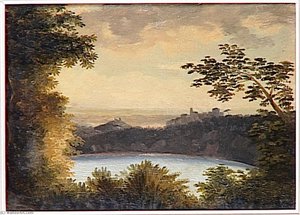
Valenciennes’s formative years were spent in Rome, where he immersed himself in the artistic fervor of the city and honed his skills under the tutelage of influential masters. Unlike many artists of his time who favored studio practice, Valenciennes embarked on a revolutionary experiment: direct observation of nature. He meticulously documented landscapes—primarily around Lake Nemi and Genzano—capturing them with unprecedented accuracy and sensitivity to light and atmosphere. This approach wasn’t merely stylistic; it represented a philosophical shift toward understanding the world through sensory experience. His treatise, “Reflections and Advice to a Student on Painting,” eloquently articulated this conviction, arguing that artists should strive to depict landscapes as they appear before their eyes—a concept that would become known as "landscape portrait." Valenciennes’s detailed studies of trees and buildings at different times of day demonstrated an acute awareness of the ephemeral qualities of visual perception. He sought inspiration from Caravaggio and Rembrandt, mastering chiaroscuro – the dramatic use of light and shadow – to imbue his canvases with emotional depth.Technique and Artistic Vision
Valenciennes's technique was characterized by a masterful blend of tonal gradation and subtle color harmonies, reflecting the influence of Caravaggio and Rembrandt. He skillfully employed chiaroscuro—the dramatic interplay of light and shadow—to convey depth and emotion within his compositions. However, Valenciennes’s true genius resided in his artistic vision. Recognizing that landscape painting could transcend mere representation to communicate profound ideas about humanity's relationship with nature, he advocated for artists to infuse their canvases with a sense of place and atmosphere. He urged painters to consider not only the visual elements but also the cultural context—the architecture, dress, agriculture, and social customs—that shaped the landscape’s character. This humanist perspective foreshadowed the Romantic preoccupation with emotion and imagination, anticipating trends that would dominate European art in the decades following Valenciennes's death. He believed that true artistic achievement demanded a deep understanding of the natural world alongside an appreciation for human experience.Students and Legacy
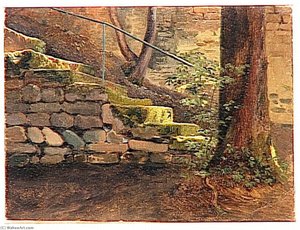
Valenciennes nurtured a cohort of talented students who carried forward his artistic ideals. Among them were Jean Victor Bertin, Achille Etna Michallon, Louis Étienne Watelet, and Louis François Lejeune—artists who would become prominent figures in the French landscape movement. Valenciennes’s influence extended beyond his immediate pupils; he mentored Pierre Prévost, establishing him as the first French panorama painter and furthering the exploration of expansive vistas. His landscapes continue to inspire admiration for their realism, emotional resonance, and intellectual depth. Particularly noteworthy are “L’Escalier de Pierres Recouvert de Mousse” and “Les Envirs de Genzano,” which exemplify Valenciennes's commitment to capturing the nuances of natural beauty with remarkable precision.Historical Significance
Pierre de Valenciennes deserves recognition as a trailblazer who challenged artistic conventions and championed a new aesthetic sensibility. His insistence on working outdoors—a practice considered unorthodox by many of his contemporaries—established him as a champion of Romantic ideals. Furthermore, his conceptualization of “landscape portraits” profoundly impacted the trajectory of French landscape art, influencing artists like Hubert Robert, Pierre Athanaise Chauvin, and Achille Etna Michallon who embraced an anthropological approach to depicting rural life and customs. Valenciennes’s legacy endures not only in his paintings but also in his enduring contribution to the intellectual discourse surrounding artistic practice—a testament to his visionary spirit and lasting impact on European art history. He fundamentally altered how artists perceived and represented their surroundings, paving the way for Impressionism and cementing his place as a cornerstone of Romantic landscape painting.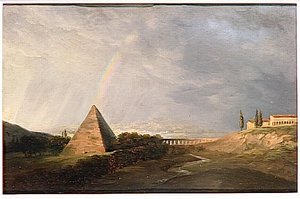
Pierre Henri Valenciennes
1750 - 1819 , Frankreich
Kurzinfos
- Artistic Movement Or Style: Romantik Landschaftsmalerei
- Artists Who Influenced This Artist:
- Hubert Robert
- Pierre-Athanaise Chauvin
- Achille Etna Michallon
- Date Of Death: 1819
- Full Name: Pierre Henri de Valenciennes
- Nationality: Französisch
- Notable Artworks:
- Le Lac de Nemi et Genzano
- L’Escalier de Pierres Recouvert de Mousse
- Les Envirs de Genzano
- Place Of Birth: Toulouse, Frankreich
Ähnliche Artikel

Romantische Landschaften: Die 10 Meisterwerke, die eine Epoche prägten | ArtsDot
Entdecken Sie die 10 Meisterwerke der Romantischen Landschaftsmalerei! Von Caspar David Friedrich bis Turner – erleben Sie die Kunst, Emotion & Natur. Hochwertige Reproduktionen auf ArtsDot.com
Arboreal Echoes: A Historical & Artistic Exploration of Trees in Painting
Explore the rich history of trees in painting! Discover symbolism, Romantic masterpieces by Caspar David Friedrich & beyond. A curated journey for art enthusiasts.

Paul Cézanne: Die 25 Meisterwerke des Impressionismus | ArtsDot
Entdecken Sie die 25 Meisterwerke von Paul Cézanne! Tauchen Sie ein in die Welt des Impressionismus und Postimpressionismus. Erfahren Sie mehr über seine Stillleben, Landschaften & berühmten Gemälde – jetzt hochwertige Kunstdrucke auf ArtsDot.com.

John Constable: Die 25 Meisterwerke des englischen Landschaftsgenies – ArtsDot
Entdecken Sie die 25 Meisterwerke von John Constable! Erleben Sie englische Landschaftsmalerei vom Hay Wain bis zur Stour Valley. Hochwertige Reproduktionen & Kunst für Ihr Zuhause auf ArtsDot.com.

The Enduring Legacy of Oil on Canvas: Technique, History & Aesthetic Impact
Explore the rich history & techniques of oil painting – from Renaissance masters to Impressionism. Discover pigments, layering methods, and why this timeless medium endures. Expert insights for artists & art enthusiasts.