

 Vorschau anzeigen
 Versenden
 Teilen
 Details anzeigen

 Herunterladen
 Ähnliche Objekte
 Röntgenaufnahme
 Diashow
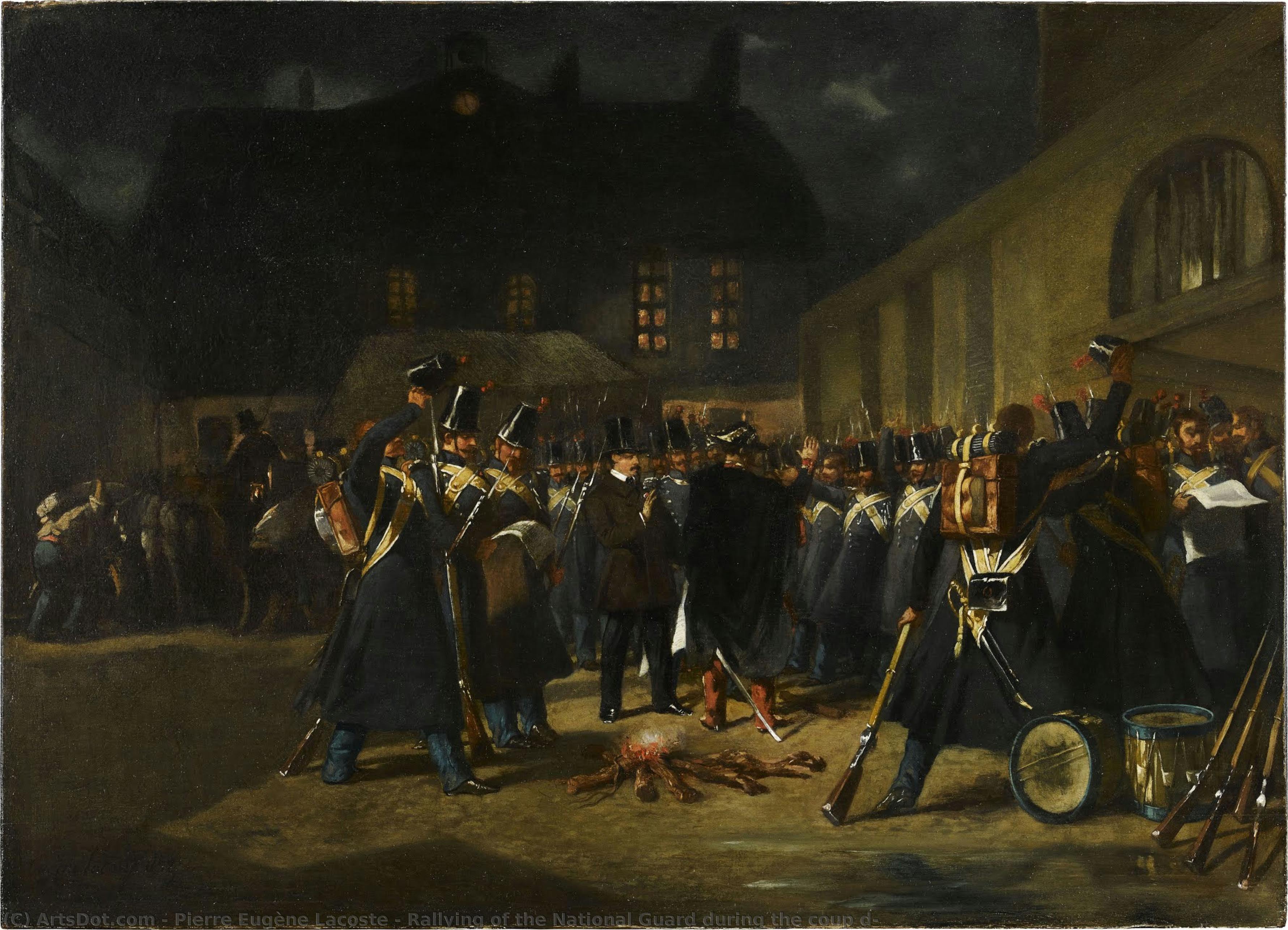
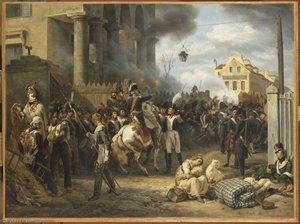
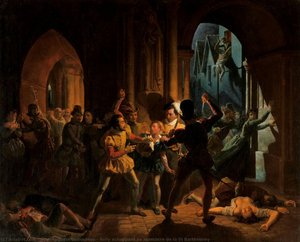
Rallying of the National Guard during the coup d


 Weiterlesen
Handgefertigte Ölreproduktion
Handgemaltes Ölgemälde auf Leinwand in Ihrer Wunschgröße und mit Rahmen, auf Bestellung von unseren Künstlern angefertigt. ( Druck bestellen Bild kaufen)




P118B $10

P118H $10

P118W $10

P438Z $10

P508JH $12

P508YH $12

P805H $10

P805Z $10

P919BZ $10

P919G $10

P919XJ $10

P959ZH $10

P968JZ $12

W106C $8

W218G $10

W218JH $8

W218Y $10

W307PJ $10

W316G $10

W316PJ $8

W316Y $10

W398PJ $8

W4111J $10

W500HY $15

W500JH $15

W692G $12

W849H $8

W940BG $15

W953PJ $8




Wählen Sie aus unseren vordefinierten Formaten, die den ursprünglichen Proportionen des Kunstwerks entsprechen.

Sie können Ihre eigenen Maße eingeben, um einen bestimmten Rahmen oder Platz auszufüllen. Wenn die gewählte Größe nicht den Proportionen des Originalbildes entspricht, werden wir das Kunstwerk entweder beschneiden oder das Gemälde durch zusätzliche, handgemalte Elemente erweitern. Ein digitales Mockup wird Ihnen zur Genehmigung zugesandt, bevor die Produktion beginnt.
Bitte beachten Sie, dass die Bildschirmvorschau nicht die tatsächliche Beschneidung oder Erweiterung widerspiegelt. Nur das Mockup zeigt die endgültige Komposition exakt an.
Obwohl Sondermaße verfügbar sind, empfehlen wir, eine Größe aus der vordefinierten Liste zu wählen, um die ursprünglichen Proportionen beizubehalten.
Nach der Bestellung wird das ArtsDot.com-Team dem Kunden Anweisungen per E-Mail zusenden und eine Mockup-Vorschau bereitstellen.
Weltweiter Versand () in nur 3 bis 4 Wochen statt der üblichen 5 Wochen. (23 August). Keine Kompromisse bei der Qualität.

Kostenloser weltweiter Expressversand

Hochwertige Leinenleinwand

Umfassender Versicherungsschutz beim Versand

Zollgebühren-Rückerstattungsgarantie

Garantie für exakte Farbtreue

60 Tage Rückgaberecht (nur bei Mängeln)

100% Geld-zurück-Garantie

Mengenrabatt verfügbar
 Die Glasoption ist nur für Größen unter 110 cm verfügbar.

Rallying of the National Guard during the coup d
Art der Reproduktion
Format der Reproduktion
-


Gesamtpreis
$ 263
Beschreibung des Kunstwerks
A Moment Frozen in Time: The Spirit of the National Guard
In the evocative monochrome depths of Pierre Eugène Lacoste’s 1852 masterpiece, Rallying of the National Guard during the coup d'état, we are transported to a pivotal moment of French history. The painting serves as a window into a period of profound political upheaval, capturing not just a military gathering, but the very pulse of a nation in transition. Through a masterful use of light and shadow, Lacoste presents a group of men in uniform gathered upon a street, their presence commanding yet heavy with the gravity of the era. The absence of color strips away modern distractions, forcing the viewer to confront the raw, structural essence of the scene—the sharp lines of military garb, the glint of steel swords, and the somber, determined expressions of the soldiers.
The composition is a study in unity and collective purpose. As the eye wanders through the assembly, one notices the intricate layering of figures; some stand in the immediate foreground, their details rendered with a clarity that suggests an intimate proximity to the viewer, while others recede into the misty background, creating a sense of vast, unfolding history. This arrangement does more than provide depth; it symbolizes the strength of the collective. The swords, held or worn by the men, act as silent sentinels of preparedness, suggesting that this is not merely a social gathering, but a demonstration of readiness and a testament to the commitment these individuals hold toward their cause.
The Artistry of Shadow and Historical Resonance
Technically, Lacoste utilizes a monochromatic palette to evoke the feeling of an archival memory. By working within the constraints of black and white, he emphasizes texture and form—the heavy fabric of the uniforms, the ruggedness of the street, and the atmospheric tension that hangs over the assembly. This stylistic choice lends the work an eternal quality, making it feel less like a fleeting snapshot and perhaps more like a monumental lithograph brought to life through paint. The interplay of light suggests a flickering torchlight or a dim, overcast day, casting long shadows that add a layer of psychological complexity to the soldiers' faces.
For the discerning collector or interior designer, this piece offers a profound emotional resonance. It is an artwork that commands attention through its quiet intensity rather than through loud, vibrant colors. Integrating a high-quality reproduction of this work into a space introduces a sense of historical gravity and intellectual depth. Whether placed in a study lined with leather-bound books or as a focal point in a contemporary gallery-style living room, the painting invites contemplation on themes of duty, tradition, and the cyclical nature of revolution. It is an invitation to possess a fragment of the 19th century, preserved through the visionary lens of one of France's most skilled historical chroniclers.
Ähnliche Kunstwerke


Über den Künstler
Pierre Eugène Lacoste: The Sculptor of Opera and Revolution
Pierre Eugène Lacoste (1818 – 1907) stands as a fascinating figure in French art history, largely unrecognized today but profoundly influential during his time. Born in Paris amidst the burgeoning artistic fervor of the Romantic era, Lacoste’s career spanned decades, marked by contributions to sculpture, illustration, and crucially, opera costume design—a field where he achieved considerable acclaim and cemented his reputation as a visionary craftsman. His legacy resides not only in tangible artworks but also in shaping theatrical aesthetics and fostering artistic education.Early Life and Artistic Formation
Lacoste’s formative years were steeped in the intellectual currents of Paris. He benefited from an exceptional upbringing fostered by Amaranthe Rouillet, Charles-Antoine Cambon, and Léon Cogniet—artists who themselves championed realism and meticulous observation. This rigorous training instilled within him a dedication to anatomical accuracy and expressive detail – qualities that would become hallmarks of his sculptural output. Furthermore, it nurtured his artistic sensibilities, preparing him for the challenges inherent in capturing emotion and narrative through visual mediums. He was educated at the Collège Louis le Grand, where he excelled academically, demonstrating an innate talent for both art and science—a combination that would prove invaluable to his subsequent artistic pursuits.Opera Costume Design: A Triumph of Craftsmanship
Lacoste’s fame ascended most notably through his work designing costumes for operas and theatrical spectacles. Notably, he undertook the monumental task of recreating the costumes for Verdi's *Aida* (1871), a production that captivated audiences worldwide. Lacoste approached this project with unparalleled dedication, meticulously researching Egyptian textiles and employing innovative techniques to achieve breathtaking realism. His designs weren’t merely decorative; they conveyed profound symbolic meaning, reflecting the drama unfolding onstage and enhancing the overall artistic experience. He became synonymous with meticulous craftsmanship and imaginative storytelling within the opera world—a distinction that solidified his place as one of the foremost costume designers of his era. The sheer scale of *Aida*, combined with Lacoste’s commitment to historical accuracy, established a new standard for theatrical productions.Sculpture: Reflections of Romantic Idealism
Beyond costume design, Lacoste practiced sculpture extensively, producing portraits and monumental sculptures that embody the spirit of Romantic idealism. His works often depict figures imbued with noble character and psychological depth—a stylistic preference consistent with the artistic sensibilities of his era. He skillfully captured the essence of human emotion through form and material, demonstrating a mastery of technique that earned him admiration from fellow artists and critics alike. Lacoste’s sculptures are housed in prominent museums across Europe, including the Musée Eugène Delacroix in Paris and Benedictine Abbey of Saint-Pierre Solesmes, where they continue to inspire viewers with their beauty and expressive power.Teaching and Artistic Legacy
Lacoste’s influence extended beyond his own creative endeavors; he served as a professor at several prestigious art schools in Paris, including the École Supérieure des Beaux-Arts, shaping generations of aspiring artists. He instilled within them not only technical proficiency but also an appreciation for observation and expressive representation—values that continue to resonate throughout French artistic tradition. His dedication to fostering artistic talent ensured that his vision would endure beyond his lifetime. Lacoste’s legacy is celebrated annually at the Musée Eugène Delacroix, where visitors can immerse themselves in the splendor of his artistic achievements.Recognition and Remembrance
Lacoste’s contributions to the visual arts were acknowledged by institutions such as the Royal Academy of Fine Arts in Brussels and the Royal Collection Trust in London, where reproductions of his paintings are displayed. Today, you can explore his oeuvre on ArtsDot.com, offering a glimpse into the artistic landscape of 19th-century France. His enduring legacy is particularly evident in the Musée Eugène Delacroix, Paris, and Benedictine Abbey of Saint-Pierre Solesmes, where visitors can contemplate masterpieces that reflect Lacoste’s profound impact on French art history.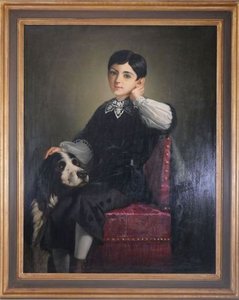
Pierre Eugène Lacoste
1818 - 1907 , Frankreich
Kurzinfos
- Artistic Movement Or Style: Romantik
- Artists Or Movements Influenced By This Artist: ['Opera Kostümdesign']
- Artists Who Influenced This Artist:
- Amaranthe Rouillet
- Charles-Antoine Cambon
- Léon Cogniet
- Date Of Birth: Paris, Frankreich (1818)
- Date Of Death: 1907
- Full Name: Pierre Eugène Lacoste
- Nationality: Französisch
- Notable Artworks: ['Rallying of the National Guard']
- Place Of Birth: Paris
Ähnliche Artikel

Weiße Meisterwerke: Die Top 10 berühmtesten Gemälde und ihre zeitlose Eleganz
Entdecken Sie die Top 10 berühmter Gemälde, dominiert von Weiß! Von Malewitsch bis Rothko – erfahren Sie Geschichten hinter ikonischen Kunstwerke und lassen Sie sich für Ihre Wohnraumgestaltung inspirieren. Kunstreproduktionen in Museumsqualiät auf

Die Top 10 berühmter Gemälde im Reich der dunklen Töne |
Entdecken Sie die Top 10 berühmter Gemälde, beherrscht von dunklen Tönen! Von Caravaggio bis Manet – erfahren Sie die Geschichten hinter Meisterwerken der Kunstgeschichte. Finden Sie Ihre perfekte Reproduktion auf .

Monochrome Visions: Exploring the Aesthetic & Historical Significance of Black & White Photography
Explore the rich history & artistic power of black and white photography. From early techniques to iconic masters like Ansel Adams, discover why monochrome continues to captivate art lovers today. Expert insights for collectors.
Meisterwerke des 19. Jahrhunderts: Kunst für Ihr Zuhause | ArtsDot
Entdecken Sie die 10 bedeutendsten Kunstwerke des 19. Jahrhunderts! Von Impressionismus bis Realismus – erleben Sie die Geschichten berühmter Maler und ihre Meisterwerke. Hochwertige Reproduktionen für Ihr Zuhause auf ArtsDot.com.
Meisterwerke der National Gallery London: 25 Kunstikonen für Ihr Zuhause | ArtsDot
Entdecken Sie die 25 berühmtesten Gemälde der National Gallery London! Von Van Gogh bis Monet – erfahren Sie die Geschichten hinter ikonischen Meisterwerken, Kunststile & Techniken. Hochwertige Reproduktionen für Ihr Zuhause auf ArtsDot.com.

