 Vorschau anzeigen
 Versenden
 Teilen
 Details anzeigen

 Herunterladen
 Ähnliche Objekte
 Röntgenaufnahme
 Diashow
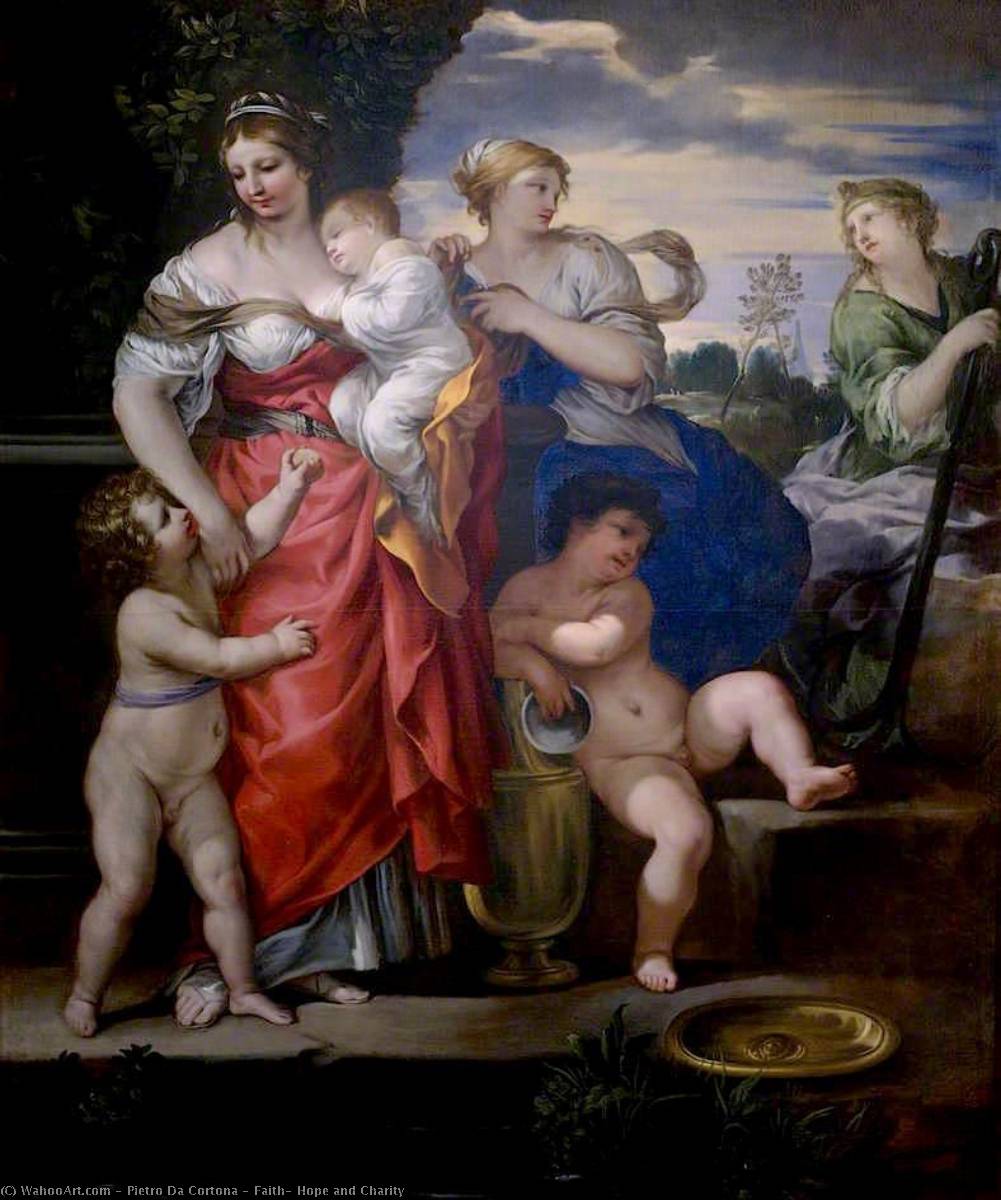
Faith, Hope and Charity


 Weiterlesen
Handgefertigte Ölreproduktion
Handgemaltes Ölgemälde auf Leinwand in Ihrer Wunschgröße und mit Rahmen, auf Bestellung von unseren Künstlern angefertigt. ( Druck bestellen Bild kaufen)




P118B $10

P118H $10

P118W $10

P438Z $10

P508JH $12

P508YH $12

P805H $10

P805Z $10

P919BZ $10

P919G $10

P919XJ $10

P959ZH $10

P968JZ $12

W106C $8

W218G $10

W218JH $8

W218Y $10

W307PJ $10

W316G $10

W316PJ $8

W316Y $10

W398PJ $8

W4111J $10

W500HY $15

W500JH $15

W692G $12

W849H $8

W940BG $15

W953PJ $8




Wählen Sie aus unseren vordefinierten Formaten, die den ursprünglichen Proportionen des Kunstwerks entsprechen.

Sie können Ihre eigenen Maße eingeben, um einen bestimmten Rahmen oder Platz auszufüllen. Wenn die gewählte Größe nicht den Proportionen des Originalbildes entspricht, werden wir das Kunstwerk entweder beschneiden oder das Gemälde durch zusätzliche, handgemalte Elemente erweitern. Ein digitales Mockup wird Ihnen zur Genehmigung zugesandt, bevor die Produktion beginnt.
Bitte beachten Sie, dass die Bildschirmvorschau nicht die tatsächliche Beschneidung oder Erweiterung widerspiegelt. Nur das Mockup zeigt die endgültige Komposition exakt an.
Obwohl Sondermaße verfügbar sind, empfehlen wir, eine Größe aus der vordefinierten Liste zu wählen, um die ursprünglichen Proportionen beizubehalten.
Nach der Bestellung wird das ArtsDot.com-Team dem Kunden Anweisungen per E-Mail zusenden und eine Mockup-Vorschau bereitstellen.
Weltweiter Versand () in nur 3 bis 4 Wochen statt der üblichen 5 Wochen. (23 August). Keine Kompromisse bei der Qualität.

Kostenloser weltweiter Expressversand

Hochwertige Leinenleinwand

Umfassender Versicherungsschutz beim Versand

Zollgebühren-Rückerstattungsgarantie

Garantie für exakte Farbtreue

60 Tage Rückgaberecht (nur bei Mängeln)

100% Geld-zurück-Garantie

Mengenrabatt verfügbar
 Die Glasoption ist nur für Größen unter 110 cm verfügbar.

Faith, Hope and Charity
Art der Reproduktion
Format der Reproduktion
-


Gesamtpreis
$ 263
Beschreibung des Kunstwerks
A Baroque Vision of Virtue
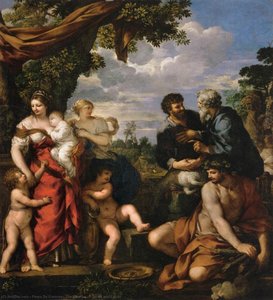
In the heart of the Italian Baroque, where drama meets divinity, Pietro da Cortona’s Faith, Hope and Charity emerges as a breathtaking testament to the era's spiritual and aesthetic grandeur. Painted around 1640, this masterpiece transcends mere religious iconography to become a luminous window into the soul of the seventeenth century. As one of the most influential figures of his time, Cortona—a master who rivaled the legendary Bernini in his ability to command space and emotion—utilizes the canvas to weave a narrative of profound tenderness and celestial grace. The painting does not merely depict three virtues; it invites the viewer into a sacred moment where the earthly and the divine converge through a masterful display of light and movement.
The composition is a rhythmic dance of color and form, anchored by three women who personify the Christian virtues. On the left, Faith is rendered with a serene, contemplative intensity, her red attire providing a striking warmth that draws the eye immediately to her nurturing embrace of an infant. In the center, Hope sits in a moment of quiet connection, her blue drapery offering a cool, tranquil counterpoint to the fiery reds and earthy greens found elsewhere in the work. To the right, Charity stands as a pillar of selfless devotion, her green gown balancing the palette while she tends to the needs of the children around her. This triad of figures creates a circular flow of gaze and gesture, guiding the observer through a continuous loop of compassion and spiritual strength.
Technique and the Mastery of Light
Cortona’s technical prowess is on full display through his sophisticated use of chiaroscuro—the dramatic interplay between deep shadow and radiant light. This technique does more than create three-dimensional volume; it breathes life into the very fabric of the scene. The light seems to emanate from within the figures themselves, catching the intricate folds of their heavy silk and velvet garments, lending them a tactile, sculptural quality that is quintessential to the Baroque style. His background in Florentine draftsmanship, combined with the vibrant colorism he absorbed from the Venetian masters like Titian, allows him to manipulate atmosphere with unparalleled skill.
The landscape in the background, characterized by soft, billowing clouds and a distant, hazy horizon, serves as more than just a setting. It provides an expansive, ethereal stage that prevents the composition from feeling enclosed, instead suggesting that these virtues are universal and eternal, existing under the vastness of the heavens. For the discerning collector or interior designer, this painting offers a profound sense of depth and movement, making it a commanding centerpiece capable of transforming a room into a space of reflection and classical elegance.
Symbolism and Emotional Resonance
Beyond its visual splendor, Faith, Hope and Charity is an emotional journey. The presence of the infants—some sleeping peacefully, others peering out with wide-eyed curiosity—adds a layer of vulnerability and innocence that softens the monumental scale of the Baroque style. This juxtaposition of the grand and the intimate creates a powerful emotional resonance; it reminds us that the highest virtues are found in the simplest acts of care and devotion. The bowl held by Charity, perhaps containing sustenance, serves as a poignant symbol of the physical manifestation of love.
For those seeking to adorn their homes or galleries with art that inspires, this work offers an unparalleled opportunity. A high-quality reproduction of this piece brings not just a historical artifact into a space, but a living energy. It is a celebration of human goodness and a sophisticated nod to the golden age of Italian painting, offering a timeless aesthetic that complements both classical and contemporary interiors with its rich textures, profound symbolism, and enduring beauty.
Ähnliche Kunstwerke




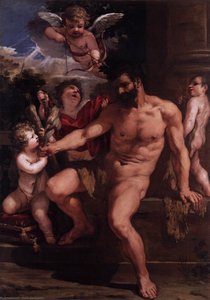
Über den Künstler
Frühes Leben und Ausbildung
Pietro da Cortona, geboren als Pietro Berrettini, war ein italienischer Barockmaler und Architekt aus Cortona, Toskana (1596-1669). Er erhielt seine erste künstlerische Ausbildung unter Andrea Commodi in Florenz, bevor er um 1612/13 nach Rom zog, wo er dem Atelier von Baccio Ciarpi beitrat.Wichtige Werke und Aufträge
* Das Werk „Das Opfer der Polyxena“, „Der Triumph des Bacchus“ und „Die Entführung der Sabinerin“ (1626) für die Familie Sacchetti. * Fresken in der Kirche Santa Bibiana (1624-1626), unter der Leitung von Bernini. * Die Allegorie göttlicher Vorsehung und Barberini Macht (1633) im Palazzo Barberini, ein Wendepunkt in der Barockmalerei.Künstlerischer Stil und Einflüsse
Pietro da Cortonas Werke zeichnen sich durch grandiose Themen und eine meisterhafte Ausführung aus. Er nutzte Trompe-l'œil Techniken, um räumliche Illusionen zu erzeugen und die Grenzen des Raumes optisch zu erweitern. Sein Stil wurde maßgeblich von Paolo Veroneses perspektivischen Werken und Tizians Farbpalette beeinflusst. Darüber hinaus zeigte er auch innovative architektonische Projekte, obwohl nur wenige davon realisiert wurden.Bedeutende Museen und Sammlungen
* Das Museo Diocesano in Cortona beherbergt Meisterwerke aus verschiedenen Kirchen und Klöstern der Region. * Das Museo dell'Opera di Santa Croce in Florenz zeigt Kunstwerke vom 14. bis zum 16. Jahrhundert.- Entdecken Sie weitere Werke von Pietro da Cortona auf ArtsDot: Pietro da Cortona | 126 Kunstwerke
- Erkunden Sie die Meisterwerke des Museo Diocesano in Cortona: Die Meisterwerke des Museo Diocesano, Cortona entdecken
- Informieren Sie sich auf Wikipedia über die italienische Barockarchitektur und ihre wichtigsten Vertreter: Pietro da Cortona
Vermächtnis und Bedeutung
Pietros innovativer Stil und seine einflussreichen Werke haben einen bleibenden Eindruck in der Welt der Barockmalerei und Architektur hinterlassen. Seine Verwendung von Trompe-l'œil und die Darstellung monumentaler Themen inspirieren bis heute Künstler und Architekten. Wichtige Daten: * 1596: Geburt in Cortona, Toskana * 1612/3: Umzug nach Rom * 1624-1626: Fresken in der Kirche Santa Bibiana * 1633: Fertigstellung der Allegorie göttlicher Vorsehung und Barberini Macht * 1669: Tod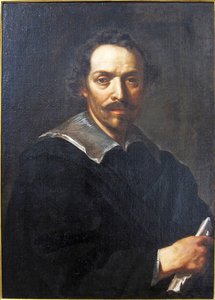
Pietro da Cortona
1596 - 1669 , Italien
Kurzinfos
- Beeinflusste Künstler:
- Andrea Sacchi
- Francesco Borromini
- Bemerkenswerte Werke:
- Das Opfer der Polyxena
- Der Triumph des Bacchus
- Die Entführung der Sabinerin
- Einflussreiche Künstler:
- Paolo Veronese
- Titian
- Geburtsdatum: 1596
- Geburtsort: Cortona, Italien
- Künstlerischer Stil: Barockmalerei
- Nationalität: Italienisch
- Todatum: 1669
- Vollständiger Name: Pietro da Cortona
Ähnliche Artikel

Barock Meisterwerke: Die 10 prägendsten Kunstwerke für Ihr Zuhause |
Entdecken Sie die 10 prägendsten Meisterwerke des Barock! Caravaggio, Rembrandt & Co. – Erfahren Sie die Geschichten hinter ikonischen Gemälde und finden Sie hochwertige Kunst Reproduktionen für Ihr Zuhause auf .

Giclée Prints: Archival Quality & Aesthetic Nuances for the Discerning Collector
Explore the world of giclée prints with ArtsDot. Learn about archival quality, aesthetic nuances & investment potential. Expert guidance for discerning art collectors seeking museum-quality reproductions and lasting value.
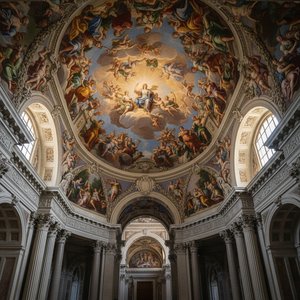
Pietro da Cortona: Baroque Grandeur & the Synthesis of Roman Painting
Explore the life & masterpieces of Pietro da Cortona, a defining figure of the Italian Baroque. Discover his stunning frescoes at Palazzo Barberini and lasting influence on Roman art history. Learn more with ArtsDot.
Alte Pinakothek München: Die 25 Meisterwerke für Ihr Zuhause | ArtsDot
Entdecken Sie die 25 Meisterwerke der Alten Pinakothek München! Von Dürer bis Rembrandt – erleben Sie Kunstgeschichte hautnah. Hochwertige Kunstdrucke & Leinwandbilder für Ihr Zuhause bei ArtsDot.com.

Barocke Pracht: Wie Sie Opulenz und Emotionen in zeitgenössische Innenräume bringen
Entdecken Sie die Pracht des Barock! Expertenratgeber für luxuriöse Innenräume mit barocken Elementen. Inspiration, Tipps & hochwertige Kunst bei .