 Vorschau anzeigen
 Versenden
 Teilen
 Details anzeigen

 Herunterladen
 Ähnliche Objekte
 Röntgenaufnahme
 Diashow
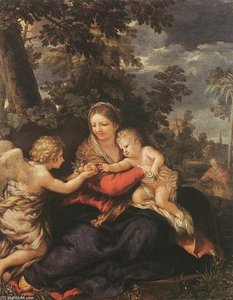
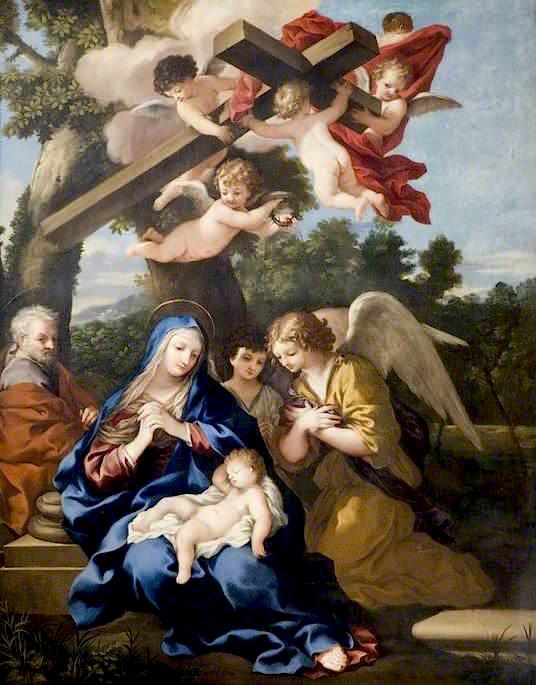
The Holy Family with Angels


 Weiterlesen
Giclée / Kunstdruck
Giclée- oder Leinwanddruck in Museumsqualität mit schneller Produktion und flexiblen Veredelungsoptionen. ( Handgemalte Reproduktion bestellen Bild kaufen)




P118B $10

P118H $10

P118W $10

P438Z $10

P508JH $12

P508YH $12

P805H $10

P805Z $10

P919BZ $10

P919G $10

P919XJ $10

P959ZH $10

P968JZ $12

W106C $8

W218G $10

W218JH $8

W218Y $10

W307PJ $10

W316G $10

W316PJ $8

W316Y $10

W398PJ $8

W4111J $10

W500HY $15

W500JH $15

W692G $12

W849H $8

W940BG $15

W953PJ $8




Wählen Sie aus unseren vordefinierten Formaten, die den ursprünglichen Proportionen des Kunstwerks entsprechen.

Sie können Ihre eigenen Maße eingeben, um ein bestimmtes Format oder einen speziellen Platz einzupassen. Wenn das von Ihnen gewählte Format nicht den Proportionen des Originalbildes entspricht, werden wir das Kunstwerk entweder beschneiden oder das Bild mit einem gespiegelten oder einfarbigen Rand erweitern. Ein digitaler Entwurf wird Ihnen zur Genehmigung zugesandt, bevor die Produktion beginnt.
Bitte beachten Sie, dass die Vorschau auf dem Bildschirm nicht den tatsächlichen Zuschnitt oder die Erweiterung widerspiegelt. Nur der Entwurf zeigt die endgültige Komposition präzise an.
Obwohl Sondermaße verfügbar sind, empfehlen wir die Auswahl eines Maßes aus der vordefinierten Liste, um die ursprünglichen Proportionen zu bewahren.
Weltweiter Versand () innerhalb von 2 Wochen statt der üblichen 4/5 Wochen. (25 August)

Kostenloser weltweiter Expressversand

Hochwertige Leinenleinwand

Umfassender Versicherungsschutz beim Versand

Zollgebühren-Rückerstattungsgarantie

Garantie für exakte Farbtreue

60 Tage Rückgaberecht (nur bei Mängeln)

100% Geld-zurück-Garantie

Mengenrabatt verfügbar
 Die Glasoption ist nur für Größen unter 110 cm verfügbar.

The Holy Family with Angels
Giclée / Kunstdruck
Format der Reproduktion
-


Gesamtpreis
$ 62
Sammlerstück-Beschreibung
The Divine Narrative in Baroque Splendor
To gaze upon this depiction of The Holy Family with Angels is to step directly into the vibrant, dramatic heart of the Roman Baroque. Pietro da Cortona, a master whose brushstrokes seemed capable of capturing divine light itself, has rendered a scene overflowing with spiritual energy and meticulous composition. This painting is not merely a portrait of sacred figures; it is an orchestrated moment of heavenly visitation, designed to lift the soul upward toward the sublime. The central grouping—Mary, Joseph, and the infant Jesus—forms the emotional anchor, radiating a quiet sanctity amidst the surrounding celestial activity.
A Tapestry of Figures and Celestial Detail
The composition is richly populated, drawing the viewer into its narrative depth. Beyond the core family unit, the presence of multiple angels serves to amplify the miraculous nature of the event. These winged messengers are not static decorations; they appear caught in various states of adoration or announcement, guiding the eye across the canvas. Furthermore, the inclusion of peripheral figures—one near the left edge and another toward the right—suggests a broader earthly witness to this divine occurrence. Even the delicate detail of the flying bird above adds a touch of natural grace to the otherwise heavenly tableau, grounding the spiritual drama with tangible life.
Mastery in Baroque Technique
Cortona’s technique is a hallmark of his genius: a breathtaking fusion of dramatic illusionism and vibrant color. As a leading figure of the Roman Baroque, he excelled at creating spectacles that seemed to break the boundaries of the frame. One can almost feel the dynamism inherent in the paintwork—the sweeping draperies, the gestures of the angels, and the luminous quality attributed to the skin tones. His ability to manage complex groupings while ensuring every figure retains individual emotional weight speaks to an unparalleled command over composition and movement.
Symbolism and Emotional Resonance
The symbolism woven throughout this piece is deeply rooted in Christian tradition. The Holy Family represents the Incarnation, the divine becoming human, a theme of profound comfort and mystery for the viewer. The angels symbolize heavenly praise and the omnipresence of God's grace. For the modern admirer, the emotional impact is one of awe mixed with intimate devotion. It invites contemplation on themes of protection, lineage, and eternal love. Owning a reproduction of this work allows one to bring that sense of elevated, contemplative drama into a contemporary space.
A Legacy for the Modern Collector
For those who appreciate the grandeur of High Baroque art, this piece offers an unparalleled opportunity. It embodies the period's desire to merge earthly reality with divine aspiration. Whether adorning a grand hall or serving as a focal point in a richly decorated interior, its dramatic flair and profound subject matter ensure that it commands attention while simultaneously inviting quiet meditation. It is a testament to Pietro da Cortona’s enduring ability to make the sacred feel immediate and breathtakingly alive.
Ähnliche Kunstwerke



Über den Künstler
Frühes Leben und Ausbildung
Pietro da Cortona, geboren als Pietro Berrettini, war ein italienischer Barockmaler und Architekt aus Cortona, Toskana (1596-1669). Er erhielt seine erste künstlerische Ausbildung unter Andrea Commodi in Florenz, bevor er um 1612/13 nach Rom zog, wo er dem Atelier von Baccio Ciarpi beitrat.Wichtige Werke und Aufträge
* Das Werk „Das Opfer der Polyxena“, „Der Triumph des Bacchus“ und „Die Entführung der Sabinerin“ (1626) für die Familie Sacchetti. * Fresken in der Kirche Santa Bibiana (1624-1626), unter der Leitung von Bernini. * Die Allegorie göttlicher Vorsehung und Barberini Macht (1633) im Palazzo Barberini, ein Wendepunkt in der Barockmalerei.Künstlerischer Stil und Einflüsse
Pietro da Cortonas Werke zeichnen sich durch grandiose Themen und eine meisterhafte Ausführung aus. Er nutzte Trompe-l'œil Techniken, um räumliche Illusionen zu erzeugen und die Grenzen des Raumes optisch zu erweitern. Sein Stil wurde maßgeblich von Paolo Veroneses perspektivischen Werken und Tizians Farbpalette beeinflusst. Darüber hinaus zeigte er auch innovative architektonische Projekte, obwohl nur wenige davon realisiert wurden.Bedeutende Museen und Sammlungen
* Das Museo Diocesano in Cortona beherbergt Meisterwerke aus verschiedenen Kirchen und Klöstern der Region. * Das Museo dell'Opera di Santa Croce in Florenz zeigt Kunstwerke vom 14. bis zum 16. Jahrhundert.- Entdecken Sie weitere Werke von Pietro da Cortona auf ArtsDot: Pietro da Cortona | 126 Kunstwerke
- Erkunden Sie die Meisterwerke des Museo Diocesano in Cortona: Die Meisterwerke des Museo Diocesano, Cortona entdecken
- Informieren Sie sich auf Wikipedia über die italienische Barockarchitektur und ihre wichtigsten Vertreter: Pietro da Cortona
Vermächtnis und Bedeutung
Pietros innovativer Stil und seine einflussreichen Werke haben einen bleibenden Eindruck in der Welt der Barockmalerei und Architektur hinterlassen. Seine Verwendung von Trompe-l'œil und die Darstellung monumentaler Themen inspirieren bis heute Künstler und Architekten. Wichtige Daten: * 1596: Geburt in Cortona, Toskana * 1612/3: Umzug nach Rom * 1624-1626: Fresken in der Kirche Santa Bibiana * 1633: Fertigstellung der Allegorie göttlicher Vorsehung und Barberini Macht * 1669: Tod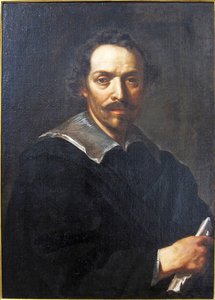
Pietro da Cortona
1596 - 1669 , Italien
Kurzinfos
- Beeinflusste Künstler:
- Andrea Sacchi
- Francesco Borromini
- Bemerkenswerte Werke:
- Das Opfer der Polyxena
- Der Triumph des Bacchus
- Die Entführung der Sabinerin
- Einflussreiche Künstler:
- Paolo Veronese
- Titian
- Geburtsdatum: 1596
- Geburtsort: Cortona, Italien
- Künstlerischer Stil: Barockmalerei
- Nationalität: Italienisch
- Todatum: 1669
- Vollständiger Name: Pietro da Cortona
Ähnliche Artikel

Leonardo da Vinci: Die 25 Meisterwerke für Ihr Zuhause | ArtsDot
Entdecken Sie die 25 Meisterwerke von Leonardo da Vinci! Erfahren Sie faszinierende Geschichten hinter Gemälden wie der Mona Lisa & Das letzte Abendmahl. Hochwertige Reproduktionen für Ihr Zuhause – jetzt bei ArtsDot entdecken!
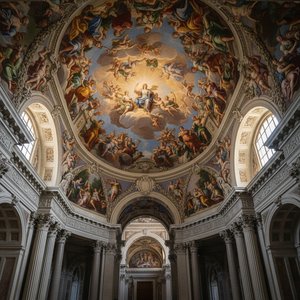
Pietro da Cortona: Baroque Grandeur & the Synthesis of Roman Painting
Explore the life & masterpieces of Pietro da Cortona, a defining figure of the Italian Baroque. Discover his stunning frescoes at Palazzo Barberini and lasting influence on Roman art history. Learn more with ArtsDot.

The Dramatic Flourish: Exploring the Baroque Movement's Enduring Legacy in Art History
Explore the dramatic world of Baroque art! Discover iconic artists like Caravaggio & Rubens, defining techniques, and its lasting impact on art history. Expert insights for collectors & enthusiasts at ArtsDot.

Barock Meisterwerke: Die 10 prägendsten Kunstwerke für Ihr Zuhause |
Entdecken Sie die 10 prägendsten Meisterwerke des Barock! Caravaggio, Rembrandt & Co. – Erfahren Sie die Geschichten hinter ikonischen Gemälde und finden Sie hochwertige Kunst Reproduktionen für Ihr Zuhause auf .
Leonardo da Vinci: Synthese von Kunst, Wissenschaft und menschlicher Beobachtung – Eine Renaissance-Meisterleistung für den Kenner
Entdecken Sie Leonardo da Vincis revolutionäre Kunst und Wissenschaft! Expertenanalyse seiner Meisterwerke, Techniken wie Sfumato & Chiaroscuro. Für Kenner und Sammler.