 Versenden
 Teilen
 Details anzeigen

 Herunterladen
 Ähnliche Objekte
 Diashow
 Statistiken
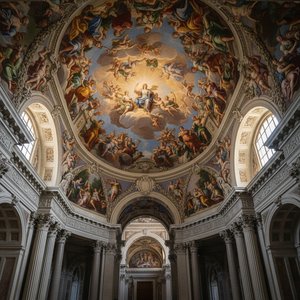
Vault painting


 Weiterlesen
Handgefertigte Ölreproduktion
Handgemaltes Ölgemälde auf Leinwand in Ihrer Wunschgröße und mit Rahmen, auf Bestellung von unseren Künstlern angefertigt. ( Zu Druck wechseln Zum digitalen Bild wechseln)




































Wählen Sie aus unseren vordefinierten Formaten, die den ursprünglichen Proportionen des Kunstwerks entsprechen.

Sie können Ihre eigenen Maße eingeben, um einen bestimmten Rahmen oder Platz auszufüllen. Wenn die gewählte Größe nicht den Proportionen des Originalbildes entspricht, werden wir das Kunstwerk entweder beschneiden oder das Gemälde durch zusätzliche, handgemalte Elemente erweitern. Ein digitales Mockup wird Ihnen zur Genehmigung zugesandt, bevor die Produktion beginnt.
Bitte beachten Sie, dass die Bildschirmvorschau nicht die tatsächliche Beschneidung oder Erweiterung widerspiegelt. Nur das Mockup zeigt die endgültige Komposition exakt an.
Obwohl Sondermaße verfügbar sind, empfehlen wir, eine Größe aus der vordefinierten Liste zu wählen, um die ursprünglichen Proportionen beizubehalten.
Nach der Bestellung wird das ArtsDot.com-Team dem Kunden Anweisungen per E-Mail zusenden und eine Mockup-Vorschau bereitstellen.
Weltweiter Versand () in nur 3 bis 4 Wochen statt der üblichen 5 Wochen. (10 September). Keine Kompromisse bei der Qualität.

Kostenloser weltweiter Expressversand

Hochwertige Leinenleinwand

Umfassender Versicherungsschutz beim Versand

Zollgebühren-Rückerstattungsgarantie

Garantie für exakte Farbtreue

100-Tage-Rückgaberecht (nur bei Mängeln)

100% Geld-zurück-Garantie

Mengenrabatt verfügbar
 Die Glasoption ist nur für Größen unter 110 cm verfügbar.

Vault painting
Art der Reproduktion
Format der Reproduktion
-


Gesamtpreis
$ 313
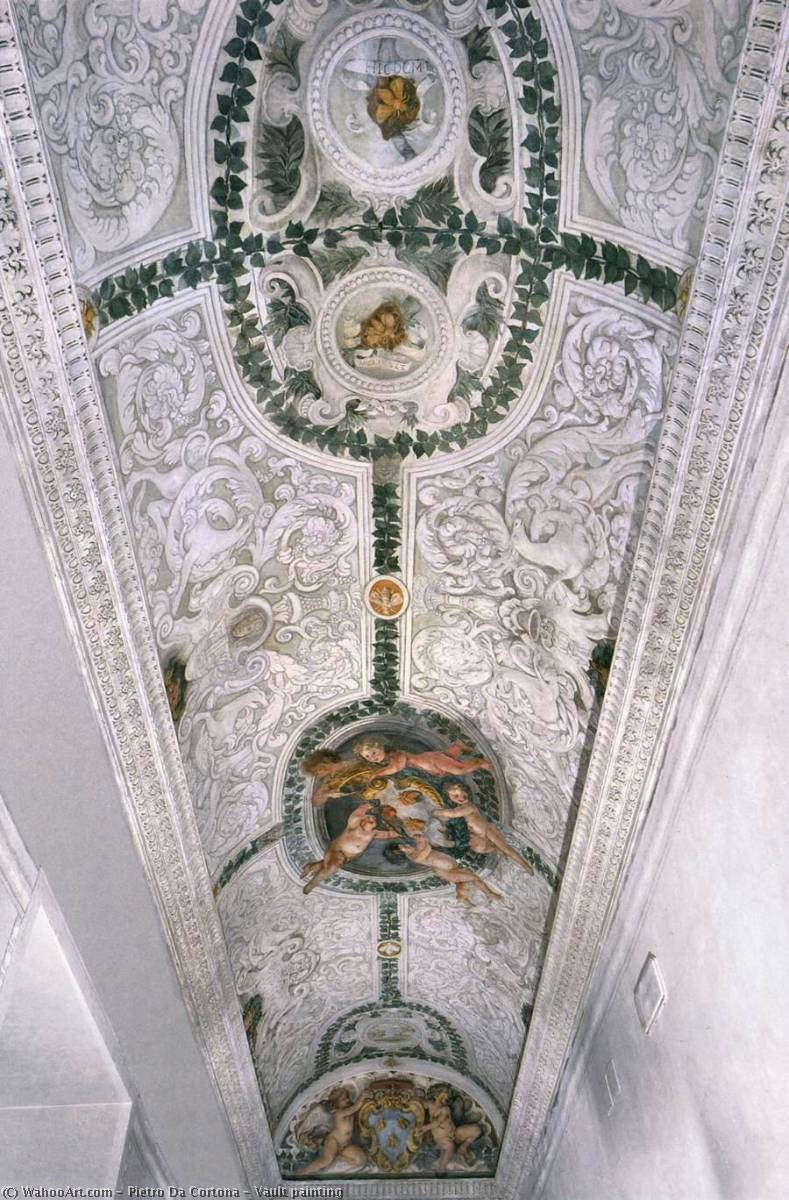
The Celestial Drama of Baroque Fresco
To gaze upon this vault painting is to be enveloped by an atmosphere of divine spectacle. It is not merely decoration; it is an architectural manifestation of heavenly glory, executed with the breathtaking ambition characteristic of the High Baroque period. The composition immediately draws the eye inward toward a radiant central medallion, suggesting a source of ultimate enlightenment or divine presence. Surrounding this core vision, Pietro da Cortona has woven a tapestry of celestial beings—angels and cherubs—whose forms seem to float weightlessly against the painted plaster. The entire scene pulses with an orchestrated sense of movement, guiding the viewer's gaze in a grand, radial sweep that mirrors the very curvature of the ceiling upon which it resides.
Mastery in Pigment and Plaster: Technique and Craft
The sheer technical prowess required for such a work cannot be overstated. Executed using the demanding buon fresco technique—where pigments are applied to wet lime plaster, allowing them to chemically bond with the wall itself—this painting speaks volumes about the artist's mastery over materials. The palette is one of sublime restraint, dominated by creamy whites, pale greens, and warm beiges, punctuated by strategic, luminous accents of gold that catch the light even centuries later. Cortona’s ability to create such depth on a seemingly flat, curved surface is miraculous; while the perspective remains somewhat flattened due to the ceiling's geometry, the illusion of overlapping foliage, swirling drapery, and receding figures gives an astonishing sense of spatial recession.
Symbolism of Ascent and Grace
The subject matter is deeply rooted in religious iconography, yet its emotional resonance transcends mere doctrine. The central figure, holding what appears to be a sunburst or medallion, symbolizes divine power—a moment of revelation captured forever. The surrounding angels are not static portraits; they are embodiments of heavenly grace, their gestures and flowing drapery suggesting an eternal ascent toward the sublime. For the modern admirer, this piece offers a profound sense of spiritual upliftment. It speaks to humanity's enduring yearning for transcendence, transforming a mere architectural surface into a portal to the divine.
A Touch of Roman Grandeur for Your Space
For those seeking to infuse a grand hall, library, or reception area with unparalleled artistic gravitas, this reproduction offers an unmatched opportunity. The opulent drama and meticulous detail inherent in Cortona’s style—a hallmark of the Roman Baroque zenith—provide instant historical weight and breathtaking visual richness. Whether you are designing a space meant for quiet contemplation or one intended to impress with sheer magnificence, the interplay between the fluid curves of the scrolls and the solid structure of the vault elements promises an enduring focal point. Owning this piece is not just acquiring art; it is curating an atmosphere steeped in history, drama, and eternal beauty.
Ähnliche Kunstwerke
Über den Künstler
Frühes Leben und Ausbildung
Pietro da Cortona, geboren als Pietro Berrettini, war ein italienischer Barockmaler und Architekt aus Cortona, Toskana (1596-1669). Er erhielt seine erste künstlerische Ausbildung unter Andrea Commodi in Florenz, bevor er um 1612/13 nach Rom zog, wo er dem Atelier von Baccio Ciarpi beitrat.Wichtige Werke und Aufträge
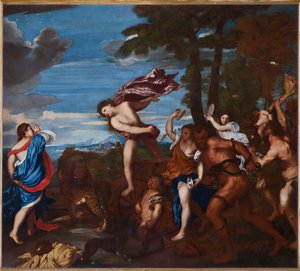
* Das Werk „Das Opfer der Polyxena“, „Der Triumph des Bacchus“ und „Die Entführung der Sabinerin“ (1626) für die Familie Sacchetti. * Fresken in der Kirche Santa Bibiana (1624-1626), unter der Leitung von Bernini. * Die Allegorie göttlicher Vorsehung und Barberini Macht (1633) im Palazzo Barberini, ein Wendepunkt in der Barockmalerei.Künstlerischer Stil und Einflüsse
Pietro da Cortonas Werke zeichnen sich durch grandiose Themen und eine meisterhafte Ausführung aus. Er nutzte Trompe-l'œil Techniken, um räumliche Illusionen zu erzeugen und die Grenzen des Raumes optisch zu erweitern. Sein Stil wurde maßgeblich von Paolo Veroneses perspektivischen Werken und Tizians Farbpalette beeinflusst. Darüber hinaus zeigte er auch innovative architektonische Projekte, obwohl nur wenige davon realisiert wurden.Bedeutende Museen und Sammlungen
* Das Museo Diocesano in Cortona beherbergt Meisterwerke aus verschiedenen Kirchen und Klöstern der Region. * Das Museo dell'Opera di Santa Croce in Florenz zeigt Kunstwerke vom 14. bis zum 16. Jahrhundert.- Entdecken Sie weitere Werke von Pietro da Cortona auf ArtsDot: Pietro da Cortona | 126 Kunstwerke
- Erkunden Sie die Meisterwerke des Museo Diocesano in Cortona: Die Meisterwerke des Museo Diocesano, Cortona entdecken
- Informieren Sie sich auf Wikipedia über die italienische Barockarchitektur und ihre wichtigsten Vertreter: Pietro da Cortona
Vermächtnis und Bedeutung
Pietros innovativer Stil und seine einflussreichen Werke haben einen bleibenden Eindruck in der Welt der Barockmalerei und Architektur hinterlassen. Seine Verwendung von Trompe-l'œil und die Darstellung monumentaler Themen inspirieren bis heute Künstler und Architekten. Wichtige Daten: * 1596: Geburt in Cortona, Toskana * 1612/3: Umzug nach Rom * 1624-1626: Fresken in der Kirche Santa Bibiana * 1633: Fertigstellung der Allegorie göttlicher Vorsehung und Barberini Macht * 1669: Tod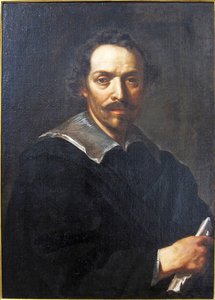
Pietro da Cortona
1596 - 1669 , Italien
Kurzinfos
- Beeinflusste Künstler:
- Andrea Sacchi
- Francesco Borromini
- Bemerkenswerte Werke:
- Das Opfer der Polyxena
- Der Triumph des Bacchus
- Die Entführung der Sabinerin
- Einflussreiche Künstler:
- Paolo Veronese
- Titian
- Geburtsdatum: 1596
- Geburtsort: Cortona, Italien
- Künstlerischer Stil: Barockmalerei
- Nationalität: Italienisch
- Todatum: 1669
- Vollständiger Name: Pietro da Cortona
Ähnliche Artikel
Leonardo da Vinci: Die 25 Meisterwerke für Ihr Zuhause | ArtsDot
Entdecken Sie die 25 Meisterwerke von Leonardo da Vinci! Erfahren Sie faszinierende Geschichten hinter Gemälden wie der Mona Lisa & Das letzte Abendmahl. Hochwertige Reproduktionen für Ihr Zuhause – jetzt bei ArtsDot entdecken!

Das Familienerbe an die Wand bringen: Wandgemälde als Generationenschatz
Verwandeln Sie Ihre Familiengeschichte in ein beeindruckendes Wandgemälde! Expertenrat & hochwertige Handwerkskunst für einzigartige Kunstwerke, die Generationen verbinden. Entdecken Sie jetzt!
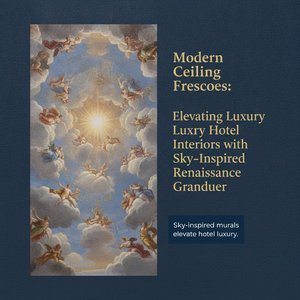
Moderne Deckenfresken: Luxus für Ihr Zuhause – Kunst trifft Innovation
Entdecken Sie die Welt der modernen Deckenfresken! Expertenwissen für exklusives Hoteldesign & individuelle Raumgestaltung. Hochwertige Wandmalerei – Ihr Kunstwerk am Himmel.
Pietro da Cortona: Baroque Grandeur & the Synthesis of Roman Painting
Explore the life & masterpieces of Pietro da Cortona, a defining figure of the Italian Baroque. Discover his stunning frescoes at Palazzo Barberini and lasting influence on Roman art history. Learn more with ArtsDot.

The Enduring Legacy of Fresco Painting: Techniques, History & Contemporary Relevance
Explore the rich history & enduring artistry of fresco painting – from Giotto to Michelangelo! Discover techniques, conservation efforts, & modern applications. Learn how ArtsDot brings this timeless art form to your home.