 Vorschau anzeigen
 Versenden
 Teilen
 Details anzeigen

 Herunterladen
 Ähnliche Objekte
 Röntgenaufnahme
 Diashow
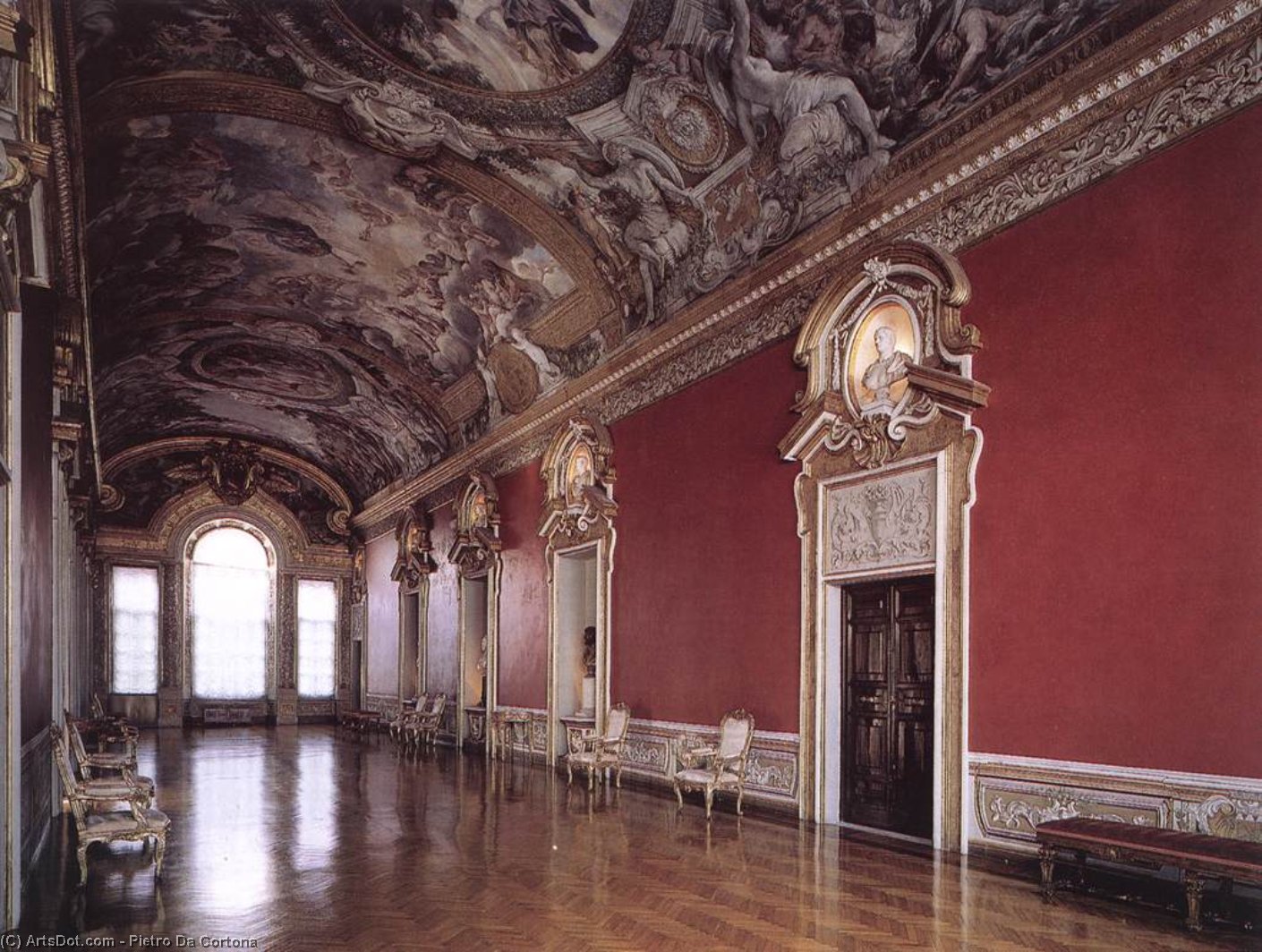
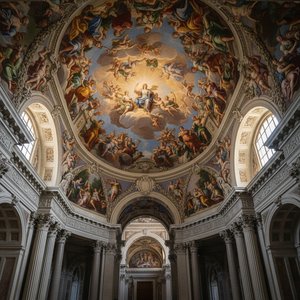
View of the Galleria Pamphilj


 Weiterlesen
Handgefertigte Ölreproduktion
Handgemaltes Ölgemälde auf Leinwand in Ihrer Wunschgröße und mit Rahmen, auf Bestellung von unseren Künstlern angefertigt. ( Druck bestellen Bild kaufen)




P118B $10

P118H $10

P118W $10

P438Z $10

P508JH $12

P508YH $12

P805H $10

P805Z $10

P919BZ $10

P919G $10

P919XJ $10

P959ZH $10

P968JZ $12

W106C $8

W218G $10

W218JH $8

W218Y $10

W307PJ $10

W316G $10

W316PJ $8

W316Y $10

W398PJ $8

W4111J $10

W500HY $15

W500JH $15

W692G $12

W849H $8

W940BG $15

W953PJ $8




Wählen Sie aus unseren vordefinierten Formaten, die den ursprünglichen Proportionen des Kunstwerks entsprechen.

Sie können Ihre eigenen Maße eingeben, um einen bestimmten Rahmen oder Platz auszufüllen. Wenn die gewählte Größe nicht den Proportionen des Originalbildes entspricht, werden wir das Kunstwerk entweder beschneiden oder das Gemälde durch zusätzliche, handgemalte Elemente erweitern. Ein digitales Mockup wird Ihnen zur Genehmigung zugesandt, bevor die Produktion beginnt.
Bitte beachten Sie, dass die Bildschirmvorschau nicht die tatsächliche Beschneidung oder Erweiterung widerspiegelt. Nur das Mockup zeigt die endgültige Komposition exakt an.
Obwohl Sondermaße verfügbar sind, empfehlen wir, eine Größe aus der vordefinierten Liste zu wählen, um die ursprünglichen Proportionen beizubehalten.
Nach der Bestellung wird das ArtsDot.com-Team dem Kunden Anweisungen per E-Mail zusenden und eine Mockup-Vorschau bereitstellen.
Weltweiter Versand () in nur 3 bis 4 Wochen statt der üblichen 5 Wochen. (29 August). Keine Kompromisse bei der Qualität.

Kostenloser weltweiter Expressversand

Hochwertige Leinenleinwand

Umfassender Versicherungsschutz beim Versand

Zollgebühren-Rückerstattungsgarantie

Garantie für exakte Farbtreue

60 Tage Rückgaberecht (nur bei Mängeln)

100% Geld-zurück-Garantie

Mengenrabatt verfügbar
 Die Glasoption ist nur für Größen unter 110 cm verfügbar.

View of the Galleria Pamphilj
Art der Reproduktion
Format der Reproduktion
-


Gesamtpreis
$ 263
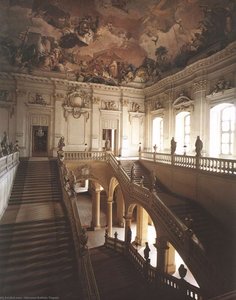
A Tuscan Sun Illuminates Roman Grandeur: Exploring Pietro da Cortona’s View of the Galleria Pamphilj
The Galleria Pamphilj in Rome stands as a testament to papal patronage and artistic ambition, housing a breathtaking collection of Baroque masterpieces. Among these treasures is Pietro da Cortona's monumental fresco depicting a panoramic view of the gallery itself – an artwork that transcends mere representation, offering a glimpse into the opulent aesthetic sensibilities of its era and capturing the very essence of Roman Baroque grandeur. Completed in 1651 during the reign of Pope Innocent X Pamphili, this painting isn’t simply documenting a space; it's crafting an experience for the viewer, mirroring the grandeur intended to impress visitors and solidify papal authority.Style and Technique: Mastering Illusion and Light
Cortona’s masterful technique exemplifies the Baroque preoccupation with illusionism – a deliberate effort to deceive the eye and create a sense of depth and realism unattainable through earlier Renaissance styles. He employed *trompe l'oeil*, skillfully blending painted surfaces with architectural elements, blurring the boundaries between reality and artifice. The artist meticulously studied perspective, utilizing aerial perspective to render distant objects paler and less defined, enhancing the illusion of vastness within the gallery walls. Furthermore, Cortona’s masterful use of chiaroscuro – dramatic contrasts between light and shadow – sculpts form and directs the viewer's gaze, emphasizing key architectural features and highlighting the luminous glow emanating from the central chandelier. This technique wasn’t merely aesthetically pleasing; it served a crucial communicative purpose, reinforcing the impression of monumental scale and divine splendor.Historical Context: Papal Power and Artistic Expression
The Galleria Pamphilj was conceived as a symbol of papal prestige during Innocent X's papacy – a period marked by political maneuvering and religious fervor. Cortona’s commission reflects the broader trend of papal patronage supporting ambitious artistic projects designed to elevate Rome’s status as the spiritual capital of Christendom. The fresco served as part of a larger effort to decorate the gallery with artworks celebrating papal piety and commemorating important liturgical events. It stands alongside other masterpieces by Caravaggio, Bernini, and Borromee, forming an unrivaled ensemble that embodies the artistic fervor of the Baroque period. Cortona’s work is inextricably linked to the political climate of Rome, demonstrating how art could be deployed as a tool for asserting power and shaping public perception.Symbolism: Light, Glory, and Divine Presence
Beyond its technical brilliance, Cortona's fresco resonates with profound symbolic meaning. The chandelier, positioned at the apex of the ceiling, represents divine illumination – symbolizing God’s grace and guiding light illuminating the earthly realm. Its radiant glow underscores the gallery’s purpose as a sacred space dedicated to worship. Similarly, the architectural details—the ornate cornices, gilded moldings, and expansive windows—evoke images of imperial grandeur and reinforce the impression of limitless power. Cortona skillfully employs visual cues to convey spiritual aspiration and elevate the viewer's consciousness, aligning with the Baroque’s desire to inspire awe and reverence.Emotional Impact: Capturing Roman Majesty
Looking upon Cortona’s View of the Galleria Pamphilj is akin to stepping into a realm of sublime beauty—a space imbued with palpable energy and grandeur. The artist succeeds in transporting the viewer beyond mere observation, inviting contemplation on the magnificence of papal Rome and the transformative power of art. The painting's luminous palette and masterful composition evoke feelings of awe and reverence, mirroring the emotional response elicited by other Baroque masterpieces. It remains a powerful reminder that art can transcend time, capturing not only visual splendor but also the spirit of an era defined by ambition, faith, and artistic innovation—a legacy that continues to inspire admiration centuries later.Ähnliche Kunstwerke
Über den Künstler
Frühes Leben und Ausbildung
Pietro da Cortona, geboren als Pietro Berrettini, war ein italienischer Barockmaler und Architekt aus Cortona, Toskana (1596-1669). Er erhielt seine erste künstlerische Ausbildung unter Andrea Commodi in Florenz, bevor er um 1612/13 nach Rom zog, wo er dem Atelier von Baccio Ciarpi beitrat.Wichtige Werke und Aufträge
* Das Werk „Das Opfer der Polyxena“, „Der Triumph des Bacchus“ und „Die Entführung der Sabinerin“ (1626) für die Familie Sacchetti. * Fresken in der Kirche Santa Bibiana (1624-1626), unter der Leitung von Bernini. * Die Allegorie göttlicher Vorsehung und Barberini Macht (1633) im Palazzo Barberini, ein Wendepunkt in der Barockmalerei.Künstlerischer Stil und Einflüsse
Pietro da Cortonas Werke zeichnen sich durch grandiose Themen und eine meisterhafte Ausführung aus. Er nutzte Trompe-l'œil Techniken, um räumliche Illusionen zu erzeugen und die Grenzen des Raumes optisch zu erweitern. Sein Stil wurde maßgeblich von Paolo Veroneses perspektivischen Werken und Tizians Farbpalette beeinflusst. Darüber hinaus zeigte er auch innovative architektonische Projekte, obwohl nur wenige davon realisiert wurden.Bedeutende Museen und Sammlungen
* Das Museo Diocesano in Cortona beherbergt Meisterwerke aus verschiedenen Kirchen und Klöstern der Region. * Das Museo dell'Opera di Santa Croce in Florenz zeigt Kunstwerke vom 14. bis zum 16. Jahrhundert.- Entdecken Sie weitere Werke von Pietro da Cortona auf ArtsDot: Pietro da Cortona | 126 Kunstwerke
- Erkunden Sie die Meisterwerke des Museo Diocesano in Cortona: Die Meisterwerke des Museo Diocesano, Cortona entdecken
- Informieren Sie sich auf Wikipedia über die italienische Barockarchitektur und ihre wichtigsten Vertreter: Pietro da Cortona
Vermächtnis und Bedeutung
Pietros innovativer Stil und seine einflussreichen Werke haben einen bleibenden Eindruck in der Welt der Barockmalerei und Architektur hinterlassen. Seine Verwendung von Trompe-l'œil und die Darstellung monumentaler Themen inspirieren bis heute Künstler und Architekten. Wichtige Daten: * 1596: Geburt in Cortona, Toskana * 1612/3: Umzug nach Rom * 1624-1626: Fresken in der Kirche Santa Bibiana * 1633: Fertigstellung der Allegorie göttlicher Vorsehung und Barberini Macht * 1669: Tod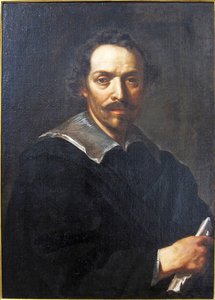
Pietro da Cortona
1596 - 1669 , Italien
Kurzinfos
- Beeinflusste Künstler:
- Andrea Sacchi
- Francesco Borromini
- Bemerkenswerte Werke:
- Das Opfer der Polyxena
- Der Triumph des Bacchus
- Die Entführung der Sabinerin
- Einflussreiche Künstler:
- Paolo Veronese
- Titian
- Geburtsdatum: 1596
- Geburtsort: Cortona, Italien
- Künstlerischer Stil: Barockmalerei
- Nationalität: Italienisch
- Todatum: 1669
- Vollständiger Name: Pietro da Cortona
Ähnliche Artikel
Leonardo da Vinci: Die 25 Meisterwerke für Ihr Zuhause | ArtsDot
Entdecken Sie die 25 Meisterwerke von Leonardo da Vinci! Erfahren Sie faszinierende Geschichten hinter Gemälden wie der Mona Lisa & Das letzte Abendmahl. Hochwertige Reproduktionen für Ihr Zuhause – jetzt bei ArtsDot entdecken!
Pietro da Cortona: Baroque Grandeur & the Synthesis of Roman Painting
Explore the life & masterpieces of Pietro da Cortona, a defining figure of the Italian Baroque. Discover his stunning frescoes at Palazzo Barberini and lasting influence on Roman art history. Learn more with ArtsDot.

Leonardo da Vinci: Synthese von Kunst, Wissenschaft und menschlicher Beobachtung – Eine Renaissance-Meisterleistung für den Kenner
Entdecken Sie Leonardo da Vincis revolutionäre Kunst und Wissenschaft! Expertenanalyse seiner Meisterwerke, Techniken wie Sfumato & Chiaroscuro. Für Kenner und Sammler.

Barocke Pracht: Wie Sie Opulenz und Emotionen in zeitgenössische Innenräume bringen
Entdecken Sie die Pracht des Barock! Expertenratgeber für luxuriöse Innenräume mit barocken Elementen. Inspiration, Tipps & hochwertige Kunst bei .

Barock Meisterwerke: Die 10 prägendsten Kunstwerke für Ihr Zuhause |
Entdecken Sie die 10 prägendsten Meisterwerke des Barock! Caravaggio, Rembrandt & Co. – Erfahren Sie die Geschichten hinter ikonischen Gemälde und finden Sie hochwertige Kunst Reproduktionen für Ihr Zuhause auf .