 Vorschau anzeigen
 Versenden
 Teilen
 Details anzeigen

 Herunterladen
 Ähnliche Objekte
 Röntgenaufnahme
 Diashow
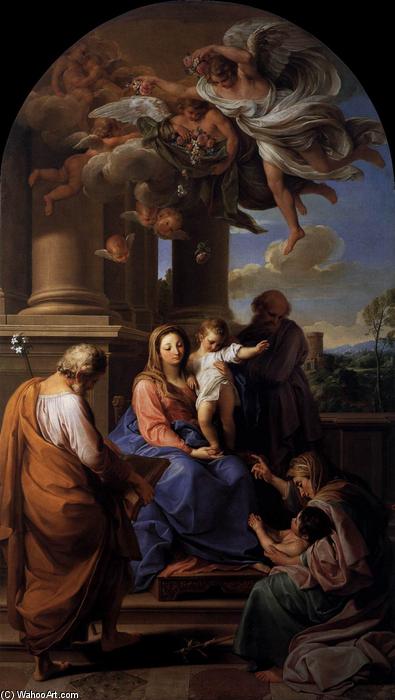
Virgin and Child with Saints
 Oil On Canvas
- WallArt
- Baroque
 403.0 x 288.0 cm
 Pinacoteca di Brera
 Weiterlesen
Giclée / Kunstdruck
Giclée- oder Leinwanddruck in Museumsqualität mit schneller Produktion und flexiblen Veredelungsoptionen. ( Handgemalte Reproduktion bestellen Bild kaufen)




P118B $10

P118H $10

P118W $10

P438Z $10

P508JH $12

P508YH $12

P805H $10

P805Z $10

P919BZ $10

P919G $10

P919XJ $10

P959ZH $10

P968JZ $12

W106C $8

W218G $10

W218JH $8

W218Y $10

W307PJ $10

W316G $10

W316PJ $8

W316Y $10

W398PJ $8

W4111J $10

W500HY $15

W500JH $15

W692G $12

W849H $8

W940BG $15

W953PJ $8




Wählen Sie aus unseren vordefinierten Formaten, die den ursprünglichen Proportionen des Kunstwerks entsprechen.

Sie können Ihre eigenen Maße eingeben, um ein bestimmtes Format oder einen speziellen Platz einzupassen. Wenn das von Ihnen gewählte Format nicht den Proportionen des Originalbildes entspricht, werden wir das Kunstwerk entweder beschneiden oder das Bild mit einem gespiegelten oder einfarbigen Rand erweitern. Ein digitaler Entwurf wird Ihnen zur Genehmigung zugesandt, bevor die Produktion beginnt.
Bitte beachten Sie, dass die Vorschau auf dem Bildschirm nicht den tatsächlichen Zuschnitt oder die Erweiterung widerspiegelt. Nur der Entwurf zeigt die endgültige Komposition präzise an.
Obwohl Sondermaße verfügbar sind, empfehlen wir die Auswahl eines Maßes aus der vordefinierten Liste, um die ursprünglichen Proportionen zu bewahren.
Weltweiter Versand () innerhalb von 2 Wochen statt der üblichen 4/5 Wochen. (21 August)

Kostenloser weltweiter Expressversand

Hochwertige Leinenleinwand

Umfassender Versicherungsschutz beim Versand

Zollgebühren-Rückerstattungsgarantie

Garantie für exakte Farbtreue

60 Tage Rückgaberecht (nur bei Mängeln)

100% Geld-zurück-Garantie

Mengenrabatt verfügbar
 Die Glasoption ist nur für Größen unter 110 cm verfügbar.

Virgin and Child with Saints
Giclée / Kunstdruck
Format der Reproduktion
-


Gesamtpreis
$ 62
Sammlerstück-Beschreibung
Pompeo Batoni’s “Virgin and Child with Saints”: A Baroque Masterpiece Illuminated
The painting "Virgin and Child with Saints," attributed to Pompeo Batoni, stands as a testament to the grandeur and spiritual fervor of the Baroque era. Executed around 1732, this monumental artwork resides within the Pinacoteca di Brera in Milan—a cornerstone institution for Italian art history—and continues to captivate viewers with its masterful composition and luminous execution. More than just a depiction of religious iconography, Batoni’s masterpiece embodies the artistic ideals prevalent during his time, reflecting influences from classical antiquity alongside emerging trends like Rococo and Bolognese Classicism. ### Artistic Style and Technique: Baroque Luminosity Batoni's distinctive style is characterized by dramatic chiaroscuro—the skillful manipulation of light and shadow—a technique perfected by artists such as Nicolas Poussin and Claude Lorrain, who championed the illusionistic representation of space. The artist meticulously crafted a scene bathed in ethereal radiance emanating from an unseen source, highlighting the Virgin Mary and Jesus Christ at the center of the composition. This radiant illumination wasn’t merely aesthetic; it served to elevate the spiritual significance of the subject matter, conveying divine grace and majesty. Batoni employed oil paint on canvas—a favored medium for Baroque artists—allowing him to achieve unparalleled tonal richness and textural detail. Brushstrokes are visible yet blended seamlessly, creating a velvety surface that enhances the illusion of depth and realism. ### Historical Context: Rome Under Bourbon Rule The painting emerged during a period of significant artistic patronage in Rome under the reign of King Ferdinand IV (“Ferrante”). The Bourbon monarchy actively supported artists and commissioned ambitious projects aimed at glorifying the papal state and reaffirming its cultural prestige. Batoni’s work reflects this climate of artistic ambition, aligning with the broader Baroque movement's preoccupation with grandeur, emotion, and theatrical presentation. Furthermore, it speaks to the burgeoning interest in humanist ideals—particularly those rooted in classical antiquity—which sought to revive Greco-Roman virtues and aesthetics as a counterbalance to the perceived moral decay of the Reformation era. ### Symbolism: Divine Maternity and Spiritual Hierarchy The composition itself is laden with symbolic meaning. The Virgin Mary, depicted seated on a throne-like structure adorned with columns and arches, symbolizes divine motherhood—a central theme in Christian theology—representing God’s compassion and nurturing care for humanity. Surrounding her are saints representing various figures from the Bible, each holding attributes that underscore their respective roles as messengers of God's grace. The inclusion of St. John the Evangelist, St. Mary Magdalene, St. Peter, and St. Elizabeth exemplifies the hierarchical structure of Christian cosmology—a visual representation of God’s eternal plan for salvation. Each saint’s gaze directs towards Christ Child, emphasizing the importance of faith and devotion in achieving spiritual enlightenment. ### Emotional Impact: Reverence and Transcendence “Virgin and Child with Saints” transcends mere visual depiction; it aspires to evoke profound emotional responses from the viewer. The luminous palette—dominated by blues and golds—creates an atmosphere of serenity and solemn reverence, transporting viewers into a realm of spiritual contemplation. Batoni’s masterful rendering of human figures imbues them with palpable emotion—expressing compassion, humility, and unwavering faith. Ultimately, the painting invites reflection on themes of divine love, maternal grace, and the enduring power of religious belief—leaving an indelible impression on anyone who encounters its breathtaking beauty.Ähnliche Kunstwerke



Über den Künstler
Frühes Leben und Ausbildung
- Geboren: Lucca, Italien (1708)
- Gestorben: 1787
- Pompeo Batoni zog 1727 nach Rom.
- Er absolvierte eine Lehre bei Agostino Masucci, Sebastiano Conca und/oder Francesco Imperiali.
- Sein erster unabhängiger Auftrag kam als Folge von Regenfällen, die Rom im April 1732 heimsuchten.
- Das Gemälde „Die Ekstase der Heiligen Katharina von Siena“ veranschaulicht seine akademische Verfeinerung des späten Barockstils.
Künstlerischer Stil und Einflüsse
- Batonis Stil ließ sich von der klassischen Antike, dem französischen Rokoko, dem Bologneser Klassizismus sowie von Künstlern wie Nicolas Poussin, Claude Lorrain und insbesondere Raffael inspirieren.
- Er gilt als Vorläufer des Neoklassizismus.
- Seine Werke befinden sich in verschiedenen Museen, darunter die Pinacoteca di Brera in Mailand, Italien.
Bemerkenswerte Werke und Aufträge
- Jungfrau und Kind mit Heiligen
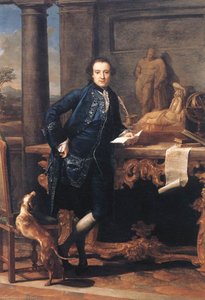
- Ein Ritter in Rom: Charles Cecil Roberts – Ein gefeiertes Porträt eines britischen Reisenden vor der Kulisse römischer Ruinen.
- Der Triumph Venedigs
- Zahlreiche Altarbilder für Kirchen in Italien, wie das Museum Duomo in Siena.
- Er war sehr gefragt für Porträts, insbesondere von britischen Reisenden auf der Grand Tour, die stehende Porträts in antiken Settings in Auftrag gaben.
Entwicklung und historische Bedeutung
- Batoni wurde nach dem Weggang seines Rivalen Anton Raphael Mengs nach Spanien im Jahr 1761 zu einem sehr gefragten Maler in Rom.
- Er freundete sich mit Winckelmann an und versuchte, den Klassizismus in seiner Malerei einzuschränken.
- Seine Porträts fingen den Geist der Grand-Tour-Ära ein und spiegelten die Faszination für die klassische Antike unter Europas Eliten wider.
- Batonis Fähigkeit, Barocktechniken mit aufkommenden neoklassizistischen Idealen zu verbinden, positionierte ihn als eine Übergangsfigur in der italienischen Kunstgeschichte.
Vermächtnis
- Pompeo Batoni starb am 4. Februar 1787 in Rom.
- Er hinterließ ein Vermächtnis als einer der renommiertesten italienischen Maler seiner Zeit.
- Seine Arbeit wird weiterhin für ihre technische Fertigkeit, eleganten Kompositionen und aufschlussreichen Darstellungen von Personen im historischen Kontext bewundert.
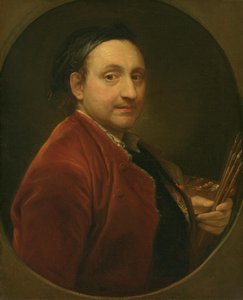
Pompeo Batoni
1708 - 1787 , Italien
Kurzinfos
- Beeinflusste Künstler:
- Nicolas Poussin
- Claude Lorrain
- Raphael
- Bemerkenswerte Werke:
- Madonna mit Kind
- A Knight in Rome
- Der Triumph Venedigs
- Geburtsdatum: 25. Januar 1708
- Geburtsort: Lucca, Italien
- Künstlerischer Stil: Neoklassizismus
- Nationalität: Italienisch
- Sterbedatum: 4. Februar 1787
- Vollständiger Name: Pompeo Girolamo Batoni
Ähnliche Artikel
From Grandeur to Grace: Exploring the Evolution of Baroque & Rococo Art
Explore the captivating evolution from Baroque's drama to Rococo's grace! Discover key artists, characteristics & lasting influence of these art movements with expert insights at ArtsDot.

Rococo Meisterwerke: Die Top 10, die eine Epoche prägten |
Entdecken Sie die Top 10 Rokoko Meisterwerke von Watteau, Boucher & Fragonard! Erfahren Sie die Geschichten hinter diesen ikonischen Gemälden und lassen Sie sich für Ihre Inneneinrichtung inspirieren. Hochwertige Kunstdrucke auf .

The Rococo Aesthetic: Opulence, Rebellion & the Pursuit of Pleasure in 18th-Century Art
Explore the opulent world of Rococo art! Discover its origins, key artists like Watteau & Boucher, and lasting influence on design. Expert insights for collectors & enthusiasts.
Decoding Baroque Grandeur: A Guide to the Drama and Emotion of 17th-Century Art
Explore the breathtaking drama of 17th-century Baroque art. Our expert guide decodes the use of chiaroscuro, emotional intensity, and historical grandeur to help you appreciate and curate timeless masterpieces for your collection.

The Dramatic Flourish: Exploring the Baroque Movement's Enduring Legacy in Art History
Explore the dramatic world of Baroque art! Discover iconic artists like Caravaggio & Rubens, defining techniques, and its lasting impact on art history. Expert insights for collectors & enthusiasts at ArtsDot.