 Vorschau anzeigen
 Versenden
 Teilen
 Details anzeigen

 Herunterladen
 Ähnliche Objekte
 Röntgenaufnahme
 Diashow
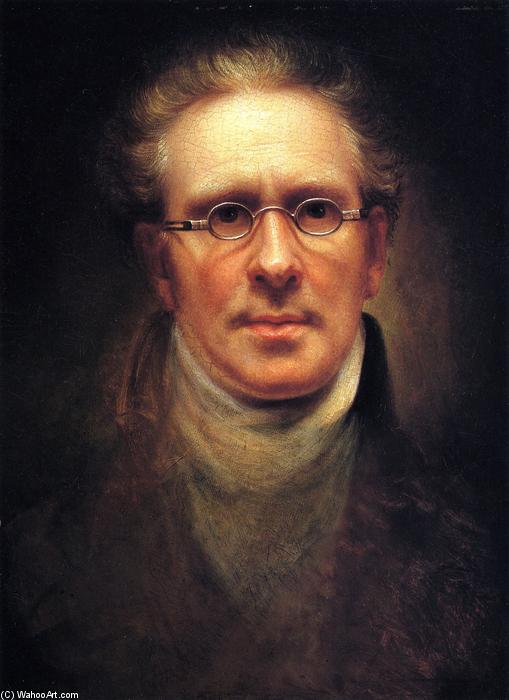
Self Portrait


 Weiterlesen
Handgefertigte Ölreproduktion
Handgemaltes Ölgemälde auf Leinwand in Ihrer Wunschgröße und mit Rahmen, auf Bestellung von unseren Künstlern angefertigt. ( Druck bestellen Bild kaufen)




P118B $10

P118H $10

P118W $10

P438Z $10

P508JH $12

P508YH $12

P805H $10

P805Z $10

P919BZ $10

P919G $10

P919XJ $10

P959ZH $10

P968JZ $12

W106C $8

W218G $10

W218JH $8

W218Y $10

W307PJ $10

W316G $10

W316PJ $8

W316Y $10

W398PJ $8

W4111J $10

W500HY $15

W500JH $15

W692G $12

W849H $8

W940BG $15

W953PJ $8




Wählen Sie aus unseren vordefinierten Formaten, die den ursprünglichen Proportionen des Kunstwerks entsprechen.

Sie können Ihre eigenen Maße eingeben, um einen bestimmten Rahmen oder Platz auszufüllen. Wenn die gewählte Größe nicht den Proportionen des Originalbildes entspricht, werden wir das Kunstwerk entweder beschneiden oder das Gemälde durch zusätzliche, handgemalte Elemente erweitern. Ein digitales Mockup wird Ihnen zur Genehmigung zugesandt, bevor die Produktion beginnt.
Bitte beachten Sie, dass die Bildschirmvorschau nicht die tatsächliche Beschneidung oder Erweiterung widerspiegelt. Nur das Mockup zeigt die endgültige Komposition exakt an.
Obwohl Sondermaße verfügbar sind, empfehlen wir, eine Größe aus der vordefinierten Liste zu wählen, um die ursprünglichen Proportionen beizubehalten.
Nach der Bestellung wird das ArtsDot.com-Team dem Kunden Anweisungen per E-Mail zusenden und eine Mockup-Vorschau bereitstellen.
Weltweiter Versand () in nur 3 bis 4 Wochen statt der üblichen 5 Wochen. (20 August). Keine Kompromisse bei der Qualität.

Kostenloser weltweiter Expressversand

Hochwertige Leinenleinwand

Umfassender Versicherungsschutz beim Versand

Zollgebühren-Rückerstattungsgarantie

Garantie für exakte Farbtreue

60 Tage Rückgaberecht (nur bei Mängeln)

100% Geld-zurück-Garantie

Mengenrabatt verfügbar
 Die Glasoption ist nur für Größen unter 110 cm verfügbar.

Self Portrait
Art der Reproduktion
Format der Reproduktion
-


Gesamtpreis
$ 263
Beschreibung des Kunstwerks
A Window into the Soul: Rembrandt Peale’s Self-Portrait
Rembrandt Peale's 1828 “Self-Portrait” isn’t merely a likeness; it’s a carefully constructed meditation on identity, artistry, and the burgeoning American spirit of the early 19th century. Housed within the Detroit Institute of Arts, this oil painting offers a remarkably intimate glimpse into the mind of a pivotal figure in American art history – a man grappling with his legacy, his craft, and the evolving role of the artist within a rapidly changing nation.
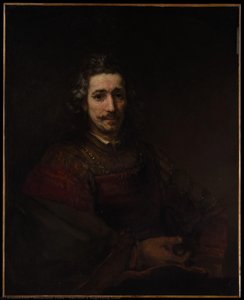
The portrait immediately draws the eye to Peale’s face: a study in weathered wisdom, framed by a neatly trimmed white beard and a pair of spectacles perched upon his nose. His expression is not one of grand pronouncements or theatrical display, but rather a quiet contemplation – a subtle hint of melancholy mingled with an undeniable sense of self-assuredness. The lighting, masterfully rendered, casts a warm glow across his features, highlighting the lines etched by time and experience, suggesting a life richly lived and deeply considered. Notice how Peale’s gaze meets the viewer's directly, creating a powerful connection that transcends centuries.
Neoclassical Precision Meets American Character
Peale’s style firmly anchors this portrait within the Neoclassical tradition, a movement that sought to revive the ideals and aesthetics of ancient Greece and Rome. The composition is meticulously balanced, with the artist positioned centrally against a dark, neutral background – a deliberate choice that directs all attention onto his figure. The brushwork is smooth and controlled, reflecting Peale’s technical skill and dedication to realism. However, there's an underlying sense of informality, a departure from the rigid formality often associated with Neoclassical portraiture. Peale isn’t striving for idealized perfection; he presents himself as a man – flawed, thoughtful, and undeniably human.
Crucially, this self-portrait emerged during a period of significant transformation in America. The early 1820s witnessed the rise of national identity, fueled by westward expansion and a desire to forge a distinct American culture. Peale himself was deeply involved in this cultural project, serving as founder and curator of the Philadelphia Museum (later the Franklin Institute), and later establishing his own museum in Baltimore. His art played a vital role in shaping public perceptions of history, science, and national pride. This self-portrait can be seen as an embodiment of that ambition – a conscious effort to document and celebrate the American experience.
Symbolism and Subtle Details
Beyond the immediate likeness, the portrait is laden with subtle symbolic details. The spectacles, for instance, represent not just Peale’s eyesight but also his intellectual curiosity and commitment to observation – qualities essential to both an artist and a scientist. The tie, neatly knotted around his neck, speaks to his professional standing and adherence to societal norms. But perhaps the most intriguing element is the inclusion of a geranium in a terracotta pot—a detail that has sparked considerable scholarly debate. Some interpret it as a symbol of domesticity and family life, reflecting Peale’s role as a husband and father. Others suggest it represents an early experiment with botanical illustration, aligning with Peale's broader interests in natural history.
The painting’s provenance—its journey through the hands of his family, including Rubens Peale, his brother, a fellow artist—adds another layer of significance. It speaks to the enduring legacy of the Peale family and their contribution to American art and culture. It's a testament to the power of portraiture to capture not just appearances but also the essence of an individual’s life and spirit.
Bringing the Portrait Home
ArtsDot offers meticulously crafted hand-painted reproductions of Rembrandt Peale’s “Self-Portrait,” allowing you to bring this iconic work into your own space. Each reproduction is created by skilled artisans using traditional techniques, ensuring that every detail – from the subtle nuances of Peale's expression to the rich texture of the oil paint – is faithfully preserved. Whether displayed in a formal study or a vibrant living room, this stunning artwork will serve as a timeless reminder of the enduring power of art and the complexities of the human spirit.
Ähnliche Kunstwerke

Über den Künstler
Frühes Leben und Ausbildung
Rembrandt Peale, ein amerikanischer Künstler und Museumsverwalter, wurde am 22. Februar 1778 im Bucks County, Pennsylvania, geboren. Er war das dritte von sechs überlebenden Kindern seiner Mutter, Rachel Brewer, und seines Vaters, Charles Willson Peale, einem bekannten Künstler. Rembrandts Name wurde von dem niederländischen Maler und Radierer des 17. Jahrhunderts Rembrandt Harmenszoon van Rijn inspiriert. Sein Vater unterrichtete alle seine Kinder im Malen von Landschaften und Porträts und bildete Rembrandt in den Künsten und Wissenschaften aus.Künstlerische Karriere
Peales Stil wurde nach einem Aufenthalt in Paris in seinen frühen Dreißigern vom französischen Neoklassizismus beeinflusst. Er begann im Alter von 8 Jahren zu zeichnen und fertigte mit 13 Jahren sein erstes Selbstporträt an, das seine frühe Meisterschaft demonstrierte. Peales produktive Karriere umfasste über 70 detaillierte Repliken, darunter Porträts der Präsidenten George Washington und Thomas Jefferson.- Bemerkenswerte Werke:
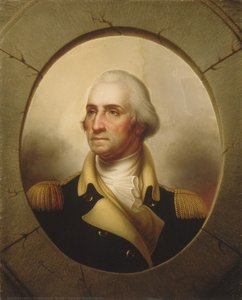
- George Washington (Schleusenöffnungstyp) (1795), jetzt in der National Portrait Gallery (London, Vereinigtes Königreich), [https://ArtsDot.com/@@/d44spg-rembrandt-peale-george-washington-(porthole-type)](Gemälde von 'Rembrandt Peale' | Rembrandt Peale: George Washington (Schleusenöffnungstyp))
- Mann mit Bart (ungefähr), [https://ArtsDot.com/@@/d329cc-rembrandt-peale-man-with-a-beard](Gemälde von 'Rembrandt Peale' | Rembrandt Peale: Mann mit Bart)
- Porträt des Rev. John Pierpont (1785-1866), [https://ArtsDot.com/@@/d4nqk5-rembrandt-peale-portrait-of-the-rev-john-pierpont-(1785-1866)](Gemälde von 'Rembrandt Peale' | Rembrandt Peale: Porträt des Rev. John Pierpont (1785-1866))
Museum und Vermächtnis
Peale eröffnete sein erstes Museum am 15. August 1814 in Baltimore, Maryland, das später als zweites Baltimore City Hall diente und schließlich als Peale Museum restauriert wurde. Sein Vermächtnis wird weiterhin durch seine zahlreichen Porträts gefeiert, die sich jetzt in verschiedenen Museumsbeständen befinden, darunter die National Portrait Gallery (Washington, Vereinigte Staaten), [https://ArtsDot.com/@/rembrandt-peale](Künstler: Rembrandt Peale | 243 Kunstwerke).Schlussfolgerung
Rembrandt Peales produktive Karriere als amerikanischer Künstler und Museumsverwalter hat einen bleibenden Eindruck in der Kunstwelt hinterlassen. Seine zahlreichen Porträts, darunter die von George Washington und Thomas Jefferson, werden weiterhin für ihre historische Bedeutung und ihren künstlerischen Wert gefeiert.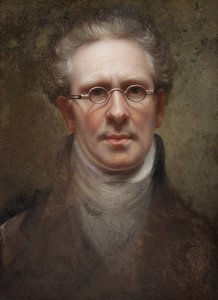
Rembrandt Peale
1778 - 1860 , Vereinigte Staaten von Amerika
Kurzinfos
- Bemerkenswerte Werke:
- George Washington (Porthole-Typ)
- Man mit Bart
- Porträt von Rev. John Pierpont
- Geburtsdatum: 22. Februar 1778
- Geburtsort (Stadt, Land): Bucks County, USA
- Künstler, Die Diesen Künstler Beeinflussten:
- Charles Willson Peale
- Rembrandt Harmenszoon van Rijn
- Künstlerische Bewegung/Stil: Neoklassizismus
- Nationalität: Amerikanisch
- Sterbedatum: 1860
- Vollständiger Name: Rembrandt Peale
Ähnliche Artikel

Rembrandts Meisterwerke: Die Top 25 Kunstwerke für Ihr Zuhause | ArtsDot
Entdecken Sie Rembrandts 25 berühmteste Kunstwerke! Tauchen Sie ein in die Welt des Barock, Licht und Schatten & historischer Porträts. Hochwertige Reproduktionen für Ihr Zuhause – jetzt auf ArtsDot.com!
Charles Willson Peale: Porträtmalerei, Aufklärungsideale und die Gestaltung amerikanischer Identität
Entdecken Sie das Leben und Werk von Charles Willson Peale – Porträtmaler, Naturforscher und Begründer des ersten amerikanischen Museums. Erfahren Sie mehr über seine Bedeutung für die Kunstgeschichte der USA und die Ideale der Aufklärung.
Die 25 Meisterwerke des Detroit Institute of Arts: Kunst für Ihr Zuhause | ArtsDot
Entdecken Sie die 25 ikonischsten Kunstwerke des Detroit Institute of Arts! Von Van Gogh bis Monet – erleben Sie Geschichten, Techniken & Farben. Hochwertige Kunstdrucke und Reproduktionen für Ihr Zuhause auf ArtsDot.com.
Grant Wood und der amerikanische Regionalismus: Identität, Mythos und die ländliche Landschaft
Entdecken Sie Grant Wood und den amerikanischen Regionalismus! Erfahren Sie mehr über 'American Gothic', Woods Leben, Einflüsse und sein Vermächtnis in der Kunstgeschichte. Expertenwissen & hochwertige Reproduktionen.
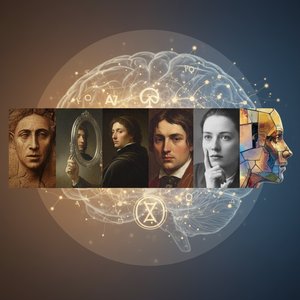
Reflecting the Self: A History of Portraiture & Psychological Insight
Explore the fascinating history of self-portraiture from Renaissance masters like Dürer & Rembrandt to modern interpretations. Discover the psychological insights and artistic techniques behind these iconic works. Expert analysis for art enthusiasts.