 Vorschau anzeigen
 Versenden
 Teilen
 Details anzeigen

 Herunterladen
 Ähnliche Objekte
 Röntgenaufnahme
 Diashow
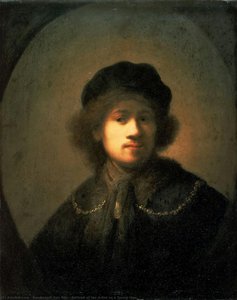
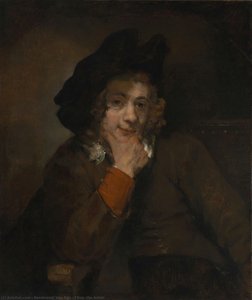
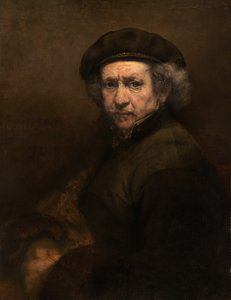
Selbstporträt des Künstlers mit einer Fliege


 Weiterlesen
Giclée / Kunstdruck
Giclée- oder Leinwanddruck in Museumsqualität mit schneller Produktion und flexiblen Veredelungsoptionen. ( Handgemalte Reproduktion bestellen Bild kaufen)




P118B $10

P118H $10

P118W $10

P438Z $10

P508JH $12

P508YH $12

P805H $10

P805Z $10

P919BZ $10

P919G $10

P919XJ $10

P959ZH $10

P968JZ $12

W106C $8

W218G $10

W218JH $8

W218Y $10

W307PJ $10

W316G $10

W316PJ $8

W316Y $10

W398PJ $8

W4111J $10

W500HY $15

W500JH $15

W692G $12

W849H $8

W940BG $15

W953PJ $8




Wählen Sie aus unseren vordefinierten Formaten, die den ursprünglichen Proportionen des Kunstwerks entsprechen.

Sie können Ihre eigenen Maße eingeben, um ein bestimmtes Format oder einen speziellen Platz einzupassen. Wenn das von Ihnen gewählte Format nicht den Proportionen des Originalbildes entspricht, werden wir das Kunstwerk entweder beschneiden oder das Bild mit einem gespiegelten oder einfarbigen Rand erweitern. Ein digitaler Entwurf wird Ihnen zur Genehmigung zugesandt, bevor die Produktion beginnt.
Bitte beachten Sie, dass die Vorschau auf dem Bildschirm nicht den tatsächlichen Zuschnitt oder die Erweiterung widerspiegelt. Nur der Entwurf zeigt die endgültige Komposition präzise an.
Obwohl Sondermaße verfügbar sind, empfehlen wir die Auswahl eines Maßes aus der vordefinierten Liste, um die ursprünglichen Proportionen zu bewahren.
Weltweiter Versand () innerhalb von 2 Wochen statt der üblichen 4/5 Wochen. (27 August)

Kostenloser weltweiter Expressversand

Hochwertige Leinenleinwand

Umfassender Versicherungsschutz beim Versand

Zollgebühren-Rückerstattungsgarantie

Garantie für exakte Farbtreue

60 Tage Rückgaberecht (nur bei Mängeln)

100% Geld-zurück-Garantie

Mengenrabatt verfügbar
 Die Glasoption ist nur für Größen unter 110 cm verfügbar.

Selbstporträt des Künstlers mit einer Fliege
Giclée / Kunstdruck
Format der Reproduktion
-


Gesamtpreis
$ 62
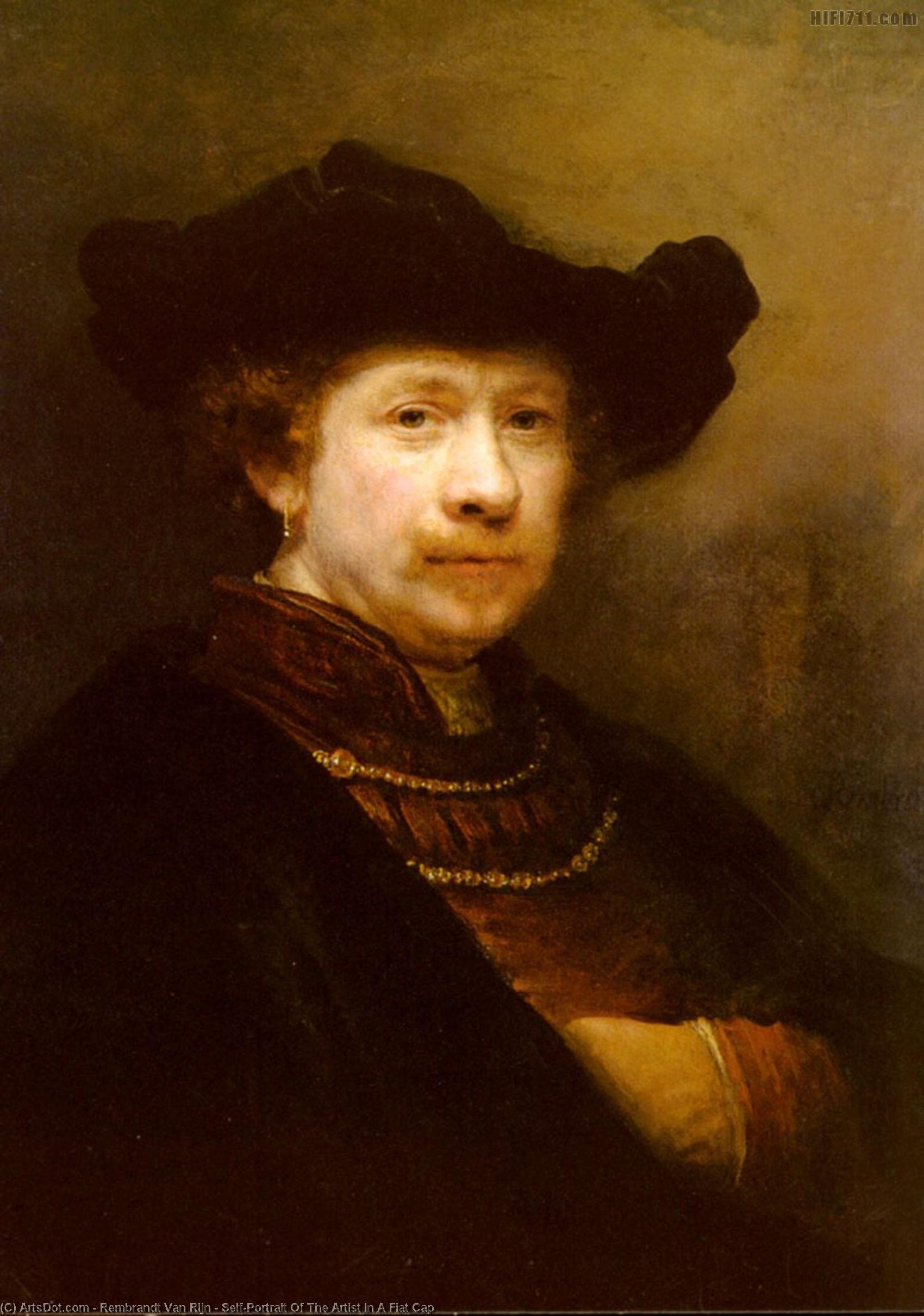
Rembrandt’s Introspective Gaze: A Deep Dive into “Self-Portrait in a Flat Cap”
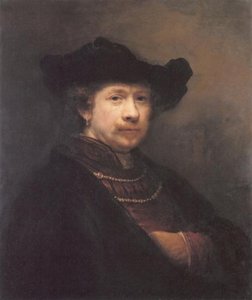
Rembrandt van Rijn, one of the most profoundly influential figures in Western art history, possessed an uncanny ability to distill the very essence of human experience onto canvas. His self-portraits are not merely depictions of his own likeness; they’re windows into his soul—a meticulously crafted exploration of identity, emotion, and the fleeting nature of time. Among these remarkable works, “Self-Portrait in a Flat Cap” (circa 1642), currently residing within the hallowed halls of the Mauritshuis in The Hague, stands as a particularly poignant example of his genius. This painting transcends the simple act of self-representation, offering a glimpse into the artist’s inner world and showcasing his mastery of light, shadow, and psychological depth.
The scene itself is deceptively straightforward: Rembrandt, clad in a dark, unassuming flat cap – a detail that immediately draws the eye and lends an air of quiet dignity – confronts the viewer with an intense, unwavering gaze. His face, etched with the subtle lines of age and experience, is illuminated by a dramatic light source originating from above, casting deep, theatrical shadows across his features. This masterful manipulation of chiaroscuro—the interplay between light and dark—is not merely a technical flourish; it’s fundamental to the painting's emotional impact. The stark contrast emphasizes Rembrandt’s brow, highlighting his thoughtful expression, while simultaneously concealing much of his face in shadow, creating an aura of mystery and introspection.
- The Composition: The arrangement is remarkably simple yet powerfully effective. Rembrandt deliberately positions himself slightly off-center, drawing the viewer's attention to his eyes – the focal point of the entire composition.
- The Clothing: The flat cap itself is a significant element. It’s not an ostentatious accessory but rather a symbol of practicality and perhaps even a touch of melancholy—a subtle acknowledgment of the realities of life beyond the studio.
- The Background: A blurred, indistinct painting in the background adds to the sense of depth and suggests a world outside Rembrandt's immediate focus, hinting at his thoughts and reflections.
A Masterclass in Light and Shadow – The Technique
Rembrandt’s genius lay not just in capturing likeness but in conveying atmosphere and emotion through his innovative use of light and shadow. In “Self-Portrait in a Flat Cap,” he employs a technique known as *tenebrism*, where strong contrasts between light and dark dominate the scene, creating a dramatic and theatrical effect. He achieves this by layering thin glazes of paint, building up color gradually to create subtle gradations of tone. The brushstrokes themselves are loose and expressive, contributing to the painting’s overall sense of movement and vitality.
Notice how Rembrandt uses light not just to illuminate but also to sculpt his features. The highlights on his cheekbones and forehead give them volume and definition, while the shadows deepen the recesses of his eyes and mouth, conveying a profound sense of sadness or contemplation. This masterful control over light is what elevates this painting from a simple portrait to a powerful psychological study.
Historical Context and Rembrandt’s Life
To fully appreciate “Self-Portrait in a Flat Cap,” it's essential to understand the historical context in which it was created. The painting dates back to a period of significant personal and professional upheaval for Rembrandt. He had recently moved from Leiden to Amsterdam, seeking greater opportunities as a painter, and his marriage to Saskia van Uylenburgh was proving challenging. Despite these difficulties, Rembrandt continued to produce some of his most iconic works during this time—a testament to his unwavering artistic spirit.
Rembrandt’s self-portraits are particularly revealing of this period. They offer a glimpse into the artist's evolving sense of self and his complex emotional landscape. “Self-Portrait in a Flat Cap” is often interpreted as a reflection on aging, mortality, and the burdens of fame—themes that preoccupied Rembrandt throughout his life.
Owning a Piece of Art History – High-Quality Reproductions
At ArtsDot.com, we are dedicated to preserving and celebrating the legacy of master artists like Rembrandt. We offer meticulously crafted hand-painted oil reproductions of “Self-Portrait in a Flat Cap,” capturing every nuance and detail of the original painting with unparalleled accuracy. Our skilled artisans use only the finest materials – archival-quality canvas, pigments, and brushes – to create stunning replicas that will grace your home or office for generations to come.
These reproductions are not mere copies; they are works of art in their own right, imbued with the spirit and emotion of Rembrandt’s original masterpiece. Explore our collection at https://ArtsDot.com and bring a touch of Dutch Golden Age brilliance into your life.
Ähnliche Kunstwerke
![Selbstbildnis [1640] — Rembrandt Van Rijn, Baroque](/media/artworks/images-thumb/4d/2c/4d2c017674d338c266f0d6b5df87d248.jpg)
Über den Künstler
Rembrandt van Rijn: Leben & Erbe
Frühes Leben und Ausbildung (1606-1625)
- Rembrandt Harmenszoon van Rijn wurde am 15. Juli 1606 in Leiden, Niederlande – einem geschäftigen Zentrum der Holländischen Republik im Goldenen Zeitalter – geboren.
- Sein Vater, Harmen Gerritszoon van Rijn, war Müller, und seine Mutter, Neeltgen Willemsdochter van Zuytbrouck, stammte aus einer Familie von Bäckerinnen. Dies ermöglichte Rembrandt den Zugang zur Bildung an der Lateinschule in Leiden.
- Um 1620 begann er eine Lehre bei Jacob van Swanenburg in Leiden.
- Ein entscheidender sechsmonatiger Zeitraum (1624) wurde unter Pieter Lastman in Amsterdam verbracht, dessen dramatische Verwendung von Licht und Schatten Rembrandts frühe Arbeit nachhaltig beeinflusste.
- Nach seiner Rückkehr nach Leiden gründete er um 1625 sein eigenes Atelier, das er mit dem Künstler Jan Lievens teilte.
Früher Karriere und Umzug nach Amsterdam (1625-1642)
- Rembrandt erlangte schnell in Leiden Anerkennung für seine historischen Gemälde und Porträts.
- Im Jahr 1629 profitierte er vom Gönnertum von Constantijn Huygens und erhielt Aufträge vom Haagischen Hof – ein Wendepunkt in seiner Karriere.
- Er zog 1631 nach Amsterdam und wurde als erfolgreicher Porträtist tätig, der wohlhabende Kunden anzog.
- Im Jahr 1634 heiratete er Saskia van Uylenburgh, die Tochter eines einflussreichen Juristen und Bürgermeisters, wodurch er gesellschaftlichen Einfluss und anfängliche finanzielle Stabilität erlangte.
Künstlerische Entwicklung und Stil
- Rembrandts künstlerische Entwicklung war durch ständige Experimente gekennzeichnet. Er ging von idealisierten Formen ab zu realistischen und emotional ausdrucksstarken Darstellungen.
- Frühes Zeitalter (ca. 1625-1635): Geprägt von detaillierter Realismus und dem Einfluss von Lastman.
- Reifes Zeitalter (ca. 1635-1650er): Charakterisiert durch die meisterhafte Verwendung von *Chiaroscuro* – dramatischem Licht und Schatten, das psychische Tiefe erzeugt. Seine Pinselstrichführung wurde lockerer und vermittelte Textur und Emotion.
- Spätes Zeitalter (ca. 1650er-1669): Eine Rückkehr zu einer gedämpfteren Farbpalette, die sich auf intime Porträts und biblische Szenen konzentrierte, die persönliche Kämpfe und spirituelle Reflexionen widerspiegeln.
Wichtige Werke und Leistungen
- Die Anatomie-Vorlesung von Dr. Nicolaes Tulp (1632): Pionierhaftes Gruppenporträt, das menschliche Anatomie und Persönlichkeit zeigt.
- Belshazzars Festmahl (1635): Dramatische biblische Szene, die meisterhafte Verwendung von Licht, Schatten und Komposition demonstriert.
- Die Wache (1642) – offiziell Militärkompanie des Bezirks II unter dem Kommando von Kapitän Frans Banninck Cocq: Ein dynamisches Gruppenporträt, das das Genre mit innovativer Komposition und Beleuchtung neu definierte.
- Selbstporträts: Ungefähr 40 Selbstporträts, die ein einzigartiges visuelles Zeugnis seines Alterns und seiner künstlerischen Vision bieten.
Einflüsse und Vermächtnis
- Italienische Meister: Studierte Werke von Titian, Caravaggio durch Drucke und Reproduktionen.
- Caravaggio: Die dramatische Verwendung von Licht und Schatten hatte einen tiefgreifenden Einfluss auf Rembrandts Stil.
- Niederländische und flämische Künstler: Von zeitgenössischen Künstlern beeinflusst, die in der Holländischen Republik und Flandern wirkten.
- Rembrandt revolutionierte das Porträtmalerei, erhob die Radierung zu einer Kunstform von Rang und erforschte tiefgründige psychologische Themen.
- Trotz persönlicher Tragödien und finanzieller Schwierigkeiten dauerte sein Ruf an. Er gilt heute als Eckpfeiler der holländischen Kunst und als universelles Symbol des künstlerischen Genies.
Historische Bedeutung
- Rembrandts Werk spiegelt den Geist der Holländischen Goldenen Zeit wider – wirtschaftliche Prosperität, intellektuelles Aufblühen und künstlerische Innovation.
- Er erfasste die Essenz dieser Epoche durch Porträts, biblische Szenen, die bei den Zuschauern Anklang fanden, und die Erforschung universeller menschlicher Emotionen.
- Seine Lebensgeschichte – geprägt von Erfolg und Widrigkeiten – hat ihn zu einer faszinierenden Figur in der Kunstgeschichte gemacht. Er bleibt ein dauerhaftes Symbol für Hingabe zum Handwerk, selbst inmitten persönlicher Herausforderungen. Rembrandts Einfluss auf nachfolgende Generationen von Künstlern ist unermesslich.
Rembrandt van Rijn
1606 - 1669 , Niederlande
Kurzinfos
- Beeinflusste Künstler:
- Pieter Lastman
- Caravaggio
- Italienische Meister
- Bemerkenswerte Werke:
- Anatomie-Vorlesung Dr. Tulp
- Belshazzars Festmahl
- Die Nachtwache
- Selbstporträts
- Geburtsdatum: 15. Juli 1606
- Geburtsort: Leiden, Niederlande
- Künstlerische Richtung: Barockmalerei
- Nationalität: Niederländisch
- Sterbedatum: 1669
- Vollständiger Name: Rembrandt van Rijn
Ähnliche Artikel

Rembrandts Meisterwerke: Die Top 25 Kunstwerke für Ihr Zuhause | ArtsDot
Entdecken Sie Rembrandts 25 berühmteste Kunstwerke! Tauchen Sie ein in die Welt des Barock, Licht und Schatten & historischer Porträts. Hochwertige Reproduktionen für Ihr Zuhause – jetzt auf ArtsDot.com!

Die 10 Meisterwerke des Goldenen Zeitalters der niederländischen Malerei |
Entdecken Sie die 10 Meisterwerke des Niederländischen Goldenen Zeitalters! Von Rembrandt bis Vermeer – erleben Sie Kunstgeschichte, Techniken & Emotionen. Hochwertige Gemäldereproduktionen für Ihr Zuhause auf .
Rembrandt van Rijn: Licht und Schatten der Seele – Innovation, Emotion und das niederländische Goldene Zeitalter
Entdecken Sie Rembrandts revolutionäre Kunst! Erfahren Sie mehr über das Goldene Zeitalter, die Meisterschaft des Chiaroscuro und seine tiefgründigen Porträts. Expertenwissen & hochwertige Reproduktionen auf ArtsDot.

Die 10 Meisterwerke der niederländischen Barockmalerei – Kunst für Ihr Zuhause | ArtsDot
Entdecken Sie die 10 prägendsten Meisterwerke der niederländischen Barockmalerei! Von Rembrandt bis Vermeer – erleben Sie Kunstgeschichte, Techniken & Emotionen. Hochwertige Reproduktionen für Ihr Zuhause auf ArtsDot.com.

Illuminating Innovation: Exploring the Dutch Golden Age of Painting
Explore the Dutch Golden Age of painting with ArtsDot. Discover Rembrandt, Vermeer & other Masters. Learn about key characteristics, iconic artworks, and lasting influence. Expert insights for collectors & enthusiasts.