 Vorschau anzeigen
 Versenden
 Teilen
 Details anzeigen

 Herunterladen
 Ähnliche Objekte
 Röntgenaufnahme
 Diashow
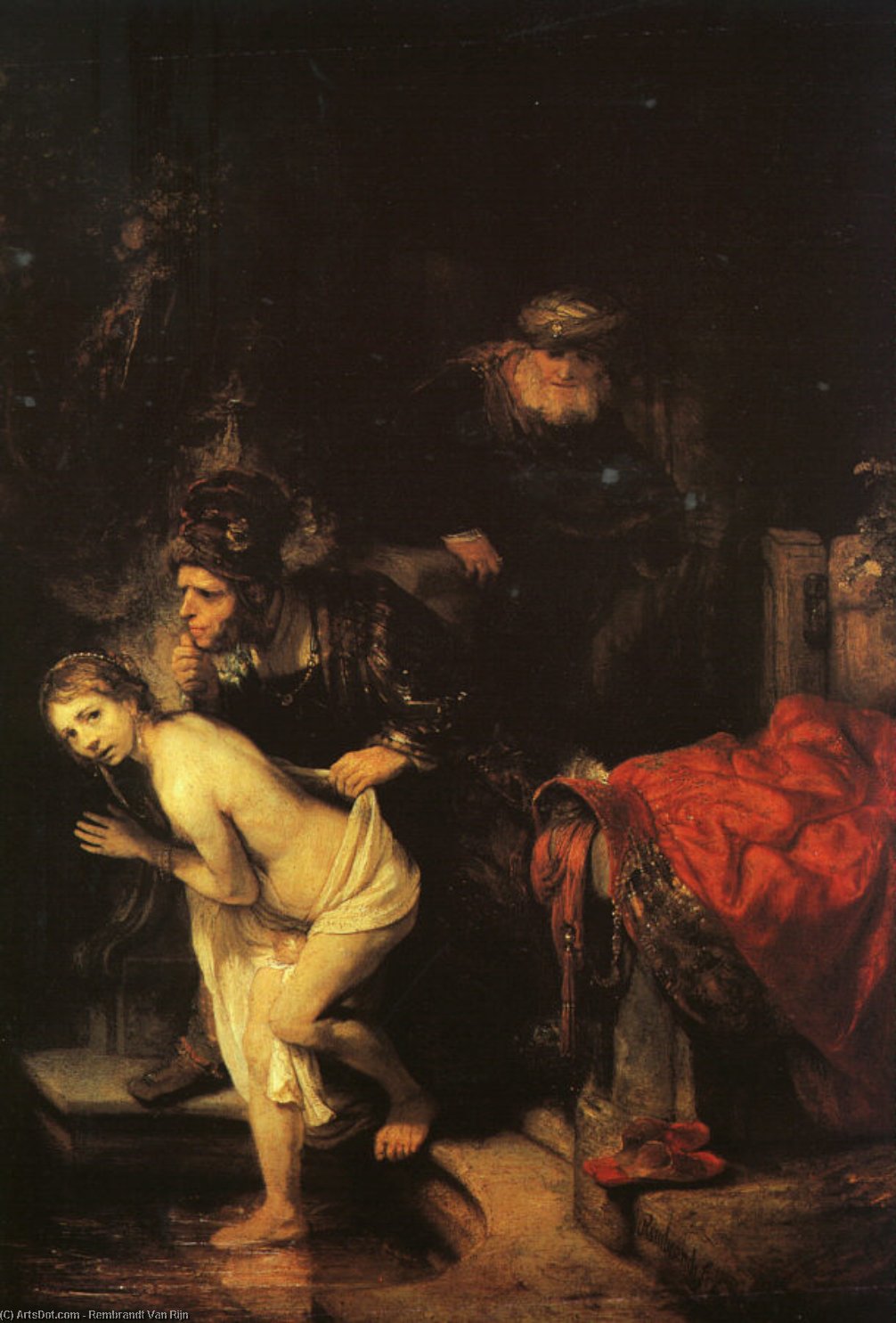
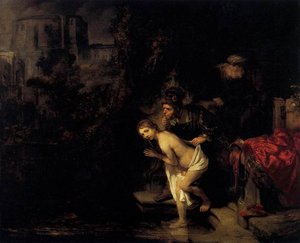
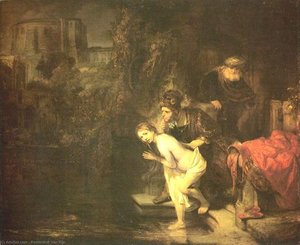
Susanna und die Älteren (Detail)


 Weiterlesen
Handgefertigte Ölreproduktion
Handgemaltes Ölgemälde auf Leinwand in Ihrer Wunschgröße und mit Rahmen, auf Bestellung von unseren Künstlern angefertigt. ( Druck bestellen Bild kaufen)




P118B $10

P118H $10

P118W $10

P438Z $10

P508JH $12

P508YH $12

P805H $10

P805Z $10

P919BZ $10

P919G $10

P919XJ $10

P959ZH $10

P968JZ $12

W106C $8

W218G $10

W218JH $8

W218Y $10

W307PJ $10

W316G $10

W316PJ $8

W316Y $10

W398PJ $8

W4111J $10

W500HY $15

W500JH $15

W692G $12

W849H $8

W940BG $15

W953PJ $8




Wählen Sie aus unseren vordefinierten Formaten, die den ursprünglichen Proportionen des Kunstwerks entsprechen.

Sie können Ihre eigenen Maße eingeben, um einen bestimmten Rahmen oder Platz auszufüllen. Wenn die gewählte Größe nicht den Proportionen des Originalbildes entspricht, werden wir das Kunstwerk entweder beschneiden oder das Gemälde durch zusätzliche, handgemalte Elemente erweitern. Ein digitales Mockup wird Ihnen zur Genehmigung zugesandt, bevor die Produktion beginnt.
Bitte beachten Sie, dass die Bildschirmvorschau nicht die tatsächliche Beschneidung oder Erweiterung widerspiegelt. Nur das Mockup zeigt die endgültige Komposition exakt an.
Obwohl Sondermaße verfügbar sind, empfehlen wir, eine Größe aus der vordefinierten Liste zu wählen, um die ursprünglichen Proportionen beizubehalten.
Nach der Bestellung wird das ArtsDot.com-Team dem Kunden Anweisungen per E-Mail zusenden und eine Mockup-Vorschau bereitstellen.
Weltweiter Versand () in nur 3 bis 4 Wochen statt der üblichen 5 Wochen. (28 August). Keine Kompromisse bei der Qualität.

Kostenloser weltweiter Expressversand

Hochwertige Leinenleinwand

Umfassender Versicherungsschutz beim Versand

Zollgebühren-Rückerstattungsgarantie

Garantie für exakte Farbtreue

60 Tage Rückgaberecht (nur bei Mängeln)

100% Geld-zurück-Garantie

Mengenrabatt verfügbar
 Die Glasoption ist nur für Größen unter 110 cm verfügbar.

Susanna und die Älteren (Detail)
Art der Reproduktion
Format der Reproduktion
-


Gesamtpreis
$ 313
A Scene of Biblical Drama: Unveiling Rembrandt’s *Susanna and the Elders* (Detail)
This captivating detail from Rembrandt van Rijn's *Susanna and the Elders* plunges us into a moment of intense psychological drama, characteristic of the artist’s masterful storytelling. The scene depicts a pivotal moment from the Book of Daniel – Susanna surprised while bathing by two lascivious elders. However, rather than focusing on the act itself, Rembrandt concentrates on the aftermath, or perhaps the *anticipation* of violation, rendering it with profound emotional depth and unsettling realism. This is not merely an illustration of a biblical tale; it’s a study in human vulnerability, moral conflict, and the weight of judgment.- Rembrandt's Baroque Mastery: Light, Shadow & Technique
- Historical & Symbolic Resonance
- Emotional Impact & Interior Design Considerations
Rembrandt's Baroque Mastery: Light, Shadow & Technique
The fragment exemplifies Rembrandt’s signature Baroque style, most notably his unparalleled command of *chiaroscuro* – the dramatic interplay of light and shadow. Notice how the light doesn’t simply illuminate; it sculpts the figures, highlighting their expressions and emphasizing the tension within the composition. The impasto technique—thickly applied paint—adds a tactile quality to the work, enhancing its realism and drawing the viewer into the scene's immediacy. Rembrandt wasn’t merely painting *what* he saw, but *how* it felt. His meticulous brushwork and anatomical precision are hallmarks of his artistic genius, demonstrating a deep understanding of the human form and emotional expression. The use of warm earth tones further contributes to the scene's intimacy and gravity.Historical & Symbolic Resonance
Painted during the Dutch Golden Age (though the exact date remains unknown), *Susanna and the Elders* reflects the period’s fascination with biblical narratives and moral themes. The story of Susanna served as a cautionary tale about temptation, false accusation, and the importance of unwavering faith. The elders represent unchecked power and lust, while Susanna embodies innocence and virtue. Rembrandt's interpretation moves beyond simple morality, however. He focuses on the psychological toll of the situation – the fear in Susanna’s eyes, the stern resolve of the elder, and the implied distress of a potential witness (likely her mother). The painting invites contemplation on themes of privacy, vulnerability, and the abuse of authority—themes that remain powerfully relevant today.Emotional Impact & Interior Design Considerations
This detail from *Susanna and the Elders* is not simply a beautiful image; it’s an emotionally resonant work of art capable of sparking conversation and introspection. Its dark, dramatic palette and intense subject matter make it a striking focal point for any interior.- Consider pairing this reproduction with neutral wall colors to allow the artwork's richness to shine.
- The painting’s Baroque style complements both traditional and contemporary settings, adding a touch of historical sophistication.
- Its intimate scale makes it suitable for smaller spaces like studies or libraries, creating an atmosphere of quiet contemplation.
Additional Research:
This captivating detail from Rembrandt van Rijn's *Susanna and the Elders* plunges us into a moment of intense psychological drama, characteristic of the artist’s masterful storytelling. The scene depicts a pivotal moment from the Book of Daniel – Susanna surprised while bathing by two lascivious elders. However, rather than focusing on the act itself, Rembrandt concentrates on the aftermath, or perhaps the *anticipation* of violation, rendering it with profound emotional depth and unsettling realism. This is not merely an illustration of a biblical tale; it’s a study in human vulnerability, moral conflict, and the weight of judgment.- Rembrandt Harmenszoon van Rijn
- Biography: Rembrandt Harmenszoon van Rijn, a name synonymous with the Dutch Golden Age and the mastery of light and shadow, was born in Leiden, Netherlands, on July 15, 1606. His arrival coincided with a period of unprecedented prosperity and artistic flourishing for the young republic, a climate that would profoundly shape his life and work. The son of a miller and Neeltgen Willemsdochter van Zuytbrouck, from a family of bakers, Rembrandt received an education at Leiden’s Latin School, providing him with a foundation in classical learning that would later subtly inform his artistic narratives. His early artistic inclinations led to apprenticeships – first with Jacob van Swanenburg in Leiden around 1620, and then, crucially, a six-month period of study under Pieter Lastman in Amsterdam beginning in 1624. It was Lastman’s dramatic use of light and shadow, his dynamic compositions filled with historical and mythological subjects—a stylistic hallmark that would define Rembrandt's oeuvre—that ignited his passion for artistic expression.
- Willem van de Velde the Elder
- Tintoretto: Tintoretto (Jacopo Robusti, 1518–1594) was a Venetian Baroque painter renowned for his detailed pen paintings and depictions of naval battles. Explore his innovative technique & iconic works like 'The Battle of Texel'.
- Susanna - Rembrandt van Rijn Suzanna - Mauritshuis
- Rembrandt
Photo Description:
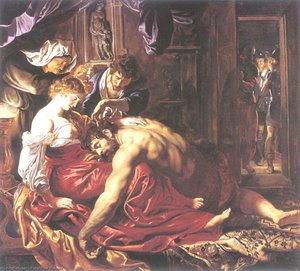
--Overall Impression-- The artwork is a dramatic oil painting depicting a scene of intense emotion and possibly suffering. It’s a vertical composition dominated by dark tones with strong contrasts between light and shadow. The subject matter appears to be a biblical or mythological scene, featuring a young woman being subjected to a painful procedure – likely circumcision – by an older man who seems stern and resolute. A third figure, presumably her mother, watches with evident distress. The painting utilizes chiaroscuro lighting extensively, creating a sense of drama and highlighting the figures’ faces and bodies. The composition is tightly focused on the central action, drawing the viewer's eye directly to the suffering woman. Lines are used to define the forms of the figures and create a sense of movement, particularly in the drapery and the young woman’s posture. Shapes are predominantly organic – human forms, draped fabrics – with sharp lines defining edges and creating contrast. The texture is rich and impasto-like, characteristic of Rembrandt's technique, adding depth and realism to the scene. Perspective is somewhat flattened, prioritizing emotional impact over strict spatial accuracy. Depth is created through variations in lighting and shadow, as well as the layering of figures within the space. Symbolically, the painting evokes themes of pain, sacrifice, religious duty, and maternal concern. The style is undeniably Rembrandt’s signature Baroque style, known for its dramatic use of light and shadow, emotional intensity, and realistic depiction of human subjects. His meticulous brushwork and anatomical precision are hallmarks of his artistic genius, demonstrating a deep understanding of the human form and emotional expression. The use of warm earth tones further contributes to the scene's intimacy and gravity.Ähnliche Kunstwerke


Über den Künstler
Rembrandt van Rijn: Leben & Erbe
Frühes Leben und Ausbildung (1606-1625)
- Rembrandt Harmenszoon van Rijn wurde am 15. Juli 1606 in Leiden, Niederlande – einem geschäftigen Zentrum der Holländischen Republik im Goldenen Zeitalter – geboren.
- Sein Vater, Harmen Gerritszoon van Rijn, war Müller, und seine Mutter, Neeltgen Willemsdochter van Zuytbrouck, stammte aus einer Familie von Bäckerinnen. Dies ermöglichte Rembrandt den Zugang zur Bildung an der Lateinschule in Leiden.
- Um 1620 begann er eine Lehre bei Jacob van Swanenburg in Leiden.
- Ein entscheidender sechsmonatiger Zeitraum (1624) wurde unter Pieter Lastman in Amsterdam verbracht, dessen dramatische Verwendung von Licht und Schatten Rembrandts frühe Arbeit nachhaltig beeinflusste.
- Nach seiner Rückkehr nach Leiden gründete er um 1625 sein eigenes Atelier, das er mit dem Künstler Jan Lievens teilte.
Früher Karriere und Umzug nach Amsterdam (1625-1642)
- Rembrandt erlangte schnell in Leiden Anerkennung für seine historischen Gemälde und Porträts.
- Im Jahr 1629 profitierte er vom Gönnertum von Constantijn Huygens und erhielt Aufträge vom Haagischen Hof – ein Wendepunkt in seiner Karriere.
- Er zog 1631 nach Amsterdam und wurde als erfolgreicher Porträtist tätig, der wohlhabende Kunden anzog.
- Im Jahr 1634 heiratete er Saskia van Uylenburgh, die Tochter eines einflussreichen Juristen und Bürgermeisters, wodurch er gesellschaftlichen Einfluss und anfängliche finanzielle Stabilität erlangte.
Künstlerische Entwicklung und Stil
- Rembrandts künstlerische Entwicklung war durch ständige Experimente gekennzeichnet. Er ging von idealisierten Formen ab zu realistischen und emotional ausdrucksstarken Darstellungen.
- Frühes Zeitalter (ca. 1625-1635): Geprägt von detaillierter Realismus und dem Einfluss von Lastman.
- Reifes Zeitalter (ca. 1635-1650er): Charakterisiert durch die meisterhafte Verwendung von *Chiaroscuro* – dramatischem Licht und Schatten, das psychische Tiefe erzeugt. Seine Pinselstrichführung wurde lockerer und vermittelte Textur und Emotion.
- Spätes Zeitalter (ca. 1650er-1669): Eine Rückkehr zu einer gedämpfteren Farbpalette, die sich auf intime Porträts und biblische Szenen konzentrierte, die persönliche Kämpfe und spirituelle Reflexionen widerspiegeln.
Wichtige Werke und Leistungen
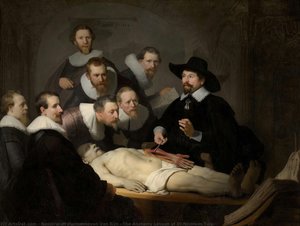
- Die Anatomie-Vorlesung von Dr. Nicolaes Tulp (1632): Pionierhaftes Gruppenporträt, das menschliche Anatomie und Persönlichkeit zeigt.
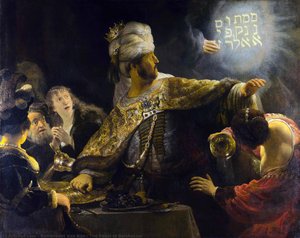
- Belshazzars Festmahl (1635): Dramatische biblische Szene, die meisterhafte Verwendung von Licht, Schatten und Komposition demonstriert.
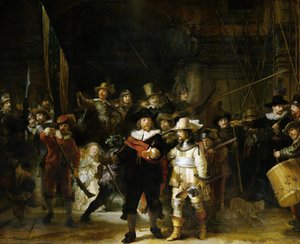
- Die Wache (1642) – offiziell Militärkompanie des Bezirks II unter dem Kommando von Kapitän Frans Banninck Cocq: Ein dynamisches Gruppenporträt, das das Genre mit innovativer Komposition und Beleuchtung neu definierte.
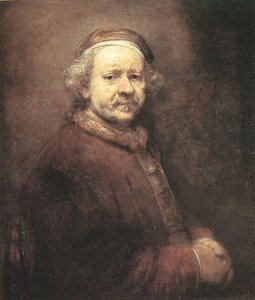
- Selbstporträts: Ungefähr 40 Selbstporträts, die ein einzigartiges visuelles Zeugnis seines Alterns und seiner künstlerischen Vision bieten.
Einflüsse und Vermächtnis
- Italienische Meister: Studierte Werke von Titian, Caravaggio durch Drucke und Reproduktionen.
- Caravaggio: Die dramatische Verwendung von Licht und Schatten hatte einen tiefgreifenden Einfluss auf Rembrandts Stil.
- Niederländische und flämische Künstler: Von zeitgenössischen Künstlern beeinflusst, die in der Holländischen Republik und Flandern wirkten.
- Rembrandt revolutionierte das Porträtmalerei, erhob die Radierung zu einer Kunstform von Rang und erforschte tiefgründige psychologische Themen.
- Trotz persönlicher Tragödien und finanzieller Schwierigkeiten dauerte sein Ruf an. Er gilt heute als Eckpfeiler der holländischen Kunst und als universelles Symbol des künstlerischen Genies.
Historische Bedeutung
- Rembrandts Werk spiegelt den Geist der Holländischen Goldenen Zeit wider – wirtschaftliche Prosperität, intellektuelles Aufblühen und künstlerische Innovation.
- Er erfasste die Essenz dieser Epoche durch Porträts, biblische Szenen, die bei den Zuschauern Anklang fanden, und die Erforschung universeller menschlicher Emotionen.
- Seine Lebensgeschichte – geprägt von Erfolg und Widrigkeiten – hat ihn zu einer faszinierenden Figur in der Kunstgeschichte gemacht. Er bleibt ein dauerhaftes Symbol für Hingabe zum Handwerk, selbst inmitten persönlicher Herausforderungen. Rembrandts Einfluss auf nachfolgende Generationen von Künstlern ist unermesslich.
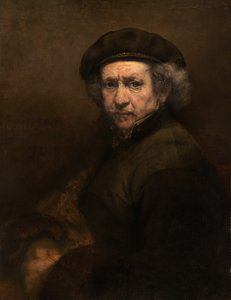
Rembrandt van Rijn
1606 - 1669 , Niederlande
Kurzinfos
- Beeinflusste Künstler:
- Pieter Lastman
- Caravaggio
- Italienische Meister
- Bemerkenswerte Werke:
- Anatomie-Vorlesung Dr. Tulp
- Belshazzars Festmahl
- Die Nachtwache
- Selbstporträts
- Geburtsdatum: 15. Juli 1606
- Geburtsort: Leiden, Niederlande
- Künstlerische Richtung: Barockmalerei
- Nationalität: Niederländisch
- Sterbedatum: 1669
- Vollständiger Name: Rembrandt van Rijn
Ähnliche Artikel

Rembrandts Meisterwerke: Die Top 25 Kunstwerke für Ihr Zuhause | ArtsDot
Entdecken Sie Rembrandts 25 berühmteste Kunstwerke! Tauchen Sie ein in die Welt des Barock, Licht und Schatten & historischer Porträts. Hochwertige Reproduktionen für Ihr Zuhause – jetzt auf ArtsDot.com!

Die 10 Meisterwerke der niederländischen Barockmalerei – Kunst für Ihr Zuhause | ArtsDot
Entdecken Sie die 10 prägendsten Meisterwerke der niederländischen Barockmalerei! Von Rembrandt bis Vermeer – erleben Sie Kunstgeschichte, Techniken & Emotionen. Hochwertige Reproduktionen für Ihr Zuhause auf ArtsDot.com.

Die 10 Meisterwerke des Goldenen Zeitalters der niederländischen Malerei |
Entdecken Sie die 10 Meisterwerke des Niederländischen Goldenen Zeitalters! Von Rembrandt bis Vermeer – erleben Sie Kunstgeschichte, Techniken & Emotionen. Hochwertige Gemäldereproduktionen für Ihr Zuhause auf .

Golden Age Reflections: Dutch Baroque Painting & Cultural Innovation
Explore the Dutch Golden Age of painting! Discover key artists like Vermeer & ter Borch, their innovative techniques, and the rich cultural context behind these Baroque masterpieces. Learn about collecting & appreciating this iconic art period.
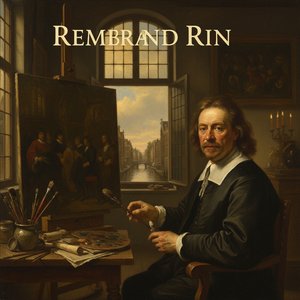
Rembrandt van Rijn: Licht und Schatten der Seele – Innovation, Emotion und das niederländische Goldene Zeitalter
Entdecken Sie Rembrandts revolutionäre Kunst! Erfahren Sie mehr über das Goldene Zeitalter, die Meisterschaft des Chiaroscuro und seine tiefgründigen Porträts. Expertenwissen & hochwertige Reproduktionen auf ArtsDot.
![Die Anatomie Vorlesung von Dr. Nicolaes Tulp [1632]](/media/artworks/images-thumb/e5/fc/e5fcb33447eac6b24ab049b22effa1a3.jpg)