 Versenden
 Teilen
 Details anzeigen

 Herunterladen
 Ähnliche Objekte
 Diashow
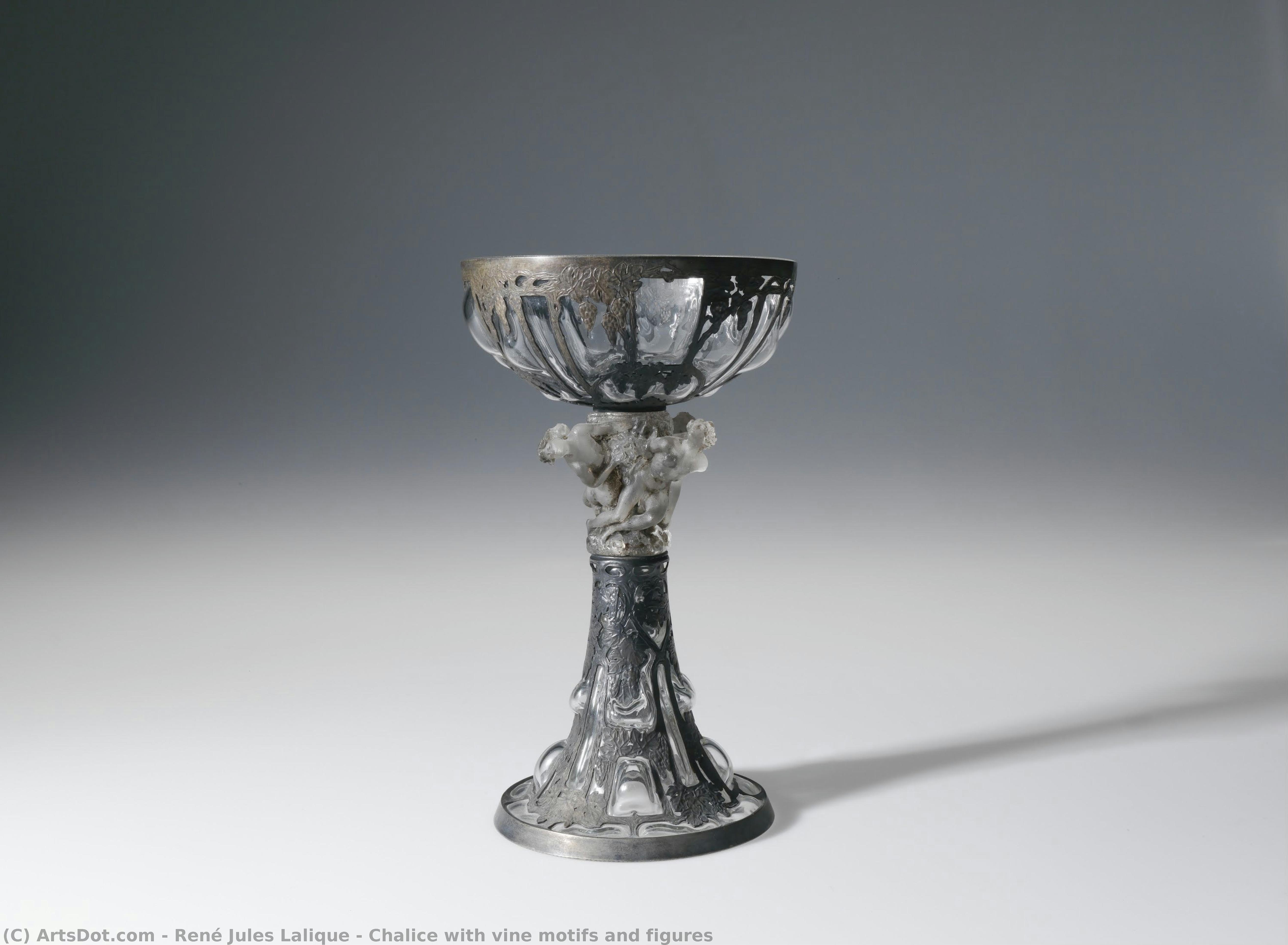
Chalice with vine motifs and figures


 Weiterlesen
Giclée / Kunstdruck
Giclée- oder Leinwanddruck in Museumsqualität mit schneller Produktion und flexiblen Veredelungsoptionen. ( Handgemalte Reproduktion bestellen Bild kaufen)




































Wählen Sie aus unseren vordefinierten Formaten, die den ursprünglichen Proportionen des Kunstwerks entsprechen.

Sie können Ihre eigenen Maße eingeben, um ein bestimmtes Format oder einen speziellen Platz einzupassen. Wenn das von Ihnen gewählte Format nicht den Proportionen des Originalbildes entspricht, werden wir das Kunstwerk entweder beschneiden oder das Bild mit einem gespiegelten oder einfarbigen Rand erweitern. Ein digitaler Entwurf wird Ihnen zur Genehmigung zugesandt, bevor die Produktion beginnt.
Bitte beachten Sie, dass die Vorschau auf dem Bildschirm nicht den tatsächlichen Zuschnitt oder die Erweiterung widerspiegelt. Nur der Entwurf zeigt die endgültige Komposition präzise an.
Obwohl Sondermaße verfügbar sind, empfehlen wir die Auswahl eines Maßes aus der vordefinierten Liste, um die ursprünglichen Proportionen zu bewahren.
Weltweiter Versand () innerhalb von 2 Wochen statt der üblichen 4/5 Wochen. (24 August)

Kostenloser weltweiter Expressversand

Hochwertige Leinenleinwand

Umfassender Versicherungsschutz beim Versand

Zollgebühren-Rückerstattungsgarantie

Garantie für exakte Farbtreue

60 Tage Rückgaberecht (nur bei Mängeln)

100% Geld-zurück-Garantie

Mengenrabatt verfügbar
 Die Glasoption ist nur für Größen unter 110 cm verfügbar.

Chalice with vine motifs and figures
Giclée / Kunstdruck
Format der Reproduktion
-


Gesamtpreis
$ 62
Sammlerstück-Beschreibung
A Symphony of Glass and Metal: The Art Nouveau Vision
In the delicate interplay of light and shadow captured within René Lalique's Chalice with vine motifs and figures, one finds the very heartbeat of the Art Nouveau movement. Created in 1901, this masterpiece is far more than a mere vessel; it is a poetic dialogue between the organic world and human craftsmanship. As a titan of decorative arts, Lalique possessed the rare ability to breathe life into inanimate materials, transforming molten glass and cold metal into a fluid, breathing entity. The chalice serves as a testament to an era that sought to escape the rigid, mechanical constraints of the industrial age, yearning instead for the sinuous, unpredictable grace of nature.
The composition draws the eye upward through a rhythmic progression of forms. From its structured base, the chalice ascends with a graceful curvature, guided by the winding paths of vine motifs that cling to the vessel like living organisms. These botanical elements are not merely decorative; they represent the vitality and interconnectedness of the natural world. The presence of delicate figures woven into the design adds a layer of mythological depth, suggesting a ritualistic elegance that transcends time. For the discerning collector or interior designer, this piece offers a profound sense of movement, making it an ideal focal point for spaces that celebrate sophistication and organic beauty.
Mastery of Technique: The Alchemy of Pâte Verre
To behold this chalice is to witness a revolution in glassmaking technique. Lalique was a pioneer who dared to merge the ethereal translucency of blown glass with the structural permanence of metalwork. Utilizing the sophisticated pâte verre (paste glass) method, he manipulated molten glass within a meticulously crafted silver and bronze framework. This daring innovation allowed for an unprecedented level of sculptural detail, enabling the artist to achieve the intricate relief work seen in the undulating vines and the subtle textures of the figures.
The visual impact of this technique is most evident in how the piece interacts with light. The cool palette—dominated by silvery greys, whites, and soft bronze tones—creates a luminous effect that shifts as the viewer moves around the object. The translucency of the glass allows light to penetrate the surface, illuminating the internal textures and creating a sense of depth that feels almost magical. This interplay of light and material provides a tactile richness that is highly sought after in high-quality reproductions, offering an atmosphere of quiet luxury and timelessness to any curated collection.
Symbolism and Emotional Resonance
Beyond its technical brilliance, the chalice carries a deep emotional weight. The vine motifs, reminiscent of Lalique’s beloved Champagne region, evoke themes of abundance, growth, and the eternal cycle of life. There is a certain nostalgia embedded in the work—a longing for the pastoral landscapes of France and a reverence for the primal roots of humanity. This connection to nature provides an emotional anchor, making the piece feel both grounded and otherworldly.
For those looking to integrate art into their living environments, this chalice offers more than just aesthetic pleasure; it offers an experience. It invites contemplation and a slowing of time. Whether placed in a sunlit gallery or a sophisticated study, the piece radiates an aura of refined celebration. Owning a reproduction of such a significant work allows one to surround themselves with the spirit of 1901—a period defined by its pursuit of beauty, its respect for craftsmanship, and its unwavering belief in the transformative power of art.
Ähnliche Kunstwerke
Über den Künstler
Frühes Leben und Ausbildung
René Jules Lalique, ein berühmter französischer Juwelier, Medailleur und Glasdesigner, wurde am 6. April 1860 in Aÿ, Frankreich geboren. Seine frühen Jahre waren geprägt vom Erlernen der Design- und Kunstmethoden, die später seine Karriere prägen sollten. Im Alter von zwei Jahren zog seine Familie in die Vororte von Paris, kehrte aber für Sommerurlaube nach Aÿ zurück, was Laliques naturalistische Glasarbeiten beeinflusste.
Künstlerische Laufbahn
- Nach dem Tod seines Vaters begann Lalique eine Lehre bei dem Goldschmied Louis Aucoc in Paris.
- Später studierte er an der École des Arts Décoratifs und besuchte Abendkurse an der Crystal Palace School of Art Sydenham, London. Diese Auseinandersetzung mit verschiedenen künstlerischen Disziplinen prägte seinen einzigartigen Stil.
- Von 1881 arbeitete Lalique als freiberuflicher Designer für mehrere französische Juwelierfirmen, darunter Cartier und Boucheron.
- Im Jahr 1890 eröffnete er sein eigenes Juweliergeschäft im Opéra-Viertel von Paris, wo er einige seiner berühmtesten Entwürfe schuf.
- Sein Hauptmotiv war die Naturwelt mit Motiven wie Libellen, Orchideen und Pfauen, gefertigt aus einer Kombination von Emaille, Edelsteinen und Halbedelsteinen.
Bedeutende Werke und Vermächtnis
Laliques Kreationen in der Glaskunst sind seine bedeutendsten Werke. Er wurde für seinen Art-Déco-Stil in den 1920er Jahren bekannt. Einige seiner bemerkenswerten Mäzene waren Calouste Sarkis Gulbenkian, der über 140 seiner Arbeiten in Auftrag gab.
- Laliques Werke sind in verschiedenen Museen zu finden, darunter das Musée d'Orsay, das eine umfangreiche Sammlung impressionistischer und postimpressionistischer Meisterwerke beherbergt.
- Seine Tochter Suzanne Lalique war Malerin und Bühnenbildnerin für die Comédie-Française.
- Seine Enkelin Marie Claude-Lalique (geb. 1936) war ebenfalls eine Glasmacherin, die am 14. April 2003 in Fort Myers, Florida verstarb.
Einflüsse und Entwicklung
Laliques Stil wurde stark von der Natur beeinflusst, insbesondere von den detaillierten Formen und Farben von Pflanzen und Tieren. Er brach mit den traditionellen Konventionen der Juwelierkunst, indem er unkonventionelle Materialien wie Horn, Elfenbein und Glas in seine Entwürfe integrierte. Seine frühen Arbeiten zeigten Einflüsse des Jugendstils, während seine späteren Werke den geometrischen Formen und der Eleganz des Art Déco entsprachen.
Tod und Beerdigung
René Lalique starb am 1. oder 5. Mai 1945 in Paris und wurde auf dem Friedhof Père Lachaise in Paris, Frankreich beigesetzt.
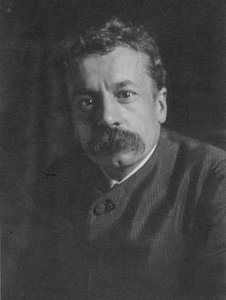
René Jules Lalique
1860 - 1945 , Frankreich
Kurzinfos
- Bemerkenswerte Werke:
- St. Albert Vase
- Anhänger mit Kette
- Weibliches Gesicht
- 'Cluny' Vase
- Caudebec Vase No. 1020
- Geburtsdatum: 6. April 1860
- Geburtsort: Aÿ, Frankreich
- Künstlerische Richtung: Art Nouveau & Art Déco
- Nationalität: Französisch
- Sterbedatum: 1. oder 5. Mai 1945
- Vollständiger Name: René Jules Lalique
Ähnliche Artikel
The Gleaming Geometry of Desire: Exploring Art Deco's Enduring Influence on Visual Culture
Explore the captivating world of Art Deco! Discover its history, key characteristics, enduring influence on design & collecting with expert insights from ArtsDot.com.

The Gilded Age Reimagined: Exploring the Aesthetic Principles & Enduring Legacy of Art Deco
Explore the captivating world of Art Deco! Discover its origins, defining features, cultural impact & enduring legacy. Expert insights for collectors and design enthusiasts. Shop handmade reproductions at ArtsDot.

The Gilded Age Revisited: Art Deco's Modernity & Luxury
Explore the captivating world of Art Deco paintings & the Gilded Age's enduring legacy. Discover iconic artists like Tamara de Lempicka & invest in museum-quality reproductions with ArtsDot.
Art Nouveau Meisterwerke: Die 10 prägendsten Kunstwerke für Ihr Zuhause |
Entdecken Sie die 10 prägendsten Art Nouveau Meisterwerke! Von Mucha bis Klimt – erfahren Sie die Geschichten hinter ikonischen Gemälde & dekorativer Kunst. Hochwertige Kunstdrucke online kaufen auf
The Flowing Line & Flourishing Form: Exploring Art Nouveau's Aesthetic Legacy
Explore the captivating world of Art Nouveau! Discover its origins, key artists like Horta & Mucha, regional styles, innovative techniques, and lasting influence on architecture & design. A comprehensive guide for art enthusiasts.