Menü
Kostenlose Kunstberatung
Vorschau anzeigenVorschau anzeigen In AR erlebenIn AR erleben Druck bestellen Druck bestellenHandgemalte Reproduktion bestellen Handgemalte Reproduktion bestellen VersendenVersenden
Details anzeigenDetails anzeigen Zu Favoriten hinzufügen Zu Favoriten hinzufügen HerunterladenHerunterladen Ähnliche ObjekteÄhnliche Objekte RöntgenaufnahmeRöntgenaufnahme DiashowDiashow

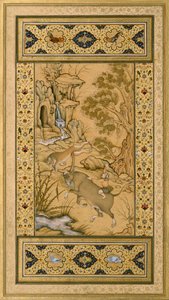
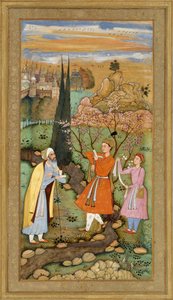
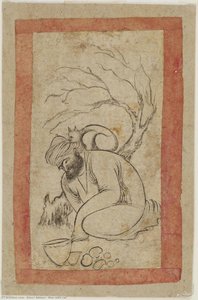
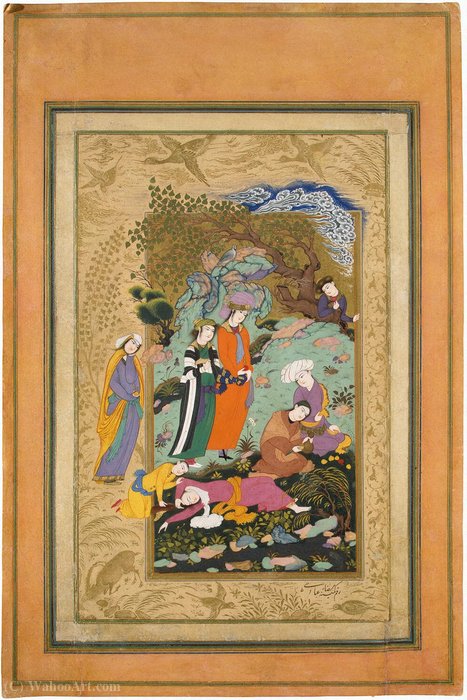
Convivial Party - QLVR - (740^QLI)

Explore the exquisite miniatures of Reza Abbasi, a master of 17th-century Persian art. Known for idealized youth portraits & elegant garden scenes, his work shaped generations.

Erwerben Sie ein hochauflösendes, optimiertes digitales Bild, das der Online-Vorschau weit überlegen ist.

Jede Datei wird von unseren hauseigenen Spezialisten mit modernsten Werkzeugen und fachmännischer manueller Retusche sorgfältig vorbereitet. Wir stellen sicher, dass jedes Bild eine außergewöhnliche Klarheit, präzise Farbgenauigkeit und feinste Details aufweist.

Die endgültige Datei wird innerhalb von 72 Stunden per E-Mail zugestellt und ist für den sofortigen Einsatz in professionellen, redaktionellen und Druckumgebungen optimiert. Es handelt sich um dieselbe Qualität, der führende Designstudios, Verlage und Galerien vertrauen.

Digitales Bild

Laden Sie eine hochauflösende Datei für die persönliche Präsentation, den Druck und kreative Projekte herunter. (Druck bestellen Druck bestellenHandgemalte Reproduktion bestellen Handgemalte Reproduktion bestellen)

Endpreis

$ 24,00

In jeder Bestellung digitaler Bilder enthalten

Professionelle digitale Bereitstellung, garantiert

Wenn Sie sich für ArtsDot.com entscheiden, erhalten Sie nicht nur ein Bild – Sie erhalten ein professionell aufbereitetes digitales Kunstwerk, das mit höchster Präzision erstellt und durch eine Zufriedenheitsgarantie abgesichert wird. Hier ist alles, was automatisch mit Ihrer Bestellung geliefert wird:

shipping_icon
Schnelle E-Mail-Zustellung

Ihre hochauflösende digitale Bilddatei wird Ihnen innerhalb von 72 Stunden nach der Bestellung per E-Mail zugestellt – bereit zur sofortigen Verwendung.

canvas_icon
KI-optimierte digitale Datei

Ihre Kunstwerke werden professionell mithilfe fortschrittlicher KI-Tools und manueller Bearbeitung optimiert, um maximale Detailtreue, Klarheit und Farbgenauigkeit zu gewährleisten.

insurance_icon
Lebenslanger kostenloser Neudruckservice

Datei versehentlich gelöscht oder verloren? Keine Sorge – wir senden sie Ihnen jederzeit kostenlos erneut zu.

tax_icon
Keine Einfuhrgebühren – jemals

Genießen Sie Ihr Kunstwerk sofort ohne Zollgebühren, Einfuhrabgaben oder Versandkosten – digitale Downloads sind immer steuerfrei.

color_icon
Garantierte Farbtreue

Wir garantieren, dass Ihr digitales Bild mithilfe professioneller Werkzeuge und Farbmanagement die Originalfarben so präzise wie möglich wiedergibt.

return_icon
60-Tage-Zufriedenheitsgarantie

Sollten Sie mit Ihrem digitalen Bild nicht zufrieden sein, werden wir es überarbeiten oder Ihnen innerhalb von 60 Tagen 100% erstatten – ohne Wenn und Aber.

guarantee_icon
100% Geld-zurück-Garantie

Nicht zufrieden? Erhalten Sie innerhalb von 60 Tagen nach Erhalt Ihrer digitalen Datei eine vollständige Rückerstattung – ohne Angabe von Gründen.

discount_icon
Rabatte bei Großbestellungen

3 Bilder kaufen, 10% sparen – 5 Bilder kaufen, 15% sparen – Ab 10 Bildern 20% sparen. Ideal für kreative Projekte, Galerien und Agenturen.
Biografie des Künstlers

The Radiant Brush of Reza Abbasi: A Legacy in Persian Miniature

Reza Abbasi, born circa 1565 and passing away around 1635, stands as a pivotal figure in the history of Persian art, particularly celebrated as the last great master of the Persian miniature tradition. His name, often rendered as Aqa Reza, resonates through centuries as synonymous with elegance, refinement, and an innovative spirit that reshaped artistic conventions during the Safavid dynasty. While his early life remains somewhat shrouded in mystery—with potential birthplaces including Kashan or Mashad—his ascent to prominence began within the imperial workshops of Shah Abbas I, a ruler whose ambitious patronage fueled a cultural renaissance across Persia. The shift from large-scale illustrated manuscripts towards smaller, more intimate album miniatures profoundly influenced Abbasi’s artistic trajectory, allowing him to focus on individual figures and scenes with unparalleled detail and expressive power.

A Courtly Education and the Rise of Individual Expression

Abbasi's father, Ali Asghar, a skilled miniaturist himself, provided his son with foundational training, initially within the atelier of Prince Ibrahim Mirza before joining the court of Shah Ismail II in Qasvin. This early exposure to royal artistic circles instilled in Abbasi not only technical proficiency but also an understanding of the sophisticated aesthetic demands of the Safavid elite. However, it was under Shah Abbas I that his talent truly blossomed. The changing artistic landscape—a move away from epic narratives towards more personal and decorative forms—created a fertile ground for Abbasi’s unique style to emerge. Unlike many predecessors who remained anonymous, Abbasi consistently signed his work, often including dates and other identifying details, a testament to his growing confidence and individuality. This practice, though not entirely unprecedented, marked a significant shift in the artist's self-perception and contributed to the establishment of a distinct artistic identity. He is believed to have contributed to an ambitious, unfinished *Shahnameh*, now housed in the Chester Beatty Library, but it was his independent miniatures for private albums—the *muraqqa*—that would define his legacy.

The Allure of Youth and the Refinement of Form

Abbasi’s artistic focus centered on idealized depictions of beautiful youths, often portrayed with graceful postures, elegant attire, and a subtle air of melancholy. These figures weren't merely portraits; they embodied a cultural ideal of beauty and refinement, reflecting the sophisticated tastes of the Safavid court. His compositions typically featured these figures set against lightly drawn garden backgrounds, sometimes accented with delicate gold detailing reminiscent of border paintings. He masterfully blended elements of traditional Persian aesthetics with influences from Chinese painting—particularly in his use of suggestive space and fluid lines—creating a style that was both deeply rooted in its heritage and strikingly original. Barbara Brend aptly describes the mastery of Abbasi’s ink drawings, noting their ability to convey texture, form, movement, and even personality. His color palettes were often restrained yet evocative, emphasizing rich textiles and fashionable garments. A recurring theme is the depiction of figures with a curved posture that accentuates their waists, reflecting contemporary ideals of beauty and sensuality.

Influence and Legacy: Shaping Generations of Persian Painters

Reza Abbasi’s impact on subsequent generations of Persian painters was profound. His distinctive style—characterized by its elegant lines, refined forms, and focus on individual expression—became a benchmark for artistic excellence. He established a workshop that nurtured numerous talented pupils, including Mo'en Mosavver, who famously painted his portrait decades later, providing invaluable insight into the artist’s appearance and persona. His son, Muhammed Shafi Abbasi, also continued his father’s legacy, further disseminating his aesthetic principles throughout the Persian art world. The influence of Abbasi extended beyond his immediate circle, shaping the development of miniature painting for centuries to come. Even today, his works are celebrated for their exquisite beauty, technical virtuosity, and profound cultural significance. His ability to capture not only physical likeness but also a sense of inner life cemented his position as one of the most important figures in Persian art history.

Historical Significance: A Reflection of Safavid Society

Reza Abbasi’s work offers a fascinating glimpse into the social and cultural milieu of 16th and 17th-century Persia. His depictions of stylishly dressed youths reflect the fashion trends and aesthetic preferences of the Safavid elite, while his emphasis on individual expression speaks to a growing sense of artistic self-awareness. The shift towards smaller-scale miniatures also reflects the changing economic landscape of the period, with private patronage becoming increasingly important as royal commissions declined. His art is not merely decorative; it’s a window into the values, beliefs, and aspirations of a sophisticated society undergoing significant transformation. The enduring appeal of Abbasi's miniatures lies in their ability to transcend time and culture, captivating viewers with their exquisite beauty and timeless elegance. His legacy continues to inspire artists and scholars alike, ensuring that his radiant brush will continue to illuminate the world of Persian art for generations to come.