

 Vorschau anzeigen
 Versenden
 Teilen
 Details anzeigen

 Herunterladen
 Ähnliche Objekte
 Röntgenaufnahme
 Diashow
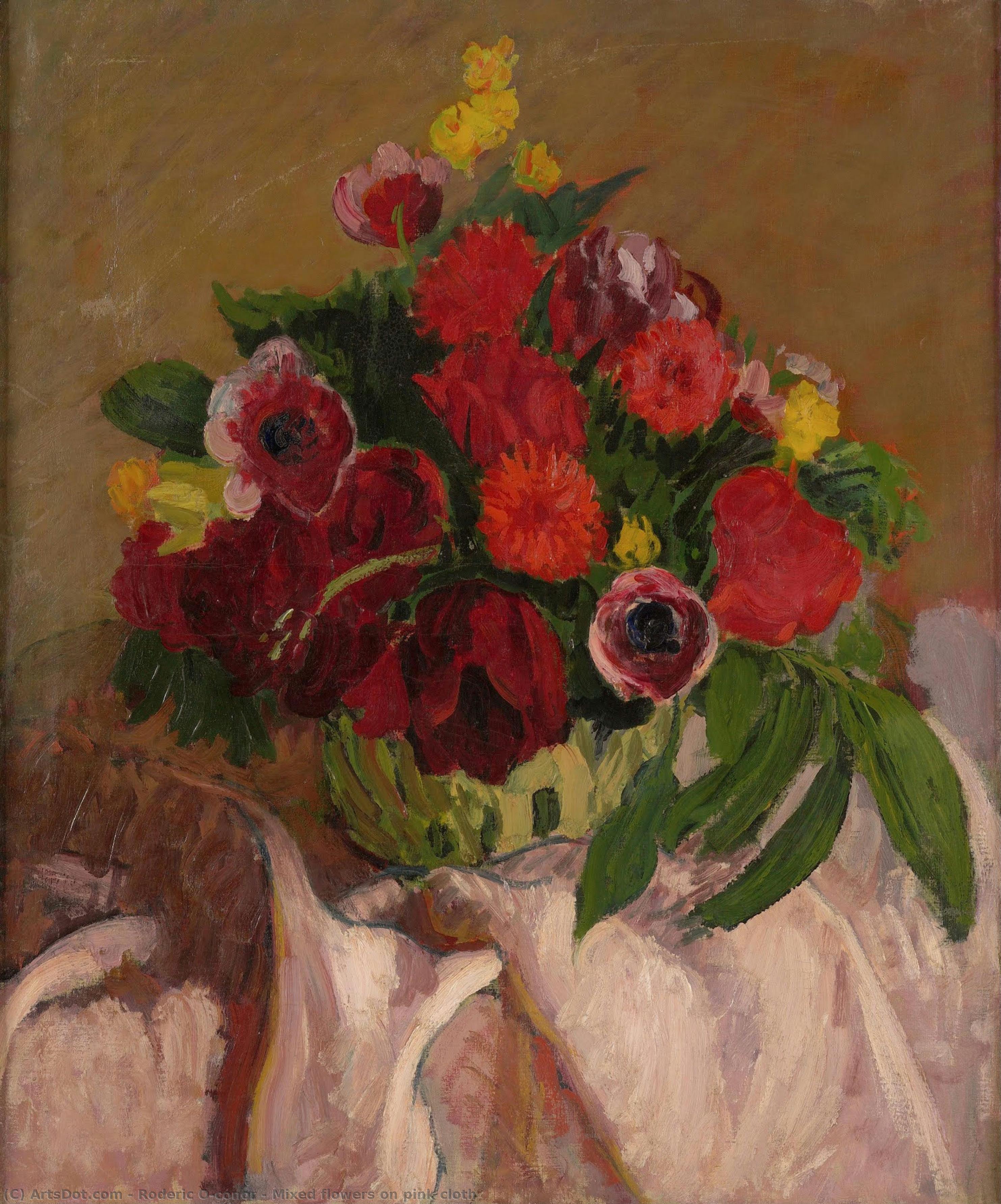
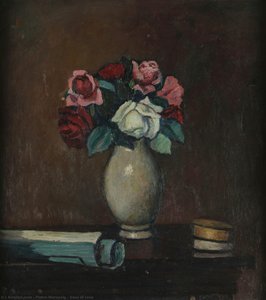
Mixed flowers on pink cloth


 Weiterlesen
Handgefertigte Ölreproduktion
Handgemaltes Ölgemälde auf Leinwand in Ihrer Wunschgröße und mit Rahmen, auf Bestellung von unseren Künstlern angefertigt. ( Druck bestellen Bild kaufen)




P118B $10

P118H $10

P118W $10

P438Z $10

P508JH $12

P508YH $12

P805H $10

P805Z $10

P919BZ $10

P919G $10

P919XJ $10

P959ZH $10

P968JZ $12

W106C $8

W218G $10

W218JH $8

W218Y $10

W307PJ $10

W316G $10

W316PJ $8

W316Y $10

W398PJ $8

W4111J $10

W500HY $15

W500JH $15

W692G $12

W849H $8

W940BG $15

W953PJ $8




Wählen Sie aus unseren vordefinierten Formaten, die den ursprünglichen Proportionen des Kunstwerks entsprechen.

Sie können Ihre eigenen Maße eingeben, um einen bestimmten Rahmen oder Platz auszufüllen. Wenn die gewählte Größe nicht den Proportionen des Originalbildes entspricht, werden wir das Kunstwerk entweder beschneiden oder das Gemälde durch zusätzliche, handgemalte Elemente erweitern. Ein digitales Mockup wird Ihnen zur Genehmigung zugesandt, bevor die Produktion beginnt.
Bitte beachten Sie, dass die Bildschirmvorschau nicht die tatsächliche Beschneidung oder Erweiterung widerspiegelt. Nur das Mockup zeigt die endgültige Komposition exakt an.
Obwohl Sondermaße verfügbar sind, empfehlen wir, eine Größe aus der vordefinierten Liste zu wählen, um die ursprünglichen Proportionen beizubehalten.
Nach der Bestellung wird das ArtsDot.com-Team dem Kunden Anweisungen per E-Mail zusenden und eine Mockup-Vorschau bereitstellen.
Weltweiter Versand () in nur 3 bis 4 Wochen statt der üblichen 5 Wochen. (20 August). Keine Kompromisse bei der Qualität.

Kostenloser weltweiter Expressversand

Hochwertige Leinenleinwand

Umfassender Versicherungsschutz beim Versand

Zollgebühren-Rückerstattungsgarantie

Garantie für exakte Farbtreue

60 Tage Rückgaberecht (nur bei Mängeln)

100% Geld-zurück-Garantie

Mengenrabatt verfügbar
 Die Glasoption ist nur für Größen unter 110 cm verfügbar.

Mixed flowers on pink cloth
Art der Reproduktion
Format der Reproduktion
-


Gesamtpreis
$ 263
Beschreibung des Kunstwerks
Roderic O’Conor: Mixed Flowers on Pink Cloth – A Symphony of Color and Emotion
Roderic O’Conor (1860-1940) stands as a pivotal figure in the Irish art landscape, embodying the spirit of Impressionism and forging a unique path within the burgeoning Expressionist movement. Born in Milltown, County Roscommon, his artistic journey began with formal training at Ampleforth College and the Royal Hibernian Academy, equipping him with both academic rigor and an innate sensitivity to visual experience—a duality that would profoundly shape his oeuvre. His formative years spent absorbing the influence of Van Gogh cemented a stylistic commitment to capturing fleeting moments of light and emotion through bold brushstrokes and vibrant hues, establishing him as one of the earliest adopters of this revolutionary technique. Crucially, O’Conor's artistic maturation occurred during his residency at Pont-Aven in Brittany—a collaborative crucible with Paul Gauguin—where he embraced synthetism, prioritizing subjective feeling alongside formal considerations. This embrace of Gauguin’s Romantic vision resulted in a distinctive aesthetic characterized by high-keyed palettes and expressive brushwork, mirroring the stylistic currents circulating throughout Europe at the time.- Style: Primarily Impressionist and Post-Impressionist – O'Conor skillfully blended elements of both movements, prioritizing emotional resonance over meticulous realism.
- Technique: Employing “wet-on-wet” painting—a technique championed by Gauguin and Van Gogh—O’Conor achieved luminous effects through layering paint directly onto the canvas while it was still wet, allowing for seamless blending and capturing subtle nuances of light and color.
- Color Palette: Dominated by a fiery red scheme, punctuated by acidic greens and yellows, reflecting O’Conor's fascination with color as a vehicle for conveying emotion. The juxtaposition of crimson blooms against the pastel hues of the vase creates a dynamic visual interplay.
Historical Context & Influences
O’Conor’s artistic development coincided with the rise of Expressionism in Paris, where he joined forces with fellow artists like Maurice de Vlaminck and André Derain—a collective dedicated to exploring psychological depth and conveying subjective experience. This milieu fostered a dialogue between academic tradition and avant-garde experimentation, mirroring broader cultural shifts toward embracing emotion and challenging conventional artistic norms. The Pont-Aven colony served as an incubator for synthetism, encouraging artists to distill their observations into simplified forms imbued with symbolic significance—a stylistic impulse evident in O’Conor's work. Gauguin’s influence is palpable in the artist’s deliberate use of color and his exploration of primal emotions, mirroring the Romantic preoccupation with nature and spirituality.Symbolism & Emotional Impact
The dominant red hue within *Mixed Flowers on Pink Cloth* transcends mere chromatic representation; it embodies passion, vitality, and perhaps even a hint of melancholy—a deliberate choice reflecting O’Conor's artistic sensibility. The luminous pink tablecloth acts as a visual anchor, suggesting an ethereal atmosphere that envelops the floral arrangement, inviting contemplation and conveying a sense of serenity amidst vibrant color. Furthermore, the artist’s technique—characterized by loose brushstrokes and impasto highlights—captures the tactile quality of the painting, engaging the viewer's senses and fostering an emotional connection to the subject matter. Like Pierre Bonnard, O’Conor sought to evoke feeling rather than depict precise detail, prioritizing visual suggestion over literal representation—a hallmark of his distinctive artistic vision.Conclusion
Roderic O’Conor's *Mixed Flowers on Pink Cloth* remains a testament to the transformative power of Impressionism and Expressionism, demonstrating how artists can harness color and technique to communicate profound emotional truths. Its enduring appeal lies in its ability to capture not just the beauty of floral composition but also the intangible essence of human experience—a legacy that continues to inspire admiration and appreciation within the art world today.Ähnliche Kunstwerke

Über den Künstler
Frühes Leben und Ausbildung
- Geboren: 17. Oktober 1860 in Milltown, County Roscommon, Irland
- Familiärer Hintergrund: Geboren in eine katholische Familie, die von den Königen von Connacht abstammt. Sein Vater, Roderic Joseph O’Conor, war Rechtsanwalt und High Sheriff.
- Ausbildung: Besuchte das Ampleforth College in Yorkshire und zeigte dort starke akademische Fähigkeiten. Anschließend studierte er an der Metropolitan School of Art und der Royal Hibernian Academy in Dublin.
- Frühe Ausbildung: Reisen Sie nach Antwerpen, um unter Charles Verlat zu studieren, was einen bedeutenden Schritt in seiner künstlerischen Entwicklung darstellte.
Paris und die Bewegung von Pont-Aven
- Umzug nach Paris: 1883 zog O’Conor nach Paris und tauchte in das lebendige Kunstszene der Stadt ein.
- Einfluss des Impressionismus: Tief vom Impressionismus beeinflusst, experimentierte er mit deren Techniken und Ästhetik.
- Pont-Aven: Schloss sich während der 1890er Jahre der künstlerischen Gemeinschaft in Pont-Aven in der Bretagne an. Diese Zeit war entscheidend für sein künstlerisches Wachstum.
- Freundschaft mit Gauguin: Entwickelte eine enge Freundschaft mit Paul Gauguin, die seinen Stil und seine Herangehensweise an die Kunst maßgeblich beeinflusste. O’Conor übernahm strukturierte Pinselstriche und kontrastierende Farben, beeinflusst von sowohl Gauguin als auch Van Gogh.
Künstlerischer Stil und Entwicklung
- Post-Impressionismus: O’Conors Werk wird hauptsächlich als Post-Impressionistisch kategorisiert und zeigt eine Abkehr von den rein optischen Anliegen des Impressionismus.
- Hauptmerkmale: Seine Gemälde zeichnen sich durch kräftige Farbpaletten, strukturierte Pinselstriche und den ausdrucksstarken Einsatz von Licht und Schatten aus.
- Themenwahl: Konzentrierte sich zunächst auf bretonische Themen während seines Aufenthalts in der Bretagne, verlagerte seinen Fokus später auf Aktzeichnungen, weibliche Figuren, Porträts und Stillleben.
- Entwicklung des Stils: Frühe Werke zeigten impressionistische Einflüsse, die sich zu einem persönlicheren Stil entwickelten, der Elemente des Pointillismus und ausdrucksstarke Pinselstriche integrierte.
Wichtige Werke und Anerkennung
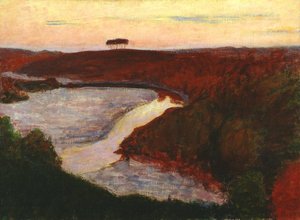
- Bemerkenswerte Gemälde: Gelände (1892), La Jeune Bretonne (1895), Gemischte Blumen auf rosa Tuch (ca. 1916), Landschaft, Cassis (1913).
- Ausstellungen: Ausgestellt im Pariser Salon und im Salon des Indépendants.
- Spätere Anerkennung: Während seines Lebens wurde O’Conor in Irland und Großbritannien weitgehend unerkannt, sein Werk erlangte jedoch posthum eine bedeutende Anerkennung. Ein Gemälde, Landschaft, Cassis, wurde 2011 für 337.250 Pfund verkauft.
Historische Bedeutung und Vermächtnis
- Pionier des Post-Impressionismus: Gilt als einer der führenden Pioniere des Post-Impressionismus unter englischsprachigen Künstlern.
- Kulturelle Verbindungen: Verbunden mit bedeutenden Persönlichkeiten wie Somerset Maugham, Gerald Kelly und Aleister Crowley, was seine Beteiligung an den intellektuellen Kreisen von Paris widerspiegelt.
- Persönliches Leben: Heirate Henrietta (Renée) Honta im Jahr 1933; sie diente oft als Modell für ihn.
- Tod: Starb am 18. März 1940 in Nueil-sur-Layon, Frankreich.
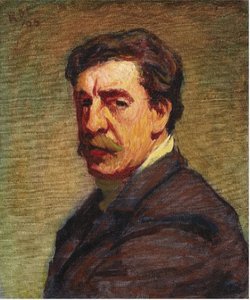
Roderic O’Conor
1860 - 1940 , Irland
Kurzinfos
- Bemerkenswerte Werke:
- Gelände (1892)
- La Jeune Bretonne (1895)
- Blumen auf rosa Stoff
- Landschaft, Cassis (1913)
- Einflussreiche Künstler:
- Paul Gauguin
- Vincent van Gogh
- Geburtsdatum: 17. Oktober 1860
- Geburtsort: Castleknock, Irland
- Künstlerische Richtung: Post-Impressionismus
- Nationalität: Irisch
- Sterbedatum: 18. März 1940
- Vollständiger Name: Roderic O’Conor
Ähnliche Artikel

Paul Cézanne: Die 25 Meisterwerke des Impressionismus | ArtsDot
Entdecken Sie die 25 Meisterwerke von Paul Cézanne! Tauchen Sie ein in die Welt des Impressionismus und Postimpressionismus. Erfahren Sie mehr über seine Stillleben, Landschaften & berühmten Gemälde – jetzt hochwertige Kunstdrucke auf ArtsDot.com.
Jenseits des Impressionismus: Die emotionale Tiefe der postimpressionistischen Malerei
Entdecken Sie die emotionale Tiefe des Postimpressionismus! Analysieren Sie Cézanne, van Gogh, Gauguin & Seurat. Expertenwissen über Kunstgeschichte und Einfluss auf die Moderne.
Postimpressionismus: Die 10 Meisterwerke, die eine Ära prägten –
Entdecken Sie die 10 Meisterwerke des Postimpressionismus! Van Gogh, Cézanne & Co. – ihre Geschichten, Techniken und zeitlose Schönheit. Kunstdrucke in Museumsqualiät auf . Jetzt entdecken!
Impressionismus und Postimpressionismus: Eine vergleichende Analyse
Entdecken Sie die Welt des Impressionismus und Postimpressionismus! Expertenwissen über Künstler wie Monet, Van Gogh & Cézanne. Jetzt lesen!

Impressionismus Meisterwerke: Die Top 10 Kunstwerke für Ihr Zuhause | ArtsDot
Entdecken Sie die Top 10 Meisterwerke des Impressionismus! Von Monet bis Renoir – erfahren Sie die Geschichten hinter berühmten Gemälden, Techniken & Farben. Hochwertige Kunstdrucke auf ArtsDot.com.

