 Vorschau anzeigen
 Versenden
 Teilen
 Details anzeigen

 Herunterladen
 Ähnliche Objekte
 Röntgenaufnahme
 Diashow
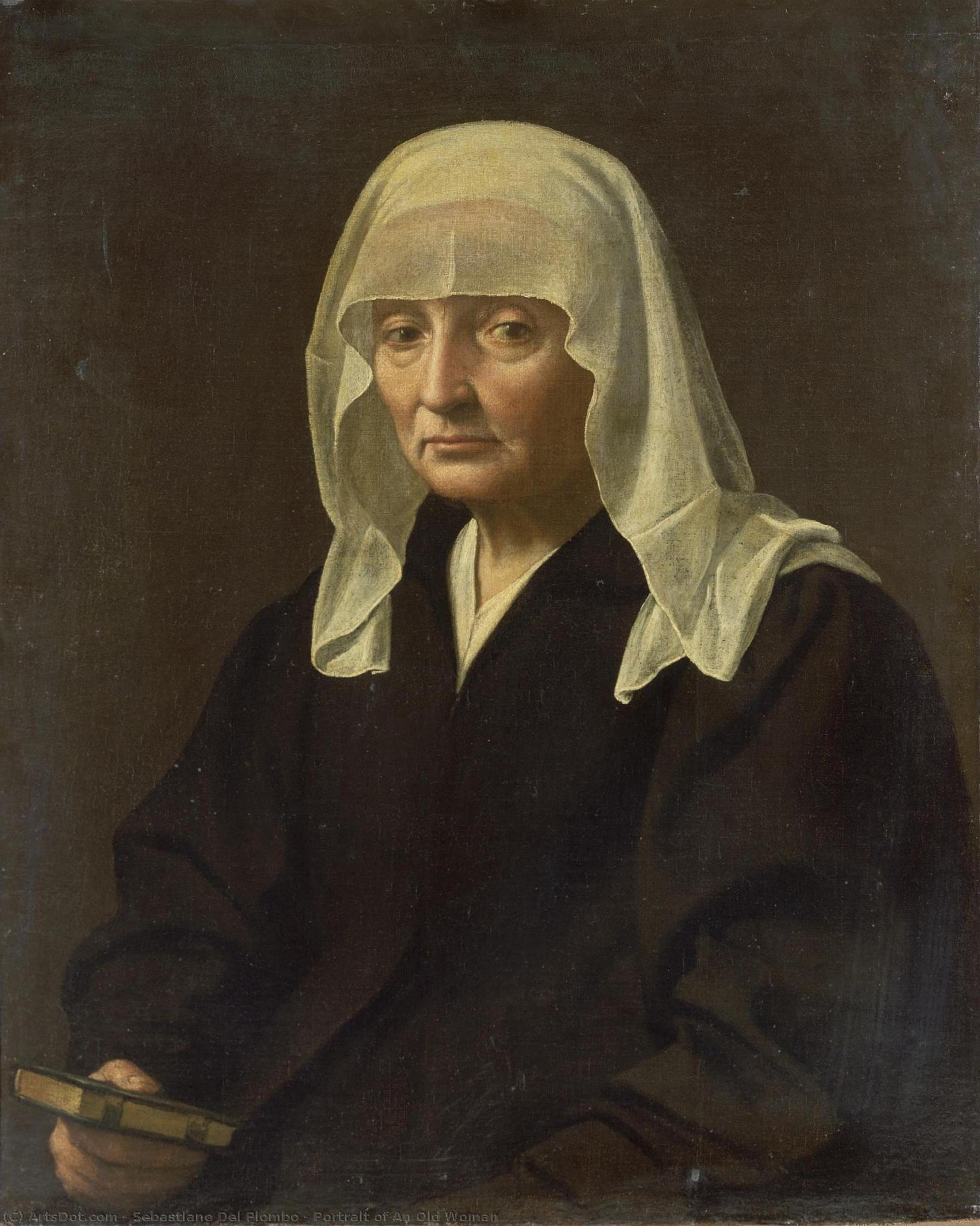
Portrait of An Old Woman


 Weiterlesen
Giclée / Kunstdruck
Giclée- oder Leinwanddruck in Museumsqualität mit schneller Produktion und flexiblen Veredelungsoptionen. ( Handgemalte Reproduktion bestellen Bild kaufen)




P118B $10

P118H $10

P118W $10

P438Z $10

P508JH $12

P508YH $12

P805H $10

P805Z $10

P919BZ $10

P919G $10

P919XJ $10

P959ZH $10

P968JZ $12

W106C $8

W218G $10

W218JH $8

W218Y $10

W307PJ $10

W316G $10

W316PJ $8

W316Y $10

W398PJ $8

W4111J $10

W500HY $15

W500JH $15

W692G $12

W849H $8

W940BG $15

W953PJ $8




Wählen Sie aus unseren vordefinierten Formaten, die den ursprünglichen Proportionen des Kunstwerks entsprechen.

Sie können Ihre eigenen Maße eingeben, um ein bestimmtes Format oder einen speziellen Platz einzupassen. Wenn das von Ihnen gewählte Format nicht den Proportionen des Originalbildes entspricht, werden wir das Kunstwerk entweder beschneiden oder das Bild mit einem gespiegelten oder einfarbigen Rand erweitern. Ein digitaler Entwurf wird Ihnen zur Genehmigung zugesandt, bevor die Produktion beginnt.
Bitte beachten Sie, dass die Vorschau auf dem Bildschirm nicht den tatsächlichen Zuschnitt oder die Erweiterung widerspiegelt. Nur der Entwurf zeigt die endgültige Komposition präzise an.
Obwohl Sondermaße verfügbar sind, empfehlen wir die Auswahl eines Maßes aus der vordefinierten Liste, um die ursprünglichen Proportionen zu bewahren.
Weltweiter Versand () innerhalb von 2 Wochen statt der üblichen 4/5 Wochen. (27 August)

Kostenloser weltweiter Expressversand

Hochwertige Leinenleinwand

Umfassender Versicherungsschutz beim Versand

Zollgebühren-Rückerstattungsgarantie

Garantie für exakte Farbtreue

60 Tage Rückgaberecht (nur bei Mängeln)

100% Geld-zurück-Garantie

Mengenrabatt verfügbar
 Die Glasoption ist nur für Größen unter 110 cm verfügbar.

Portrait of An Old Woman
Giclée / Kunstdruck
Format der Reproduktion
-


Gesamtpreis
$ 62
Sammlerstück-Beschreibung
A Silent Witness: Unveiling the Layers of “Portrait of an Old Woman”
Sebastiano del Piombo’s “Portrait of an Old Woman,” painted circa 1530, isn't merely a depiction of a subject; it’s a carefully constructed meditation on age, wisdom, and perhaps even a touch of melancholy. This painting, currently residing in the Hermitage Museum in St. Petersburg, immediately draws the eye with its stark contrasts – the deep, shadowed background against the luminous white veil that frames the woman's face, creating an immediate sense of intimacy and solemnity. The composition is remarkably restrained, focusing entirely on the figure’s direct gaze, a gaze that seems to hold centuries of untold stories.
Del Piombo, a pivotal figure bridging the Venetian colorism of his early training with the monumental gravitas of Roman art, masterfully employs a technique rooted in both traditions. The rich, velvety textures achieved through layered glazes – a hallmark of Venetian painting – are juxtaposed against a more controlled, almost sculptural approach to form, reminiscent of the Roman Mannerists. Notice how the folds of her clothing aren’t simply rendered; they possess a palpable weight and volume, contributing to the overall sense of dignified presence. The subtle use of light and shadow sculpts her face, emphasizing the deep lines etched by time and experience – each wrinkle a testament to a life lived fully.
Echoes of Giorgione and the Roman Influence
Del Piombo’s artistic lineage is complex and fascinating. His early years in Venice were profoundly shaped by Giovanni Bellini and, crucially, Giorgione. The influence of Giorgione—particularly his atmospheric perspective and evocative use of color—is undeniably present in this portrait. However, unlike Giorgione's often dreamy and idyllic scenes, “Portrait of an Old Woman” possesses a greater sense of directness and psychological depth. This shift reflects Del Piombo’s subsequent relocation to Rome, where he embraced the more austere and intellectual style favored by Roman artists.
The painting’s composition also subtly nods to Roman portraiture. The woman's frontal pose, her unwavering gaze, and the careful attention to detail in rendering her features—particularly the subtle nuances of her expression—are all reminiscent of classical Roman portraits. Yet, Del Piombo doesn’t simply imitate; he synthesizes these influences into a distinctly personal style, creating an image that is both familiar and profoundly original.
Symbolism and the Weight of Years
Beyond its technical mastery, “Portrait of an Old Woman” is laden with symbolic meaning. The white veil, a traditional symbol of mourning and reverence, suggests a life marked by loss and reflection. The woman’s folded hands—a gesture of humility and perhaps quiet contemplation—invite the viewer to consider her past experiences. While the inscription "AET SVAE 87" (Age 87) is present, it's likely an embellishment added later, as the sitter’s true age remains unknown. Regardless, the reference underscores the painting’s focus on the passage of time and the accumulation of wisdom that comes with age.
The muted palette—dominated by browns, grays, and whites—further reinforces the painting's somber mood. It’s a deliberate choice that avoids any attempt to romanticize old age, instead presenting it as a dignified and contemplative state. The painting doesn’t offer easy answers or sentimental pronouncements; rather, it invites us to engage in a silent dialogue with this enigmatic figure, prompting us to reflect on our own lives and the enduring mysteries of human experience.
A Timeless Masterpiece: Reproductions and Beyond
ArtsDot offers high-quality reproductions of “Portrait of an Old Woman,” allowing art lovers worldwide to bring this captivating masterpiece into their homes. Whether you’re drawn to its historical significance, its artistic merit, or simply its evocative power, a reproduction provides a tangible connection to one of the Renaissance's most intriguing portraits. Explore our collection and discover how you can own a piece of art history.
Ähnliche Kunstwerke
Über den Künstler
Frühes Leben und Ausbildung
Sebastiano del Piombo, ein italienischer Maler der Hochrenaissance, hinterließ mit seiner einzigartigen Verbindung aus venezianischer Farbe und römischen monumentalen Formen einen bleibenden Eindruck in der Kunstwelt. Geboren um 1485 in Venedig, ist Sebastianos frühes Leben von Geheimnissen umgeben, aber es ist bekannt, dass er erst spät im Leben mit dem Malen begann und Schüler Giorgiones (1477/78 oder 1473/74 – 1510) wurde, einem bedeutenden Maler der venezianischen Hochrenaissance.Aufstieg in Rom
Sebastianos Karriere gewann an Schwung, als er 1511 nach Rom zog, wo er zusammen mit Raffael arbeitete und schließlich zu den wenigen Malern gehörte, die eine gute Beziehung zu Michelangelo pflegten, der ihn ermutigte, gegen Raffael um Aufträge zu konkurrieren. Diese Erfahrung führte dazu, dass Sebastiano zum führenden Maler Roms nach Raffaels Tod im Jahr 1520 wurde.Wichtige Werke und Kooperationen
- Die drei Philosophen (Kunsthistorisches Museum, Wien, Österreich), eine Zusammenarbeit mit Giorgione, zeigt Sebastianos einzigartigen Stil.
- Moses empfängt die Gesetzestafeln (Detail) (Madonna dell'orto, Venedig, Italien) demonstriert seine Meisterschaft in Öl auf Leinwand.
Entwicklung und künstlerischer Stil
Sebastiano del Piombo vereinte Elemente des venezianischen Kolorits mit der monumentalen Stärke römischer Kunst. Sein Stil zeichnete sich durch eine kraftvolle Darstellung von Figuren aus, oft größer als das Leben, die er durch lebendige Farben und eindrucksvolle Lichteffekte ausglichen konnte. Er bevorzugte Ölfarben und schuf sowohl Porträts als auch religiöse Szenen. Obwohl er in seinen frühen Jahren in Venedig bereits einen eigenen Stil entwickelte, festigte er ihn in Rom unter dem Einfluss Michelangelos.Bedeutung und Vermächtnis
Trotz seiner Bedeutung zu Lebzeiten war Sebastiano del Piombos Einfluss auf andere Künstler begrenzt, da er wenige prominente Schüler hatte und seine Werke nur selten verbreitet wurden. Sein einzigartiger Stil, der venezianische Farbenreichtum mit römischer Monumentalität verbindet, inspiriert jedoch weiterhin Kunstliebhaber. Erkunden Sie weitere Werke von Giorgione auf ArtsDot, Vertiefen Sie sich in Sebastiano del Piombos Biografie auf Wikipedia, Entdecken Sie Sebastiano del Piombos Profil auf ArtsDot. Wichtige Daten: * Geboren: ca. 1485, Venedig * Gestorben: 21. Juni 1547 * Bemerkenswerte Zusammenarbeit: Die drei Philosophen, mit Giorgione (Kunsthistorisches Museum, Wien, Österreich)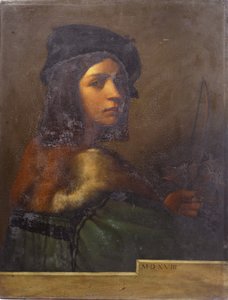
Sebastiano del Piombo
1485 - 1547 , Italien
Kurzinfos
- Beeinflusste Künstler:
- Giorgione
- Raphael
- Michelangelo
- Bemerkenswerte Werke:
- Die drei Philosophen
- Moses empfängt die Tabellen
- Geburtsdatum: ca. 1485
- Geburtsort: Venedig, Italien
- Künstlerische Richtung: Hochrenaissance
- Nationalität: Italiener
- Todatum: 21. Juni 1547
- Vollständiger Name: Sebastiano del Piombo
Ähnliche Artikel
Sebastiano del Piombo: Bridging Venetian Colorism & Roman Grand Manner Portraiture
Explore the captivating art of Sebastiano del Piombo, a Renaissance master bridging Venetian colorism & Roman grandeur. Discover his iconic portraits and lasting influence on art history. Learn more at ArtsDot.

Jacopo Tintoretto: Die 25 Meisterwerke des venezianischen Dramatikers | ArtsDot
Entdecken Sie die 25 Meisterwerke von Jacopo Tintoretto! Tauchen Sie ein in die dramatische Welt der venezianischen Renaissance. Hochwertige Kunst-Reproduktionen & Inspiration für Ihr Zuhause – jetzt auf ArtsDot.com.
Sebastiano Ricci: Venezianischer Meister der Barockillusion und Rokoko-Eleganz
Entdecken Sie das Werk des venezianischen Barockmeisters Sebastiano Ricci! Erfahren Sie mehr über seinen Stil, seine Fresken und sein Vermächtnis. Kunstberatung & hochwertige Reproduktionen bei ArtsDot.
Andrea del Sarto: Florentinische Eleganz und die Meisterschaft der Renaissance
Entdecken Sie das Werk von Andrea del Sarto, einem Meister der Florentiner Renaissance. Erfahren Sie mehr über seine Fresken, seinen Stil und sein Vermächtnis in diesem umfassenden Artikel. Hochwertige Reproduktionen bei ArtsDot!

The Golden Light of Innovation: Exploring the Venetian Renaissance Art Movement (1430–1580)
Explore the Golden Age of Venetian art (1430–1580). Discover Giorgione, Titian & Tintoretto's techniques, the 'colorito' revolution, and lasting influence. Expert insights for collectors & enthusiasts.