 Vorschau anzeigen
 Versenden
 Teilen
 Details anzeigen

 Herunterladen
 Ähnliche Objekte
 Röntgenaufnahme
 Diashow
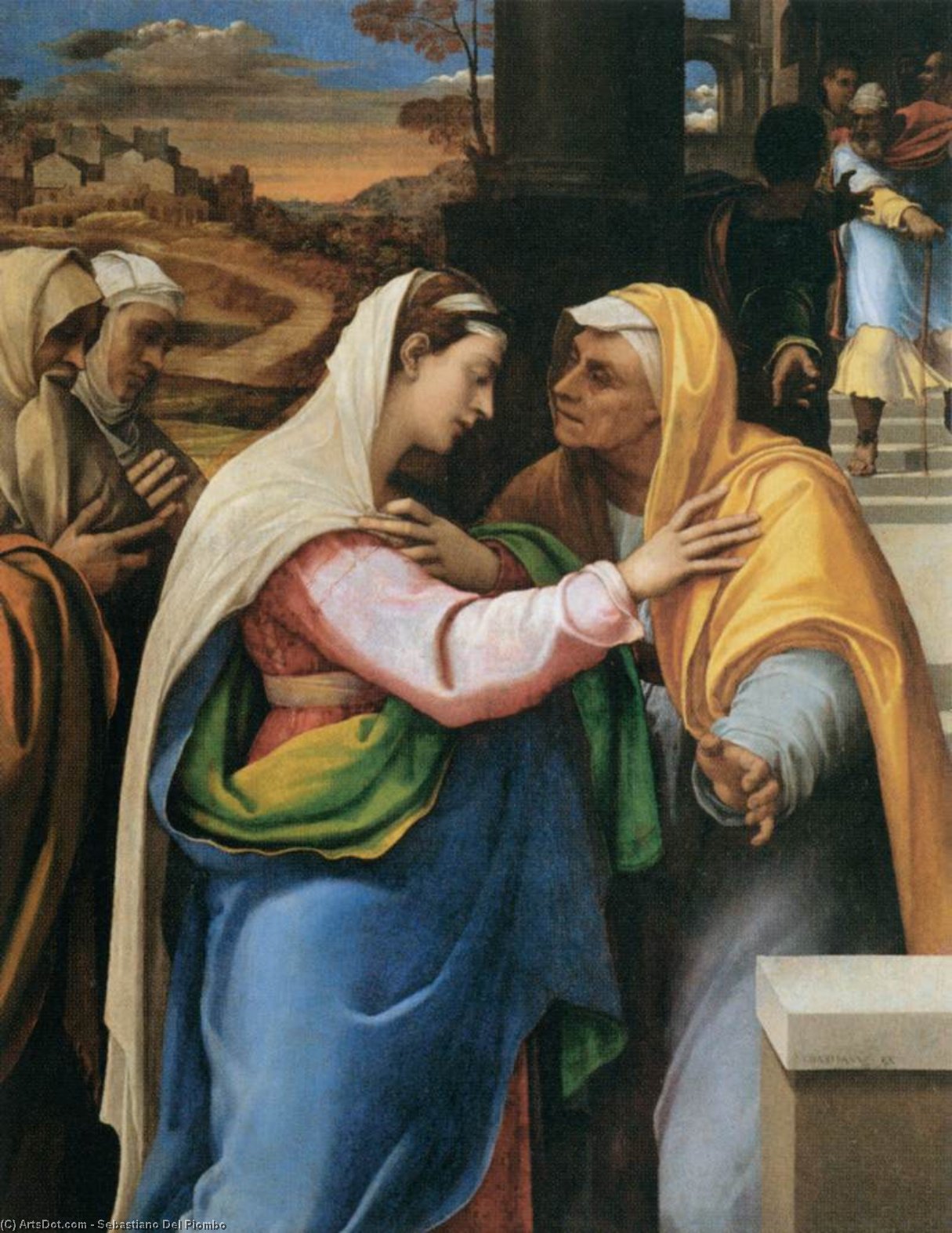
The Visitation
 Öl auf Leinwand
- Wandkunst
- Mannerist Painting
 1518
1518 168.0 x 132.0 cm
 Louvre
 Weiterlesen
Handgefertigte Ölreproduktion
Handgemaltes Ölgemälde auf Leinwand in Ihrer Wunschgröße und mit Rahmen, auf Bestellung von unseren Künstlern angefertigt. ( Druck bestellen Bild kaufen)




P118B $10

P118H $10

P118W $10

P438Z $10

P508JH $12

P508YH $12

P805H $10

P805Z $10

P919BZ $10

P919G $10

P919XJ $10

P959ZH $10

P968JZ $12

W106C $8

W218G $10

W218JH $8

W218Y $10

W307PJ $10

W316G $10

W316PJ $8

W316Y $10

W398PJ $8

W4111J $10

W500HY $15

W500JH $15

W692G $12

W849H $8

W940BG $15

W953PJ $8




Wählen Sie aus unseren vordefinierten Formaten, die den ursprünglichen Proportionen des Kunstwerks entsprechen.

Sie können Ihre eigenen Maße eingeben, um einen bestimmten Rahmen oder Platz auszufüllen. Wenn die gewählte Größe nicht den Proportionen des Originalbildes entspricht, werden wir das Kunstwerk entweder beschneiden oder das Gemälde durch zusätzliche, handgemalte Elemente erweitern. Ein digitales Mockup wird Ihnen zur Genehmigung zugesandt, bevor die Produktion beginnt.
Bitte beachten Sie, dass die Bildschirmvorschau nicht die tatsächliche Beschneidung oder Erweiterung widerspiegelt. Nur das Mockup zeigt die endgültige Komposition exakt an.
Obwohl Sondermaße verfügbar sind, empfehlen wir, eine Größe aus der vordefinierten Liste zu wählen, um die ursprünglichen Proportionen beizubehalten.
Nach der Bestellung wird das ArtsDot.com-Team dem Kunden Anweisungen per E-Mail zusenden und eine Mockup-Vorschau bereitstellen.
Weltweiter Versand () in nur 3 bis 4 Wochen statt der üblichen 5 Wochen. (22 August). Keine Kompromisse bei der Qualität.

Kostenloser weltweiter Expressversand

Hochwertige Leinenleinwand

Umfassender Versicherungsschutz beim Versand

Zollgebühren-Rückerstattungsgarantie

Garantie für exakte Farbtreue

60 Tage Rückgaberecht (nur bei Mängeln)

100% Geld-zurück-Garantie

Mengenrabatt verfügbar
 Die Glasoption ist nur für Größen unter 110 cm verfügbar.

The Visitation
Art der Reproduktion
Format der Reproduktion
-


Gesamtpreis
$ 263
Beschreibung des Kunstwerks
Sebastiano del Piombo’s “The Visitation”: A Venetian Masterpiece of Spiritual Intimacy
“The Visitation,” painted in 1518-19 by Sebastiano del Piombo, is not merely a depiction of a biblical scene; it's a profound meditation on faith, familial connection, and the quiet power of divine grace. Commissioned for Narbonne Cathedral in France, this monumental altarpiece—a rare example of a large-scale work from the artist—immediately captivates with its dramatic composition and luminous color palette, hallmarks of del Piombo’s distinctive Venetian style. It stands as a testament to his ability to synthesize the vibrant hues of Venice with the imposing grandeur of Rome, creating an image that is both deeply personal and universally resonant.
A Synthesis of Venetian Colorism and Roman Form
Del Piombo’s artistic journey was marked by a fascinating evolution. Initially trained in the traditions of Venice—influenced profoundly by Giorgione and Giovanni Bellini—he later relocated to Rome, where he encountered and absorbed the monumental scale and classical ideals championed by Michelangelo and Raphael. “The Visitation” brilliantly embodies this synthesis. The painting's rich, layered colors – deep reds, blues, and ochres – are distinctly Venetian, evoking a sense of warmth and intimacy. Yet, these vibrant hues are deployed within a carefully structured composition that echoes the principles of Roman art: a clear pyramidal arrangement, precise anatomical detail, and a deliberate use of light and shadow to create depth and drama. The figures themselves possess a dignified solemnity, reflecting the artist’s engagement with the classical tradition.
Symbolism and Narrative Depth
The scene depicted—the visit of Mary to Elizabeth, foretelling the birth of John the Baptist and Jesus – is rich in symbolic meaning. The figures are arranged within a carefully constructed architectural setting, suggesting a sacred space imbued with spiritual significance. Mary, clad in a flowing crimson robe, stands slightly forward, her gesture of blessing radiating outwards. Her youthful beauty contrasts subtly with Elizabeth’s more mature appearance, symbolizing the passage of time and the fulfillment of prophecy. The presence of the three birds—one perched near the top left corner, another towards the middle-left area, and the third at the bottom left corner – adds a layer of enigmatic symbolism, perhaps alluding to the Trinity or the divine messengers accompanying the sacred event. The inclusion of the Jewish figures in the background, contemplating the scene, subtly hints at the broader narrative arc of salvation.
Technique and Artistic Innovation
Del Piombo’s masterful technique is evident throughout “The Visitation.” He employs a complex layering of glazes to achieve remarkable luminosity and depth. The figures are rendered with meticulous detail, capturing not only their physical appearance but also their emotional states. Notably, the painting was originally conceived as a mural for Narbonne Cathedral, suggesting a scale and ambition rarely seen in his later works. While much of the original surface has been lost or altered over time, the surviving sections reveal the artist’s innovative approach to color and composition. The careful restoration efforts have also shed light on the multiple layers of paint beneath, revealing traces of earlier attempts at execution – a testament to the complexities of the work's history.
A Timeless Portrait of Spiritual Connection
“The Visitation” transcends its biblical subject matter to become a powerful meditation on human connection and faith. Del Piombo’s ability to capture both the physical beauty and the spiritual depth of his subjects is truly remarkable. The painting's enduring appeal lies in its capacity to evoke a sense of quiet contemplation, inviting viewers to reflect on themes of family, prophecy, and divine grace. It remains a significant work in the artist’s oeuvre, showcasing his unique synthesis of Venetian colorism and Roman grandeur—a masterpiece that continues to resonate with audiences today.
Ähnliche Kunstwerke

Über den Künstler
Frühes Leben und Ausbildung
Sebastiano del Piombo, ein italienischer Maler der Hochrenaissance, hinterließ mit seiner einzigartigen Verbindung aus venezianischer Farbe und römischen monumentalen Formen einen bleibenden Eindruck in der Kunstwelt. Geboren um 1485 in Venedig, ist Sebastianos frühes Leben von Geheimnissen umgeben, aber es ist bekannt, dass er erst spät im Leben mit dem Malen begann und Schüler Giorgiones (1477/78 oder 1473/74 – 1510) wurde, einem bedeutenden Maler der venezianischen Hochrenaissance.Aufstieg in Rom
Sebastianos Karriere gewann an Schwung, als er 1511 nach Rom zog, wo er zusammen mit Raffael arbeitete und schließlich zu den wenigen Malern gehörte, die eine gute Beziehung zu Michelangelo pflegten, der ihn ermutigte, gegen Raffael um Aufträge zu konkurrieren. Diese Erfahrung führte dazu, dass Sebastiano zum führenden Maler Roms nach Raffaels Tod im Jahr 1520 wurde.Wichtige Werke und Kooperationen
- Die drei Philosophen (Kunsthistorisches Museum, Wien, Österreich), eine Zusammenarbeit mit Giorgione, zeigt Sebastianos einzigartigen Stil.
- Moses empfängt die Gesetzestafeln (Detail) (Madonna dell'orto, Venedig, Italien) demonstriert seine Meisterschaft in Öl auf Leinwand.
Entwicklung und künstlerischer Stil
Sebastiano del Piombo vereinte Elemente des venezianischen Kolorits mit der monumentalen Stärke römischer Kunst. Sein Stil zeichnete sich durch eine kraftvolle Darstellung von Figuren aus, oft größer als das Leben, die er durch lebendige Farben und eindrucksvolle Lichteffekte ausglichen konnte. Er bevorzugte Ölfarben und schuf sowohl Porträts als auch religiöse Szenen. Obwohl er in seinen frühen Jahren in Venedig bereits einen eigenen Stil entwickelte, festigte er ihn in Rom unter dem Einfluss Michelangelos.Bedeutung und Vermächtnis
Trotz seiner Bedeutung zu Lebzeiten war Sebastiano del Piombos Einfluss auf andere Künstler begrenzt, da er wenige prominente Schüler hatte und seine Werke nur selten verbreitet wurden. Sein einzigartiger Stil, der venezianische Farbenreichtum mit römischer Monumentalität verbindet, inspiriert jedoch weiterhin Kunstliebhaber. Erkunden Sie weitere Werke von Giorgione auf ArtsDot, Vertiefen Sie sich in Sebastiano del Piombos Biografie auf Wikipedia, Entdecken Sie Sebastiano del Piombos Profil auf ArtsDot. Wichtige Daten: * Geboren: ca. 1485, Venedig * Gestorben: 21. Juni 1547 * Bemerkenswerte Zusammenarbeit: Die drei Philosophen, mit Giorgione (Kunsthistorisches Museum, Wien, Österreich)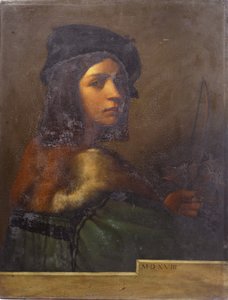
Sebastiano del Piombo
1485 - 1547 , Italien
Kurzinfos
- Beeinflusste Künstler:
- Giorgione
- Raphael
- Michelangelo
- Bemerkenswerte Werke:
- Die drei Philosophen
- Moses empfängt die Tabellen
- Geburtsdatum: ca. 1485
- Geburtsort: Venedig, Italien
- Künstlerische Richtung: Hochrenaissance
- Nationalität: Italiener
- Todatum: 21. Juni 1547
- Vollständiger Name: Sebastiano del Piombo
Ähnliche Artikel
Sebastiano del Piombo: Bridging Venetian Colorism & Roman Grand Manner Portraiture
Explore the captivating art of Sebastiano del Piombo, a Renaissance master bridging Venetian colorism & Roman grandeur. Discover his iconic portraits and lasting influence on art history. Learn more at ArtsDot.

The Enduring Legacy of Oil on Canvas: Technique, History & Aesthetic Impact
Explore the rich history & techniques of oil painting – from Renaissance masters to Impressionism. Discover pigments, layering methods, and why this timeless medium endures. Expert insights for artists & art enthusiasts.

Öl auf Leinwand: Eine historische und technische Erkundung eines zeitlosen künstlerischen Mediums
Entdecken Sie die faszinierende Welt der Ölmalerei! Von historischen Techniken bis zur modernen Anwendung – wir bieten Expertenwissen, Restaurierungstipps und hochwertige Reproduktionen. Jetzt informieren!

The Enduring Power of Painting: A Historical & Contemporary Exploration of Form and Emotion
Explore the rich history & enduring techniques of oil painting with ArtsDot. Discover masterpieces, learn about art collecting, and find authentic handmade reproductions crafted by skilled artists.
The Golden Light of Innovation: Exploring the Venetian Renaissance Art Movement (1430–1580)
Explore the Golden Age of Venetian art (1430–1580). Discover Giorgione, Titian & Tintoretto's techniques, the 'colorito' revolution, and lasting influence. Expert insights for collectors & enthusiasts.