 Vorschau anzeigen
 Versenden
 Teilen
 Details anzeigen

 Herunterladen
 Ähnliche Objekte
 Röntgenaufnahme
 Diashow
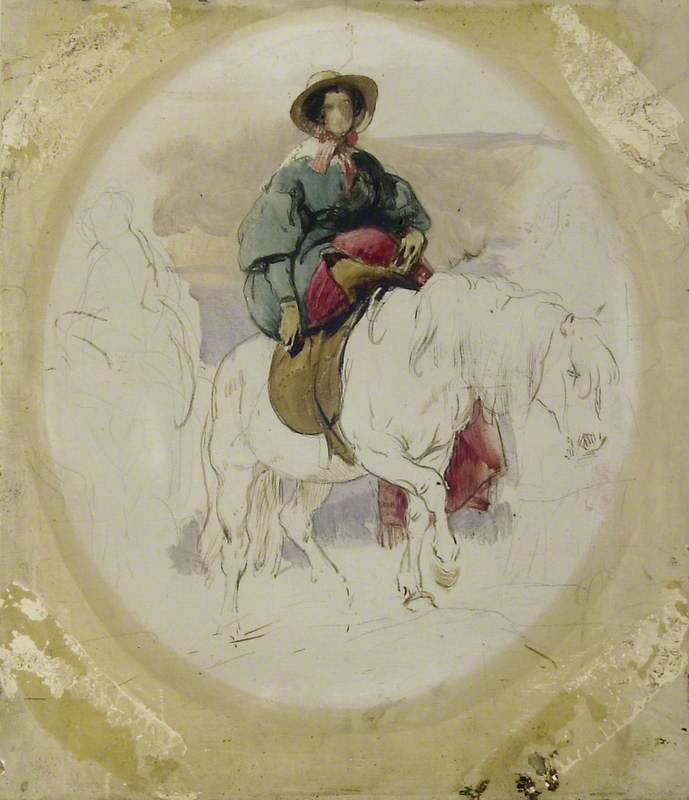
Queen Victoria on a highland Pony
 Oil On Canvas
- WallArt
- Victorian
 1838
1838 22.0 x 20.0 cm
 Ashmolean Museum of Art and Archaeology
 Weiterlesen
Giclée / Kunstdruck
Giclée- oder Leinwanddruck in Museumsqualität mit schneller Produktion und flexiblen Veredelungsoptionen. ( Handgemalte Reproduktion bestellen Bild kaufen)




P118B $10

P118H $10

P118W $10

P438Z $10

P508JH $12

P508YH $12

P805H $10

P805Z $10

P919BZ $10

P919G $10

P919XJ $10

P959ZH $10

P968JZ $12

W106C $8

W218G $10

W218JH $8

W218Y $10

W307PJ $10

W316G $10

W316PJ $8

W316Y $10

W398PJ $8

W4111J $10

W500HY $15

W500JH $15

W692G $12

W849H $8

W940BG $15

W953PJ $8




Wählen Sie aus unseren vordefinierten Formaten, die den ursprünglichen Proportionen des Kunstwerks entsprechen.

Sie können Ihre eigenen Maße eingeben, um ein bestimmtes Format oder einen speziellen Platz einzupassen. Wenn das von Ihnen gewählte Format nicht den Proportionen des Originalbildes entspricht, werden wir das Kunstwerk entweder beschneiden oder das Bild mit einem gespiegelten oder einfarbigen Rand erweitern. Ein digitaler Entwurf wird Ihnen zur Genehmigung zugesandt, bevor die Produktion beginnt.
Bitte beachten Sie, dass die Vorschau auf dem Bildschirm nicht den tatsächlichen Zuschnitt oder die Erweiterung widerspiegelt. Nur der Entwurf zeigt die endgültige Komposition präzise an.
Obwohl Sondermaße verfügbar sind, empfehlen wir die Auswahl eines Maßes aus der vordefinierten Liste, um die ursprünglichen Proportionen zu bewahren.
Weltweiter Versand () innerhalb von 2 Wochen statt der üblichen 4/5 Wochen. (27 August)

Kostenloser weltweiter Expressversand

Hochwertige Leinenleinwand

Umfassender Versicherungsschutz beim Versand

Zollgebühren-Rückerstattungsgarantie

Garantie für exakte Farbtreue

60 Tage Rückgaberecht (nur bei Mängeln)

100% Geld-zurück-Garantie

Mengenrabatt verfügbar
 Die Glasoption ist nur für Größen unter 110 cm verfügbar.

Queen Victoria on a highland Pony
Giclée / Kunstdruck
Format der Reproduktion
-


Gesamtpreis
$ 62
Sammlerstück-Beschreibung
A Moment Frozen in Time: The Majesty of Queen Victoria
Sir Edwin Henry Landseer’s “Queen Victoria on a Highland Pony,” painted in 1838, isn't merely a depiction of a royal equestrian scene; it’s a carefully constructed tableau brimming with symbolism and capturing the essence of Victorian England. The painting immediately draws the eye to Queen Victoria herself, seated regally upon a magnificent white Highland pony – a breed intrinsically linked to the rugged beauty of Scotland. Her posture exudes confidence and grace, her gaze directed forward with an air of quiet authority. The choice of this particular breed is significant; the Highland Pony was renowned for its strength, stamina, and loyalty, qualities deeply valued in both rural life and within the royal court.
The backdrop isn’t a formal palace or manicured garden, but rather a vast expanse of rolling Scottish hills – heather-clad moorland stretching towards a hazy horizon. This landscape is not simply decorative; it's integral to the painting’s narrative. It speaks to Victoria’s connection with her adopted homeland, a deliberate strategy employed by Prince Albert to foster a sense of belonging and national pride. The dramatic lighting, skillfully rendered by Landseer, emphasizes the textures of the terrain – the rough bark of trees, the undulating hills, and the vibrant purple hues of the heather – creating a palpable sense of atmosphere and inviting the viewer into this wild, untamed space.
The Artist’s Vision: Landseer's Mastery of Animal Anatomy
Edwin Landseer was more than just an animal painter; he possessed an almost uncanny ability to capture the very soul of his subjects. His meticulous study of anatomy, a practice encouraged by Benjamin Robert Haydon, allowed him to portray animals with breathtaking realism and emotional depth. In “Queen Victoria on a Highland Pony,” this is evident in every detail – the powerful musculature of the pony’s legs beneath its flowing coat, the delicate curve of its neck, and the intelligent expression in its eyes. Landseer didn't simply paint an animal; he painted *life* itself.
The painting’s technique is characterized by a rich, layered application of oil paint, creating a sense of texture and depth that draws the viewer into the scene. Landseer employed a loose, expressive brushstroke, particularly in depicting the landscape, which contributes to the overall feeling of movement and dynamism. The use of color is equally masterful – the cool blues and greens of the hills contrast beautifully with the warm tones of Victoria’s dress and the pony's white coat, creating a harmonious balance that enhances the painting’s visual impact.
Symbolism and Victorian Values
“Queen Victoria on a Highland Pony” is deeply rooted in the values of the Victorian era. The image embodies themes of duty, loyalty, and connection to nature – all highly prized virtues during this period. The Queen’s position atop the pony symbolizes her role as both a monarch and a protector of her people, while the rugged landscape represents the strength and resilience of Scotland itself. Furthermore, the painting reflects the Victorian fascination with the exotic—the Highland Pony was a relatively rare breed in England at the time, adding to its allure.
The inclusion of two other horses further enriches the composition, suggesting a scene from a hunt or a rural gathering – activities that were deeply ingrained in Victorian culture. These additional figures subtly reinforce the painting’s connection to the land and its people. The overall effect is one of understated grandeur, capturing a moment of serene beauty amidst the vastness of the Scottish wilderness.
A Timeless Masterpiece: Reproduction and Legacy
“Queen Victoria on a Highland Pony” remains a beloved and enduring image, reproduced in countless forms today. Whether viewed as an original masterpiece or a high-quality reproduction, this painting continues to captivate audiences with its beauty, artistry, and profound sense of place. It’s a testament to Landseer's genius and a poignant reminder of a pivotal moment in British history – the reign of Queen Victoria and her deep affection for Scotland.
Ähnliche Kunstwerke
Über den Künstler
Frühes Leben und Ausbildung
Sir Edwin Henry Landseer, ein bedeutender englischer Maler und Bildhauer, wurde am 7. März 1802 in London, im Vereinigten Königreich, geboren. Als Sohn des Graveurs John Landseer A.R.A. war er schon in jungen Jahren der Welt der Kunst ausgesetzt. Landseers außergewöhnliches Talent wurde früh erkannt, was dazu führte, dass er unter mehreren Künstlern studierte, darunter sein Vater und der Historienmaler Benjamin Robert Haydon.Künstlerische Karriere
Landseers künstlerische Karriere zeichnete sich durch seine herausragende Fähigkeit aus, Tiere, insbesondere Pferde, Hunde und Hirsche, einzufangen. Seine berühmtesten Werke sind jedoch die Löwenskulpturen im Trafalgar Square in London. Sir Edwin Henry Landseer war Mitglied der Royal Academy, stellte bereits im Alter von 13 Jahren Arbeiten aus und wurde später mit 24 zum Associate und mit 31 zum Akademiker ernannt.Bemerkenswerte Werke und Kooperationen
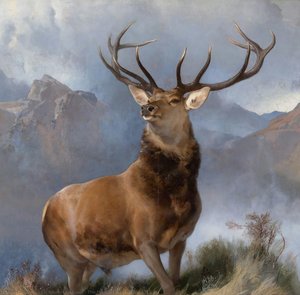
Zu Landseers bemerkenswertesten Werken gehören:- Monarch of the Glen (1851), eine majestätische Hirschstudie, die seine Fähigkeit zeigt, die Schönheit der Natur einzufangen.
- Off to the Rescue (1827), ein Gemälde mit einem Neufundländer, das Landseers Fähigkeit hervorhebt, edle Tiere darzustellen.
- Laying Down the Law (1840), ein satirisches Werk mit einer Gruppe von Hunden, das seinen Sinn für Humor und Kreativität demonstriert.
Museen mit Landseers Werken
Landseers Werke sind in verschiedenen Museen zu finden, darunter:- Tate Britain, London, Großbritannien
- Victoria and Albert Museum, London, Großbritannien
- Kenwood House, London, Großbritannien
- The Wallace Collection, London, Großbritannien
Vermächtnis
Landseers Vermächtnis geht über seine Kunst hinaus, wobei die "Landseer"-Rasse des Neufundländerhundes nach ihm benannt wurde. Seine Zusammenarbeit mit dem Maler Frederick Richard Lee und seine Porträts von Königin Victoria und ihrer Familie festigen seinen Einfluss auf die britische Kunst weiter.Online-Ressourcen
Für weitere Informationen über das Leben und Werk von Sir Edwin Henry Landseer besuchen Sie:- ArtsDot.com: Sir Edwin Henry Landseer
- Wikipedia: Sir Edwin Landseer
Schlussfolgerung
Sir Edwin Henry Landseers bemerkenswertes Talent und seine Beiträge zur britischen Kunst haben einen bleibenden Eindruck hinterlassen. Seine Werke, die Tiere und satirische Themen darstellen, inspirieren weiterhin Künstler und Kunstliebhaber gleichermaßen.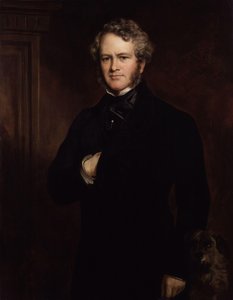
Sir Edwin Henry Landseer
1802 - 1873 , Vereinigtes Königreich
Kurzinfos
- Bemerkenswerte Werke:
- Monarch of the Glen
- Off to the Rescue
- Laying Down the Law
- Geburtsdatum: 7. März 1802
- Geburtsort (Stadt, Land): London, Vereinigtes Königreich
- Künstler, Die Diesen Künstler Beeinflussten:
- Benjamin Robert Haydon
- John Landseer
- Künstlerische Bewegung Oder Stil: Viktorianische Kunst
- Nationalität: Britisch
- Todatum: 1873
- Vollständiger Name: Sir Edwin Henry Landseer
Ähnliche Artikel
Sir Edwin Landseer: Sentiment, Society & the Victorian Animalier Tradition
Explore the life & art of Sir Edwin Landseer, Victorian Britain's foremost animal painter. Discover his iconic works, societal impact, and collecting guide at ArtsDot.
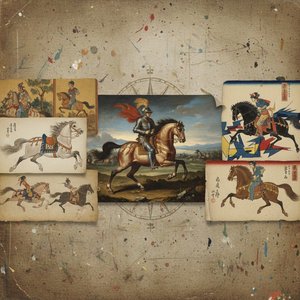
The Noble Steed on Canvas: A Historical & Artistic Exploration of Horse Painting Across Cultures
Explore the rich history of horse painting! Discover masterpieces from Stubbs to Munnings & learn about symbolism, techniques & artists. Find museum-quality reproductions at ArtsDot.
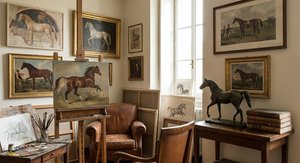
The Equine Muse: A Historical & Artistic Exploration of Horses in Painting
Explore the captivating history of horses in painting! Discover Renaissance masterpieces, Baroque grandeur & expert insights for collecting equestrian art. Learn about symbolism, techniques & lasting value with ArtsDot.
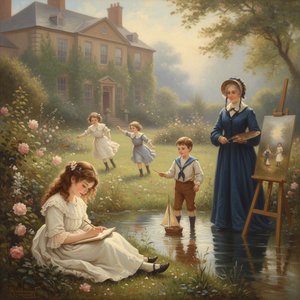
James Sant: Capturing Victorian Childhood & the Evolving Landscape of British Genre Painting
Explore the life & art of James Sant (1820-1916), renowned Victorian portraitist to Queen Victoria. Discover his captivating depictions of childhood, landscapes, and aristocratic society. Learn about his legacy & find fine art reproductions.
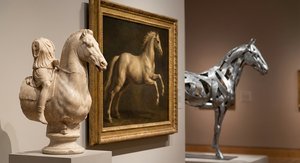
The Noble Steed: A Historical and Artistic Exploration of Horses in Fine Art
Explore the rich history of horses in fine art! From ancient depictions to Renaissance masterpieces & beyond, discover iconic artworks and artists. Learn about symbolism, techniques, and find museum-quality reproductions at ArtsDot.