 Vorschau anzeigen
 Versenden
 Teilen
 Details anzeigen

 Herunterladen
 Ähnliche Objekte
 Röntgenaufnahme
 Diashow
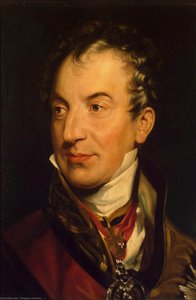
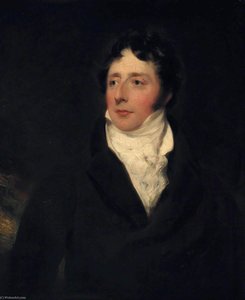
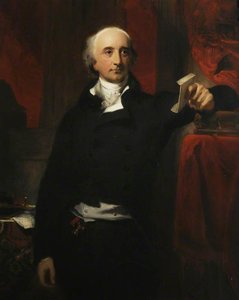
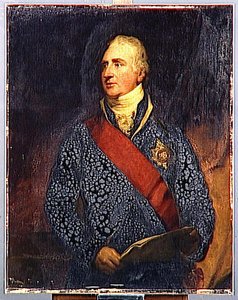
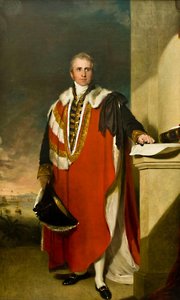
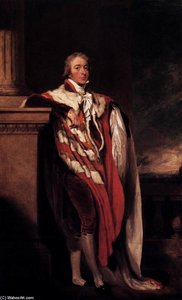
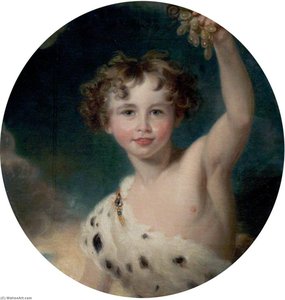
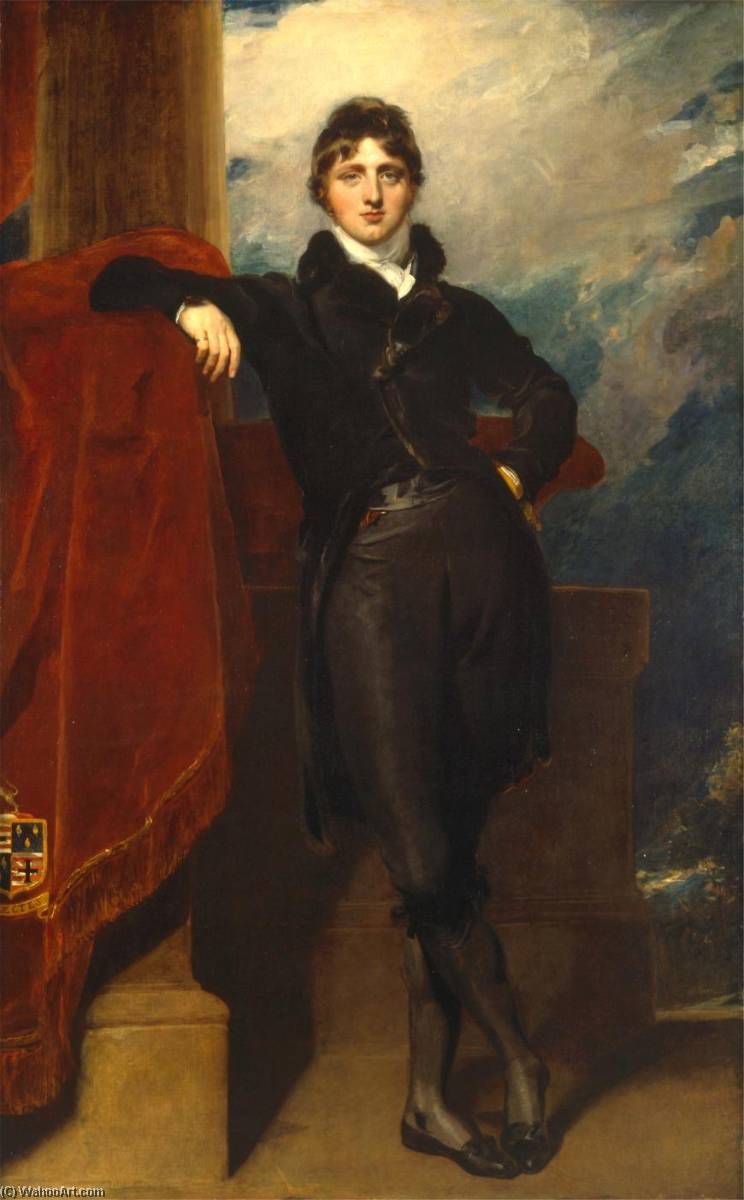
Lord Granville Leveson Gower, later 1st Earl Granville


 Weiterlesen
Handgefertigte Ölreproduktion
Handgemaltes Ölgemälde auf Leinwand in Ihrer Wunschgröße und mit Rahmen, auf Bestellung von unseren Künstlern angefertigt. ( Druck bestellen Bild kaufen)




P118B $10

P118H $10

P118W $10

P438Z $10

P508JH $12

P508YH $12

P805H $10

P805Z $10

P919BZ $10

P919G $10

P919XJ $10

P959ZH $10

P968JZ $12

W106C $8

W218G $10

W218JH $8

W218Y $10

W307PJ $10

W316G $10

W316PJ $8

W316Y $10

W398PJ $8

W4111J $10

W500HY $15

W500JH $15

W692G $12

W849H $8

W940BG $15

W953PJ $8




Wählen Sie aus unseren vordefinierten Formaten, die den ursprünglichen Proportionen des Kunstwerks entsprechen.

Sie können Ihre eigenen Maße eingeben, um einen bestimmten Rahmen oder Platz auszufüllen. Wenn die gewählte Größe nicht den Proportionen des Originalbildes entspricht, werden wir das Kunstwerk entweder beschneiden oder das Gemälde durch zusätzliche, handgemalte Elemente erweitern. Ein digitales Mockup wird Ihnen zur Genehmigung zugesandt, bevor die Produktion beginnt.
Bitte beachten Sie, dass die Bildschirmvorschau nicht die tatsächliche Beschneidung oder Erweiterung widerspiegelt. Nur das Mockup zeigt die endgültige Komposition exakt an.
Obwohl Sondermaße verfügbar sind, empfehlen wir, eine Größe aus der vordefinierten Liste zu wählen, um die ursprünglichen Proportionen beizubehalten.
Nach der Bestellung wird das ArtsDot.com-Team dem Kunden Anweisungen per E-Mail zusenden und eine Mockup-Vorschau bereitstellen.
Weltweiter Versand () in nur 3 bis 4 Wochen statt der üblichen 5 Wochen. (26 August). Keine Kompromisse bei der Qualität.

Kostenloser weltweiter Expressversand

Hochwertige Leinenleinwand

Umfassender Versicherungsschutz beim Versand

Zollgebühren-Rückerstattungsgarantie

Garantie für exakte Farbtreue

60 Tage Rückgaberecht (nur bei Mängeln)

100% Geld-zurück-Garantie

Mengenrabatt verfügbar
 Die Glasoption ist nur für Größen unter 110 cm verfügbar.

Lord Granville Leveson Gower, later 1st Earl Granville
Art der Reproduktion
Format der Reproduktion
-


Gesamtpreis
$ 263
Beschreibung des Kunstwerks
A Vision of Regency Grandeur: The Majesty of Lord Granville Leveson Gower
In the sweeping annals of British portraiture, few eras capture the intoxicating blend of aristocratic poise and romantic idealism quite like the Regency period. Sir Thomas Lawrence’s portrait of Lord Granville Levan Gower, completed between 1804 and 1809, serves as a breathtaking window into this gilded age. As a quintessential emblem of high society, the painting transcends a mere physical likeness; it is a meticulously crafted tableau that speaks to the very soul of an era defined by opulent patronage and an unwavering fascination with visual prestige. When one gazes upon this work, there is an immediate sense of encountering a man of profound significance, captured at the height of his social and political promise.
The subject, who would later ascend to become the 1st Earl Granville, is presented with a commanding presence that demands attention. Lawrence utilizes the "grand manner" style—a tradition inherited from the legendary Joshua Reynolds—to imbue the sitter with an aura of effortless authority. Positioned centrally within the frame, Lord Granville stands with his hands resting confidently on his hips, a posture that radiates self-assurance and noble dignity. His gaze, directed slightly upward and toward the viewer, establishes a psychological connection that is both intimate and imposing, inviting the observer to participate in the silent dialogue of the aristocracy.
Mastery of Light and the Art of the Brush
Technically, the portrait is a triumph of Lawrence’s virtuoso handling of oil on canvas. The artist was renowned for his ability to achieve a luminous, almost ethereal surface through the painstaking application of translucent glazes. This technique allows light to penetrate the upper layers of paint, reflecting back from the base to create a skin tone that feels warm, breathing, and remarkably lifelike. Every brushstroke serves a purpose; while some are refined and precise to capture the intricate textures of the sitter's attire, others possess an expressive, fluid quality that lends the composition a sense of movement and vitality.
The color palette is a masterclass in sophisticated restraint. Lawrence employs a backdrop of muted reds and deep blues, colors traditionally associated with the richness of aristocratic interiors. This choice does more than provide contrast; it anchors the figure within a space of luxury and permanence. The subtle interplay of light and shadow—the chiaroscuro effect—sculpts the sitter's features, lending depth to the folds of his clothing and creating a dramatic tension that keeps the eye wandering across the canvas, discovering new nuances in the fabric and the soft, atmospheric clouds visible in the distance.
Symbolism and the Emotional Resonance of a Legacy
Beyond the technical brilliance lies a profound layer of symbolism that would have been instantly recognizable to a contemporary audience. The inclusion of the heavy red curtain is not merely decorative; it is a theatrical device used to signify prestige, power, and the grandeur of the stage upon which the elite performed their social roles. Furthermore, the suggestion of clouds in the background introduces an element of the sublime, hinting at the sitter’s intellectual depth and his engagement with the philosophical and romantic ideals of the time. It suggests a man whose influence extends beyond the terrestrial halls of politics into the realm of thought and contemplation.
For the discerning collector or interior designer, this portrait offers much more than aesthetic beauty. It provides a sense of historical weight and an atmosphere of timeless elegance. Whether placed in a formal study, a grand hallway, or a curated gallery space, a high-quality reproduction of this masterpiece brings with it the spirit of the Regency era—a period of unparalleled sophistication. To possess such a work is to invite a piece of British history into one's environment, fostering an atmosphere of intellectual curiosity and refined taste that continues to inspire awe centuries after Lawrence first laid his brush to canvas.
Ähnliche Kunstwerke
Über den Künstler
Frühes Leben und Ausbildung
- Geboren: Bristol, Vereinigtes Königreich, 13. April 1769
- Gestorben: London, 7. Januar 1830
- Eltern: Thomas Lawrence (Zollbeamter) und Lucy Read.
- Frühes Talent: Zeigte von jungem Alter an ein prodigiöses künstlerisches Talent und begann um das zehnte Lebensjahr zu zeichnen.
- Autodidakt: War weitgehend Autodidakt, obwohl er einige Anweisungen in Französisch und Latein erhielt.
- Familienunterstützung: Unterstützte seine Familie zunächst durch Pastellporträts während seines Aufenthalts in Bath.
- Umzug nach London: Zog im Alter von 18 Jahren nach London und etablierte sich schnell als Porträtmaler.
Karriere und künstlerische Entwicklung
- Frühe Aufträge: Erhielt 1789 seine erste königliche Auftragsarbeit, ein Porträt von Königin Charlotte.
- Mitgliedschaft in der Royal Academy: Wurde 1791 Associate und 1794 Vollmitglied der Royal Academy.
- Präsident der Royal Academy: War ab 1820 Präsident der Royal Academy.
- Porträts für die Waterloo-Kammer: Beauftragt, Porträts der alliierten Staats- und Regierungschefs für die Waterloo-Kammer im Windsor Castle zu malen, was seine Fähigkeiten demonstrierte und internationale Anerkennung erlangte.
- Stil & Technik: Bekannt für seine Fähigkeit, Gesichtszüge einzufangen und seine Virtuosität im Umgang mit Farbe. Beeinflusst von Sir Joshua Reynolds. Sein Stil entwickelte sich während seiner Karriere kaum weiter.
- Themenwahl: Konzentrierte sich hauptsächlich auf Porträts und porträtierte Adelige, Könige und prominente Persönlichkeiten der Regency-Ära.
Wichtige Errungenschaften und Anerkennung
- Modischster Porträtmaler: Galt zu seiner Zeit als einer der modischsten Porträtmaler Europas.
- Königliche Förderung: Genoss großzügige Unterstützung vom Prince Regent (später König Georg IV.).
- Internationale Anerkennung: Seine Arbeiten wurden 1824 im Pariser Salon ausgestellt und ernteten die Bewunderung französischer Künstler wie Delacroix.
- Beteiligung an der National Gallery: Spielte eine Rolle bei der Gründung der National Gallery und der Sicherung der Elgin-Marmorstatuen für Großbritannien.
- Auszeichnungen: 1815 zum Sir ernannt.
Einflüsse und Vermächtnis
- Sir Joshua Reynolds: Ein bedeutender Einfluss auf Lawrences frühe Entwicklung als Porträtmaler.
- Alte Meister: Studierte umfangreich Zeichnungen alter Meister, insbesondere von Michelangelo und Raffael.
- Romantik: Seine Arbeit spiegelte den Glanz der Regency-Ära wider und entsprach romantischen künstlerischen Idealen.
- Rückgang in der viktorianischen Ära: Lawrences Ruf ließ während der viktorianischen Zeit nach, wurde aber seitdem teilweise wiederhergestellt.
- Bleibender Einfluss: Bleibt eine wichtige Figur in der britischen Kunstgeschichte und wird für seine Fähigkeiten, seinen Charme und seine Fähigkeit gefeiert, das Wesen seiner Motive einzufangen.
Kontroversen und Privatleben
- Finanzielle Schwierigkeiten: Trotz seines Erfolgs hatte Lawrence einen Großteil seines Lebens mit Schulden zu kämpfen.
- Komplexe Beziehungen: Hatte schwierige Beziehungen zu Sally und Maria Siddons.
- Beziehungen der Sitter: Seine Sitter gehörten sowohl Sklavenbesitzern als auch Abolitionisten an, was die komplexe soziale Landschaft seiner Zeit widerspiegelt.
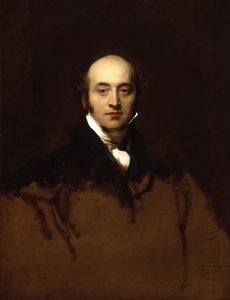
Sir Thomas Lawrence
1769 - 1830 , Vereinigtes Königreich
Kurzinfos
- Beeinflusste Künstler: ['Sir Joshua Reynolds']
- Bemerkenswerte Werke:
- Portrait von Königin Charlotte
- Waterloo-Chamber-Porträts
- Geburtsdatum: 13. April 1769
- Geburtsort: Bristol, Vereinigtes Königreich
- Künstlerische Bewegung: Regency-Porträtmalerei
- Nationalität: Britisch
- Sterbedatum: 7. Januar 1830
- Vollständiger Name: Sir Thomas Lawrence
Ähnliche Artikel
Thomas Lawrence: Porträtkunst, Macht und Ästhetik der Regency-Gesellschaft
Entdecken Sie das Werk von Thomas Lawrence, dem führenden Porträtmaler der Regency-Zeit. Analysieren Sie Machtinszenierung, innovative Technik und seinen Einfluss auf die britische Kunstgeschichte. Für Kenner und Sammler.
Die 25 Meisterwerke des British Museum: Kunstgeschichte für Ihr Zuhause | ArtsDot
Entdecken Sie die 25 bedeutendsten Kunstwerke des British Museum! Von ägyptischen Schätzen bis zu Meisterwerken von Rembrandt & Van Gogh – erfahren Sie faszinierende Geschichten und finden Sie hochwertige Reproduktionen für Ihr Zuhause. Jetzt auf ArtsDot.com inspirieren lassen!

The Enduring Legacy of Oil on Canvas: Technique, History & Aesthetic Impact
Explore the rich history & techniques of oil painting – from Renaissance masters to Impressionism. Discover pigments, layering methods, and why this timeless medium endures. Expert insights for artists & art enthusiasts.
Thomas Hudson: A Study in 18th-Century Portraiture & British Artistic Identity
Explore the life & work of Thomas Hudson, a leading 18th-century British portraitist. Discover his mastery of the 'Grand Manner,' influential style, and lasting impact on British art. Learn about his notable portraits like Judge William Noel & Alexander Van Aken.

Öl auf Leinwand: Eine historische und technische Erkundung eines zeitlosen künstlerischen Mediums
Entdecken Sie die faszinierende Welt der Ölmalerei! Von historischen Techniken bis zur modernen Anwendung – wir bieten Expertenwissen, Restaurierungstipps und hochwertige Reproduktionen. Jetzt informieren!