

 Vorschau anzeigen
 Versenden
 Teilen
 Details anzeigen

 Herunterladen
 Ähnliche Objekte
 Röntgenaufnahme
 Diashow
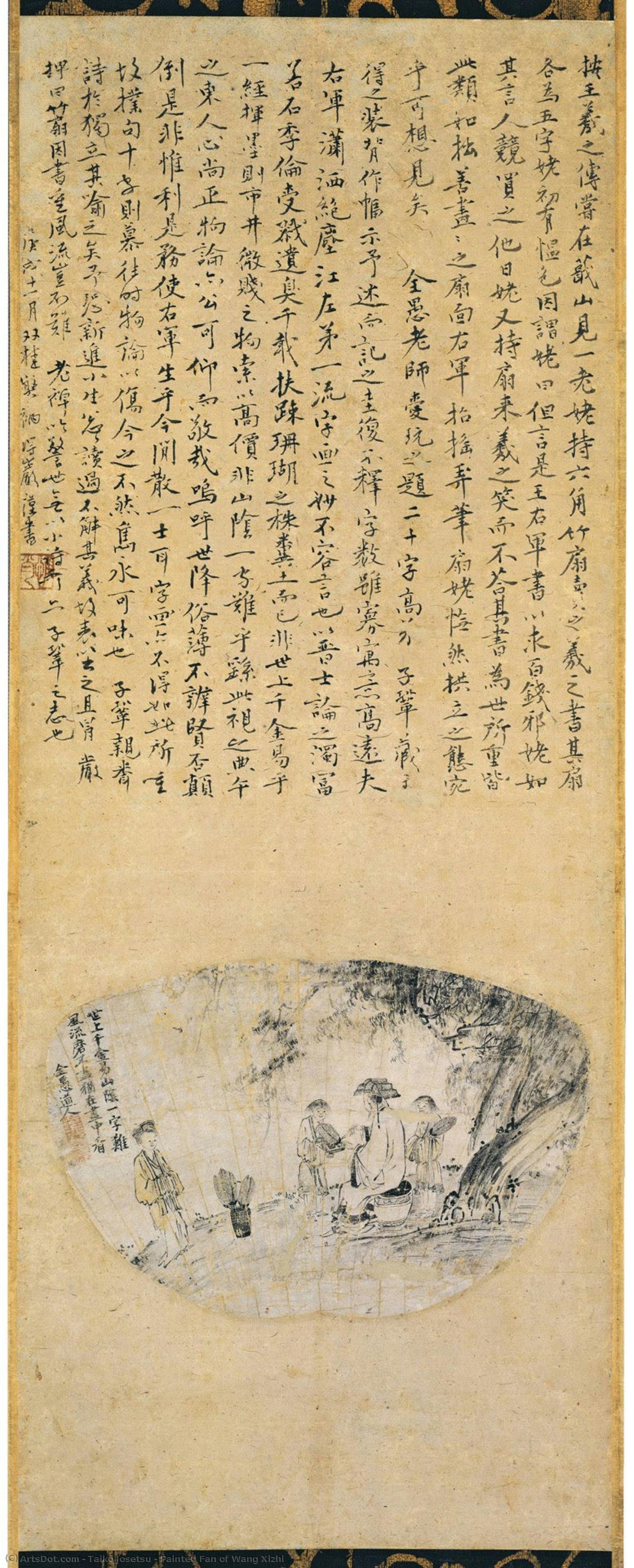
Painted Fan of Wang Xizhi

 Weiterlesen
Erwerben Sie ein hochauflösendes, optimiertes digitales Bild, das der Online-Vorschau weit überlegen ist.
Jede Datei wird von unseren hauseigenen Spezialisten mit modernsten Werkzeugen und fachmännischer manueller Retusche sorgfältig vorbereitet. Wir stellen sicher, dass jedes Bild eine außergewöhnliche Klarheit, präzise Farbgenauigkeit und feinste Details aufweist.
Die endgültige Datei wird innerhalb von 72 Stunden per E-Mail zugestellt und ist für den sofortigen Einsatz in professionellen, redaktionellen und Druckumgebungen optimiert. Es handelt sich um dieselbe Qualität, der führende Designstudios, Verlage und Galerien vertrauen.
Digitales Bild
Laden Sie eine hochauflösende Datei für die persönliche Präsentation, den Druck und kreative Projekte herunter. ( Druck bestellen Handgemalte Reproduktion bestellen)
In jeder Bestellung digitaler Bilder enthalten
Professionelle digitale Bereitstellung, garantiert
Wenn Sie sich für ArtsDot.com entscheiden, erhalten Sie nicht nur ein Bild – Sie erhalten ein professionell aufbereitetes digitales Kunstwerk, das mit höchster Präzision erstellt und durch eine Zufriedenheitsgarantie abgesichert wird. Hier ist alles, was automatisch mit Ihrer Bestellung geliefert wird:

Schnelle E-Mail-Zustellung
Ihre hochauflösende digitale Bilddatei wird Ihnen innerhalb von 72 Stunden nach der Bestellung per E-Mail zugestellt – bereit zur sofortigen Verwendung.

KI-optimierte digitale Datei
Ihre Kunstwerke werden professionell mithilfe fortschrittlicher KI-Tools und manueller Bearbeitung optimiert, um maximale Detailtreue, Klarheit und Farbgenauigkeit zu gewährleisten.

Lebenslanger kostenloser Neudruckservice
Datei versehentlich gelöscht oder verloren? Keine Sorge – wir senden sie Ihnen jederzeit kostenlos erneut zu.

Keine Einfuhrgebühren – jemals
Genießen Sie Ihr Kunstwerk sofort ohne Zollgebühren, Einfuhrabgaben oder Versandkosten – digitale Downloads sind immer steuerfrei.

Garantierte Farbtreue
Wir garantieren, dass Ihr digitales Bild mithilfe professioneller Werkzeuge und Farbmanagement die Originalfarben so präzise wie möglich wiedergibt.

60-Tage-Zufriedenheitsgarantie
Sollten Sie mit Ihrem digitalen Bild nicht zufrieden sein, werden wir es überarbeiten oder Ihnen innerhalb von 60 Tagen 100% erstatten – ohne Wenn und Aber.

100% Geld-zurück-Garantie
Nicht zufrieden? Erhalten Sie innerhalb von 60 Tagen nach Erhalt Ihrer digitalen Datei eine vollständige Rückerstattung – ohne Angabe von Gründen.

Rabatte bei Großbestellungen
3 Bilder kaufen, 10% sparen – 5 Bilder kaufen, 15% sparen – Ab 10 Bildern 20% sparen. Ideal für kreative Projekte, Galerien und Agenturen.
Details zum Sammlerstück
Ähnliche Kunstwerke
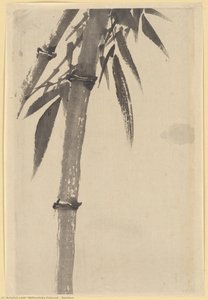
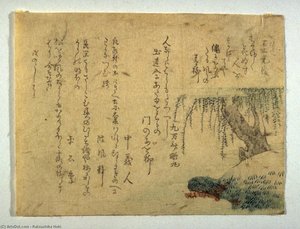
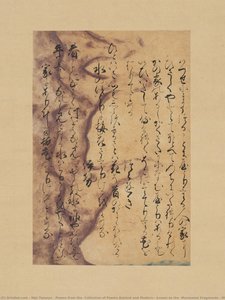
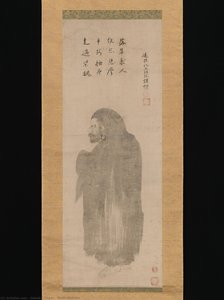
Biografie des Künstlers
Taikō Josetsu: The Father of Japanese Ink Painting
Josetsu (如拙; *fl.* 1405–1496) stands as a monumental figure in the history of Japanese art, recognized universally as the progenitor of *suiboku* style – monochromatic ink wash painting – and arguably the first practitioner of this influential technique. Despite the paucity of biographical details surrounding his life, Josetsu’s artistic legacy endures through his groundbreaking work, particularly “Catching a Catfish with a Gourd,” which cemented his place as one of the most revered artists of the Muromachi period (15th century). ### Early Life and Training in China Born around 1405 in Kyoto, Josetsu’s formative years were spent in China, where he received an intensive artistic education rooted in Zen Buddhism. Precise records concerning his family lineage remain elusive, but scholarly consensus suggests he descended from a noble clan with connections to the Fujiwara dynasty—a lineage known for its patronage of Buddhist art and scholarship. His training encompassed not only painting techniques but also calligraphy and meditation practices – disciplines inextricably linked within Zen aesthetics. This dual focus profoundly shaped Josetsu’s artistic worldview, prioritizing simplicity, contemplation, and conveying spiritual essence through visual representation. ### The Emergence of Suiboku Style: Innovation and Influence Josetsu’s pivotal contribution to Japanese art was the establishment of *suiboku* style—a revolutionary departure from prevailing polychrome techniques prevalent during his time. Prior to Josetsu's arrival in Japan, Chinese ink wash painting primarily utilized vibrant colors alongside monochrome washes; Josetsu decisively championed a purely black and white aesthetic, mirroring the Zen ideal of emptiness (*mu*) and achieving profound visual impact through subtle tonal variations. This stylistic innovation profoundly impacted subsequent generations of Japanese painters, establishing *suiboku* as the dominant form of landscape painting for centuries to come. His meticulous attention to detail—capturing textures like bamboo shoots and ripples on water—became a hallmark of this style. ### “Catching a Catfish with a Gourd”: A Zen Riddle Embodied Josetsu’s masterpiece, “Catching a Catfish with a Gourd,” exemplifies the artistic principles he championed. Painted circa 1413 for Ashikaga Yoshimochi—the fourth shogun of the Ashikaga shogunate and a devout disciple of Zen—the painting transcends mere depiction; it functions as a visual koan – a paradoxical riddle designed to provoke contemplation and challenge conventional understanding. The composition itself is deceptively simple: a solitary fisherman patiently awaiting his quarry against a backdrop of serene bamboo grove and flowing river. Yet, within this apparent stillness lies an intricate interplay of tonal gradations—a masterful demonstration of *suiboku* technique—that conveys not only the visual beauty of nature but also deeper philosophical concepts related to Zen mindfulness. The gourd symbolizes patience and perseverance, mirroring the fisherman’s unwavering focus on his task. ### Legacy and Enduring Significance Josetsu's influence extended far beyond his immediate contemporaries, shaping the trajectory of Japanese landscape painting for centuries afterward. His meticulous observation of natural forms combined with a profound understanding of Zen philosophy established *suiboku* as the quintessential expression of Japanese aesthetic ideals. Artists throughout subsequent eras drew inspiration from Josetsu’s approach—prioritizing tonal subtlety and conveying spiritual resonance—solidifying his position as the foundational figure in Japanese ink painting tradition. Today, “Catching a Catfish with a Gourd” remains housed at Taizō-in temple in Kyoto, serving as an enduring testament to Josetsu's artistic genius and the transformative power of Zen aesthetics. His work continues to inspire artists and scholars alike, ensuring his legacy persists as one of Japan’s most celebrated painters.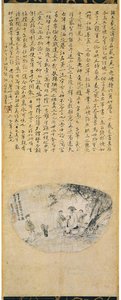
taikō josetsu
1496 , Japan
Kurzinfos
- Artistic Movement Or Style: Ink Wash Painting (Suiboku)
- Artists Or Movements Influenced By This Artist: ['Zen']
- Artists Who Influenced This Artist: ['Wang Xizhi']
- Date Of Death: 1496
- Full Name: Taikō Josetsu
- Nationality: Japanese
- Notable Artworks: ['Catching a Catfish with a Gourd']
- Place Of Birth: Kyoto, Japan

