

 Vorschau anzeigen
 Versenden
 Teilen
 Details anzeigen

 Herunterladen
 Ähnliche Objekte
 Röntgenaufnahme
 Diashow
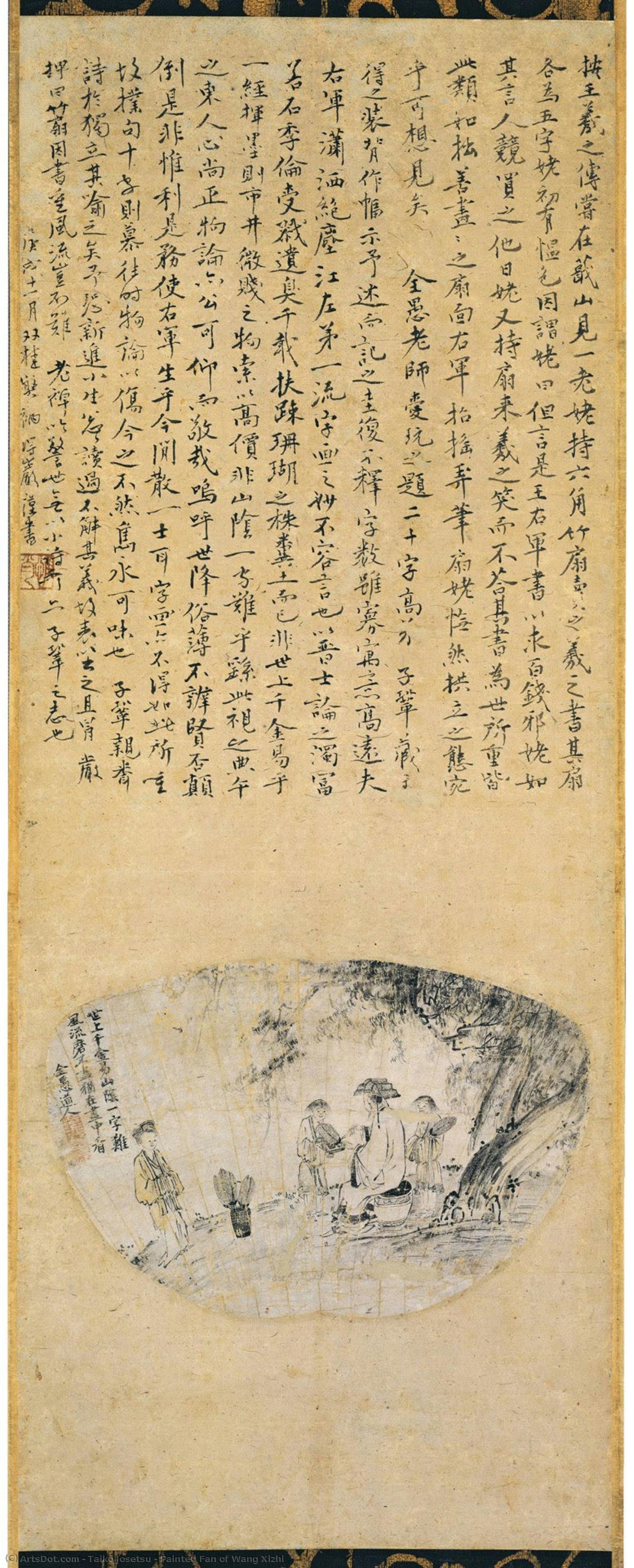
Painted Fan of Wang Xizhi

 Weiterlesen
Giclée / Kunstdruck
Giclée- oder Leinwanddruck in Museumsqualität mit schneller Produktion und flexiblen Veredelungsoptionen. ( Handgemalte Reproduktion bestellen Bild kaufen)




































Wählen Sie aus unseren vordefinierten Formaten, die den ursprünglichen Proportionen des Kunstwerks entsprechen.

Sie können Ihre eigenen Maße eingeben, um ein bestimmtes Format oder einen speziellen Platz einzupassen. Wenn das von Ihnen gewählte Format nicht den Proportionen des Originalbildes entspricht, werden wir das Kunstwerk entweder beschneiden oder das Bild mit einem gespiegelten oder einfarbigen Rand erweitern. Ein digitaler Entwurf wird Ihnen zur Genehmigung zugesandt, bevor die Produktion beginnt.
Bitte beachten Sie, dass die Vorschau auf dem Bildschirm nicht den tatsächlichen Zuschnitt oder die Erweiterung widerspiegelt. Nur der Entwurf zeigt die endgültige Komposition präzise an.
Obwohl Sondermaße verfügbar sind, empfehlen wir die Auswahl eines Maßes aus der vordefinierten Liste, um die ursprünglichen Proportionen zu bewahren.
Weltweiter Versand () innerhalb von 2 Wochen statt der üblichen 4/5 Wochen. (25 August)

Kostenloser weltweiter Expressversand

Hochwertige Leinenleinwand

Umfassender Versicherungsschutz beim Versand

Zollgebühren-Rückerstattungsgarantie

Garantie für exakte Farbtreue

60 Tage Rückgaberecht (nur bei Mängeln)

100% Geld-zurück-Garantie

Mengenrabatt verfügbar
 Die Glasoption ist nur für Größen unter 110 cm verfügbar.

Painted Fan of Wang Xizhi
Giclée / Kunstdruck
Format der Reproduktion
-


Gesamtpreis
$ 62
Sammlerstück-Beschreibung
Ähnliche Kunstwerke
Über den Künstler
Taikō Josetsu: The Father of Japanese Ink Painting
Josetsu (如拙; *fl.* 1405–1496) stands as a monumental figure in the history of Japanese art, recognized universally as the progenitor of *suiboku* style – monochromatic ink wash painting – and arguably the first practitioner of this influential technique. Despite the paucity of biographical details surrounding his life, Josetsu’s artistic legacy endures through his groundbreaking work, particularly “Catching a Catfish with a Gourd,” which cemented his place as one of the most revered artists of the Muromachi period (15th century). ### Early Life and Training in China Born around 1405 in Kyoto, Josetsu’s formative years were spent in China, where he received an intensive artistic education rooted in Zen Buddhism. Precise records concerning his family lineage remain elusive, but scholarly consensus suggests he descended from a noble clan with connections to the Fujiwara dynasty—a lineage known for its patronage of Buddhist art and scholarship. His training encompassed not only painting techniques but also calligraphy and meditation practices – disciplines inextricably linked within Zen aesthetics. This dual focus profoundly shaped Josetsu’s artistic worldview, prioritizing simplicity, contemplation, and conveying spiritual essence through visual representation. ### The Emergence of Suiboku Style: Innovation and Influence Josetsu’s pivotal contribution to Japanese art was the establishment of *suiboku* style—a revolutionary departure from prevailing polychrome techniques prevalent during his time. Prior to Josetsu's arrival in Japan, Chinese ink wash painting primarily utilized vibrant colors alongside monochrome washes; Josetsu decisively championed a purely black and white aesthetic, mirroring the Zen ideal of emptiness (*mu*) and achieving profound visual impact through subtle tonal variations. This stylistic innovation profoundly impacted subsequent generations of Japanese painters, establishing *suiboku* as the dominant form of landscape painting for centuries to come. His meticulous attention to detail—capturing textures like bamboo shoots and ripples on water—became a hallmark of this style. ### “Catching a Catfish with a Gourd”: A Zen Riddle Embodied Josetsu’s masterpiece, “Catching a Catfish with a Gourd,” exemplifies the artistic principles he championed. Painted circa 1413 for Ashikaga Yoshimochi—the fourth shogun of the Ashikaga shogunate and a devout disciple of Zen—the painting transcends mere depiction; it functions as a visual koan – a paradoxical riddle designed to provoke contemplation and challenge conventional understanding. The composition itself is deceptively simple: a solitary fisherman patiently awaiting his quarry against a backdrop of serene bamboo grove and flowing river. Yet, within this apparent stillness lies an intricate interplay of tonal gradations—a masterful demonstration of *suiboku* technique—that conveys not only the visual beauty of nature but also deeper philosophical concepts related to Zen mindfulness. The gourd symbolizes patience and perseverance, mirroring the fisherman’s unwavering focus on his task. ### Legacy and Enduring Significance Josetsu's influence extended far beyond his immediate contemporaries, shaping the trajectory of Japanese landscape painting for centuries afterward. His meticulous observation of natural forms combined with a profound understanding of Zen philosophy established *suiboku* as the quintessential expression of Japanese aesthetic ideals. Artists throughout subsequent eras drew inspiration from Josetsu’s approach—prioritizing tonal subtlety and conveying spiritual resonance—solidifying his position as the foundational figure in Japanese ink painting tradition. Today, “Catching a Catfish with a Gourd” remains housed at Taizō-in temple in Kyoto, serving as an enduring testament to Josetsu's artistic genius and the transformative power of Zen aesthetics. His work continues to inspire artists and scholars alike, ensuring his legacy persists as one of Japan’s most celebrated painters.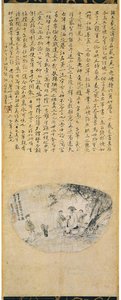
taikō josetsu
1496 , Japan
Kurzinfos
- Artistic Movement Or Style: Ink Wash Painting (Suiboku)
- Artists Or Movements Influenced By This Artist: ['Zen']
- Artists Who Influenced This Artist: ['Wang Xizhi']
- Date Of Death: 1496
- Full Name: Taikō Josetsu
- Nationality: Japanese
- Notable Artworks: ['Catching a Catfish with a Gourd']
- Place Of Birth: Kyoto, Japan
Ähnliche Artikel
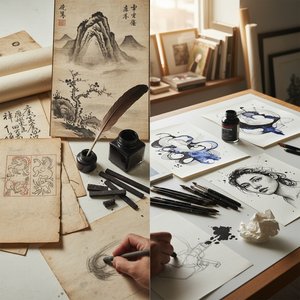
Ephemeral Expressions: Exploring the Nuances of Ink on Paper Through History & Contemporary Art
Explore the captivating world of ink wash painting – from its ancient origins to contemporary masters. Discover techniques, symbolism & conservation insights with ArtsDot.com.
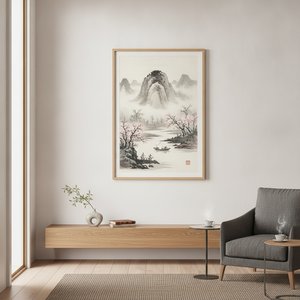
The Beauty of Ink Wash: Discover Serene & Soulful Art for Your Home
Discover the tranquil beauty of ink wash painting. Explore how Sumi-e and monochrome landscapes bring Zen-inspired serenity and soulful elegance to your home decor through expert curation and timeless East Asian aesthetics.
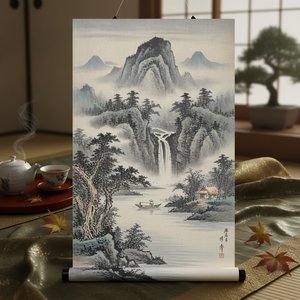
Serenity on Canvas: A Guide to the Timeless Beauty of Japanese Landscape Painting
Discover the serene beauty of Japanese landscape painting. From Hokusai's iconic woodblock prints to meditative sumi-e ink washes, explore a visual journey through the 'floating world' and learn how to bring this timeless Zen aesthetic into your modern home decor.

Katsushika Hokusai: Die 25 Meisterwerke des Ukiyo-e – Kunst für Ihr Zuhause | ArtsDot
Entdecken Sie die 25 Meisterwerke von Katsushika Hokusai! Tauchen Sie ein in die Welt des Ukiyo-e, berühmte Holzschnitte wie 'Die große Welle' & Fuji-Ansichten. Hochwertige Kunstdrucke für Ihr Zuhause – jetzt auf ArtsDot.com!
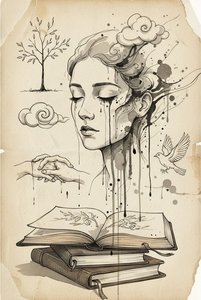
Ephemeral Lines: Exploring Emotional Resonance in Ink Sketching Traditions
Explore the profound art of ink sketching! Discover techniques to express emotion, master line work, and cultivate artistic sensitivity. Learn from historical masters & unlock your creative potential.

