

 Vorschau anzeigen
 Versenden
 Teilen
 Details anzeigen

 Herunterladen
 Ähnliche Objekte
 Röntgenaufnahme
 Diashow
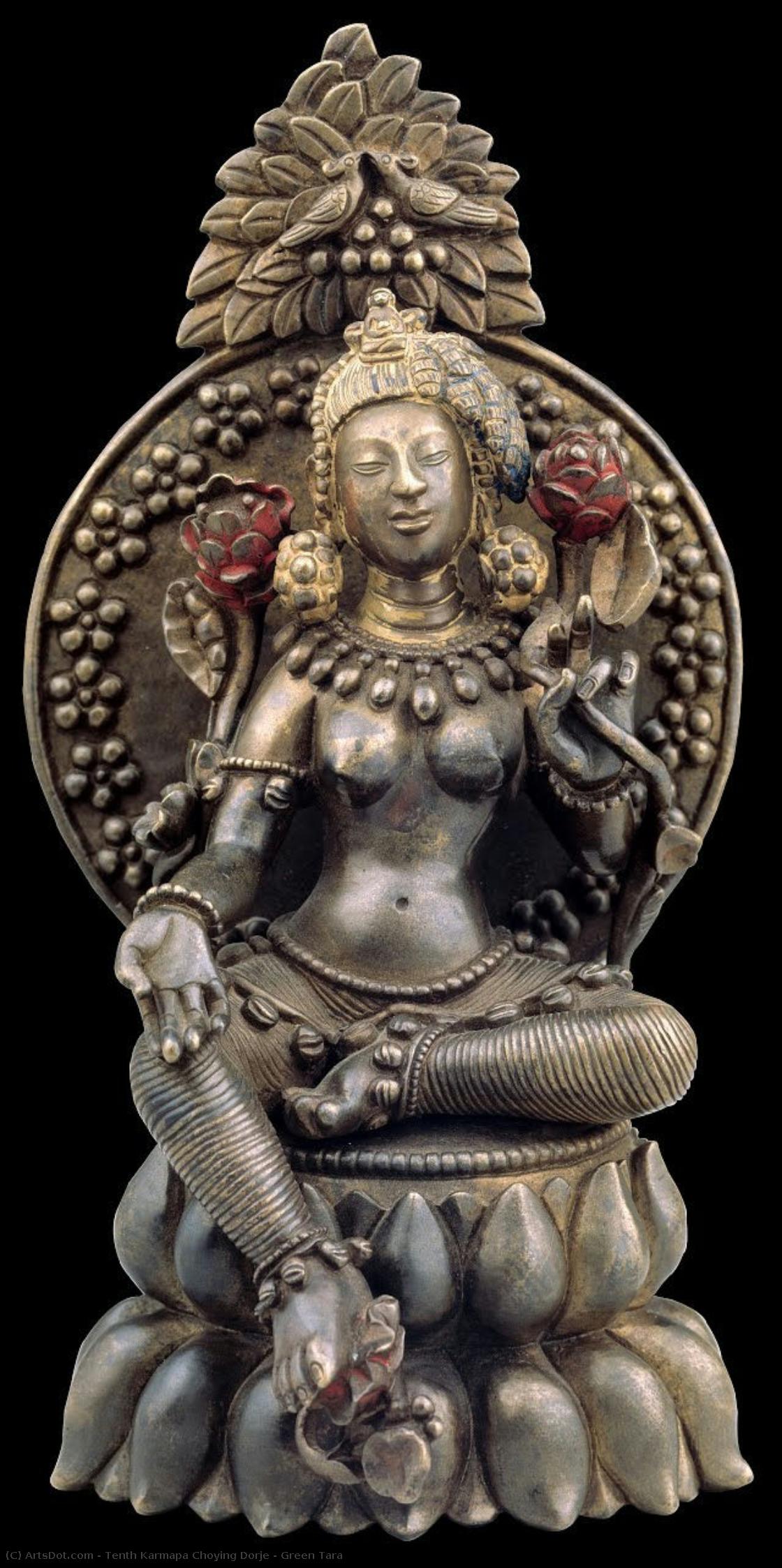
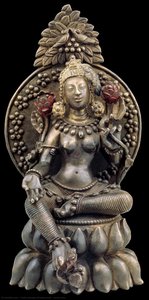
Green Tara


 Weiterlesen
Handgefertigte Ölreproduktion
Handgemaltes Ölgemälde auf Leinwand in Ihrer Wunschgröße und mit Rahmen, auf Bestellung von unseren Künstlern angefertigt. ( Druck bestellen Bild kaufen)




































Wählen Sie aus unseren vordefinierten Formaten, die den ursprünglichen Proportionen des Kunstwerks entsprechen.

Sie können Ihre eigenen Maße eingeben, um einen bestimmten Rahmen oder Platz auszufüllen. Wenn die gewählte Größe nicht den Proportionen des Originalbildes entspricht, werden wir das Kunstwerk entweder beschneiden oder das Gemälde durch zusätzliche, handgemalte Elemente erweitern. Ein digitales Mockup wird Ihnen zur Genehmigung zugesandt, bevor die Produktion beginnt.
Bitte beachten Sie, dass die Bildschirmvorschau nicht die tatsächliche Beschneidung oder Erweiterung widerspiegelt. Nur das Mockup zeigt die endgültige Komposition exakt an.
Obwohl Sondermaße verfügbar sind, empfehlen wir, eine Größe aus der vordefinierten Liste zu wählen, um die ursprünglichen Proportionen beizubehalten.
Nach der Bestellung wird das ArtsDot.com-Team dem Kunden Anweisungen per E-Mail zusenden und eine Mockup-Vorschau bereitstellen.
Weltweiter Versand () in nur 3 bis 4 Wochen statt der üblichen 5 Wochen. (7 September). Keine Kompromisse bei der Qualität.

Kostenloser weltweiter Expressversand

Hochwertige Leinenleinwand

Umfassender Versicherungsschutz beim Versand

Zollgebühren-Rückerstattungsgarantie

Garantie für exakte Farbtreue

100-Tage-Rückgaberecht (nur bei Mängeln)

100% Geld-zurück-Garantie

Mengenrabatt verfügbar
 Die Glasoption ist nur für Größen unter 110 cm verfügbar.

Green Tara
Art der Reproduktion
Format der Reproduktion
-


Gesamtpreis
$ 263
Ähnliche Kunstwerke







Über den Künstler
The Enigmatic Visionary: Tenth Karmapa Choying Dorje
The 17th-century Tibetan Buddhist master, tenth Karmapa Chöying Dorje (1604-1674), remains a figure of profound mystery and artistic brilliance. Born in the remote Golok region of eastern Tibet amidst political turmoil and sectarian conflict, his life was one of exile, relentless spiritual practice, and an astonishingly innovative approach to painting. Often overshadowed by later Karmapas known for their opulent lifestyles and political influence, Chöying Dorje’s legacy lies primarily in his artistic output – a body of work that defied convention, drawing inspiration from both traditional Tibetan iconography and the vibrant visual culture of India and China. His story is not simply one of a religious leader; it's a testament to resilience, creativity, and an unwavering commitment to preserving the essence of the Kagyu lineage.
A Life Forged in Exile
Chöying Dorje’s early life was marked by instability. The rise of the Gelug school under the Fifth Dalai Lama led to a suppression of other traditions, including the Kagyu, and the young Karmapa was forced into hiding. At just eight years old, he was recognized as the reincarnation of the ninth Karmapa by Shamarpa Chökyi Wangchuk, receiving the complete Kagyu transmission – a monumental responsibility for such a young boy. However, Tibet’s political landscape shifted dramatically when Mongol forces, led by Goshir Khan, invaded and instigated further conflict. The Karmapa was compelled to flee his homeland, embarking on a decades-long journey through Nepal, Burma, and eventually China, seeking refuge from persecution. During this period of exile, he established numerous monasteries along the way, not just as places of worship but also as centers for preserving and transmitting Buddhist teachings. This nomadic existence profoundly shaped his artistic vision – a synthesis of diverse influences and a deep connection to the landscapes he traversed.
The Art of Transformation: Style and Technique
Chöying Dorje’s paintings stand apart from the established conventions of Tibetan art. While rooted in traditional iconography, particularly the depiction of Tārā (the goddess of compassion) and Avalokiteśvara (the bodhisattva of mercy), his works are characterized by a strikingly modern sensibility. He drew heavily on Kashmiri painting – known for its vibrant colors, dynamic compositions, and expressive figures – as well as Chinese painting traditions, incorporating elements of narrative storytelling and theatricality. His Tārā paintings, in particular, are renowned for their intense emotionalism; the goddesses appear not as serene deities but as passionate, almost turbulent beings, radiating a palpable sense of urgency and compassion. He employed bold color palettes—often utilizing pigments he himself extracted from local minerals—and dynamic brushwork to convey movement and emotion. His sculptures, though less numerous than his paintings, shared this same spirit of innovation, blending traditional Tibetan forms with influences from Indian sculpture.
- Color Palette: Bold, vibrant hues derived from natural pigments.
- Composition: Dynamic and unconventional, often featuring dramatic perspectives and flowing lines.
- Subject Matter: Primarily Tārā and Avalokiteśvara, but also incorporating elements of Buddhist cosmology and narrative scenes.
- Technique: A distinctive blend of Tibetan, Kashmiri, and Chinese painting styles.
A Legacy of Innovation and Preservation
Despite facing immense challenges during his exile, Chöying Dorje remained steadfast in his commitment to preserving the Kagyu lineage. Upon his return to Tibet in 1672, he identified Yeshe Nyingpo as his successor, entrusting him with the complete transmission of the teachings and practices. His influence extended far beyond his own lifetime, shaping the artistic direction of subsequent Karmapas and contributing significantly to the development of Tibetan painting during a period of profound change. His paintings are now treasured for their beauty, emotional depth, and unique stylistic blend – offering a rare glimpse into the mind of a visionary artist who navigated political upheaval and spiritual hardship with remarkable grace and creativity. The rediscovery and study of his work continue to illuminate the rich tapestry of Tibetan art history and provide valuable insights into the life and legacy of this enigmatic master.
Further Exploration
- Green Tara Paintings: A key example of Chöying Dorje’s distinctive style.
- The Tenth Karmapa, Chöying Dorje - Wikipedia: https://en.wikipedia.org/wiki/10th_Karmapa,_Ch%C3%B6ying_Dorje
- Ian Alsop: The Sculpture of Chöying Dorjé, Tenth Karmapa:https://www.asianart.com/articles/10karmapa/index.html
- The Treasury of Lives: The Tenth Karmapa, Chöying Dorje:https://treasuryoflives.org/zh/biographies/view/The-Tenth-Karmapa-Choying-Dorje/2662
tenth karmapa choying dorje
1604 - 1674 , China
Kurzinfos
- Artistic Movement Or Style: Kagyu School Art
- Artists Or Movements Influenced By This Artist:
- Kagyu School
- Tibetan Buddhism
- Artists Who Influenced This Artist: ['Shamarpa Chökyi Wangchuk']
- Date Of Birth: April 26, 1604
- Date Of Death: 1674
- Full Name: Chöying Dorje
- Nationality: Tibetan
- Notable Artworks:
- Green Tara Paintings
- Dorje Sculpture
- Place Of Birth: Khaytri Tang, Golok, Tibet