

 Vorschau anzeigen
 Versenden
 Teilen
 Details anzeigen

 Herunterladen
 Ähnliche Objekte
 Röntgenaufnahme
 Diashow
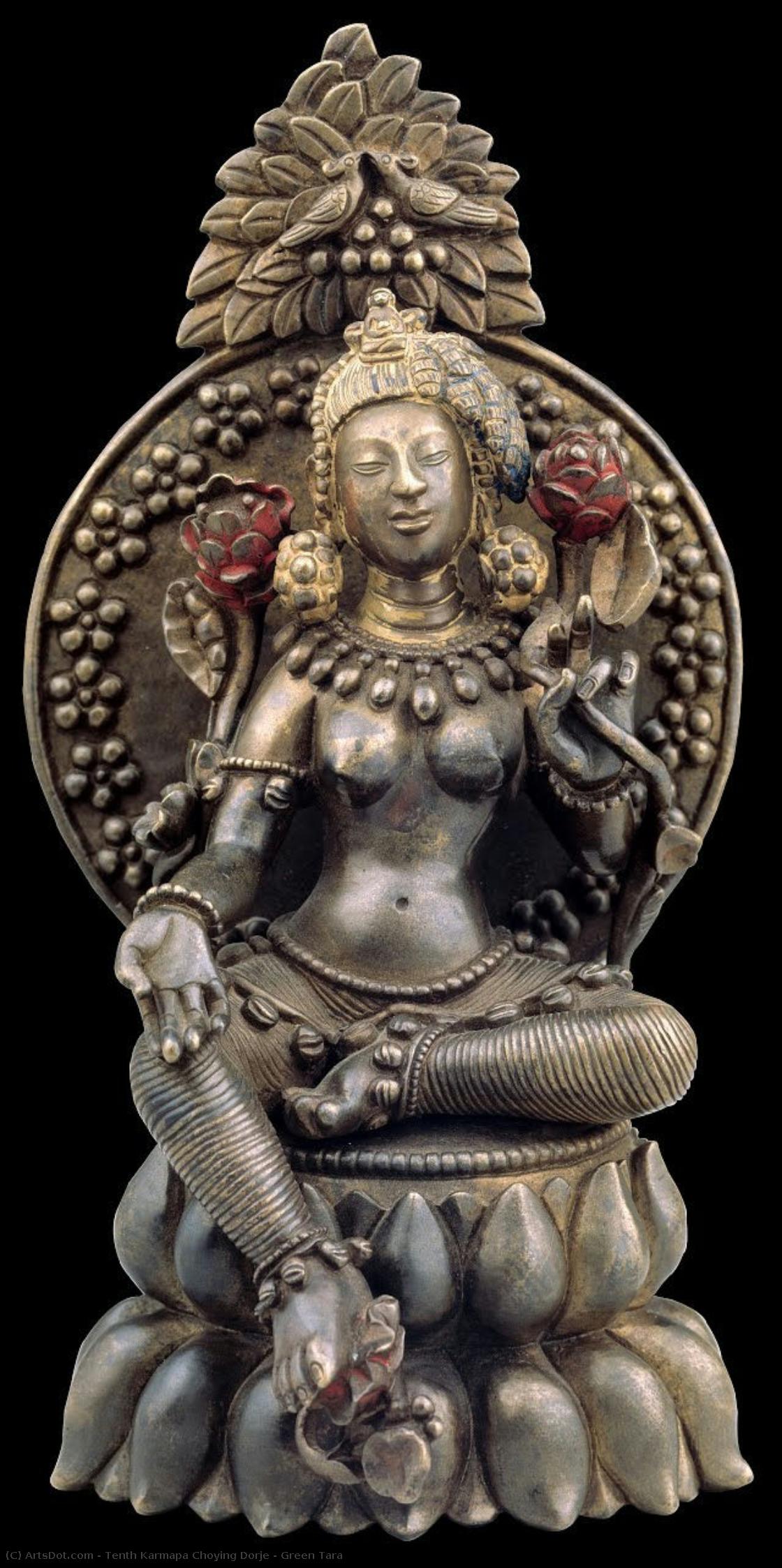
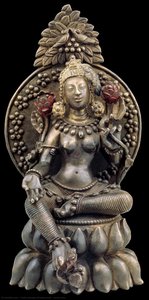
Green Tara


 Weiterlesen
Erwerben Sie ein hochauflösendes, optimiertes digitales Bild, das der Online-Vorschau weit überlegen ist.
Jede Datei wird von unseren hauseigenen Spezialisten mit modernsten Werkzeugen und fachmännischer manueller Retusche sorgfältig vorbereitet. Wir stellen sicher, dass jedes Bild eine außergewöhnliche Klarheit, präzise Farbgenauigkeit und feinste Details aufweist.
Die endgültige Datei wird innerhalb von 72 Stunden per E-Mail zugestellt und ist für den sofortigen Einsatz in professionellen, redaktionellen und Druckumgebungen optimiert. Es handelt sich um dieselbe Qualität, der führende Designstudios, Verlage und Galerien vertrauen.
Digitales Bild
Laden Sie eine hochauflösende Datei für die persönliche Präsentation, den Druck und kreative Projekte herunter. ( Druck bestellen Handgemalte Reproduktion bestellen)
In jeder Bestellung digitaler Bilder enthalten
Professionelle digitale Bereitstellung, garantiert
Wenn Sie sich für ArtsDot.com entscheiden, erhalten Sie nicht nur ein Bild – Sie erhalten ein professionell aufbereitetes digitales Kunstwerk, das mit höchster Präzision erstellt und durch eine Zufriedenheitsgarantie abgesichert wird. Hier ist alles, was automatisch mit Ihrer Bestellung geliefert wird:

Schnelle E-Mail-Zustellung
Ihre hochauflösende digitale Bilddatei wird Ihnen innerhalb von 72 Stunden nach der Bestellung per E-Mail zugestellt – bereit zur sofortigen Verwendung.

KI-optimierte digitale Datei
Ihre Kunstwerke werden professionell mithilfe fortschrittlicher KI-Tools und manueller Bearbeitung optimiert, um maximale Detailtreue, Klarheit und Farbgenauigkeit zu gewährleisten.

Lebenslanger kostenloser Neudruckservice
Datei versehentlich gelöscht oder verloren? Keine Sorge – wir senden sie Ihnen jederzeit kostenlos erneut zu.

Keine Einfuhrgebühren – jemals
Genießen Sie Ihr Kunstwerk sofort ohne Zollgebühren, Einfuhrabgaben oder Versandkosten – digitale Downloads sind immer steuerfrei.

Garantierte Farbtreue
Wir garantieren, dass Ihr digitales Bild mithilfe professioneller Werkzeuge und Farbmanagement die Originalfarben so präzise wie möglich wiedergibt.

100-Tage-Zufriedenheitsgarantie
Wenn Sie mit Ihrem digitalen Bild nicht zufrieden sind, werden wir es überarbeiten oder 100% innerhalb von 100 Tagen erstatten – ohne Wenn und Aber.

100% Geld-zurück-Garantie
Nicht zufrieden? Erhalten Sie innerhalb von 100 Tagen nach Erhalt Ihrer digitalen Datei eine vollständige Rückerstattung – ohne Wenn und Aber.

Rabatte bei Großbestellungen
3 Bilder kaufen, 10% sparen – 5 Bilder kaufen, 15% sparen – Ab 10 Bildern 20% sparen. Ideal für kreative Projekte, Galerien und Agenturen.
Ähnliche Kunstwerke







Biografie des Künstlers
The Enigmatic Visionary: Tenth Karmapa Choying Dorje
The 17th-century Tibetan Buddhist master, tenth Karmapa Chöying Dorje (1604-1674), remains a figure of profound mystery and artistic brilliance. Born in the remote Golok region of eastern Tibet amidst political turmoil and sectarian conflict, his life was one of exile, relentless spiritual practice, and an astonishingly innovative approach to painting. Often overshadowed by later Karmapas known for their opulent lifestyles and political influence, Chöying Dorje’s legacy lies primarily in his artistic output – a body of work that defied convention, drawing inspiration from both traditional Tibetan iconography and the vibrant visual culture of India and China. His story is not simply one of a religious leader; it's a testament to resilience, creativity, and an unwavering commitment to preserving the essence of the Kagyu lineage.
A Life Forged in Exile
Chöying Dorje’s early life was marked by instability. The rise of the Gelug school under the Fifth Dalai Lama led to a suppression of other traditions, including the Kagyu, and the young Karmapa was forced into hiding. At just eight years old, he was recognized as the reincarnation of the ninth Karmapa by Shamarpa Chökyi Wangchuk, receiving the complete Kagyu transmission – a monumental responsibility for such a young boy. However, Tibet’s political landscape shifted dramatically when Mongol forces, led by Goshir Khan, invaded and instigated further conflict. The Karmapa was compelled to flee his homeland, embarking on a decades-long journey through Nepal, Burma, and eventually China, seeking refuge from persecution. During this period of exile, he established numerous monasteries along the way, not just as places of worship but also as centers for preserving and transmitting Buddhist teachings. This nomadic existence profoundly shaped his artistic vision – a synthesis of diverse influences and a deep connection to the landscapes he traversed.
The Art of Transformation: Style and Technique
Chöying Dorje’s paintings stand apart from the established conventions of Tibetan art. While rooted in traditional iconography, particularly the depiction of Tārā (the goddess of compassion) and Avalokiteśvara (the bodhisattva of mercy), his works are characterized by a strikingly modern sensibility. He drew heavily on Kashmiri painting – known for its vibrant colors, dynamic compositions, and expressive figures – as well as Chinese painting traditions, incorporating elements of narrative storytelling and theatricality. His Tārā paintings, in particular, are renowned for their intense emotionalism; the goddesses appear not as serene deities but as passionate, almost turbulent beings, radiating a palpable sense of urgency and compassion. He employed bold color palettes—often utilizing pigments he himself extracted from local minerals—and dynamic brushwork to convey movement and emotion. His sculptures, though less numerous than his paintings, shared this same spirit of innovation, blending traditional Tibetan forms with influences from Indian sculpture.
- Color Palette: Bold, vibrant hues derived from natural pigments.
- Composition: Dynamic and unconventional, often featuring dramatic perspectives and flowing lines.
- Subject Matter: Primarily Tārā and Avalokiteśvara, but also incorporating elements of Buddhist cosmology and narrative scenes.
- Technique: A distinctive blend of Tibetan, Kashmiri, and Chinese painting styles.
A Legacy of Innovation and Preservation
Despite facing immense challenges during his exile, Chöying Dorje remained steadfast in his commitment to preserving the Kagyu lineage. Upon his return to Tibet in 1672, he identified Yeshe Nyingpo as his successor, entrusting him with the complete transmission of the teachings and practices. His influence extended far beyond his own lifetime, shaping the artistic direction of subsequent Karmapas and contributing significantly to the development of Tibetan painting during a period of profound change. His paintings are now treasured for their beauty, emotional depth, and unique stylistic blend – offering a rare glimpse into the mind of a visionary artist who navigated political upheaval and spiritual hardship with remarkable grace and creativity. The rediscovery and study of his work continue to illuminate the rich tapestry of Tibetan art history and provide valuable insights into the life and legacy of this enigmatic master.
Further Exploration
- Green Tara Paintings: A key example of Chöying Dorje’s distinctive style.
- The Tenth Karmapa, Chöying Dorje - Wikipedia: https://en.wikipedia.org/wiki/10th_Karmapa,_Ch%C3%B6ying_Dorje
- Ian Alsop: The Sculpture of Chöying Dorjé, Tenth Karmapa:https://www.asianart.com/articles/10karmapa/index.html
- The Treasury of Lives: The Tenth Karmapa, Chöying Dorje:https://treasuryoflives.org/zh/biographies/view/The-Tenth-Karmapa-Choying-Dorje/2662
tenth karmapa choying dorje
1604 - 1674 , China
Kurzinfos
- Artistic Movement Or Style: Kagyu School Art
- Artists Or Movements Influenced By This Artist:
- Kagyu School
- Tibetan Buddhism
- Artists Who Influenced This Artist: ['Shamarpa Chökyi Wangchuk']
- Date Of Birth: April 26, 1604
- Date Of Death: 1674
- Full Name: Chöying Dorje
- Nationality: Tibetan
- Notable Artworks:
- Green Tara Paintings
- Dorje Sculpture
- Place Of Birth: Khaytri Tang, Golok, Tibet