

 Vorschau anzeigen
 Versenden
 Teilen
 Details anzeigen

 Herunterladen
 Ähnliche Objekte
 Röntgenaufnahme
 Diashow
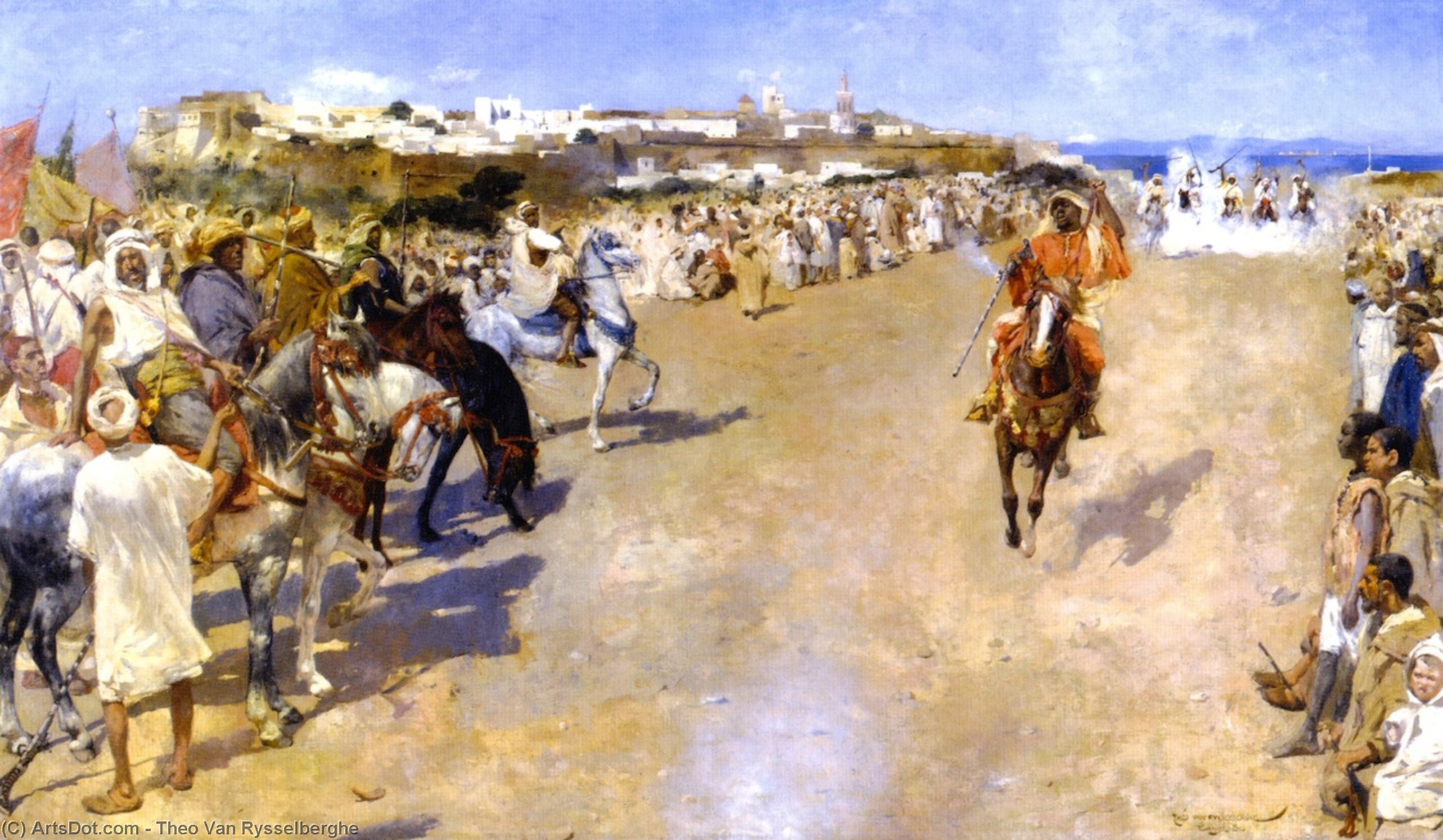
Fantasia: Gunpowder Games, Morocco (also known as Fantasia: jeux de la poudre, MarocTangiers)
 Oil On Canvas
- WallArt
- Post-Impressionism
 1884
1884- 19th Century
 170.0 x 300.0 cm
 Weiterlesen
Erwerben Sie ein hochauflösendes, optimiertes digitales Bild, das der Online-Vorschau weit überlegen ist.
Jede Datei wird von unseren hauseigenen Spezialisten mit modernsten Werkzeugen und fachmännischer manueller Retusche sorgfältig vorbereitet. Wir stellen sicher, dass jedes Bild eine außergewöhnliche Klarheit, präzise Farbgenauigkeit und feinste Details aufweist.
Die endgültige Datei wird innerhalb von 72 Stunden per E-Mail zugestellt und ist für den sofortigen Einsatz in professionellen, redaktionellen und Druckumgebungen optimiert. Es handelt sich um dieselbe Qualität, der führende Designstudios, Verlage und Galerien vertrauen.
Digitales Bild
Laden Sie eine hochauflösende Datei für die persönliche Präsentation, den Druck und kreative Projekte herunter. ( Druck bestellen Handgemalte Reproduktion bestellen)
In jeder Bestellung digitaler Bilder enthalten
Professionelle digitale Bereitstellung, garantiert
Wenn Sie sich für ArtsDot.com entscheiden, erhalten Sie nicht nur ein Bild – Sie erhalten ein professionell aufbereitetes digitales Kunstwerk, das mit höchster Präzision erstellt und durch eine Zufriedenheitsgarantie abgesichert wird. Hier ist alles, was automatisch mit Ihrer Bestellung geliefert wird:

Schnelle E-Mail-Zustellung
Ihre hochauflösende digitale Bilddatei wird Ihnen innerhalb von 72 Stunden nach der Bestellung per E-Mail zugestellt – bereit zur sofortigen Verwendung.

KI-optimierte digitale Datei
Ihre Kunstwerke werden professionell mithilfe fortschrittlicher KI-Tools und manueller Bearbeitung optimiert, um maximale Detailtreue, Klarheit und Farbgenauigkeit zu gewährleisten.

Lebenslanger kostenloser Neudruckservice
Datei versehentlich gelöscht oder verloren? Keine Sorge – wir senden sie Ihnen jederzeit kostenlos erneut zu.

Keine Einfuhrgebühren – jemals
Genießen Sie Ihr Kunstwerk sofort ohne Zollgebühren, Einfuhrabgaben oder Versandkosten – digitale Downloads sind immer steuerfrei.

Garantierte Farbtreue
Wir garantieren, dass Ihr digitales Bild mithilfe professioneller Werkzeuge und Farbmanagement die Originalfarben so präzise wie möglich wiedergibt.

60-Tage-Zufriedenheitsgarantie
Sollten Sie mit Ihrem digitalen Bild nicht zufrieden sein, werden wir es überarbeiten oder Ihnen innerhalb von 60 Tagen 100% erstatten – ohne Wenn und Aber.

100% Geld-zurück-Garantie
Nicht zufrieden? Erhalten Sie innerhalb von 60 Tagen nach Erhalt Ihrer digitalen Datei eine vollständige Rückerstattung – ohne Angabe von Gründen.

Rabatte bei Großbestellungen
3 Bilder kaufen, 10% sparen – 5 Bilder kaufen, 15% sparen – Ab 10 Bildern 20% sparen. Ideal für kreative Projekte, Galerien und Agenturen.
A Grand Spectacle of Light and Tradition
In the vast, sun-drenched expanse of Theo van Rysselberghe’s 1884 masterpiece, Fantasia: Gunpowder Games, Morocco, the viewer is transported to a moment of breathtaking cultural intensity. This monumental oil on canvas, measuring an impressive 170 x 300 cm, serves as more than just a depiction of a Moroccan tradition; it is a window into the soul of the Maghreb through the eyes of a Belgian master. The scene captures the rhythmic energy of the Fantasia, a traditional equestrian performance where the thunder of hooves and the sudden crack of gunpowder create a sensory symphony. As the eye wanders across the sandy dunes, it encounters a lively procession of figures—men on horseback, camels, and pedestrians—all moving with a shared sense of purpose toward a distant, fortified citadel that looms majestically against the horizon.
The composition is masterfully orchestrated to evoke a sense of infinite movement. Van Rysselberghe utilizes a broad horizontal plane to emphasize the sheer scale of the landscape, drawing the observer into the journey of the travelers. The foreground, textured with the granular detail of sand dunes and scattered figures, provides a grounded entry point that leads the gaze toward the middle ground, where the heart of the action resides. Here, the interplay between the human element and the wild, untamed environment creates a dynamic tension. The distant fortress, perched atop a hill overlooking the sea, adds a layer of architectural grandeur and historical weight, suggesting a world of ancient secrets and enduring strength.
The Alchemy of Post-Impressionist Color and Light
Technically, this work stands as a pivotal moment in the evolution of Post-Impressionism. Van Rys selberghe moves beyond the mere observation of light to an expressive interpretation of it. His palette is a warm, evocative tapestry of ochre, beige, and muted browns that mimic the heat of the North African sun, yet these earthy tones are brilliantly punctuated by the cooler blues and greens of the sky and the sea. The artist employs a technique that marries the precision of realism with the fluid, energetic brushstrokes characteristic of the Impressionist influence. This creates a shimmering effect, where the light seems to dance across the surfaces of the horses' coats and the folds of the travelers' garments.
The lighting in Fantasia is nothing short of dramatic. Strong highlights strike the figures and the distant stone walls of the citadel, casting deep, evocative shadows across the desert floor. This high contrast does more than create depth; it imbues the scene with a cinematic quality, heightening the emotional stakes of the encounter. For the collector or interior designer, such a piece offers an unparalleled focal point. The way the light interacts with the textured brushwork allows the painting to change character depending on the time of day and the lighting of the room, making it a living element of any sophisticated interior space.
A Legacy of Cultural Encounter and Artistic Vision
Beyond its aesthetic brilliance, the painting serves as a profound historical document. Created during an era of intense cultural exchange between Europe and North Africa, the work reflects the 19th-century fascination with Orientalism. However, Van Rysselberghe transcends the often-romanticized tropes of his contemporaries by infusing the scene with a palpable sense of life and authenticity. His travels to Morocco clearly left an indelible mark on his psyche, allowing him to capture the essence of the local traditions not as an outsider looking in, but as an artist deeply moved by the spirit of the land.
Symbolically, the piece explores themes of exploration, movement, and the meeting of worlds. The procession itself can be seen as a metaphor for the human journey—a collective movement through a vast, sometimes daunting landscape toward a structured, civilized destination. For those seeking to adorn their homes or galleries with art that inspires wonder, this reproduction offers a rare opportunity to possess a fragment of art history. It is a work that invites contemplation, sparks conversation, and brings the vibrant, sun-soaked energy of a bygone era into the modern living space.
Ähnliche Kunstwerke
Biografie des Künstlers
Frühes Leben und Ausbildung
Theo van Rysselberghe, eine bedeutende Figur in der europäischen Kunstszene des frühen 20. Jahrhunderts, wurde am 23. November 1862 in Gent, Belgien, in einer französischsprachigen bürgerlichen Familie geboren. Er begann seine künstlerische Laufbahn unter der Anleitung von Theo Canneel an der Akademie von Gent und studierte später ab 1879 an der Académie Royale des Beaux-Arts in Brüssel.Künstlerische Entwicklung und Einflüsse
Van Rysselberghes frühe Arbeiten, wie beispielsweise *Selbstbildnis mit Pfeife (1880)*, waren durch düstere Farben gekennzeichnet und spiegelten die belgische Realitätstradition jener Zeit wider. Sein *Kind in einer offenen Stelle des Waldes (1880)* markierte jedoch eine Abkehr von diesem Stil und einen frühen Schritt hin zum Impressionismus. Seine anschließenden Reisen nach Marokko (1882-1888) beeinflussten seine Arbeit maßgeblich, wie man an *Arabischer Strassenpflasterer (1882)*, *Arabischer Junge (1882)* und *Ruhender Wächter (1883)* erkennen kann.Gründung der Les XX und bedeutende Werke
Als Mitbegründer des belgischen Künstlerkreises Les XX am 28. Oktober 1883 spielte van Rysselberghe eine entscheidende Rolle in der europäischen Kunstszene. Seine *Arabische Phantasia (1884)*, ein großes, exotisches Gemälde, ist sein bekanntestes Werk aus dieser Zeit und zeugt von seiner Besessenheit vom Licht.- Wichtige Werke:
- *Spanische Frau (1881) *
- *Sevillanische Frau (1882)*
- *Abraham Sicsu, Dolmetscher in Tanger (1884)*
Wirken und Museumsbestände
Van Rysselberghes Vermächtnis ist in verschiedenen Museumsbeständen zu finden, darunter im Museum voor Schone Kunsten (Gent, Belgien), das mehrere seiner Werke beherbergt, wie beispielsweise *Eine Lesende* und *Selbstbildnis mit Pfeife [Skizze]*. Sein Einfluss auf die Entwicklung des Neo-Impressionismus in Europa ist unbestreitbar.- Museumsbestände:
- Musée du Luxembourg (Frankreich) - mit *Pointe-Saint-Pierre, Saint-Tropez*
- Theo van Rysselberghes Sammlung auf ArtsDot
Schlussfolgerung
Theo van Rysselberghe, ein belgischer neoimpressionistischer Maler, hat seine bleibenden Spuren in der europäischen Kunstszene hinterlassen. Seine künstlerische Entwicklung, beeinflusst von seinen Reisen und Interaktionen mit anderen Künstlern, führte zu einem einzigartigen Stil, der das Publikum weiterhin in seinen Bann zieht. Entdecken Sie weitere seiner Werke und seines Vermächtnisses auf ArtsDot.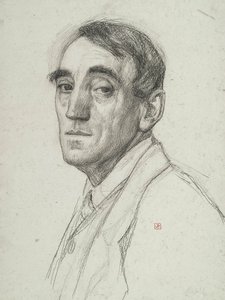
Theo van Rysselberghe
1862 - 1926 , Belgien
Kurzinfos
- Beeinflusste Künstler: ['Georges Seurat']
- Bemerkenswerte Werke:
- Regenbogen
- Arabischer Straßenkömmler
- Arabischer Junge
- Ruhender Wächter
- Geburtsdatum: 23. November 1862
- Geburtsort: Gent, Belgien
- Künstlerische Bewegung: Neo-Impressionismus
- Nationalität: Belgisch
- Sterbedatum: 13. Dezember 1926
- Vollständiger Name: Theo van Rysselberghe

