 Vorschau anzeigen
 Versenden
 Teilen
 Details anzeigen

 Herunterladen
 Ähnliche Objekte
 Röntgenaufnahme
 Diashow
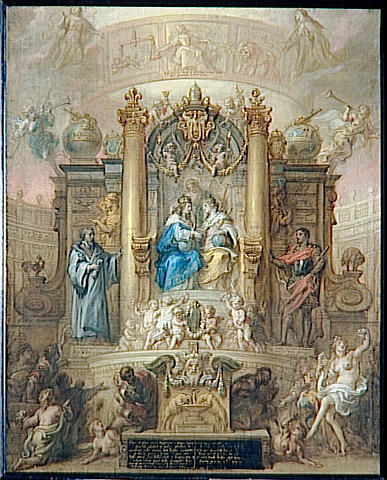
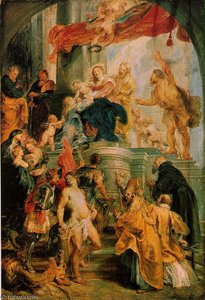
L'ALLIANCE DE LA FRANCE ET DE L'ESPAGNE


 Weiterlesen
Handgefertigte Ölreproduktion
Handgemaltes Ölgemälde auf Leinwand in Ihrer Wunschgröße und mit Rahmen, auf Bestellung von unseren Künstlern angefertigt. ( Druck bestellen Bild kaufen)




P118B $10

P118H $10

P118W $10

P438Z $10

P508JH $12

P508YH $12

P805H $10

P805Z $10

P919BZ $10

P919G $10

P919XJ $10

P959ZH $10

P968JZ $12

W106C $8

W218G $10

W218JH $8

W218Y $10

W307PJ $10

W316G $10

W316PJ $8

W316Y $10

W398PJ $8

W4111J $10

W500HY $15

W500JH $15

W692G $12

W849H $8

W940BG $15

W953PJ $8




Wählen Sie aus unseren vordefinierten Formaten, die den ursprünglichen Proportionen des Kunstwerks entsprechen.

Sie können Ihre eigenen Maße eingeben, um einen bestimmten Rahmen oder Platz auszufüllen. Wenn die gewählte Größe nicht den Proportionen des Originalbildes entspricht, werden wir das Kunstwerk entweder beschneiden oder das Gemälde durch zusätzliche, handgemalte Elemente erweitern. Ein digitales Mockup wird Ihnen zur Genehmigung zugesandt, bevor die Produktion beginnt.
Bitte beachten Sie, dass die Bildschirmvorschau nicht die tatsächliche Beschneidung oder Erweiterung widerspiegelt. Nur das Mockup zeigt die endgültige Komposition exakt an.
Obwohl Sondermaße verfügbar sind, empfehlen wir, eine Größe aus der vordefinierten Liste zu wählen, um die ursprünglichen Proportionen beizubehalten.
Nach der Bestellung wird das ArtsDot.com-Team dem Kunden Anweisungen per E-Mail zusenden und eine Mockup-Vorschau bereitstellen.
Weltweiter Versand () in nur 3 bis 4 Wochen statt der üblichen 5 Wochen. (4 September). Keine Kompromisse bei der Qualität.

Kostenloser weltweiter Expressversand

Hochwertige Leinenleinwand

Umfassender Versicherungsschutz beim Versand

Zollgebühren-Rückerstattungsgarantie

Garantie für exakte Farbtreue

60 Tage Rückgaberecht (nur bei Mängeln)

100% Geld-zurück-Garantie

Mengenrabatt verfügbar
 Die Glasoption ist nur für Größen unter 110 cm verfügbar.

L'ALLIANCE DE LA FRANCE ET DE L'ESPAGNE
Art der Reproduktion
Format der Reproduktion
-


Gesamtpreis
$ 488
A Tapestry of Alliance: Van Thulden’s “L’Alliance de la France et de l’Espagne”
Theodoor van Thulden's "L'Alliance de la France et de l'Espagne," painted around 1659, is more than a historical depiction; it’s a meticulously crafted allegory of power, diplomacy, and the burgeoning unity between two European giants. This monumental work, now residing within the esteemed collection of the Louvre Museum in Paris, offers a captivating glimpse into the Baroque era’s penchant for dramatic storytelling and opulent visual language. Van Thulden, deeply influenced by the dynamism of Peter Paul Rubens, masterfully blends Flemish realism with Italianate grandeur, creating an image that is both formally impressive and emotionally resonant.
The scene unfolds within a richly appointed architectural setting – a vast, tiered space reminiscent of a royal palace or grand hall. A central throne dominates the composition, flanked by imposing figures representing France and Spain. These aren’t merely portraits; they are embodiments of their respective nations, radiating an aura of authority and strength. Above them, a complex structure of columns, arches, and decorative elements—a veritable cascade of ornamentation—elevates the scene towards a celestial realm, suggesting divine sanction for this alliance. Below, a vibrant throng of putti (cherubic infants), allegorical figures, and what appear to be historical or mythological characters swirl around the central axis, creating a layered narrative that invites prolonged contemplation.
A Symphony of Color and Light
Van Thulden’s palette is a testament to Baroque richness – a harmonious blend of deep blues, shimmering golds, creamy whites, and muted earth tones. The dominant use of gold isn't merely decorative; it serves to highlight key elements—the throne, the figures, and the architectural details—drawing the viewer’s eye and emphasizing their importance. The background employs softer pastel hues – delicate pinks and yellows – which create an ethereal atmosphere, contrasting sharply with the more grounded tones of the foreground. The artist skillfully manipulates light and shadow to sculpt forms, adding depth and volume to the scene. A warm, directional glow emanates from behind the central figures, lending them a sense of divine presence or regal importance, while strategically placed shadows define their musculature and drapery.
Decoding the Allegory: Symbolism in Detail
“L’Alliance de la France et de l'Espagne” is replete with symbolic elements that enrich its meaning. The throne itself represents power, authority, and the stability of the alliance. The putti, often associated with love, joy, and prosperity, are scattered throughout the scene, suggesting a future of abundance and happiness for both nations. The presence of shields and banners—emblazoned with the emblems of France and Spain—further reinforces the theme of unity and mutual defense. Beyond these readily apparent symbols, subtle details hint at deeper meanings – perhaps referencing specific treaties or events that solidified the alliance. The overall emotional tone is one of grandeur, celebration, and political significance, reflecting the momentous occasion it depicts.
Technique and Artistic Legacy
Van Thulden’s masterful technique showcases his command of oil painting on canvas. He employs a layered approach, building up color gradually to create depth and volume. Brushwork is generally refined, suggesting a skilled hand and meticulous attention to detail. The artist skillfully utilizes glazing techniques to achieve subtle color transitions and luminous effects, particularly in the drapery and architectural elements. The flattened perspective, characteristic of Baroque art, contributes to the overall sense of drama and grandeur. This painting stands as a prime example of Van Thulden’s ability to seamlessly blend Flemish realism with Italianate influences, resulting in a visually stunning and intellectually stimulating work of art.
Further Exploration
- Useful Links: ArtsDot.com - Theodoor Van Thulden
- Wikipedia: Wikipedia - Theodoor van Thulden
- Louvre Museum: Louvre Museum - L'Alliance de la France et de l’Espagne
- Joconde: Joconde - L'Alliance de la France et de l’Espagne
Ähnliche Kunstwerke



Über den Künstler
Early Life and Training
Theodoor van Thulden, a pivotal figure in the Dutch Baroque art scene, was born on August 9th, 1606, in ‘s-Hertogenbosch, North Brabant. His lineage intertwined with the world of craftsmanship; his father, Jacob Gerits van Tulden, was an orfèvre (a skilled artisan specializing in metalwork), engaging in the lucrative trade of textiles. His mother, Heylwich (Heylke) van Meurs, descended from another family of orfévres – Dierck Aerts van Moers. This familial connection to artistry provided a fertile ground for Theodoor’s burgeoning talent. His artistic journey commenced under the tutelage of Abraham van Blijenberch, a respected painter and portraitist, beginning in 1622. Van Blijenberch, having previously worked as a court painter in London for King James I, instilled in young Theodoor a foundational understanding of composition, technique, and the nuances of capturing human form – skills that would prove invaluable throughout his career. The early years were marked by diligent study and apprenticeship, laying the groundwork for his future artistic endeavors.Artistic Career and Influences
Van Thulden’s formal training culminated in his acceptance as a master within the Guild of St. Luke in Antwerp in 1627 – a significant milestone signifying his mastery of painting techniques and professional standing. This move to Antwerp, a vibrant center for artistic innovation during this period, proved instrumental in shaping his style and expanding his network. Crucially, Van Thulden’s work was profoundly influenced by the towering figure of Peter Paul Rubens, arguably the most celebrated painter of the Flemish Baroque. The two artists maintained a close working relationship, with Rubens frequently commissioning Van Thulden for various projects, including the elaborate decorations for the “Joyous Entry” (Pompa Introitus) of Cardinal-Infante Ferdinand in Antwerp in 1635. This monumental undertaking showcased Van Thulden’s ability to execute complex designs and collaborate effectively within a large artistic team. Rubens's influence is readily apparent in Van Thulden’s compositions – the dynamic movement, rich colors, dramatic lighting, and theatrical flair characteristic of the Baroque style are all hallmarks of his work. However, it’s important to note that Van Thulden didn’t simply mimic Rubens; he developed a distinct artistic voice, blending Flemish tradition with elements of Mannerism, particularly evident in his early works.Notable Works and Collaborations
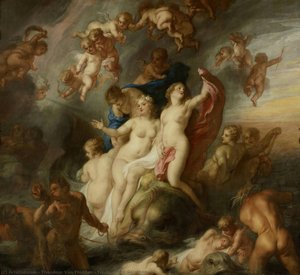
Van Thulden's oeuvre encompasses a diverse range of subjects, including mythological scenes, allegorical representations, historical narratives, portraits, and depictions of village festivals and weddings – often imbued with a quiet dignity and elegance. One of his most celebrated achievements is “Triumph der Galathea” (1659), now housed in the Picture Gallery Sanssouci in Potsdam, Germany. This monumental painting exemplifies Van Thulden’s mastery of composition, color, and dramatic storytelling. His collaboration with Rubens on the decorations for the “Joyous Entry” remains a testament to their artistic synergy – a complex undertaking that required meticulous planning, skillful execution, and a shared vision. Beyond these major projects, Van Thulden produced numerous altarpieces for churches throughout Flanders and the Netherlands, each reflecting his evolving style and technical skill. His engravings, particularly those depicting scenes from Odysseus’s journey, demonstrate his talent as a printmaker and further solidified his reputation as a versatile artist.Museum Collections and Historical Significance
The legacy of Theodoor van Thulden is preserved in several prominent collections across Europe. The Rijksmuseum in Amsterdam houses an impressive collection of prints, drawings, and photographs by Van Thulden and his contemporaries – providing invaluable insights into the artistic landscape of the 17th century. His “Triumph der Galathea” remains a focal point for art historians and enthusiasts alike, offering a compelling glimpse into the grandeur and sophistication of Baroque painting. Furthermore, exploring the collections at ArtsDot.com offers a more comprehensive view of his work and its context within the broader artistic tradition. Theodoor van Thulden’s contributions to Dutch art are significant; he stands as a key figure in bridging the gap between Flemish and Dutch artistic styles, embodying the dynamism and innovation that characterized the Baroque period. His works continue to be studied and admired for their beauty, technical skill, and enduring appeal.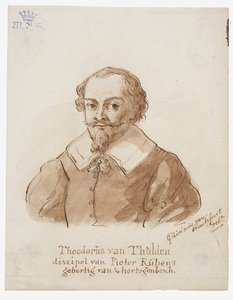
Theodor van Thulden
1606 - 1669 , Niederlande
Kurzinfos
- Artistic Movement Or Style: Barock
- Artists Or Movements Influenced By This Artist: ['Flämischer Barock']
- Artists Who Influenced This Artist: ['Peter Paul Rubens']
- Date Of Birth: 9. August 1606
- Date Of Death: 12. Juli 1669
- Full Name: Theodoor van Thulden
- Nationality: Niederländer
- Notable Artworks:
- Triumph der Galathea
- Venus und Adonis
- Place Of Birth: Den Bosch, Niederlande
Ähnliche Artikel

Rembrandts Meisterwerke: Die Top 25 Kunstwerke für Ihr Zuhause | ArtsDot
Entdecken Sie Rembrandts 25 berühmteste Kunstwerke! Tauchen Sie ein in die Welt des Barock, Licht und Schatten & historischer Porträts. Hochwertige Reproduktionen für Ihr Zuhause – jetzt auf ArtsDot.com!
Sir Anthony van Dyck: Hofmalerei und die Formung barocker Identität
Entdecken Sie das Werk von Sir Anthony van Dyck – Hofmaler Karls I. und Meister der Porträtkunst. Erfahren Sie mehr über seine Einflüsse, Techniken und den Wert seiner Gemälde für Sammler.

Die 10 Meisterwerke der niederländischen Barockmalerei – Kunst für Ihr Zuhause | ArtsDot
Entdecken Sie die 10 prägendsten Meisterwerke der niederländischen Barockmalerei! Von Rembrandt bis Vermeer – erleben Sie Kunstgeschichte, Techniken & Emotionen. Hochwertige Reproduktionen für Ihr Zuhause auf ArtsDot.com.

The Dramatic Flourish: Exploring the Baroque Movement's Enduring Legacy in Art History
Explore the dramatic world of Baroque art! Discover iconic artists like Caravaggio & Rubens, defining techniques, and its lasting impact on art history. Expert insights for collectors & enthusiasts at ArtsDot.

Barock Meisterwerke: Die 10 prägendsten Kunstwerke für Ihr Zuhause |
Entdecken Sie die 10 prägendsten Meisterwerke des Barock! Caravaggio, Rembrandt & Co. – Erfahren Sie die Geschichten hinter ikonischen Gemälde und finden Sie hochwertige Kunst Reproduktionen für Ihr Zuhause auf .