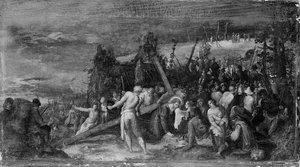
Frans Francken the Younger
Frans Francken the Younger (1581, Antwerp – 6 May 1642) was a Flemish painter who stands as a pivotal figure in bridging the gap between Mannerism and Baroque aesthetics. Born into a family of artists—his father, Frans Francken I, established a prominent workshop in Antwerp—Francken’s artistic lineage instilled within him a deep understanding of tradition while simultaneously fostering an inclination towards experimentation. His career unfolded during a period of significant artistic upheaval, mirroring the broader cultural transformations occurring across Europe as Protestant Reformation challenged Catholic dogma and spurred new creative impulses.
- Early Life & Training: Francken’s formative years were spent honing his skills under the tutelage of his father and other masters in Antwerp’s vibrant art scene. This exposure to established artistic conventions ensured a solid foundation for his subsequent endeavors, grounding him in the stylistic vocabulary of the Renaissance.
- Style & Influences: Francken's distinctive style is characterized by a masterful blend of Mannerist elegance and Baroque dynamism. He absorbed influences from artists like Parmigianino and Giulio Romano, adopting their penchant for elongated figures, subtle drapery folds, and psychologically complex compositions—elements that would become hallmarks of the Baroque period.
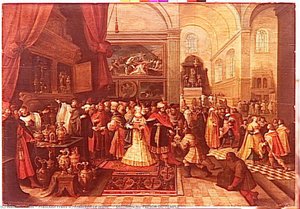
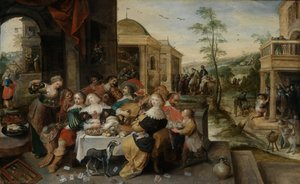
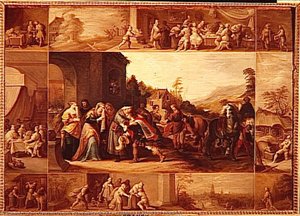
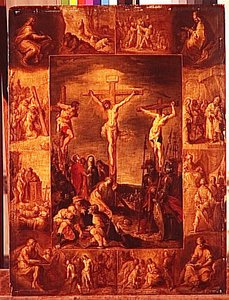
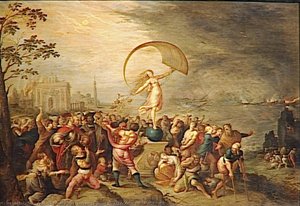
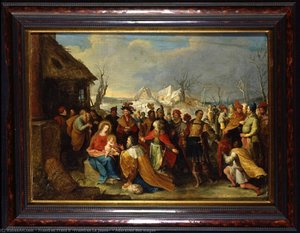
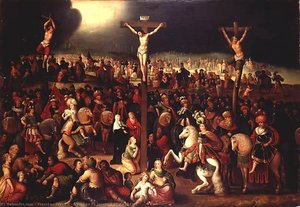
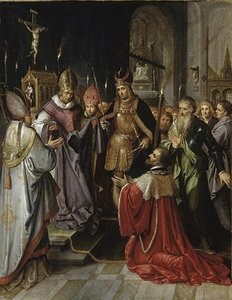
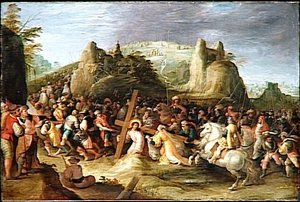
- Notable Works: Francken’s oeuvre encompasses a diverse range of subjects, predominantly religious scenes depicting saints and biblical narratives. However, he also excelled in historical portraits and allegorical paintings exploring moral themes and conveying symbolic messages. Among his most celebrated works include “The Visitation” (1607), housed in the Alte Pinakothek Munich, showcasing an exquisite depiction of Virgin Mary and Saint Elizabeth—a testament to Francken’s meticulous attention to detail and expressive rendering.
- Workshop & Legacy: Francken established a prolific workshop that produced numerous paintings under his supervision. This collaborative enterprise ensured the dissemination of his artistic vision and contributed significantly to Antwerp's reputation as a center for artistic innovation. His influence extended beyond his immediate circle, shaping the stylistic sensibilities of younger artists and cementing his place within the broader history of Flemish painting.
Francken’s contribution to art history lies not merely in his individual masterpieces but also in his role as a conduit between two dominant artistic movements. He skillfully navigated the shifting currents of taste and technique, synthesizing disparate influences into a cohesive aesthetic that embodies the spirit of its time. His paintings continue to captivate audiences today with their profound emotional depth and technical virtuosity—a lasting legacy of a painter who dared to embrace both tradition and innovation.