

 Vorschau anzeigen
 Versenden
 Teilen
 Details anzeigen

 Herunterladen
 Ähnliche Objekte
 Röntgenaufnahme
 Diashow
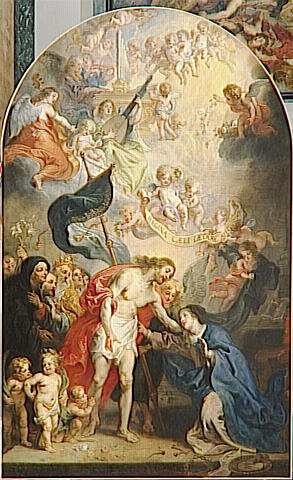
LE CHRIST RESSUSCITE APPARAISSANT A LA VIERGE


 Weiterlesen
Erwerben Sie ein hochauflösendes, optimiertes digitales Bild, das der Online-Vorschau weit überlegen ist.
Jede Datei wird von unseren hauseigenen Spezialisten mit modernsten Werkzeugen und fachmännischer manueller Retusche sorgfältig vorbereitet. Wir stellen sicher, dass jedes Bild eine außergewöhnliche Klarheit, präzise Farbgenauigkeit und feinste Details aufweist.
Die endgültige Datei wird innerhalb von 72 Stunden per E-Mail zugestellt und ist für den sofortigen Einsatz in professionellen, redaktionellen und Druckumgebungen optimiert. Es handelt sich um dieselbe Qualität, der führende Designstudios, Verlage und Galerien vertrauen.
Digitales Bild
Laden Sie eine hochauflösende Datei für die persönliche Präsentation, den Druck und kreative Projekte herunter. ( Druck bestellen Handgemalte Reproduktion bestellen)
In jeder Bestellung digitaler Bilder enthalten
Professionelle digitale Bereitstellung, garantiert
Wenn Sie sich für ArtsDot.com entscheiden, erhalten Sie nicht nur ein Bild – Sie erhalten ein professionell aufbereitetes digitales Kunstwerk, das mit höchster Präzision erstellt und durch eine Zufriedenheitsgarantie abgesichert wird. Hier ist alles, was automatisch mit Ihrer Bestellung geliefert wird:

Schnelle E-Mail-Zustellung
Ihre hochauflösende digitale Bilddatei wird Ihnen innerhalb von 72 Stunden nach der Bestellung per E-Mail zugestellt – bereit zur sofortigen Verwendung.

KI-optimierte digitale Datei
Ihre Kunstwerke werden professionell mithilfe fortschrittlicher KI-Tools und manueller Bearbeitung optimiert, um maximale Detailtreue, Klarheit und Farbgenauigkeit zu gewährleisten.

Lebenslanger kostenloser Neudruckservice
Datei versehentlich gelöscht oder verloren? Keine Sorge – wir senden sie Ihnen jederzeit kostenlos erneut zu.

Keine Einfuhrgebühren – jemals
Genießen Sie Ihr Kunstwerk sofort ohne Zollgebühren, Einfuhrabgaben oder Versandkosten – digitale Downloads sind immer steuerfrei.

Garantierte Farbtreue
Wir garantieren, dass Ihr digitales Bild mithilfe professioneller Werkzeuge und Farbmanagement die Originalfarben so präzise wie möglich wiedergibt.

60-Tage-Zufriedenheitsgarantie
Sollten Sie mit Ihrem digitalen Bild nicht zufrieden sein, werden wir es überarbeiten oder Ihnen innerhalb von 60 Tagen 100% erstatten – ohne Wenn und Aber.

100% Geld-zurück-Garantie
Nicht zufrieden? Erhalten Sie innerhalb von 60 Tagen nach Erhalt Ihrer digitalen Datei eine vollständige Rückerstattung – ohne Angabe von Gründen.

Rabatte bei Großbestellungen
3 Bilder kaufen, 10% sparen – 5 Bilder kaufen, 15% sparen – Ab 10 Bildern 20% sparen. Ideal für kreative Projekte, Galerien und Agenturen.
A Divine Encounter in Baroque Splendor
To stand before this depiction of Le Christ Ressuscite Apparaissant A La Vierge is to be enveloped by the dramatic fervor of the Baroque age. It is a moment suspended between earthly sorrow and eternal glory—the breathtaking instant of Christ’s Resurrection revealed to the Virgin Mary. The composition itself pulses with energy; one feels the upward surge, the divine intervention that shatters the stillness of death. The artist masterfully orchestrates a scene teeming with life, where every swirling fold of drapery and outstretched hand contributes to an overwhelming sense of awe and miraculous revelation.
Mastery in Baroque Technique
The technical brilliance on display speaks to the high craftsmanship of its time. Executed in oil paint, the visible brushwork lends a palpable texture to the canvas, inviting the viewer to examine the very act of creation. The lighting is nothing short of theatrical; a divine luminescence streams down from above, illuminating Christ’s form while casting deep, dramatic shadows that give the figures an almost sculptural presence. This use of intense chiaroscuro, coupled with the dynamic diagonals formed by the ascending angels and robes, creates an unparalleled sense of movement. While the perspective maintains a certain flatness characteristic of the period, it is precisely this focus on emotional immediacy over strict realism that gives the piece its enduring power.
Symbolism and Spiritual Resonance
Beyond the sheer visual spectacle lies a profound tapestry of symbolism. The outstretched hand of Christ is not merely an arm; it is the ultimate gesture of grace and salvation reaching out across the gulf between man and divinity. Mary’s posture, kneeling in reverent acceptance, embodies perfect humility and unwavering faith. Above them, the multitude of angels serve as celestial witnesses, their presence confirming the glory of the event. For the contemporary admirer, this painting offers more than just decoration; it is a potent visual meditation on hope, devotion, and the enduring promise of renewal.
A Touch of Flemish Grandeur
Attributed to Theodoor van Thulden, this work situates itself within the rich tradition of Dutch and Flemish Baroque painting. While Van Thulden’s known style often favored elegance with muted tones, here he channels a more Rubensian dynamism—a robust energy that speaks to the grand narratives of faith. Owning a reproduction of this piece allows one to bring home not just an artwork, but a tangible echo of 17th-century devotional fervor. It is a statement piece for any space desiring depth, drama, and an undeniable connection to history’s most profound spiritual moments.
Ähnliche Kunstwerke
Biografie des Künstlers
Early Life and Training
Theodoor van Thulden, a pivotal figure in the Dutch Baroque art scene, was born on August 9th, 1606, in ‘s-Hertogenbosch, North Brabant. His lineage intertwined with the world of craftsmanship; his father, Jacob Gerits van Tulden, was an orfèvre (a skilled artisan specializing in metalwork), engaging in the lucrative trade of textiles. His mother, Heylwich (Heylke) van Meurs, descended from another family of orfévres – Dierck Aerts van Moers. This familial connection to artistry provided a fertile ground for Theodoor’s burgeoning talent. His artistic journey commenced under the tutelage of Abraham van Blijenberch, a respected painter and portraitist, beginning in 1622. Van Blijenberch, having previously worked as a court painter in London for King James I, instilled in young Theodoor a foundational understanding of composition, technique, and the nuances of capturing human form – skills that would prove invaluable throughout his career. The early years were marked by diligent study and apprenticeship, laying the groundwork for his future artistic endeavors.Artistic Career and Influences
Van Thulden’s formal training culminated in his acceptance as a master within the Guild of St. Luke in Antwerp in 1627 – a significant milestone signifying his mastery of painting techniques and professional standing. This move to Antwerp, a vibrant center for artistic innovation during this period, proved instrumental in shaping his style and expanding his network. Crucially, Van Thulden’s work was profoundly influenced by the towering figure of Peter Paul Rubens, arguably the most celebrated painter of the Flemish Baroque. The two artists maintained a close working relationship, with Rubens frequently commissioning Van Thulden for various projects, including the elaborate decorations for the “Joyous Entry” (Pompa Introitus) of Cardinal-Infante Ferdinand in Antwerp in 1635. This monumental undertaking showcased Van Thulden’s ability to execute complex designs and collaborate effectively within a large artistic team. Rubens's influence is readily apparent in Van Thulden’s compositions – the dynamic movement, rich colors, dramatic lighting, and theatrical flair characteristic of the Baroque style are all hallmarks of his work. However, it’s important to note that Van Thulden didn’t simply mimic Rubens; he developed a distinct artistic voice, blending Flemish tradition with elements of Mannerism, particularly evident in his early works.Notable Works and Collaborations
Van Thulden's oeuvre encompasses a diverse range of subjects, including mythological scenes, allegorical representations, historical narratives, portraits, and depictions of village festivals and weddings – often imbued with a quiet dignity and elegance. One of his most celebrated achievements is “Triumph der Galathea” (1659), now housed in the Picture Gallery Sanssouci in Potsdam, Germany. This monumental painting exemplifies Van Thulden’s mastery of composition, color, and dramatic storytelling. His collaboration with Rubens on the decorations for the “Joyous Entry” remains a testament to their artistic synergy – a complex undertaking that required meticulous planning, skillful execution, and a shared vision. Beyond these major projects, Van Thulden produced numerous altarpieces for churches throughout Flanders and the Netherlands, each reflecting his evolving style and technical skill. His engravings, particularly those depicting scenes from Odysseus’s journey, demonstrate his talent as a printmaker and further solidified his reputation as a versatile artist.Museum Collections and Historical Significance
The legacy of Theodoor van Thulden is preserved in several prominent collections across Europe. The Rijksmuseum in Amsterdam houses an impressive collection of prints, drawings, and photographs by Van Thulden and his contemporaries – providing invaluable insights into the artistic landscape of the 17th century. His “Triumph der Galathea” remains a focal point for art historians and enthusiasts alike, offering a compelling glimpse into the grandeur and sophistication of Baroque painting. Furthermore, exploring the collections at ArtsDot.com offers a more comprehensive view of his work and its context within the broader artistic tradition. Theodoor van Thulden’s contributions to Dutch art are significant; he stands as a key figure in bridging the gap between Flemish and Dutch artistic styles, embodying the dynamism and innovation that characterized the Baroque period. His works continue to be studied and admired for their beauty, technical skill, and enduring appeal.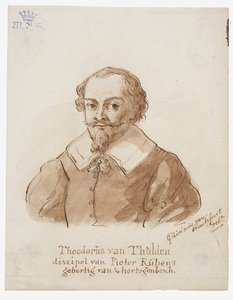
Theodor van Thulden
1606 - 1669 , Niederlande
Kurzinfos
- Artistic Movement Or Style: Barock
- Artists Or Movements Influenced By This Artist: ['Flämischer Barock']
- Artists Who Influenced This Artist: ['Peter Paul Rubens']
- Date Of Birth: 9. August 1606
- Date Of Death: 12. Juli 1669
- Full Name: Theodoor van Thulden
- Nationality: Niederländer
- Notable Artworks:
- Triumph der Galathea
- Venus und Adonis
- Place Of Birth: Den Bosch, Niederlande

