

 Vorschau anzeigen
 Versenden
 Teilen
 Details anzeigen

 Herunterladen
 Ähnliche Objekte
 Röntgenaufnahme
 Diashow
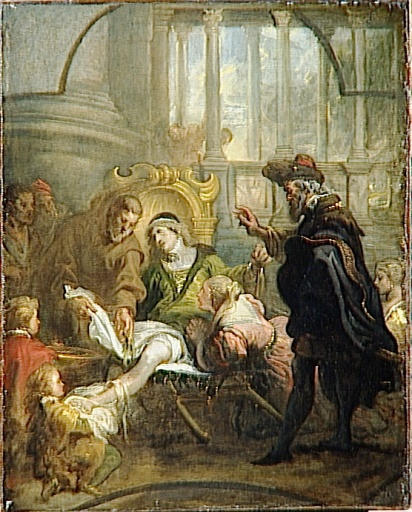
SAINT FRANCOIS DE PAULE GUERISSANT JEAN CARATELLO, DIT AUTREFOIS MIRACLE DE SAINT MARTIN


 Weiterlesen
Giclée / Kunstdruck
Giclée- oder Leinwanddruck in Museumsqualität mit schneller Produktion und flexiblen Veredelungsoptionen. ( Handgemalte Reproduktion bestellen Bild kaufen)




P118B $10

P118H $10

P118W $10

P438Z $10

P508JH $12

P508YH $12

P805H $10

P805Z $10

P919BZ $10

P919G $10

P919XJ $10

P959ZH $10

P968JZ $12

W106C $8

W218G $10

W218JH $8

W218Y $10

W307PJ $10

W316G $10

W316PJ $8

W316Y $10

W398PJ $8

W4111J $10

W500HY $15

W500JH $15

W692G $12

W849H $8

W940BG $15

W953PJ $8




Wählen Sie aus unseren vordefinierten Formaten, die den ursprünglichen Proportionen des Kunstwerks entsprechen.

Sie können Ihre eigenen Maße eingeben, um ein bestimmtes Format oder einen speziellen Platz einzupassen. Wenn das von Ihnen gewählte Format nicht den Proportionen des Originalbildes entspricht, werden wir das Kunstwerk entweder beschneiden oder das Bild mit einem gespiegelten oder einfarbigen Rand erweitern. Ein digitaler Entwurf wird Ihnen zur Genehmigung zugesandt, bevor die Produktion beginnt.
Bitte beachten Sie, dass die Vorschau auf dem Bildschirm nicht den tatsächlichen Zuschnitt oder die Erweiterung widerspiegelt. Nur der Entwurf zeigt die endgültige Komposition präzise an.
Obwohl Sondermaße verfügbar sind, empfehlen wir die Auswahl eines Maßes aus der vordefinierten Liste, um die ursprünglichen Proportionen zu bewahren.
Weltweiter Versand () innerhalb von 2 Wochen statt der üblichen 4/5 Wochen. (6 September)

Kostenloser weltweiter Expressversand

Hochwertige Leinenleinwand

Umfassender Versicherungsschutz beim Versand

Zollgebühren-Rückerstattungsgarantie

Garantie für exakte Farbtreue

60 Tage Rückgaberecht (nur bei Mängeln)

100% Geld-zurück-Garantie

Mengenrabatt verfügbar
 Die Glasoption ist nur für Größen unter 110 cm verfügbar.

SAINT FRANCOIS DE PAULE GUERISSANT JEAN CARATELLO, DIT AUTREFOIS MIRACLE DE SAINT MARTIN
Giclée / Kunstdruck
Format der Reproduktion
-


Gesamtpreis
$ 62
A Moment of Grace: The Healing Touch of Theodor Van Thulden
Theodor van Thulden’s “Saint François de Paule guérissant Jean Carateo, dit autrefois Miracle de Saint Martin” is more than just a painting; it's a carefully constructed tableau of faith, compassion, and the enduring power of human connection. Completed around 1640, this oil on canvas masterpiece housed within the Louvre’s Department of Paintings in Paris captures a pivotal scene from the life of Saint Francis of Paola – his miraculous healing of Jean Carateo, once known as the Miracle of Saint Martin. Van Thulden, deeply influenced by the Mannerist tradition and the grandeur of Peter Paul Rubens, masterfully blends realism with an almost theatrical intensity, drawing the viewer into this intimate moment of divine intervention.
The Narrative of Faith and Healing
At the heart of the composition lies a scene brimming with symbolic weight. Saint Francis of Paola, depicted in flowing robes radiating an aura of serene authority, extends his hand towards Jean Carateo, who is lying on a simple bed, his face etched with vulnerability and relief. The gesture isn’t merely one of healing; it's imbued with the profound belief that faith can overcome suffering. The setting itself – a modestly appointed room within a religious household – underscores the humility and simplicity of this miraculous event. It’s not a grand cathedral or a bustling marketplace, but a quiet space where grace finds its expression.
The historical context is equally compelling. Saint Francis of Paola was a 15th-century Italian friar known for his fervent devotion and his ability to perform miracles through prayer and the laying on of hands. Jean Carateo, previously identified as the Miracle of Saint Martin, suffered from a debilitating ailment, and this painting immortalizes the moment when Saint Francis miraculously restored him to health. The inclusion of other figures observing the scene – some in expressions of awe, others lost in contemplation – highlights the profound impact of this event on those present.
A Masterclass in Baroque Technique
Van Thulden’s skill as a painter is immediately evident in his meticulous attention to detail and his masterful use of light and shadow. The figures are rendered with remarkable realism, their drapery flowing with an almost sculptural quality. Notice the subtle gradations of color – the rich browns and golds of Saint Francis' robes contrasting with the paler tones of Jean Carateo’s skin. Van Thulden employs a technique known as *chiaroscuro*, skillfully manipulating light to create depth and drama, directing the viewer’s eye towards the central figures and emphasizing their emotional states.
The artist's background in printmaking is also apparent in the painting’s composition. The careful arrangement of elements, the balanced use of space, and the overall sense of order reflect Van Thulden’s experience creating detailed engravings. This influence contributes to the painting’s clarity and its ability to convey a complex narrative with remarkable precision.
Symbolism and Emotional Resonance
Beyond the literal depiction of a miraculous healing, “Saint François de Paule guérissant Jean Carateo” is rich in symbolism. The simple bed on which Jean Carateo lies represents vulnerability and dependence, while Saint Francis’ outstretched hand symbolizes divine grace and compassion. The act of laying hands – a common motif in religious art – signifies the transfer of spiritual energy and the power of faith. The painting evokes a powerful sense of hope, reminding us of the transformative potential of belief and the enduring capacity for human kindness.
Reproductions of this captivating artwork offer an opportunity to bring this moment of grace into your home or office. ArtsDot.com provides high-quality reproductions in various sizes and materials, allowing you to appreciate Van Thulden’s artistry for years to come. Consider a custom size to perfectly complement your space – our mockup service ensures a flawless fit.
Ähnliche Kunstwerke
Über den Künstler
Early Life and Training
Theodoor van Thulden, a pivotal figure in the Dutch Baroque art scene, was born on August 9th, 1606, in ‘s-Hertogenbosch, North Brabant. His lineage intertwined with the world of craftsmanship; his father, Jacob Gerits van Tulden, was an orfèvre (a skilled artisan specializing in metalwork), engaging in the lucrative trade of textiles. His mother, Heylwich (Heylke) van Meurs, descended from another family of orfévres – Dierck Aerts van Moers. This familial connection to artistry provided a fertile ground for Theodoor’s burgeoning talent. His artistic journey commenced under the tutelage of Abraham van Blijenberch, a respected painter and portraitist, beginning in 1622. Van Blijenberch, having previously worked as a court painter in London for King James I, instilled in young Theodoor a foundational understanding of composition, technique, and the nuances of capturing human form – skills that would prove invaluable throughout his career. The early years were marked by diligent study and apprenticeship, laying the groundwork for his future artistic endeavors.Artistic Career and Influences
Van Thulden’s formal training culminated in his acceptance as a master within the Guild of St. Luke in Antwerp in 1627 – a significant milestone signifying his mastery of painting techniques and professional standing. This move to Antwerp, a vibrant center for artistic innovation during this period, proved instrumental in shaping his style and expanding his network. Crucially, Van Thulden’s work was profoundly influenced by the towering figure of Peter Paul Rubens, arguably the most celebrated painter of the Flemish Baroque. The two artists maintained a close working relationship, with Rubens frequently commissioning Van Thulden for various projects, including the elaborate decorations for the “Joyous Entry” (Pompa Introitus) of Cardinal-Infante Ferdinand in Antwerp in 1635. This monumental undertaking showcased Van Thulden’s ability to execute complex designs and collaborate effectively within a large artistic team. Rubens's influence is readily apparent in Van Thulden’s compositions – the dynamic movement, rich colors, dramatic lighting, and theatrical flair characteristic of the Baroque style are all hallmarks of his work. However, it’s important to note that Van Thulden didn’t simply mimic Rubens; he developed a distinct artistic voice, blending Flemish tradition with elements of Mannerism, particularly evident in his early works.Notable Works and Collaborations
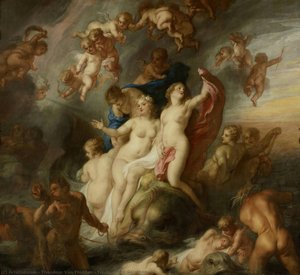
Van Thulden's oeuvre encompasses a diverse range of subjects, including mythological scenes, allegorical representations, historical narratives, portraits, and depictions of village festivals and weddings – often imbued with a quiet dignity and elegance. One of his most celebrated achievements is “Triumph der Galathea” (1659), now housed in the Picture Gallery Sanssouci in Potsdam, Germany. This monumental painting exemplifies Van Thulden’s mastery of composition, color, and dramatic storytelling. His collaboration with Rubens on the decorations for the “Joyous Entry” remains a testament to their artistic synergy – a complex undertaking that required meticulous planning, skillful execution, and a shared vision. Beyond these major projects, Van Thulden produced numerous altarpieces for churches throughout Flanders and the Netherlands, each reflecting his evolving style and technical skill. His engravings, particularly those depicting scenes from Odysseus’s journey, demonstrate his talent as a printmaker and further solidified his reputation as a versatile artist.Museum Collections and Historical Significance
The legacy of Theodoor van Thulden is preserved in several prominent collections across Europe. The Rijksmuseum in Amsterdam houses an impressive collection of prints, drawings, and photographs by Van Thulden and his contemporaries – providing invaluable insights into the artistic landscape of the 17th century. His “Triumph der Galathea” remains a focal point for art historians and enthusiasts alike, offering a compelling glimpse into the grandeur and sophistication of Baroque painting. Furthermore, exploring the collections at ArtsDot.com offers a more comprehensive view of his work and its context within the broader artistic tradition. Theodoor van Thulden’s contributions to Dutch art are significant; he stands as a key figure in bridging the gap between Flemish and Dutch artistic styles, embodying the dynamism and innovation that characterized the Baroque period. His works continue to be studied and admired for their beauty, technical skill, and enduring appeal.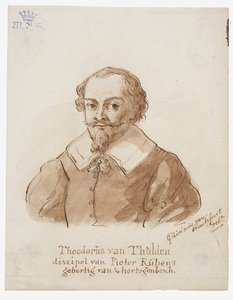
Theodor van Thulden
1606 - 1669 , Niederlande
Kurzinfos
- Artistic Movement Or Style: Barock
- Artists Or Movements Influenced By This Artist: ['Flämischer Barock']
- Artists Who Influenced This Artist: ['Peter Paul Rubens']
- Date Of Birth: 9. August 1606
- Date Of Death: 12. Juli 1669
- Full Name: Theodoor van Thulden
- Nationality: Niederländer
- Notable Artworks:
- Triumph der Galathea
- Venus und Adonis
- Place Of Birth: Den Bosch, Niederlande
Ähnliche Artikel
Francis Bacon: Die 25 Meisterwerke des existentiellen Schmerzes | ArtsDot
Entdecken Sie die 25 Meisterwerke von Francis Bacon! Erleben Sie existenzielle Schmerz, expressive Porträts & dunkle Farben. Kunstreproduktionen in Museumsqualiät auf ArtsDot.com – für Ihre Wanddekoration.

Rembrandts Meisterwerke: Die Top 25 Kunstwerke für Ihr Zuhause | ArtsDot
Entdecken Sie Rembrandts 25 berühmteste Kunstwerke! Tauchen Sie ein in die Welt des Barock, Licht und Schatten & historischer Porträts. Hochwertige Reproduktionen für Ihr Zuhause – jetzt auf ArtsDot.com!

Barock Meisterwerke: Die 10 prägendsten Kunstwerke für Ihr Zuhause |
Entdecken Sie die 10 prägendsten Meisterwerke des Barock! Caravaggio, Rembrandt & Co. – Erfahren Sie die Geschichten hinter ikonischen Gemälde und finden Sie hochwertige Kunst Reproduktionen für Ihr Zuhause auf .
Discover the Divine: Inspiring Saint Anthony Artworks to Elevate Your Home Decor
Transform your home with the profound beauty of Saint Anthony artworks. Explore exquisite Baroque reproductions by Murillo and Zurbarán, hand-painted on 100% cotton canvas to bring divine serenity and timeless elegance to your interior design.
Sir Anthony van Dyck: Hofmalerei und die Formung barocker Identität
Entdecken Sie das Werk von Sir Anthony van Dyck – Hofmaler Karls I. und Meister der Porträtkunst. Erfahren Sie mehr über seine Einflüsse, Techniken und den Wert seiner Gemälde für Sammler.

