 Vorschau anzeigen
 Versenden
 Teilen
 Details anzeigen

 Herunterladen
 Ähnliche Objekte
 Röntgenaufnahme
 Diashow
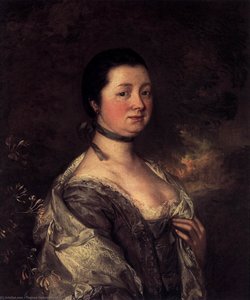
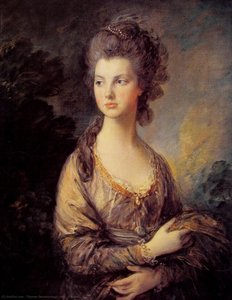
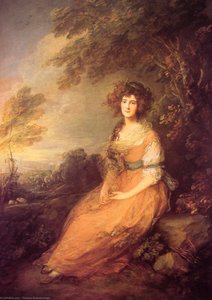
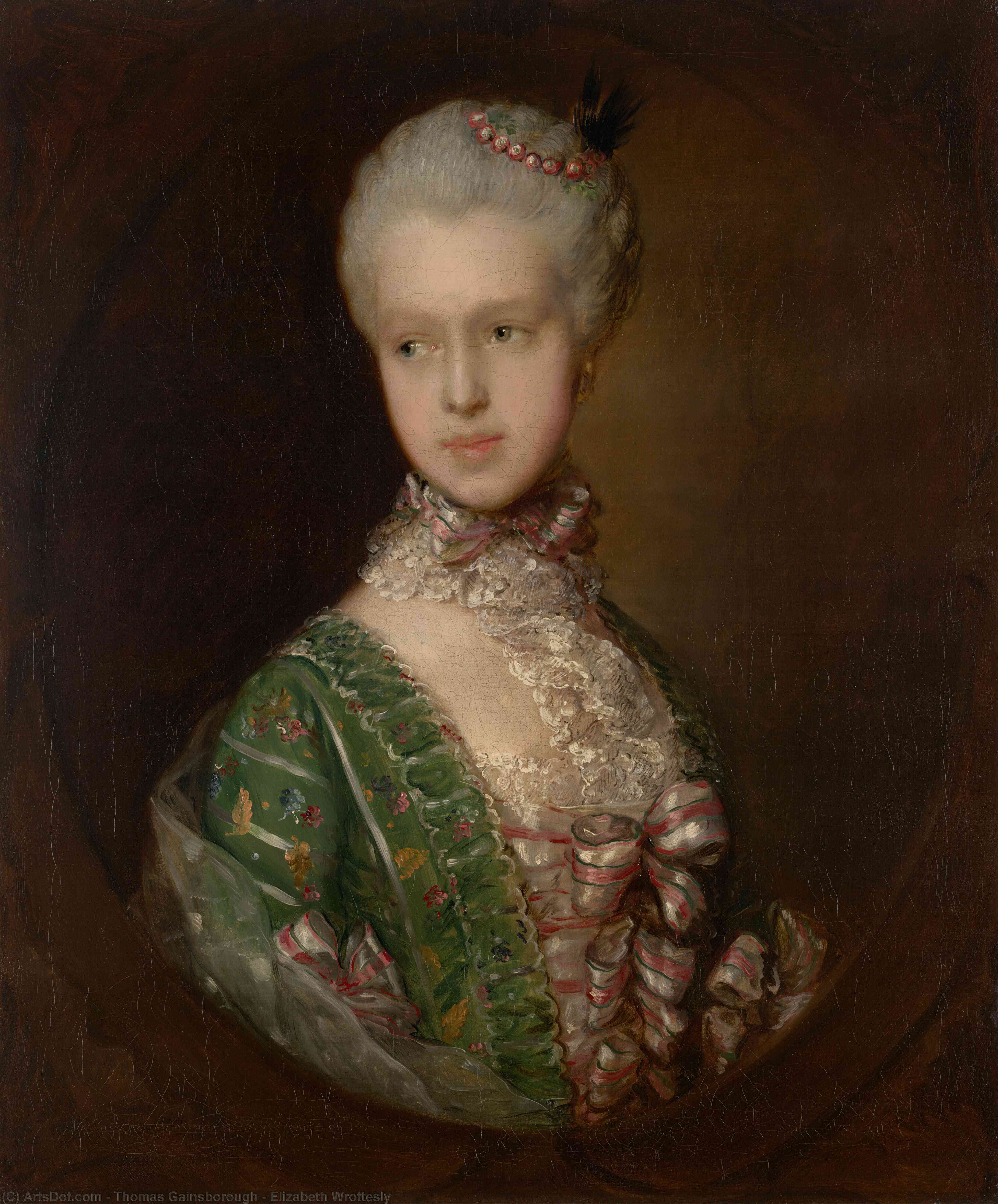
Elizabeth Wrottesly


 Weiterlesen
Handgefertigte Ölreproduktion
Handgemaltes Ölgemälde auf Leinwand in Ihrer Wunschgröße und mit Rahmen, auf Bestellung von unseren Künstlern angefertigt. ( Druck bestellen Bild kaufen)




P118B $10

P118H $10

P118W $10

P438Z $10

P508JH $12

P508YH $12

P805H $10

P805Z $10

P919BZ $10

P919G $10

P919XJ $10

P959ZH $10

P968JZ $12

W106C $8

W218G $10

W218JH $8

W218Y $10

W307PJ $10

W316G $10

W316PJ $8

W316Y $10

W398PJ $8

W4111J $10

W500HY $15

W500JH $15

W692G $12

W849H $8

W940BG $15

W953PJ $8




Wählen Sie aus unseren vordefinierten Formaten, die den ursprünglichen Proportionen des Kunstwerks entsprechen.

Sie können Ihre eigenen Maße eingeben, um einen bestimmten Rahmen oder Platz auszufüllen. Wenn die gewählte Größe nicht den Proportionen des Originalbildes entspricht, werden wir das Kunstwerk entweder beschneiden oder das Gemälde durch zusätzliche, handgemalte Elemente erweitern. Ein digitales Mockup wird Ihnen zur Genehmigung zugesandt, bevor die Produktion beginnt.
Bitte beachten Sie, dass die Bildschirmvorschau nicht die tatsächliche Beschneidung oder Erweiterung widerspiegelt. Nur das Mockup zeigt die endgültige Komposition exakt an.
Obwohl Sondermaße verfügbar sind, empfehlen wir, eine Größe aus der vordefinierten Liste zu wählen, um die ursprünglichen Proportionen beizubehalten.
Nach der Bestellung wird das ArtsDot.com-Team dem Kunden Anweisungen per E-Mail zusenden und eine Mockup-Vorschau bereitstellen.
Weltweiter Versand () in nur 3 bis 4 Wochen statt der üblichen 5 Wochen. (23 August). Keine Kompromisse bei der Qualität.

Kostenloser weltweiter Expressversand

Hochwertige Leinenleinwand

Umfassender Versicherungsschutz beim Versand

Zollgebühren-Rückerstattungsgarantie

Garantie für exakte Farbtreue

60 Tage Rückgaberecht (nur bei Mängeln)

100% Geld-zurück-Garantie

Mengenrabatt verfügbar
 Die Glasoption ist nur für Größen unter 110 cm verfügbar.

Elizabeth Wrottesly
Art der Reproduktion
Format der Reproduktion
-


Gesamtpreis
$ 263
Beschreibung des Kunstwerks
A Portrait of Gentle Grace: Elizabeth Wrottesly by Thomas Gainsborough
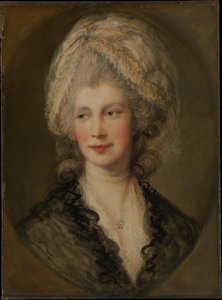
Thomas Gainsborough’s “Elizabeth Wrottesly,” painted in 1765, is more than just a likeness; it's a carefully constructed tableau of Georgian elegance and quiet contemplation. The subject, Elizabeth Wrottesly, appears before us with an almost unnerving directness, her gaze meeting the viewer’s across the canvas. This isn’t a staged performance but rather a moment captured – a fleeting expression of youth and refinement that speaks volumes about the social conventions of the era.
- Subject & Composition: The painting centers on Elizabeth Wrottesly, a young woman embodying the ideals of beauty and status within Georgian society. Her pose, slightly turned towards the viewer, invites intimacy while maintaining an air of reserve. The inclusion of two birds – one delicately placed on the left and another soaring in the upper right corner – introduces a subtle layer of symbolism, often associated with liberty, grace, and perhaps even divine favor.
- Technique & Style: Gainsborough’s masterful use of light and shadow is immediately apparent. He employs a loose, almost impressionistic brushstroke, particularly noticeable in the rendering of her dress and hair, creating a sense of movement and texture. This technique, characteristic of his later work, departs from the more rigid formality favored by some of his contemporaries, reflecting a growing interest in naturalism within British art.
Historical Context: The Georgian Portraiture Tradition
“Elizabeth Wrottesly” belongs to a pivotal moment in British portraiture – the mid-18th century. Following the influence of artists like Nicholas Cochin and Jean-Baptiste Oudry, Gainsborough was part of a generation that sought to elevate portraiture beyond mere representation. He aimed to capture not just physical appearance but also the character and social standing of his subjects. The painting reflects the importance placed on lineage and wealth within Georgian society, with Elizabeth’s attire – a green silk dress adorned with lace – signaling her family's status and connections.
- Social Significance: Portraits were not simply decorative objects; they served as vital documents of identity and social position. They were commissioned by wealthy families to commemorate their lineage, display their wealth, and secure their place within the social hierarchy.
- Gainsborough’s Innovation: Gainsborough's approach was revolutionary for his time, moving away from the stiff formality of earlier portraits towards a more naturalistic and engaging style.
Symbolism & Emotional Impact
Beyond the immediate visual appeal, “Elizabeth Wrottesly” is rich in symbolic meaning. The birds, frequently associated with freedom and aspiration, suggest Elizabeth’s potential and future prospects. Her direct gaze invites a connection between the viewer and the subject, fostering a sense of empathy and understanding. The overall effect is one of quiet dignity and restrained beauty – qualities highly valued within Georgian society and enduringly appealing to viewers today.
- Color Palette: The predominantly cool tones—greens, creams, and subtle blues—evoke a sense of serenity and refinement, reflecting the prevailing aesthetic sensibilities of the period.
- Emotional Resonance: Despite its historical context, the painting continues to resonate with viewers due to its portrayal of youthful innocence and quiet grace.
A Reproduction for Your Collection
ArtsDot offers a meticulously crafted hand-painted reproduction of “Elizabeth Wrottesly,” capturing every nuance of Gainsborough’s artistry. Each reproduction is created using the highest quality materials and techniques, ensuring that you receive a faithful representation of this iconic work of art. Whether for your home, office, or collection, this reproduction offers an accessible way to experience the beauty and historical significance of one of Thomas Gainsborough's most celebrated portraits.
Ähnliche Kunstwerke
Über den Künstler
Frühes Leben und Ausbildung
Thomas Gainsborough, eine bedeutende Figur der britischen Kunst des 18. Jahrhunderts, wurde am 14. Mai 1727 in Sudbury, Suffolk geboren. Als jüngster Sohn von John Gainsborough, einem Weber und Hersteller von Wollwaren, war Thomas' frühes Leben geprägt von einer angeborenen Leidenschaft für Zeichnung und Malerei. Bereits im Alter von zehn Jahren hatte er sein künstlerisches Talent mit Miniatur-Selbstporträts und kleinen Landschaftsbildern unter Beweis gestellt.Künstlerische Karriere
Thomas’ formelle künstlerische Ausbildung begann 1740 unter der Anleitung von Hubert Gravelot in London. Seine Assoziation mit William Hogarth beeinflusste jedoch maßgeblich seinen Stil. Gainsboroughs Werk zeichnet sich durch seine helle Farbpalette und mühelose Pinseltechnik aus, was ihn von seinen Zeitgenossen unterschied.- Porträt einer Dame in Blau (siehe auf ArtsDot) demonstriert Gainsboroughs Meisterschaft im Porträt, wobei der ruhige Ausdruck und die zarten Gesichtszüge des Subjekts bemerkenswert detailliert wiedergegeben sind.
- Johann Christian Bach (siehe auf ArtsDot) beweist seine Fähigkeit, das Wesen seiner Motive einzufangen, wie in diesem Ölgemälde auf Leinwand zu sehen ist.
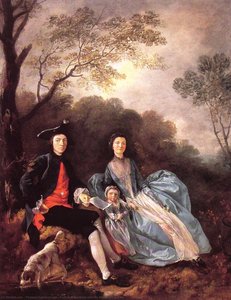
- Selbstporträt (siehe auf ArtsDot) (Roy Miles Gallery, London, Großbritannien), ein Beweis für seine Fähigkeiten im Selbstporträt.
- Mary, Countess of Howe (siehe auf ArtsDot) (244 x 152 cm, Öl auf Leinwand), ein Beispiel für seine Porträts mit einer bedeutenden Persönlichkeit.
Einflüsse und Stilentwicklung
Gainsboroughs künstlerische Entwicklung war von verschiedenen Einflüssen geprägt. Die frühe Ausbildung bei Hubert Gravelot legte den Grundstein für seine Fähigkeiten in der grafischen Darstellung, während die Begegnung mit William Hogarth seinen Stil maßgeblich beeinflusste. Er entwickelte eine einzigartige Herangehensweise an das Porträt, indem er neben der formalen Darstellung auch die Persönlichkeit und Stimmung des Subjekts einzufangen versuchte. Seine Landschaftsbilder zeichnen sich durch eine lockere Pinseltechnik und eine atmosphärische Darstellung aus, die ihn von seinen Zeitgenossen abhebt. Die Rivalität mit Sir Joshua Reynolds befeuerte seinen Ehrgeiz, in beiden Genres herausragende Leistungen zu erzielen.Bemerkenswerte Werke und Standorte
Gainsboroughs Gemälde sind heute in zahlreichen Museen und Galerien weltweit zu bewundern.- Gloucester City Museum - Art Gallery, Gloucester, Großbritannien – entdecken Sie die Meisterwerke dieses Museums, darunter Werke von Charles March Gere und Richard Whitfo.
- Blake Museum, Großbritannien – erkunden Sie die in diesem Museum ausgestellten Kunstwerke, darunter Gemälde wie Irene von Thomas Chidgey.
- Die Charterschule (siehe auf ArtsDot) – ein beeindruckendes Ölgemälde aus dem Jahr 1748, das die Charterschule darstellt.
- Das Ehrenmitglied Harriott Marsham (siehe auf ArtsDot) – ein elegantes Porträt einer Dame aus dem 18. Jahrhundert.
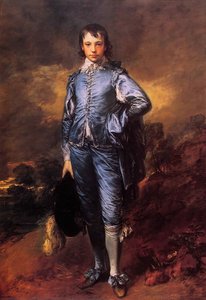
- Der Blaue Junge (Jonathan Buttall) (siehe auf ArtsDot) – ein Meisterwerk der 18. Jahrhundert Porträtmalerei.
- Sir Henry Bate Dudley (siehe auf ArtsDot) – ein Meisterwerk des Rokoko.
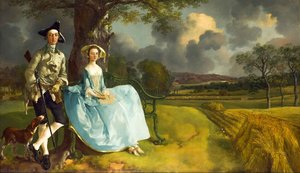
- Herr und Frau Andrews (siehe auf ArtsDot) – ein atemberaubendes Porträt aus dem Jahr 1748.
Vermächtnis und Bedeutung
Thomas Gainsboroughs Einfluss auf die britische Kunst ist unbestreitbar. Als Gründungsmitglied der Royal Academy spielte er eine entscheidende Rolle bei der Gestaltung der Institution. Seine Werke werden bis heute für ihre Eleganz, ihren Charme und ihre meisterhafte Technik geschätzt. Er inspirierte nachfolgende Generationen von Künstlern und trug maßgeblich zur Entwicklung der britischen Porträt- und Landschaftsmalerei bei. Künstler wie Richard Wilson und William Heath Wilson wurden von seinem Stil beeinflusst. Sein Vermächtnis lebt in seinen zahlreichen Gemälden weiter, die Kunstliebhaber auf der ganzen Welt begeistern.- Richard Wilson – bekannt für seine ruhigen Landschafszenen und idyllischen Ausblicke.
- Sir Joshua Reynolds – Britanniens führender Porträtmaler & Gründer der Royal Academy.
- Hubert François Gravelot – Französischer Rokoko-Grafiker, der die englische Kunst beeinflusste.
- Gainsboroughs Haus in Sudbury – Geburtsort von Thomas Gainsborough.
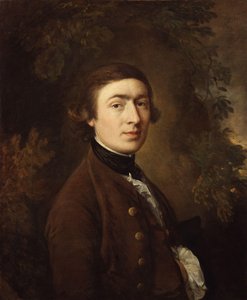
Thomas Gainsborough
1727 - 1788 , Vereinigtes Königreich
Kurzinfos
- Beeinflusste Künstler:
- Richard Wilson
- Sir Joshua Reynolds
- Hubert François Gravelot
- Bemerkenswerte Werke:
- Porträt einer Dame in Blau
- Johann Christian Bach
- Selbstporträt
- Mary, Countess of Howe
- Herr und Frau Andrews
- Geburtsdatum: 14. Mai 1727
- Geburtsort: Sudbury, Vereinigtes Königreich
- Künstlerischer Stil: Rokoko, Porträtmalerei
- Nationalität: Britisch
- Sterbedatum: 1788
- Vollständiger Name: Thomas Gainsborough
- Von Ihm Beeinflusste Künstler:
- Imitator von Thomas Gainsborough RA
- William Heath Wilson
Ähnliche Artikel
Verdant Visions: Exploring the Symbolism & Aesthetic Impact of Green in Art History
Explore the rich history & symbolism of green in art! Discover iconic paintings, techniques, and how to bring verdant harmony into your home with ArtsDot's expert guide.
Thomas Hudson: A Study in 18th-Century Portraiture & British Artistic Identity
Explore the life & work of Thomas Hudson, a leading 18th-century British portraitist. Discover his mastery of the 'Grand Manner,' influential style, and lasting impact on British art. Learn about his notable portraits like Judge William Noel & Alexander Van Aken.
Chromgrüne Meisterwerke: Die Top 10 berühmtesten Gemälde & ihre Geschichte |
Entdecken Sie die Top 10 berühmter Gemälde, dominiert von faszinierendem Chromgrün! Von Monet bis Van Gogh – erfahren Sie die Geschichten hinter den Meisterwerken und lassen Sie sich für Ihre Wohnraumgestaltung inspirieren. Kunstdrucke in Museumsqualiät auf
Die 10 Meisterwerke des 18. Jahrhunderts: Kunst für Ihr Zuhause | ArtsDot
Entdecken Sie die 10 prächtigsten Meisterwerke des 18. Jahrhunderts! Von Rokoko bis Klassizismus – erleben Sie die Kunst von Fragonard, David & Hogarth. Hochwertige Reproduktionen für Ihr Zuhause auf ArtsDot.com.
Kadmiumgrün in der Meisterklasse: Die 10 berühmtesten Gemälde & ihre Geschichte |
Entdecken Sie die 10 berühmtesten Gemälde, dominiert von Kadmiumgrün! Von Monet bis Van Gogh – erleben Sie Kunstgeschichte und lassen Sie sich von Meisterwerken inspirieren. Hochwertige Reproduktionen auf .