 Vorschau anzeigen
 Versenden
 Teilen
 Details anzeigen

 Herunterladen
 Ähnliche Objekte
 Röntgenaufnahme
 Diashow
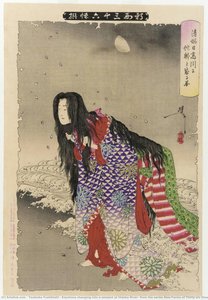
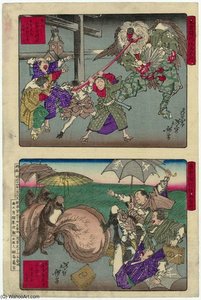
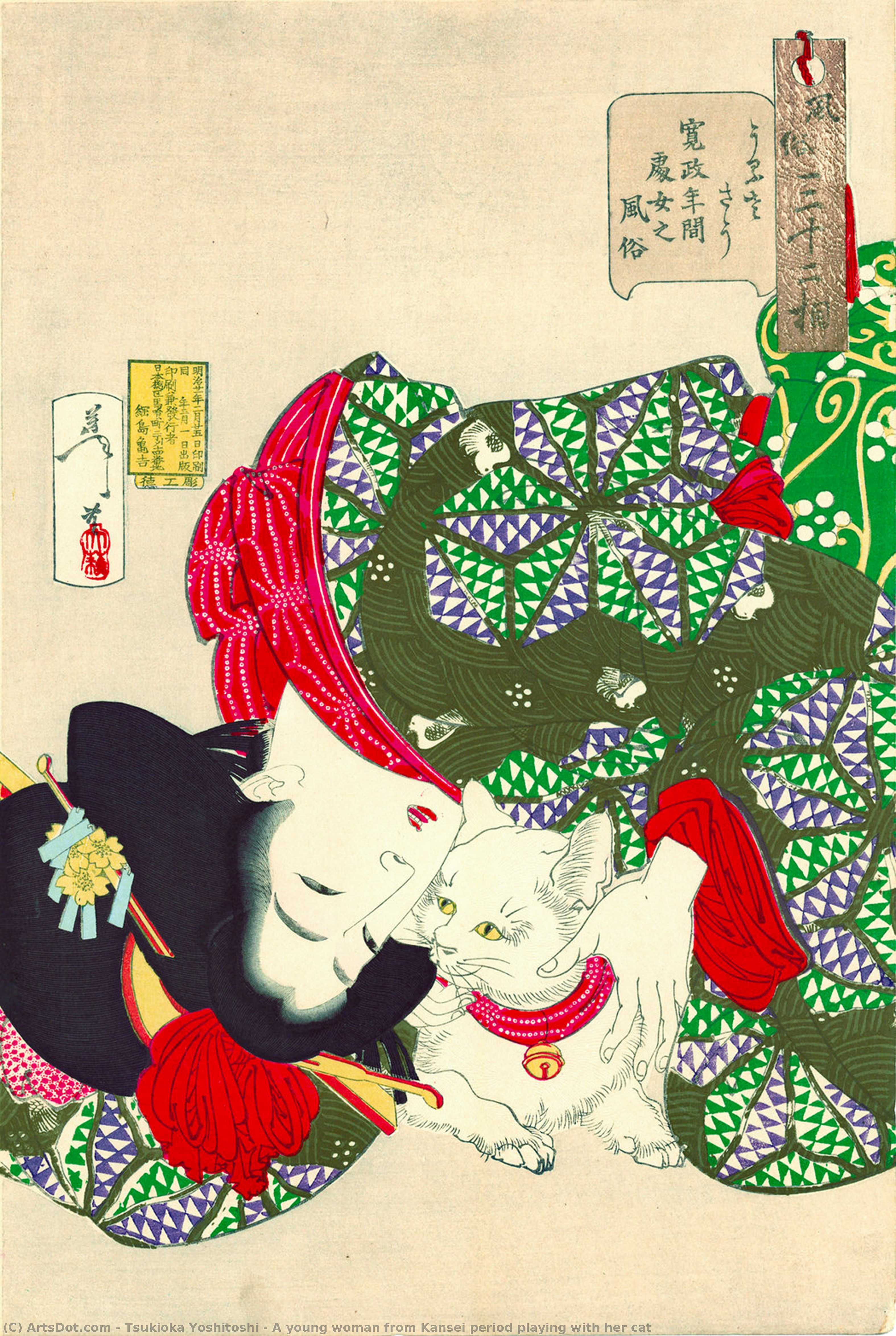
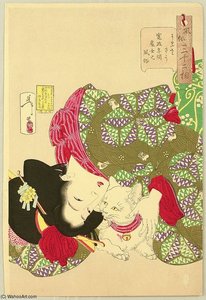
A young woman from Kansei period playing with her cat


 Weiterlesen
Giclée / Kunstdruck
Giclée- oder Leinwanddruck in Museumsqualität mit schneller Produktion und flexiblen Veredelungsoptionen. ( Handgemalte Reproduktion bestellen Bild kaufen)




P118B $10

P118H $10

P118W $10

P438Z $10

P508JH $12

P508YH $12

P805H $10

P805Z $10

P919BZ $10

P919G $10

P919XJ $10

P959ZH $10

P968JZ $12

W106C $8

W218G $10

W218JH $8

W218Y $10

W307PJ $10

W316G $10

W316PJ $8

W316Y $10

W398PJ $8

W4111J $10

W500HY $15

W500JH $15

W692G $12

W849H $8

W940BG $15

W953PJ $8




Wählen Sie aus unseren vordefinierten Formaten, die den ursprünglichen Proportionen des Kunstwerks entsprechen.

Sie können Ihre eigenen Maße eingeben, um ein bestimmtes Format oder einen speziellen Platz einzupassen. Wenn das von Ihnen gewählte Format nicht den Proportionen des Originalbildes entspricht, werden wir das Kunstwerk entweder beschneiden oder das Bild mit einem gespiegelten oder einfarbigen Rand erweitern. Ein digitaler Entwurf wird Ihnen zur Genehmigung zugesandt, bevor die Produktion beginnt.
Bitte beachten Sie, dass die Vorschau auf dem Bildschirm nicht den tatsächlichen Zuschnitt oder die Erweiterung widerspiegelt. Nur der Entwurf zeigt die endgültige Komposition präzise an.
Obwohl Sondermaße verfügbar sind, empfehlen wir die Auswahl eines Maßes aus der vordefinierten Liste, um die ursprünglichen Proportionen zu bewahren.
Weltweiter Versand () innerhalb von 2 Wochen statt der üblichen 4/5 Wochen. (27 August)

Kostenloser weltweiter Expressversand

Hochwertige Leinenleinwand

Umfassender Versicherungsschutz beim Versand

Zollgebühren-Rückerstattungsgarantie

Garantie für exakte Farbtreue

60 Tage Rückgaberecht (nur bei Mängeln)

100% Geld-zurück-Garantie

Mengenrabatt verfügbar
 Die Glasoption ist nur für Größen unter 110 cm verfügbar.

A young woman from Kansei period playing with her cat
Giclée / Kunstdruck
Format der Reproduktion
-


Gesamtpreis
$ 62
Sammlerstück-Beschreibung
A Window into Kansei Japan: Tsukioka Yoshitoshi’s Tender Portrait
This exquisite painting, depicting a young woman from the Kansei period engaging with her feline companion, offers a poignant glimpse into the lives and sensibilities of late 19th-century Japan. Executed by the masterful hand of Tsukioka Yoshitoshi (1839-1892), a pivotal figure in *ukiyo-e* art, the work transcends mere representation to become a deeply evocative meditation on companionship, tranquility, and the subtle shifts occurring within Japanese society.
- The Artist’s Context: Yoshitoshi's life coincided with an era of immense change. Born Owariya Yonejiro, he rose through the ranks to become a samurai, a testament to his family’s ambition and social mobility. This privileged background afforded him access to artistic training under the tutelage of Utagawa Kuniyoshi, solidifying his position as a leading voice in *ukiyo-e* during its twilight years.
- Kansei Period Nuances: The Kansei period (1849-1860) was marked by political instability following the fall of the Tokugawa shogunate and the subsequent arrival of Western influences. Yoshitoshi’s art reflects this tension, often portraying scenes of both traditional Japanese life and the burgeoning impact of modernity.
A Symphony of Detail: Technique and Composition
Yoshitoshi's technical skill is immediately apparent in the meticulous rendering of textures – the soft folds of the woman’s kimono, the plush fur of the cat, the delicate ceramic of the vases. His use of *sumi-e* (ink wash) techniques, combined with vibrant pigments, creates a rich and layered effect, characteristic of his mature style. The composition itself is carefully balanced, drawing the viewer's eye to the central figures while utilizing the surrounding decorative elements – the two vases and potted plant – to establish a sense of depth and serenity. Note the subtle gradations of light and shadow, expertly employed to model the forms and imbue the scene with warmth.
- Ukiyo-e Traditions: The painting adheres to core *ukiyo-e* conventions, including the elevated perspective (known as *yokeyomi*) which places the figures in a slightly distanced, almost theatrical space.
- Color Palette: Yoshitoshi’s masterful use of color – predominantly muted blues, greens, and browns – evokes a sense of calm and reflects the aesthetic sensibilities of the time.
Symbolism and Emotional Resonance
Beyond its technical brilliance, the painting resonates with profound symbolic meaning. The woman and her cat represent a quiet domesticity, a refuge from the turmoil of the outside world. The act of playing suggests a connection between humans and animals, a theme frequently explored in Japanese art as a reflection of harmony and balance. The inclusion of the vases and plant further reinforces this idea, symbolizing prosperity and good fortune. The scene’s warmth invites contemplation on themes of companionship, peace, and the beauty found within simple moments.
- Cat Symbolism: Cats held a complex symbolic role in Japanese culture, often associated with grace, independence, and even spiritual protection.
- Domesticity as Resistance: The scene’s focus on domestic life can be interpreted as a subtle form of resistance against the rapid Westernization of Japan during this period.
A Timeless Masterpiece – A Perfect Addition to Your Collection
This hand-painted reproduction captures the essence of Tsukioka Yoshitoshi’s artistry, offering an unparalleled opportunity to own a piece of Japanese cultural heritage. Whether adorning your living room, study, or gallery space, this artwork will undoubtedly spark conversation and evoke a sense of tranquility. Its timeless beauty and historical significance make it a truly valuable investment for art lovers and collectors alike.
Ähnliche Kunstwerke
Über den Künstler
Tsukioka Yoshitoshi: Ein Leben in Holzschnitten
Frühes Leben und Ausbildung
- Geboren: 30. April 1839, im Stadtteil Shimbashi des alten Edo (Tokio), Japan als Owariya Yonejiro.
- Er zeigte früh Interesse an Kunst und begann mit fünf Jahren Unterricht bei seinem Onkel.
- Lehre: Im Jahr 1850, im Alter von elf Jahren, wurde er Meijin von Utagawa Kuniyoshi, einem Meister des japanischen Holzschnitts. Er erhielt den Künstlernamen “Yoshitoshi” durch diese Lehre.
- Sein Vater war ein wohlhabender Kaufmann, der samurai-Status erlangt hatte.
Künstlerische Karriere und Entwicklung
- Frühe Werke: Yoshitoshis erstes Druckwerk erschien 1853, aber seine Produktion blieb bis nach dem Tod Kuniyoshis im Jahr 1861 begrenzt.
- “Blutige Drucke”: Er erlangte Anerkennung für Drucke, die grafische Gewalt und Tod darstellten, die den turbulenten Zeiten Japans des Übergangs widerspiegeln. Diese wurden von persönlichem Verlust und gesellschaftlichen Unruhen inspiriert.
- Serien & Themen: Veröffentlichte Werke in Serien wie Tsūzoku saiyūki (“Eine moderne Reise nach Westen”) und Wakan hyaku monogatari (“Erzählungen über China und Japan”). Seine Arbeit zeigte oft historische Szenen, Kabuki-Schauspieler und mythologische Themen.
- Innovation: Yoshitoshi vermischte traditionelle japanische Ästhetik mit westlichen Einflüssen in Komposition und Perspektive.
Bekannte Werke
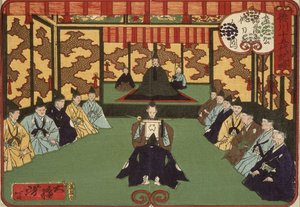
- Tokugawa Iemitsu empfängt Lords im Publikum: Eine beeindruckende Holzschnittdrucke, die sich im Los Angeles County Museum of Art befindet.
- Krieger (General Yamanaka Shikanasake): Demonstriert seine Fähigkeiten bei der Darstellung dynamischer Action und Charaktere.
- Musha-e Serie: Seine Serie von Kriegerdrucken, bekannt als Musha Burui, wird besonders gefeiert für ihre dramatische Intensität.
Einflüsse und Vermächtnis
- Von beeinflusst: Hauptsächlich Utagawa Kuniyoshi, von dem er sich im Bereich des Drafterwerbs und der Komposition lernte. Ebenso beeinflusst durch die westlichen Kunsttechniken, die durch Kuniyoshis Sammlung eingeführt wurden.
- Einfluss auf: Während sein direkter Einfluss diskutiert wird, ebnete Yoshitoshis innovativer Stil den Weg für zukünftige Generationen japanischer Künstler.
- Historische Bedeutung: Er gilt als der letzte große Meister des Ukiyo-e, der die Kunstform in einer Zeit rascher Modernisierung Japans bewahrte und erhob. Seine Arbeit erfasst einen entscheidenden Moment in der japanischen Geschichte.
- Ein Kampf gegen die Zeit: Yoshitoshi arbeitete unermüdlich daran, traditionelle Holzschnitttechniken aufrechtzuerhalten, als Japan westliche Methoden wie Fotografie und Lithographie annehmen sollte.
Letzte Jahre und Tod
- Yoshitoshi produzierte Kunst bis zu seinem Tod am 9. Juni 1892.
- Nachhaltige Reputation: Sein Mut und seine künstlerische Vision sicherten die Bewahrung des Ukiyo-e für eine weitere Generation. Heute wird er als einer der größten Künstler Japans anerkannt.
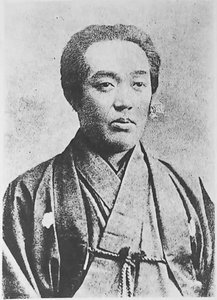
Tsukioka Yoshitoshi
1839 - 1892 , Japan
Kurzinfos
- Beeinflusste Künstler: ['Utagawa Kuniyoshi']
- Bemerkenswerte Werke:
- Tokugawa Iemitsu Empfangt Lords
- Krieger (General Yamanaka)
- Musha Burui Serie
- Geburtsdatum: 30. April 1839
- Geburtsort: Tokio, Japan
- Künstlerische Richtung: Ukiyo-e
- Nationalität: Japanisch
- Todatum: 9. Juni 1892
- Vollständiger Name: Tsukioka Yoshitoshi
- Von Künstlern Beeinflusst:
- Utagawa Hiroshige
- Katsushika Hokusai
Ähnliche Artikel
Tsukioka Yoshitoshi: Der letzte Glanz des Ukiyo-e – Narrative, Innovation und der Wandel im Meiji-Zeitalter
Entdecken Sie das faszinierende Werk von Tsukioka Yoshitoshi, dem letzten Meister des Ukiyo-e. Erfahren Sie mehr über seine Innovationen, den Einfluss der Meiji-Zeit und die bleibende Bedeutung seiner Kunst.

Katsushika Hokusai: Die 25 Meisterwerke des Ukiyo-e – Kunst für Ihr Zuhause | ArtsDot
Entdecken Sie die 25 Meisterwerke von Katsushika Hokusai! Tauchen Sie ein in die Welt des Ukiyo-e, berühmte Holzschnitte wie 'Die große Welle' & Fuji-Ansichten. Hochwertige Kunstdrucke für Ihr Zuhause – jetzt auf ArtsDot.com!
Ukiyo-e: Exploring Japan's Floating World & Enduring Artistic Legacy
Explore the captivating world of Ukiyo-e – Japan's iconic woodblock prints! Discover masters like Hokusai & Hiroshige, learn about Edo period culture, and find expert art collecting guidance at ArtsDot.
Floating World: The Captivating Art and Legacy of Japanese Ukiyo-e
Explore the profound beauty of Japanese Ukiyo-e. Discover the history, masters like Hokusai, and the enduring legacy of the 'Floating World' through an expert art-historical lens.
Suzuki Harunobu und die Vollendung des Ukiyo-e: Revolution der Farbgebung im Edo-Zeitalter
Entdecken Sie die Revolution der Farbgebung im Ukiyo-e mit Suzuki Harunobu! Erfahren Sie mehr über seine innovativen Drucktechniken, lyrischen Werke und seinen Einfluss auf den Japonismus. Expertenwissen & hochwertige Reproduktionen.