 Vorschau anzeigen
 Versenden
 Teilen
 Details anzeigen

 Herunterladen
 Ähnliche Objekte
 Röntgenaufnahme
 Diashow
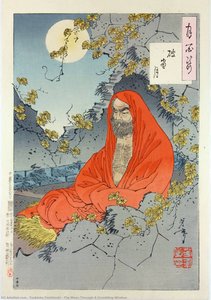
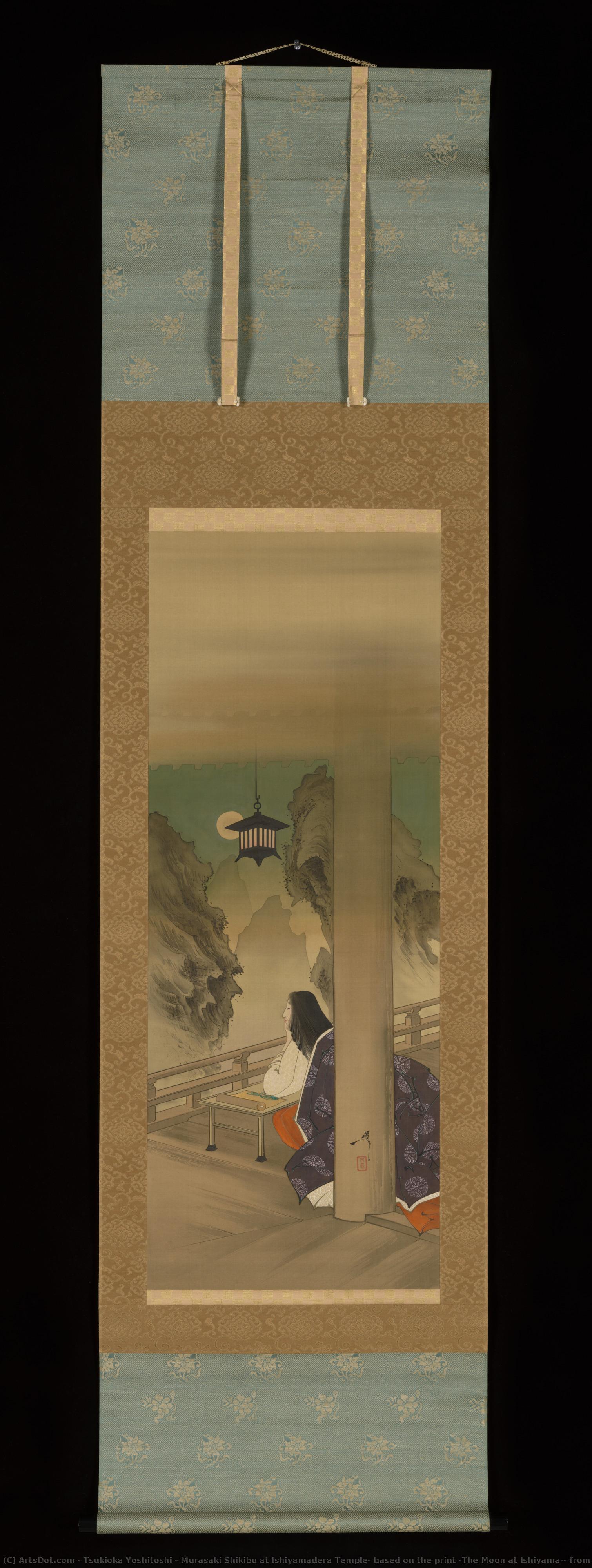
Murasaki Shikibu at Ishiyamadera Temple, based on the print “The Moon at Ishiyama,” from the series One Hundred Aspects of the Moon (Tsuki hyakushi: Ishiyama no tsuki)
 Painting
- Ukiyo-e
 1892
1892- 19th Century
 105.0 x 41.0 cm
 Weiterlesen
Handgefertigte Ölreproduktion
Handgemaltes Ölgemälde auf Leinwand in Ihrer Wunschgröße und mit Rahmen, auf Bestellung von unseren Künstlern angefertigt. ( Druck bestellen Bild kaufen)




P118B $10

P118H $10

P118W $10

P438Z $10

P508JH $12

P508YH $12

P805H $10

P805Z $10

P919BZ $10

P919G $10

P919XJ $10

P959ZH $10

P968JZ $12

W106C $8

W218G $10

W218JH $8

W218Y $10

W307PJ $10

W316G $10

W316PJ $8

W316Y $10

W398PJ $8

W4111J $10

W500HY $15

W500JH $15

W692G $12

W849H $8

W940BG $15

W953PJ $8




Wählen Sie aus unseren vordefinierten Formaten, die den ursprünglichen Proportionen des Kunstwerks entsprechen.

Sie können Ihre eigenen Maße eingeben, um einen bestimmten Rahmen oder Platz auszufüllen. Wenn die gewählte Größe nicht den Proportionen des Originalbildes entspricht, werden wir das Kunstwerk entweder beschneiden oder das Gemälde durch zusätzliche, handgemalte Elemente erweitern. Ein digitales Mockup wird Ihnen zur Genehmigung zugesandt, bevor die Produktion beginnt.
Bitte beachten Sie, dass die Bildschirmvorschau nicht die tatsächliche Beschneidung oder Erweiterung widerspiegelt. Nur das Mockup zeigt die endgültige Komposition exakt an.
Obwohl Sondermaße verfügbar sind, empfehlen wir, eine Größe aus der vordefinierten Liste zu wählen, um die ursprünglichen Proportionen beizubehalten.
Nach der Bestellung wird das ArtsDot.com-Team dem Kunden Anweisungen per E-Mail zusenden und eine Mockup-Vorschau bereitstellen.
Weltweiter Versand () in nur 3 bis 4 Wochen statt der üblichen 5 Wochen. (29 August). Keine Kompromisse bei der Qualität.

Kostenloser weltweiter Expressversand

Hochwertige Leinenleinwand

Umfassender Versicherungsschutz beim Versand

Zollgebühren-Rückerstattungsgarantie

Garantie für exakte Farbtreue

60 Tage Rückgaberecht (nur bei Mängeln)

100% Geld-zurück-Garantie

Mengenrabatt verfügbar
 Die Glasoption ist nur für Größen unter 110 cm verfügbar.

Murasaki Shikibu at Ishiyamadera Temple, based on the print “The Moon at Ishiyama,” from the series One Hundred Aspects of the Moon (Tsuki hyakushi: Ishiyama no tsuki)
Art der Reproduktion
Format der Reproduktion
-


Gesamtpreis
$ 263
A Moment of Literary Genesis
In the quiet, contemplative depths of Tsukioka Yoshitoshi’s 1892 masterpiece, Murasaki Shikibu at Ishiyamadera Temple, we are invited to witness a sacred moment of creative birth. This evocative painting, part of the legendary series One Hundred Aspects of the Moon, captures the Heian-era noblewoman and author at the very precipice of literary immortality. As she sits poised before her writing desk, the weight of history feels palpable. Yoshitoshi does not merely depict a woman writing; he illustrates the profound stillness required for the soul to translate inspiration into the written word—a moment that would eventually yield the monumental Tale of Genji.
The composition breathes with a unique atmospheric tension. Unlike many of his predecessors who sought to capture the sweeping, romantic vistas of Lake Biwa, Yoshitoshi directs our gaze toward the rugged, craggy outcrops of wollastonite stone that define Ishiyamadera. This deliberate departure from tradition grounds the scene in a tactile, earthly reality. The interplay between the delicate, silk-clad figure and the sharp, unyielding textures of the landscape creates a visual metaphor for the human spirit attempting to capture the ephemeral beauty of the moon within the permanence of ink and paper.
Mastery of the Ukiyo-e Legacy
As the last great master of the ukiyo-e tradition, Yoshitoshi brings an unparalleled dramatic flair to this work. His technique seamlessly blends the classical elegance of woodblock print aesthetics with a more fluid, painterly sensibility that reflects the changing tides of Meiji-era Japan. The brushwork is masterful, capturing the intricate folds of the traditional kimono and the soft, organic presence of the birds that surround the protagonist. These avian companions, perched near her and upon her shoulders, act as silent witnesses to her genius, adding a layer of natural harmony and gentle movement to an otherwise meditative scene.
For the discerning collector or interior designer, this piece offers a profound sense of tranquility and intellectual depth. The color palette, though subtle, evokes the cool, nocturnal atmosphere of a moonlit temple night, making it an exquisite focal point for spaces dedicated to study, reflection, or sophisticated repose. To possess a reproduction of this work is to bring a fragment of Japan’s golden literary age into the modern home, offering a window into a world where nature, myth, and literature are inextricably entwined.
Symbolism and Emotional Resonance
Beyond its technical brilliance, the painting serves as a powerful symbol of the intersection between solitude and creation. The presence of the other figures—shadowy presences in the periphery—emphasizes Murasaki’s internal isolation, a necessary state for the profound introspection required by her craft. The craggy landscape, while geographically divergent from traditional depictions, symbolizes the strength and endurance of the literary legacy she was forging.
Every element, from the placement of the birds to the ruggedness of the stone, contributes to an emotional resonance that is both haunting and serene. It is a piece that invites the viewer to pause, to breathe, and to contemplate their own moments of inspiration. Whether displayed in a curated gallery setting or as a centerpiece in a luxurious living space, this artwork continues to captivate with its ability to bridge the gap between the historical past and the emotional present.
Ähnliche Kunstwerke
Über den Künstler
Tsukioka Yoshitoshi: Ein Leben in Holzschnitten
Frühes Leben und Ausbildung
- Geboren: 30. April 1839, im Stadtteil Shimbashi des alten Edo (Tokio), Japan als Owariya Yonejiro.
- Er zeigte früh Interesse an Kunst und begann mit fünf Jahren Unterricht bei seinem Onkel.
- Lehre: Im Jahr 1850, im Alter von elf Jahren, wurde er Meijin von Utagawa Kuniyoshi, einem Meister des japanischen Holzschnitts. Er erhielt den Künstlernamen “Yoshitoshi” durch diese Lehre.
- Sein Vater war ein wohlhabender Kaufmann, der samurai-Status erlangt hatte.
Künstlerische Karriere und Entwicklung
- Frühe Werke: Yoshitoshis erstes Druckwerk erschien 1853, aber seine Produktion blieb bis nach dem Tod Kuniyoshis im Jahr 1861 begrenzt.
- “Blutige Drucke”: Er erlangte Anerkennung für Drucke, die grafische Gewalt und Tod darstellten, die den turbulenten Zeiten Japans des Übergangs widerspiegeln. Diese wurden von persönlichem Verlust und gesellschaftlichen Unruhen inspiriert.
- Serien & Themen: Veröffentlichte Werke in Serien wie Tsūzoku saiyūki (“Eine moderne Reise nach Westen”) und Wakan hyaku monogatari (“Erzählungen über China und Japan”). Seine Arbeit zeigte oft historische Szenen, Kabuki-Schauspieler und mythologische Themen.
- Innovation: Yoshitoshi vermischte traditionelle japanische Ästhetik mit westlichen Einflüssen in Komposition und Perspektive.
Bekannte Werke
- Tokugawa Iemitsu empfängt Lords im Publikum: Eine beeindruckende Holzschnittdrucke, die sich im Los Angeles County Museum of Art befindet.
- Krieger (General Yamanaka Shikanasake): Demonstriert seine Fähigkeiten bei der Darstellung dynamischer Action und Charaktere.
- Musha-e Serie: Seine Serie von Kriegerdrucken, bekannt als Musha Burui, wird besonders gefeiert für ihre dramatische Intensität.
Einflüsse und Vermächtnis
- Von beeinflusst: Hauptsächlich Utagawa Kuniyoshi, von dem er sich im Bereich des Drafterwerbs und der Komposition lernte. Ebenso beeinflusst durch die westlichen Kunsttechniken, die durch Kuniyoshis Sammlung eingeführt wurden.
- Einfluss auf: Während sein direkter Einfluss diskutiert wird, ebnete Yoshitoshis innovativer Stil den Weg für zukünftige Generationen japanischer Künstler.
- Historische Bedeutung: Er gilt als der letzte große Meister des Ukiyo-e, der die Kunstform in einer Zeit rascher Modernisierung Japans bewahrte und erhob. Seine Arbeit erfasst einen entscheidenden Moment in der japanischen Geschichte.
- Ein Kampf gegen die Zeit: Yoshitoshi arbeitete unermüdlich daran, traditionelle Holzschnitttechniken aufrechtzuerhalten, als Japan westliche Methoden wie Fotografie und Lithographie annehmen sollte.
Letzte Jahre und Tod
- Yoshitoshi produzierte Kunst bis zu seinem Tod am 9. Juni 1892.
- Nachhaltige Reputation: Sein Mut und seine künstlerische Vision sicherten die Bewahrung des Ukiyo-e für eine weitere Generation. Heute wird er als einer der größten Künstler Japans anerkannt.
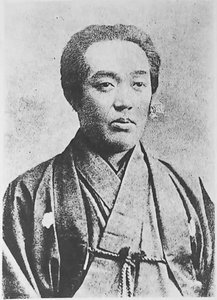
Tsukioka Yoshitoshi
1839 - 1892 , Japan
Kurzinfos
- Beeinflusste Künstler: ['Utagawa Kuniyoshi']
- Bemerkenswerte Werke:
- Tokugawa Iemitsu Empfangt Lords
- Krieger (General Yamanaka)
- Musha Burui Serie
- Geburtsdatum: 30. April 1839
- Geburtsort: Tokio, Japan
- Künstlerische Richtung: Ukiyo-e
- Nationalität: Japanisch
- Todatum: 9. Juni 1892
- Vollständiger Name: Tsukioka Yoshitoshi
- Von Künstlern Beeinflusst:
- Utagawa Hiroshige
- Katsushika Hokusai
Ähnliche Artikel
Tsukioka Yoshitoshi: Der letzte Glanz des Ukiyo-e – Narrative, Innovation und der Wandel im Meiji-Zeitalter
Entdecken Sie das faszinierende Werk von Tsukioka Yoshitoshi, dem letzten Meister des Ukiyo-e. Erfahren Sie mehr über seine Innovationen, den Einfluss der Meiji-Zeit und die bleibende Bedeutung seiner Kunst.

Katsushika Hokusai: Die 25 Meisterwerke des Ukiyo-e – Kunst für Ihr Zuhause | ArtsDot
Entdecken Sie die 25 Meisterwerke von Katsushika Hokusai! Tauchen Sie ein in die Welt des Ukiyo-e, berühmte Holzschnitte wie 'Die große Welle' & Fuji-Ansichten. Hochwertige Kunstdrucke für Ihr Zuhause – jetzt auf ArtsDot.com!
Ukiyo-e: Exploring Japan's Floating World & Enduring Artistic Legacy
Explore the captivating world of Ukiyo-e – Japan's iconic woodblock prints! Discover masters like Hokusai & Hiroshige, learn about Edo period culture, and find expert art collecting guidance at ArtsDot.
Suzuki Harunobu und die Vollendung des Ukiyo-e: Revolution der Farbgebung im Edo-Zeitalter
Entdecken Sie die Revolution der Farbgebung im Ukiyo-e mit Suzuki Harunobu! Erfahren Sie mehr über seine innovativen Drucktechniken, lyrischen Werke und seinen Einfluss auf den Japonismus. Expertenwissen & hochwertige Reproduktionen.
The Enduring Legacy of Woodblock Printmaking: Technique, History & Artistic Expression
Explore the rich history of woodblock printmaking – from ancient techniques to Ukiyo-e masterpieces. Discover expert insights on collecting, preserving & appreciating this enduring art form.