 Vorschau anzeigen
 Versenden
 Teilen
 Details anzeigen

 Herunterladen
 Ähnliche Objekte
 Röntgenaufnahme
 Diashow
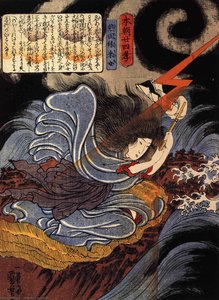
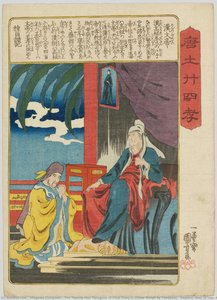
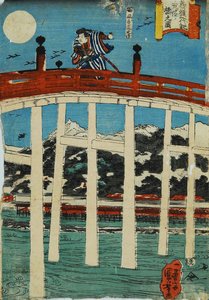
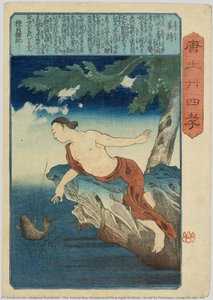
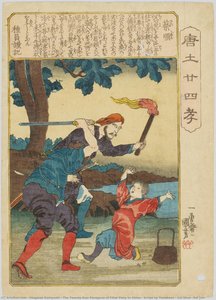
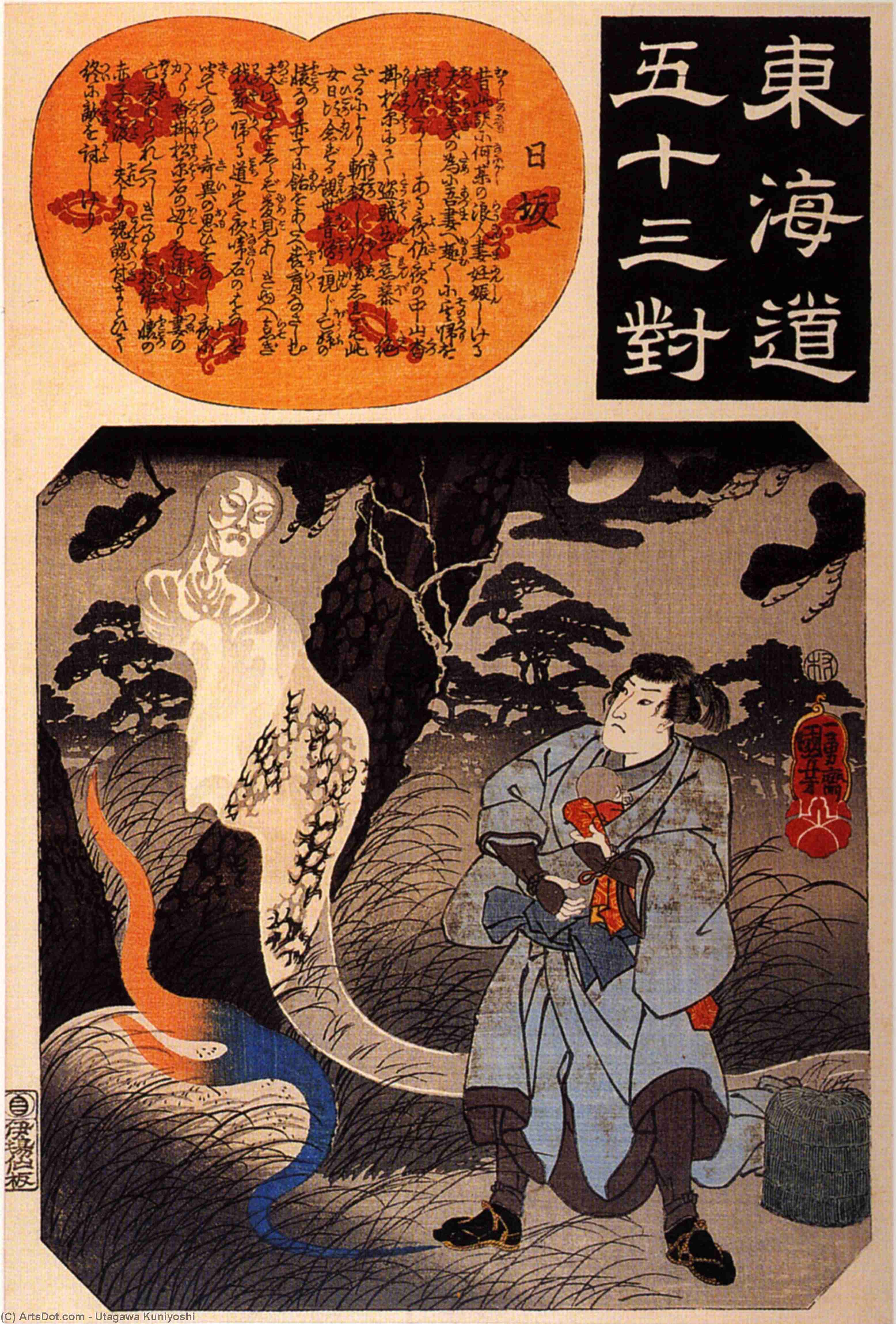
Nissaka Man receiving a child from a ghost


 Weiterlesen
Giclée / Kunstdruck
Giclée- oder Leinwanddruck in Museumsqualität mit schneller Produktion und flexiblen Veredelungsoptionen. ( Handgemalte Reproduktion bestellen Bild kaufen)




P118B $10

P118H $10

P118W $10

P438Z $10

P508JH $12

P508YH $12

P805H $10

P805Z $10

P919BZ $10

P919G $10

P919XJ $10

P959ZH $10

P968JZ $12

W106C $8

W218G $10

W218JH $8

W218Y $10

W307PJ $10

W316G $10

W316PJ $8

W316Y $10

W398PJ $8

W4111J $10

W500HY $15

W500JH $15

W692G $12

W849H $8

W940BG $15

W953PJ $8




Wählen Sie aus unseren vordefinierten Formaten, die den ursprünglichen Proportionen des Kunstwerks entsprechen.

Sie können Ihre eigenen Maße eingeben, um ein bestimmtes Format oder einen speziellen Platz einzupassen. Wenn das von Ihnen gewählte Format nicht den Proportionen des Originalbildes entspricht, werden wir das Kunstwerk entweder beschneiden oder das Bild mit einem gespiegelten oder einfarbigen Rand erweitern. Ein digitaler Entwurf wird Ihnen zur Genehmigung zugesandt, bevor die Produktion beginnt.
Bitte beachten Sie, dass die Vorschau auf dem Bildschirm nicht den tatsächlichen Zuschnitt oder die Erweiterung widerspiegelt. Nur der Entwurf zeigt die endgültige Komposition präzise an.
Obwohl Sondermaße verfügbar sind, empfehlen wir die Auswahl eines Maßes aus der vordefinierten Liste, um die ursprünglichen Proportionen zu bewahren.
Weltweiter Versand () innerhalb von 2 Wochen statt der üblichen 4/5 Wochen. (21 August)

Kostenloser weltweiter Expressversand

Hochwertige Leinenleinwand

Umfassender Versicherungsschutz beim Versand

Zollgebühren-Rückerstattungsgarantie

Garantie für exakte Farbtreue

60 Tage Rückgaberecht (nur bei Mängeln)

100% Geld-zurück-Garantie

Mengenrabatt verfügbar
 Die Glasoption ist nur für Größen unter 110 cm verfügbar.

Nissaka Man receiving a child from a ghost
Giclée / Kunstdruck
Format der Reproduktion
-


Gesamtpreis
$ 62
Sammlerstück-Beschreibung
Utagawa Kuniyoshi’s Spectral Encounter: A Window into Edo Japan
This meticulously hand-painted reproduction captures the essence of a pivotal moment in Japanese art history – a dramatic woodblock print by Utagawa Kuniyoshi, created during the twilight years of the Edo period. More than just a beautiful image, it's a portal to a world steeped in folklore, heroic narratives, and the deeply ingrained spiritual beliefs of 19th-century Japan. Kuniyoshi’s work, particularly his series depicting legendary warriors and historical figures, represents a culmination of Ukiyo-e tradition, blending artistic skill with profound cultural resonance.
The scene itself is arresting: a ghostly female spirit, or *yurei*, emerges from the cascading waters of a waterfall, confronting a lone samurai standing in traditional attire. This isn't merely a depiction of a supernatural event; it’s a carefully constructed narrative rooted in Japanese folklore. The *yurei* are apparitions of women who died tragically – often through suicide or violent circumstances – and their appearances were believed to herald misfortune or demand appeasement. Kuniyoshi masterfully utilizes this established iconography, transforming a potentially frightening encounter into one imbued with a sense of solemnity and respect for the departed.
The Art of Ukiyo-e: Technique and Materials
Kuniyoshi’s skill as an *ukiyo-e* artist is immediately apparent in the print's remarkable detail and dynamic composition. The technique, perfected over centuries, relied on carving intricate designs into wooden blocks – one block for each color – using specialized tools. These blocks were then inked with pigments like Prussian blue (a relatively new import that dramatically expanded the palette available to Japanese artists) and black ink, and pressed onto paper to create multiple impressions. This process demanded immense precision and patience, resulting in a tactile quality and subtle variations inherent to the medium.
Notice the bold outlines defining each element – the flowing robes of the samurai, the stylized trees forming the dense forest backdrop, and most strikingly, the ethereal form of the *yurei*. The artist’s deliberate use of line creates a sense of movement and energy, drawing the viewer's eye into the heart of the scene. The slightly grainy texture of the paper, a direct result of the woodblock printing process, adds to the print’s authenticity and evokes the feel of an original Edo-period masterpiece.
Symbolism and Context: Echoes of Edo Japan
To fully appreciate this artwork, it's essential to understand its historical context. The Edo period (1603-1868) was a time of relative peace and prosperity under the Tokugawa shogunate, fostering a vibrant urban culture centered around entertainment, art, and commerce. *Ukiyo-e* flourished during this era, catering to a broad audience – merchants, artisans, and commoners – who sought affordable depictions of popular subjects. Kuniyoshi’s choice of subject matter—a ghostly encounter—reflects the pervasive belief in spirits and the importance of ancestor veneration within Japanese society.
The samurai figure represents honor, loyalty, and martial prowess – values deeply ingrained in Japanese culture. His confrontation with the *yurei* symbolizes a struggle between the living world and the realm of the dead, highlighting the delicate balance between these realms. The waterfall itself is often associated with purification and transition, further emphasizing the spiritual significance of the scene.
Emotional Impact and Artistic Legacy
This reproduction doesn’t simply depict an image; it evokes a powerful emotional response. The dramatic lighting, the unsettling presence of the *yurei*, and the dynamic composition combine to create a sense of mystery, apprehension, and perhaps even reverence. Kuniyoshi's work continues to resonate with viewers today because it taps into universal themes – mortality, spirituality, and the enduring power of storytelling.
Whether displayed in a private collection or incorporated into an interior design scheme, this hand-painted reproduction offers a tangible connection to one of Japan’s most celebrated artistic traditions. It's a testament to Kuniyoshi’s skill, vision, and his ability to capture the spirit of Edo Japan – a world that continues to fascinate and inspire.
Ähnliche Kunstwerke
Über den Künstler
**biografie und künstlerische beiträge**
Utagawa Kuniyoshi, ein renommierter japanischer Künstler, wurde am 1. januar 1798 in Japan geboren und verstarb am 14. april 1861. Er war einer der letzten großen Meister des japanischen Ukiyo-e-Stils der Holzschnitte und Malerei und Mitglied der Utagawa-Schule.**frühes leben und ausbildung**
Kuniyoshis frühes Leben war geprägt von seiner Unterstützung im Seidenfärbebetrieb seines Vaters, wo er ein Auge für Farbe und Textilmuster entwickelte. Im Alter von sieben oder acht Jahren beeindruckten ihn ukiyo-e-Kriegerdrucke und Bilder von Handwerkern, die später seine eigene Arbeit beeinflussten.**künstlerische karriere**
Kuniyoshis künstlerisches Talent wurde mit 12 Jahren erkannt, was zu einer Lehrlingsausbildung unter dem berühmten Ukiyo-e-Druckmeister Utagawa Toyokuni führte. Er wurde zu einem der wichtigsten Schüler von Toyokuni und erhielt 1811 den Namen "Kuniyoshi". Seine erste veröffentlichte Arbeit, die Illustrationen für Kusazōshi Gōkan Gobuji Chūshingura, eine Parodie auf die ursprüngliche Chūshingura-Geschichte, markierte sein Debüt als unabhängiger Künstler.**bedeutende Werke und Beiträge**
- Einhundert acht Helden des beliebten Suikōden: Diese Reihe, basierend auf der chinesischen Erzählung Shuihu Zhuan, zeigte Kuniyoshis einzigartigen Stil und wurde in Edo äußerst beliebt.
- Der Geist von Taira no Tomomori in der Daimotsu-Bucht: Diese Arbeit demonstrierte Kuniyoshis Fähigkeit, eine wirkungsvolle Intensität des Kampfgeschehens hervorzurufen.
- Die Gōjō-Brücke: Dieses Triptych von 1839 zeigte Kuniyoshis thematischen Stil, der das öffentliche Interesse an dem Schrecklichen, Aufregenden und Bizarren befriedigte.
**einfluss und vermächtnis**
Kuniyoshis Kunstwerke integrierten Aspekte westlicher Darstellung in Landschaftsmalerei und Karikatur. Sein Einfluss auf die Ukiyo-e-Kunst ist in seiner einzigartigen Mischung aus traditionellen japanischen Elementen mit westlichen Techniken erkennbar.- Betrachten Sie Kuniyoshis Selbstporträt des Shunga-Albums (Ukiyo-e) auf ArtsDot.
- Erkunden Sie weitere Werke von Utagawa Kuniyoshi auf ArtsDot.
- Lesen Sie mehr über Utagawa Kuniyoshi auf Wikipedia.
**schlussfolgerung**
Utagawa Kuniyoshi bleibt eine bedeutende Figur in der japanischen Ukiyo-e-Kunst, bekannt für seine vielfältigen Themen und die innovative Mischung aus traditionellen und westlichen Techniken. Sein Vermächtnis inspiriert weiterhin Künstler und Kunstliebhaber gleichermaßen. **Wichtig:** Dieser Artikel basiert auf den bereitgestellten Informationen von ArtsDot.com und Wikipedia.org, wobei der Schwerpunkt auf Kuniyoshis Biografie, künstlerischer Karriere, bemerkenswerten Werken, Einfluss und Vermächtnis liegt.
Utagawa Kuniyoshi
1797 - 1861 , Japan
Kurzinfos
- Bemerkenswerte Werke:
- Suikoden-Heldenreihe
- Geist von Taira no Tomomori
- Gōjō-Brücke
- Geburtsdatum: 1. Januar 1798
- Geburtsort (Stadt, Land): Tokio, Japan
- Künstler Oder Bewegungen, Die Von Diesem Künstler Beeinflusst Wurden: ['Tsukioka Yoshitoshi']
- Künstler, Die Diesen Künstler Beeinflussten: ['Utagawa Toyokuni']
- Künstlerische Bewegung/Stil: Ukiyo-e
- Nationalität: Japanisch
- Todatum: 14. April 1861
- Vollständiger Name: Utagawa Kuniyoshi
Ähnliche Artikel

Katsushika Hokusai: Die 25 Meisterwerke des Ukiyo-e – Kunst für Ihr Zuhause | ArtsDot
Entdecken Sie die 25 Meisterwerke von Katsushika Hokusai! Tauchen Sie ein in die Welt des Ukiyo-e, berühmte Holzschnitte wie 'Die große Welle' & Fuji-Ansichten. Hochwertige Kunstdrucke für Ihr Zuhause – jetzt auf ArtsDot.com!
Utagawa Kuniyoshi: Narrative Innovation und die Verschmelzung von Tradition mit Populärkultur – Eine Studie zum Meister des japanischen Ukiyo-e
Entdecken Sie Utagawa Kuniyoshi, den Meister des japanischen Ukiyo-e! Erfahren Sie mehr über seine narrative Innovation, die Verschmelzung von Tradition und Populärkultur sowie seine einzigartige Technik. Jetzt lesen!
Tsukioka Yoshitoshi: Der letzte Glanz des Ukiyo-e – Narrative, Innovation und der Wandel im Meiji-Zeitalter
Entdecken Sie das faszinierende Werk von Tsukioka Yoshitoshi, dem letzten Meister des Ukiyo-e. Erfahren Sie mehr über seine Innovationen, den Einfluss der Meiji-Zeit und die bleibende Bedeutung seiner Kunst.
Ukiyo-e: Exploring Japan's Floating World & Enduring Artistic Legacy
Explore the captivating world of Ukiyo-e – Japan's iconic woodblock prints! Discover masters like Hokusai & Hiroshige, learn about Edo period culture, and find expert art collecting guidance at ArtsDot.
The Enduring Legacy of Woodblock Printmaking: Technique, History & Artistic Expression
Explore the rich history of woodblock printmaking – from ancient techniques to Ukiyo-e masterpieces. Discover expert insights on collecting, preserving & appreciating this enduring art form.