 Vorschau anzeigen
 Versenden
 Teilen
 Details anzeigen

 Herunterladen
 Ähnliche Objekte
 Röntgenaufnahme
 Diashow
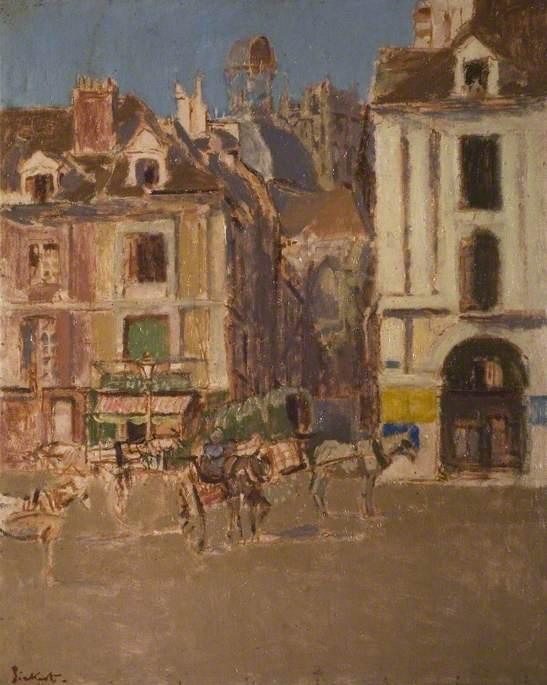
La Rue Notre Dame and the Quai Duquesne, Dieppe


 Weiterlesen
Giclée / Kunstdruck
Giclée- oder Leinwanddruck in Museumsqualität mit schneller Produktion und flexiblen Veredelungsoptionen. ( Handgemalte Reproduktion bestellen Bild kaufen)




P118B $10

P118H $10

P118W $10

P438Z $10

P508JH $12

P508YH $12

P805H $10

P805Z $10

P919BZ $10

P919G $10

P919XJ $10

P959ZH $10

P968JZ $12

W106C $8

W218G $10

W218JH $8

W218Y $10

W307PJ $10

W316G $10

W316PJ $8

W316Y $10

W398PJ $8

W4111J $10

W500HY $15

W500JH $15

W692G $12

W849H $8

W940BG $15

W953PJ $8




Wählen Sie aus unseren vordefinierten Formaten, die den ursprünglichen Proportionen des Kunstwerks entsprechen.

Sie können Ihre eigenen Maße eingeben, um ein bestimmtes Format oder einen speziellen Platz einzupassen. Wenn das von Ihnen gewählte Format nicht den Proportionen des Originalbildes entspricht, werden wir das Kunstwerk entweder beschneiden oder das Bild mit einem gespiegelten oder einfarbigen Rand erweitern. Ein digitaler Entwurf wird Ihnen zur Genehmigung zugesandt, bevor die Produktion beginnt.
Bitte beachten Sie, dass die Vorschau auf dem Bildschirm nicht den tatsächlichen Zuschnitt oder die Erweiterung widerspiegelt. Nur der Entwurf zeigt die endgültige Komposition präzise an.
Obwohl Sondermaße verfügbar sind, empfehlen wir die Auswahl eines Maßes aus der vordefinierten Liste, um die ursprünglichen Proportionen zu bewahren.
Weltweiter Versand () innerhalb von 2 Wochen statt der üblichen 4/5 Wochen. (25 August)

Kostenloser weltweiter Expressversand

Hochwertige Leinenleinwand

Umfassender Versicherungsschutz beim Versand

Zollgebühren-Rückerstattungsgarantie

Garantie für exakte Farbtreue

60 Tage Rückgaberecht (nur bei Mängeln)

100% Geld-zurück-Garantie

Mengenrabatt verfügbar
 Die Glasoption ist nur für Größen unter 110 cm verfügbar.

La Rue Notre Dame and the Quai Duquesne, Dieppe
Giclée / Kunstdruck
Format der Reproduktion
-


Gesamtpreis
$ 62
Sammlerstück-Beschreibung
A Glimpse of Dieppe’s Soul: Walter Richard Sickert's “La Rue Notre Dame and the Quai Duquesne”
Walter Richard Sickert’s “La Rue Notre Dame and the Quai Duquesne, Dieppe,” painted in 1902, isn’t merely a depiction of a street scene; it’s a carefully constructed tableau brimming with atmosphere, social observation, and a subtle undercurrent of melancholy. This oil on canvas, now residing within the Birmingham Museum and Art Gallery, offers a captivating window into the artist's unique vision of urban life and his fascination with the marginalized figures that populated its fringes. The painting immediately draws the eye down the Rue Notre Dame, a narrow thoroughfare leading towards the imposing St. Jacques church, framed by the elegant arcades of the Quai Duquesne – a scene rendered with a remarkable sense of immediacy and movement.Composition and Technique: A Dance of Light and Shadow
Sickert’s masterful technique is immediately apparent in the painting's dynamic composition. Bold, expressive brushstrokes create a palpable sense of energy, particularly evident in the horse-drawn carriage that dominates the foreground. The artist doesn’t shy away from depicting the grime and wear of everyday life; the cobblestones are rendered with a textured realism, and the buildings lining the street possess a slightly weathered quality. Light plays a crucial role, casting dramatic shadows that deepen the sense of depth and create an almost theatrical atmosphere. Sickert employed a technique reminiscent of Whistler, prioritizing tonal values and capturing fleeting moments of light rather than striving for photographic accuracy. The inclusion of a bicycle parked on the sidewalk – a relatively new addition to urban landscapes at the time – subtly hints at the changing rhythms of modern life. The careful arrangement of figures—a woman standing close to the left edge, another in the center, and two further along the right side—adds to the feeling of a bustling public space.Echoes of Camden Town: A Portrait of London’s Underbelly
Sickert's work is inextricably linked to the Camden Town Group, a collective of artists who sought to capture the gritty reality of London’s working-class districts. His choice of subject matter—music halls, street scenes, and portraits of ordinary people—reflects this commitment. “La Rue Notre Dame” shares thematic similarities with Sickert's earlier paintings of London music halls, particularly his depiction of Katie Lawrence at Gatti’s, a work that sparked considerable controversy due to its unflinching portrayal of female performers. The painting subtly evokes the atmosphere of Camden Town, where Sickert established studios and cultivated relationships with artists and writers. The scene feels both familiar and slightly unsettling, mirroring the complex social dynamics of London's urban landscape.Symbolism and Emotional Resonance
Beyond its realistic depiction of a street scene, “La Rue Notre Dame” carries a deeper symbolic weight. Sickert’s frequent depictions of marginalized figures—prostitutes, musicians, and laborers—suggested an interest in the hidden corners of society. The painting's subdued color palette and dramatic lighting contribute to a mood of quiet contemplation and perhaps even melancholy. The horse-drawn carriage, a symbol of a bygone era, contrasts with the bicycle, representing the dawn of modernity. This juxtaposition hints at a sense of loss and transition—a reflection of Sickert’s own feelings about the changing nature of urban life. The painting invites viewers to consider not just what they see but also what lies beneath the surface.A Legacy in Reproduction: Bringing Sickert's Vision Home
Today, high-quality reproductions of “La Rue Notre Dame and the Quai Duquesne” are available through platforms like ArtsDot.com, offering art enthusiasts a chance to bring this evocative masterpiece into their homes or offices. These meticulously crafted prints capture the painting’s rich textures, vibrant colors, and atmospheric depth with remarkable fidelity. Whether you're an admirer of Sickert’s unique artistic vision or simply seeking a captivating piece of art for your interior space, a reproduction of this iconic work offers a tangible connection to one of Britain’s most intriguing artists. Consider it not just a print, but a portal into the soul of Dieppe and the world seen through Sickert's discerning eye.Ähnliche Kunstwerke
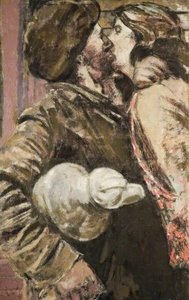
Über den Künstler
Frühes Leben und Ausbildung
Walter Richard Sickert, ein deutschamerikanischer britischer Maler, wurde am 31. Mai 1860 in München, Königreich Bayern, geboren. Seine Familie ließ sich 1868 in England nieder, nachdem das Herzogtum Schleswig-Holstein von Deutschland annektiert worden war. Sickerts frühe Ausbildung fand an der University College School und der King’s College School statt, wo er bis zum 18. Lebensjahr studierte.Künstlerische Entwicklung
Sickerts künstlerischer Weg begann mit einer kurzen Tätigkeit als Schauspieler, gefolgt von seiner Einschreibung an der Slade School im Jahr 1881. Später wurde er Schüler von James Abbott McNeill Whistler, der seine Arbeit maßgeblich beeinflusste. Sickerts früheste Gemälde waren kleine tonalistische Studien, die nach Whistlers Vorbild „alla prima“ aus der Natur gemalt wurden.Bemerkenswerte Werke und Kontroversen
Sickerts erste größere Werke, die in den späten 1880er Jahren entstanden, stellten Szenen aus Londoner Musikhall-Lokalen dar. Eines seiner bemerkenswertesten Gemälde, Katie Lawrence at Gatti’s, löste Kontroversen aus, da es eine bekannte Musikhall-Sängerin darstellte, die von Kritikern als „hässlich und vulgär“ bezeichnet wurde.Zusammenarbeit mit der Camden Town Group
Sickert war ein wichtiger Einfluss auf distinctiv britische Stile der Avantgarde-Kunst im 20. Jahrhundert. Er trat 1888 der New English Art Club bei, einer Gruppe von französisch beeinflussten realistischen Künstlern, und wurde später Mitglied der Camden Town Group.Vermächtnis
Sickerts Werk ist in verschiedenen Museen zu finden, darunter das Museum Kunstsalon Franke Schenk, das Werke aus dem 16. bis zum 20. Jahrhundert zeigt. Sein Vermächtnis geht über seine eigene Kunst hinaus und beeinflusst britische Stile der Avantgarde-Kunst in der Mitte und im späten 20. Jahrhundert.- Betrachten Sie Sickerts Gemälde auf ArtsDot: Walter Richard Sickert
- Erfahren Sie mehr über die Camden Town Group auf Wikipedia: Wyndham Lewis
- Entdecken Sie die Sammlung des Museum Kunstsalon Franke Schenk auf ArtsDot: Das Museum Kunstsalon Franke Schenk
- Erfahren Sie mehr über Sickerts Leben und Werk auf Wikipedia: Walter Sickert
- 31. Mai 1860: Geburt in München, Königreich Bayern
- 1888: Beitritt zum New English Art Club
- 1903-04: Entwicklung eines unverwechselbaren Ansatzes für mehrfigurige Tableaus während seiner letzten Malreise nach Venedig
Schlussfolgerung
Walter Richard Sickerts bahnbrechende Arbeit in der britischen Avantgarde-Kunst hat ihre Spuren in der Kunstwelt hinterlassen. Sein Vermächtnis inspiriert und beeinflusst weiterhin Künstler, was ihn zu einer entscheidenden Figur in der Geschichte der modernen Kunst macht.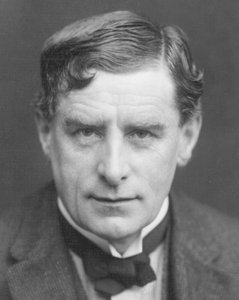
Walter Richard Sickert
1860 - 1942 , Deutschland
Kurzinfos
- Beeinflusste Künstler: ['James Abbott McNeill Whistler']
- Bemerkenswerte Werke:
- Katie Lawrence at Gatti’s
- Gaieté Montparnasse
- Geburtsdatum: 31. Mai 1860
- Geburtsort: München, Deutschland
- Künstlerische Richtung: Postimpressionismus
- Nationalität: Deutsch-Britisch
- Sterbedatum: 22. Januar 1942
- Vollständiger Name: Walter Richard Sickert
- Von Künstlern Beeinflusst: ['Degas']
Ähnliche Artikel
Walter Sickert: A Shadowy Realism & the Modern British Canvas
Explore the life & work of Walter Sickert, a pivotal British painter bridging Impressionism to Modernism. Discover his evocative scenes of London life, controversial legacy, and lasting influence on 20th-century art.

Impressionismus Meisterwerke: Die Top 10 Kunstwerke für Ihr Zuhause | ArtsDot
Entdecken Sie die Top 10 Meisterwerke des Impressionismus! Von Monet bis Renoir – erfahren Sie die Geschichten hinter berühmten Gemälden, Techniken & Farben. Hochwertige Kunstdrucke auf ArtsDot.com.
The Gilded Age Reimagined: Exploring the Aesthetic Principles & Enduring Legacy of Art Deco
Explore the captivating world of Art Deco! Discover its origins, defining features, cultural impact & enduring legacy. Expert insights for collectors and design enthusiasts. Shop handmade reproductions at ArtsDot.
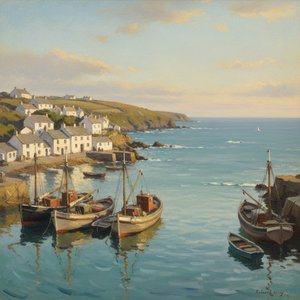
Richard Hayley Lever: A Study in British Impressionism & Coastal Light
Explore the captivating world of Richard Hayley Lever (1876-1958), a master of Impressionism renowned for his vibrant coastal scenes. Discover his life, style & legacy with ArtsDot.
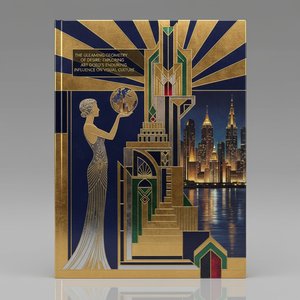
The Gleaming Geometry of Desire: Exploring Art Deco's Enduring Influence on Visual Culture
Explore the captivating world of Art Deco! Discover its history, key characteristics, enduring influence on design & collecting with expert insights from ArtsDot.com.