

 Vorschau anzeigen
 Versenden
 Teilen
 Details anzeigen

 Herunterladen
 Ähnliche Objekte
 Röntgenaufnahme
 Diashow
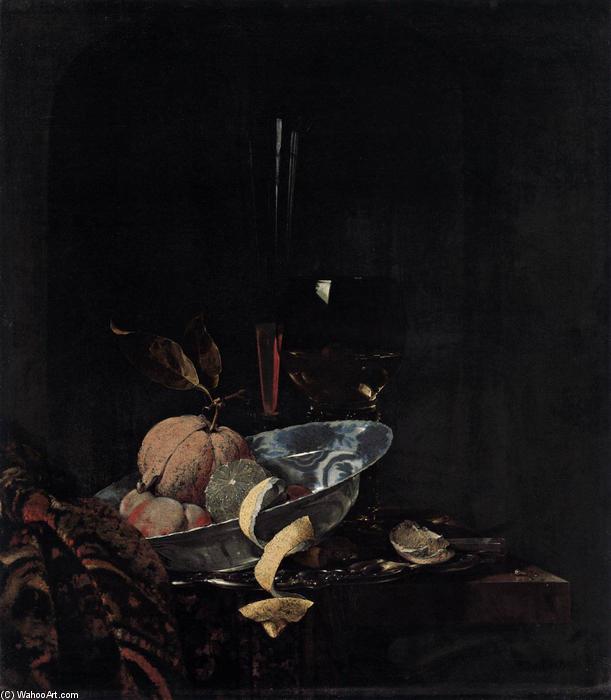
Still-Life with Fruit, Glassware, and a Wanli Bowl
 Oil On Canvas
- WallArt
 1659
1659- Early Modern
 58.0 x 51.0 cm
 Metropolitan Museum of Art
 Weiterlesen
Erwerben Sie ein hochauflösendes, optimiertes digitales Bild, das der Online-Vorschau weit überlegen ist.
Jede Datei wird von unseren hauseigenen Spezialisten mit modernsten Werkzeugen und fachmännischer manueller Retusche sorgfältig vorbereitet. Wir stellen sicher, dass jedes Bild eine außergewöhnliche Klarheit, präzise Farbgenauigkeit und feinste Details aufweist.
Die endgültige Datei wird innerhalb von 72 Stunden per E-Mail zugestellt und ist für den sofortigen Einsatz in professionellen, redaktionellen und Druckumgebungen optimiert. Es handelt sich um dieselbe Qualität, der führende Designstudios, Verlage und Galerien vertrauen.
Digitales Bild
Laden Sie eine hochauflösende Datei für die persönliche Präsentation, den Druck und kreative Projekte herunter. ( Druck bestellen Handgemalte Reproduktion bestellen)
In jeder Bestellung digitaler Bilder enthalten
Professionelle digitale Bereitstellung, garantiert
Wenn Sie sich für ArtsDot.com entscheiden, erhalten Sie nicht nur ein Bild – Sie erhalten ein professionell aufbereitetes digitales Kunstwerk, das mit höchster Präzision erstellt und durch eine Zufriedenheitsgarantie abgesichert wird. Hier ist alles, was automatisch mit Ihrer Bestellung geliefert wird:

Schnelle E-Mail-Zustellung
Ihre hochauflösende digitale Bilddatei wird Ihnen innerhalb von 72 Stunden nach der Bestellung per E-Mail zugestellt – bereit zur sofortigen Verwendung.

KI-optimierte digitale Datei
Ihre Kunstwerke werden professionell mithilfe fortschrittlicher KI-Tools und manueller Bearbeitung optimiert, um maximale Detailtreue, Klarheit und Farbgenauigkeit zu gewährleisten.

Lebenslanger kostenloser Neudruckservice
Datei versehentlich gelöscht oder verloren? Keine Sorge – wir senden sie Ihnen jederzeit kostenlos erneut zu.

Keine Einfuhrgebühren – jemals
Genießen Sie Ihr Kunstwerk sofort ohne Zollgebühren, Einfuhrabgaben oder Versandkosten – digitale Downloads sind immer steuerfrei.

Garantierte Farbtreue
Wir garantieren, dass Ihr digitales Bild mithilfe professioneller Werkzeuge und Farbmanagement die Originalfarben so präzise wie möglich wiedergibt.

60-Tage-Zufriedenheitsgarantie
Sollten Sie mit Ihrem digitalen Bild nicht zufrieden sein, werden wir es überarbeiten oder Ihnen innerhalb von 60 Tagen 100% erstatten – ohne Wenn und Aber.

100% Geld-zurück-Garantie
Nicht zufrieden? Erhalten Sie innerhalb von 60 Tagen nach Erhalt Ihrer digitalen Datei eine vollständige Rückerstattung – ohne Angabe von Gründen.

Rabatte bei Großbestellungen
3 Bilder kaufen, 10% sparen – 5 Bilder kaufen, 15% sparen – Ab 10 Bildern 20% sparen. Ideal für kreative Projekte, Galerien und Agenturen.
Details zum Sammlerstück
The Opulent Stillness of Willem Kalf’s “Still Life with Fruit, Glassware, and a Wanli Bowl”
Willem Kalf's "Still Life with Fruit, Glassware, and a Wanli Bowl," painted in 1659, is more than just a depiction of objects arranged on a table; it’s a meticulously crafted window into the lavish world of 17th-century Dutch society. This remarkable artwork, now housed at The Metropolitan Museum of Art, embodies the pinnacle of the pronkstilleven genre – a style characterized by its extravagant displays of wealth and luxury, reflecting the burgeoning mercantile power of the Dutch Republic. Kalf’s skill lies not merely in his technical proficiency but in his ability to evoke a sense of quiet contemplation and understated grandeur, inviting the viewer into an intimate space filled with carefully curated beauty.A Glimpse into Dutch Prosperity
The painting immediately establishes a scene of considerable opulence. The arrangement is dominated by a magnificent Wanli bowl – a prized possession from China, indicative of the extensive trade networks that fueled the Dutch Golden Age. Alongside it rests an array of exquisite glassware: delicate goblets, shimmering decanters, and intricately crafted bottles, all reflecting the wealth and sophistication of their owner. A draped fabric, likely silk or velvet, adds to the luxurious atmosphere, its folds creating a subtle diagonal line that draws the eye across the composition. The inclusion of fresh fruit – peaches, grapes, and plums – further emphasizes abundance and the fleeting beauty of nature’s bounty. The painting isn't simply about displaying objects; it’s a testament to the prosperity and global reach of the Dutch Republic, a nation at the forefront of trade and artistic innovation during this period.Masterful Technique and Subtle Details
Kalf’s mastery is evident in his painstaking attention to detail and his skillful use of technique. The artist employs a muted color palette – primarily browns, creams, and subtle hints of red and orange – creating a sense of depth and realism through careful shading and modeling. The surfaces of the objects are rendered with remarkable precision, capturing their textures—the smooth sheen of glass, the velvety softness of fabric, and the rough skin of fruit. Notice how Kalf subtly blurs the edges of some elements, contributing to the overall feeling of softness and intimacy. The lighting, emanating from a single source on the left, casts dramatic shadows that define the forms and create a sense of volume, enhancing the three-dimensional quality of the scene. The composition itself is carefully balanced, with the bowl acting as a central focal point while the other objects contribute to a harmonious whole.Symbolism and the Vanitas Aesthetic
Like many still lifes of the period, “Still Life with Fruit, Glassware, and a Wanli Bowl” carries symbolic weight. The abundance of luxurious items can be interpreted as an allusion to vanitas – a concept central to Dutch Golden Age art that reminds viewers of the transience of earthly pleasures and the inevitability of death. The fruit, representing fleeting beauty, contrasts with the durable objects like the bowl and glassware, symbolizing longevity and permanence. The carefully arranged composition itself speaks to the value placed on order and control within a society obsessed with wealth and status. Kalf’s work invites contemplation not just on the beauty of the objects themselves, but also on their ephemeral nature and the human condition.A Timeless Masterpiece for Collectors and Designers
“Still Life with Fruit, Glassware, and a Wanli Bowl” remains a captivating artwork today, offering a glimpse into a bygone era of wealth, artistry, and philosophical reflection. Its meticulous detail, balanced composition, and evocative symbolism make it a prized possession for collectors and a source of inspiration for interior designers seeking to create spaces that exude elegance and sophistication. Reproductions of this iconic painting capture the essence of Kalf’s vision, allowing viewers to appreciate its beauty and complexity in their own homes. It is a testament to the enduring power of still life as a genre—a celebration of beauty, wealth, and the fleeting nature of time.Ähnliche Kunstwerke

Biografie des Künstlers
Willem Kalf: Ein Meister der niederländischen Stilllebenmalerei
- Geboren: Rotterdam, Niederlande (1619)
- Gestorben: 1693
Willem Kalf war ein renommierter niederländischer Maler, der für seine exquisiten Stilllebenkompositionen während des Goldenen Zeitalters der Niederlande gefeiert wurde. Geboren 1619 in Rotterdam, wurde er bekannt für seine luxuriösen "pronkstilleven" (prunkvollen Stillleben), die opulente Objekte mit akribischer Detailgenauigkeit und meisterhafter Lichtnutzung präsentierten.
Frühes Leben und Ausbildung
Kalf wurde in eine wohlhabende Patrizierfamilie in Rotterdam hineingeboren. Sein Vater hatte kommunale Ämter inne, was Willem eine komfortable Jugend ermöglichte. In den späten 1630er Jahren reiste Kalf nach Paris und verbrachte Zeit im Kreis flämischer Künstler in Saint-Germain-des-Prés. Während dieser Zeit malte er hauptsächlich kleine rustikale Innenräume und Stillleben.
Künstlerischer Stil und Entwicklung
- Pariser Periode: Seine frühen Werke, entstanden in Paris, zeigten typischerweise Gruppen von Gemüse, Eimern, Töpfen und Pfannen, die als Stillleben im Vordergrund angeordnet waren. Figuren waren oft präsent, aber verschwommen im Hintergrund dargestellt. Diese Gemälde spiegelten eine bildliche Tradition wider, die hauptsächlich im frühen 17. Jahrhundert in Flandern von Künstlern wie David Teniers dem Jüngeren praktiziert wurde.
- Reife Stillleben (Pronkstilleven): Kalfs spätere Werke, seine "pronkstilleven", zeichnen sich durch die Darstellung luxuriöser und exotischer Objekte aus – Silbergefäße, Porzellan, Früchte und andere Delikatessen. Diese Kompositionen demonstrieren eine bemerkenswerte Detailgenauigkeit, reiche Farben und dramatische Lichteffekte. Obwohl die Struktur dieser Gemälde relativ konstant blieb und ähnliche Objekte enthielt, hob Kalfs Geschicklichkeit in der Darstellung von Texturen und der Erfassung des Lichts sie zu außergewöhnlicher Kunst an.
- Einflüsse: Kalfs Werk zeigt Einflüsse von früheren niederländischen Stilllebenmalern wie Simon Luttichuys. Er teilte auch stilistische Ähnlichkeiten mit Künstlern wie Pieter Claesz, Willem Claeszoon Heda und Juriaen van Streeck, die in den 1630er Jahren für ihre "banketjes" oder 'kleinen Bankettstücke' bekannt waren.
Bemerkenswerte Werke und Vermächtnis
Kalfs Gemälde werden aufgrund ihrer technischen Brillanz und ästhetischen Anziehungskraft hoch geschätzt. Obwohl einzelne Werke weniger breite Anerkennung finden als einige seiner Zeitgenossen, ist sein Gesamtbeitrag zu dem Genre bedeutend.
- Museumsbestände: Kalfs Werk befindet sich in renommierten Museen auf der ganzen Welt, darunter das Museum Boijmans Van Beuningen in Rotterdam, die National Gallery of Art in Washington D.C. und das Getty Museum.
- Einfluss auf die französische Kunst: Kalfs semi-monochrome Stillleben hatten einen bemerkenswerten Einfluss auf die französische Kunst, insbesondere im Kreis der Le Nain-Brüder.
- Historische Bedeutung: Als führende Figur der niederländischen Malerei des Goldenen Zeitalters half Willem Kalf dabei, das Genre "pronkstilleven" zu definieren und den Reichtum und die Raffinesse der holländischen Gesellschaft des 17. Jahrhunderts zu präsentieren. Seine akribische Detailgenauigkeit und meisterhafte Lichtnutzung inspirieren weiterhin Künstler und Kunstliebhaber heute.
Weiterführende Informationen
- Wikipedia: https://de.wikipedia.org/wiki/Willem_Kalf
- National Gallery of Art: https://www.nga.gov/artists/1430-willem-kalf
- Getty Museum: https://www.getty.edu/art/collection/person/103JR3
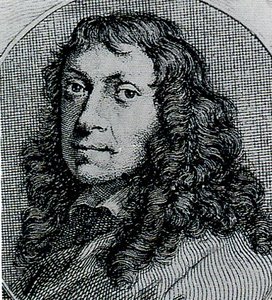
Willem Kalf
1619 - 1693 , Niederlande
Kurzinfos
- Beeinflusste Künstler: ['David Teniers der Jüngere']
- Bekannte Werke: ['Stillleben']
- Geburtsdatum: 1619
- Geburtsort: Rotterdam, Niederlande
- Künstlerische Richtung: Stilllebenmalerei
- Nationalität: Niederländisch
- Sterbedatum: 1693
- Vollständiger Name: Willem Kalf
- Von Künstlern Beeinflusst:
- Simon Luttichuys
- Pieter Claesz
- Willem Claeszoon Heda
- Juriaen van Streeck

