 Vorschau anzeigen
 Versenden
 Teilen
 Details anzeigen

 Herunterladen
 Ähnliche Objekte
 Röntgenaufnahme
 Diashow
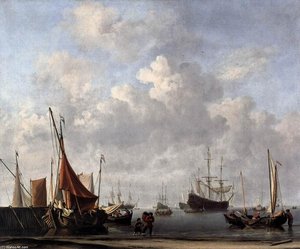
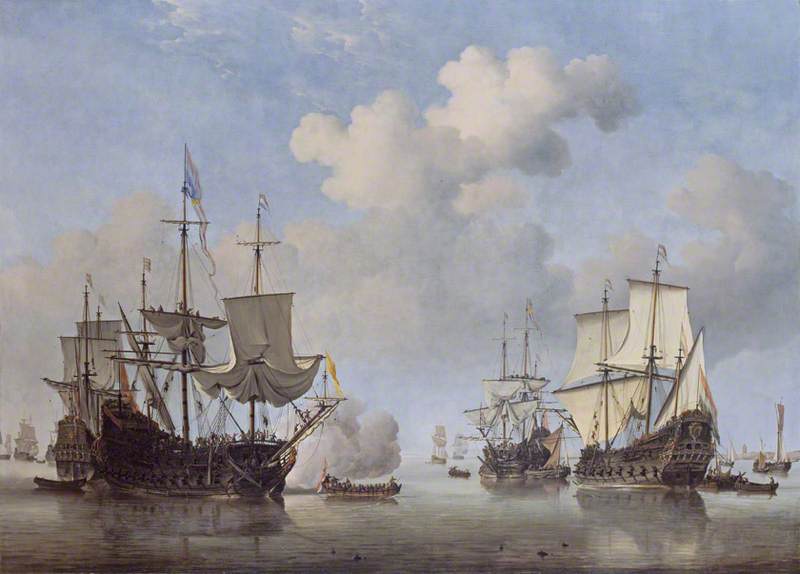
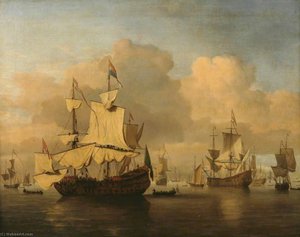
Calm Dutch Ships Coming to Anchor
 Oil On Canvas
- WallArt
- Dutch Golden Age Painting
 1655
1655 170.0 x 233.0 cm
 Die Wallace Collection
 Weiterlesen
Handgefertigte Ölreproduktion
Handgemaltes Ölgemälde auf Leinwand in Ihrer Wunschgröße und mit Rahmen, auf Bestellung von unseren Künstlern angefertigt. ( Druck bestellen Bild kaufen)




P118B $10

P118H $10

P118W $10

P438Z $10

P508JH $12

P508YH $12

P805H $10

P805Z $10

P919BZ $10

P919G $10

P919XJ $10

P959ZH $10

P968JZ $12

W106C $8

W218G $10

W218JH $8

W218Y $10

W307PJ $10

W316G $10

W316PJ $8

W316Y $10

W398PJ $8

W4111J $10

W500HY $15

W500JH $15

W692G $12

W849H $8

W940BG $15

W953PJ $8




Wählen Sie aus unseren vordefinierten Formaten, die den ursprünglichen Proportionen des Kunstwerks entsprechen.

Sie können Ihre eigenen Maße eingeben, um einen bestimmten Rahmen oder Platz auszufüllen. Wenn die gewählte Größe nicht den Proportionen des Originalbildes entspricht, werden wir das Kunstwerk entweder beschneiden oder das Gemälde durch zusätzliche, handgemalte Elemente erweitern. Ein digitales Mockup wird Ihnen zur Genehmigung zugesandt, bevor die Produktion beginnt.
Bitte beachten Sie, dass die Bildschirmvorschau nicht die tatsächliche Beschneidung oder Erweiterung widerspiegelt. Nur das Mockup zeigt die endgültige Komposition exakt an.
Obwohl Sondermaße verfügbar sind, empfehlen wir, eine Größe aus der vordefinierten Liste zu wählen, um die ursprünglichen Proportionen beizubehalten.
Nach der Bestellung wird das ArtsDot.com-Team dem Kunden Anweisungen per E-Mail zusenden und eine Mockup-Vorschau bereitstellen.
Weltweiter Versand () in nur 3 bis 4 Wochen statt der üblichen 5 Wochen. (22 August). Keine Kompromisse bei der Qualität.

Kostenloser weltweiter Expressversand

Hochwertige Leinenleinwand

Umfassender Versicherungsschutz beim Versand

Zollgebühren-Rückerstattungsgarantie

Garantie für exakte Farbtreue

60 Tage Rückgaberecht (nur bei Mängeln)

100% Geld-zurück-Garantie

Mengenrabatt verfügbar
 Die Glasoption ist nur für Größen unter 110 cm verfügbar.

Calm Dutch Ships Coming to Anchor
Art der Reproduktion
Format der Reproduktion
-


Gesamtpreis
$ 313
Beschreibung des Kunstwerks
A Moment Frozen in Time: Willem van de Velde the Elder’s ‘Calm Dutch Ships Coming to Anchor’
Willem van de Velde the Elder's “Calm Dutch Ships Coming to Anchor” isn’t merely a seascape; it’s a meticulously crafted tableau of 17th-century maritime life, imbued with a profound sense of order and the quiet dignity of the Dutch Republic at its zenith. Painted around 1655, this work transports us to a specific moment – a calm afternoon on the North Sea, where several imposing Dutch merchant ships, their hulls painted in sober browns and greys, are gracefully approaching an anchor, signaling their imminent arrival at port. The scene unfolds with a remarkable sense of realism, achieved through Van de Velde’s mastery of detail and his innovative use of pen technique – a method he pioneered that allowed for incredibly precise renderings while maintaining the durability of oil paint.
The painting's power lies not just in its technical brilliance but also in its subtle evocation of a bygone era. The Dutch Golden Age, spanning roughly from the mid-16th to the early 18th centuries, was a period of unprecedented prosperity and artistic flourishing. Maritime trade fueled this wealth, transforming the Netherlands into a global power. Van de Velde’s work directly reflects this reality, celebrating the nation's maritime prowess and its role as a leading force in international commerce. The ships themselves – symbols of economic strength and national identity – are presented with an almost reverential respect, highlighting their importance within the Dutch economy.
The Language of Light and Line: Deconstructing Van de Velde’s Technique
Van de Velde's technique is a testament to his dedication to accuracy and observation. He employed a painstaking process, beginning with detailed pen drawings that served as the foundation for his oil paintings. This meticulous approach is immediately apparent in the rendering of the ships’ rigging – an intricate network of ropes and sails rendered with astonishing precision. The artist skillfully utilizes linear perspective to create a convincing sense of depth, drawing the viewer's eye into the scene and emphasizing the vastness of the ocean. Notice how the distant shoreline recedes into a hazy blue, while the foreground vessels appear larger and more detailed – a classic technique for conveying spatial relationships.
The color palette is deliberately restrained, dominated by muted tones of grey, brown, and white. This limited range of colors contributes to the painting’s overall sense of calm and stability, mirroring the tranquil conditions depicted. Subtle variations in hue create a remarkable illusion of light and shadow, adding volume and depth to the forms. The artist masterfully employs glazes – thin layers of translucent paint applied over dried underlayers – to build up color gradually, achieving a luminous quality that is characteristic of Dutch Golden Age painting.
Symbolism and Emotional Resonance: More Than Just a Ship
Beyond its technical merits, “Calm Dutch Ships Coming to Anchor” carries significant symbolic weight. The act of anchoring represents the culmination of a long voyage – a return home after months at sea. It signifies not only economic success but also the restoration of order and stability. The ships themselves are emblems of national pride, representing the wealth and power of the Dutch Republic. The scene evokes a feeling of quiet contemplation, inviting the viewer to reflect on the importance of trade, exploration, and the enduring connection between humanity and the sea.
Furthermore, the painting’s composition – with its balanced arrangement of ships and the expansive horizon – suggests a sense of harmony and control. It reflects the Dutch belief in reason, order, and the ability to shape one's environment. The overall effect is profoundly calming, offering a momentary respite from the uncertainties of life.
A Legacy Preserved: The Work of a Master
Willem van de Velde the Elder (1611-1693) was a pivotal figure in Dutch art history. His innovative pen technique revolutionized seascape painting, and his works are celebrated for their realism, detail, and atmospheric effects. “Calm Dutch Ships Coming to Anchor” stands as one of his most iconic achievements, offering a captivating glimpse into the world of 17th-century maritime life. Today, reproductions of this masterpiece continue to inspire admiration for Van de Velde’s skill and vision, reminding us of the enduring power of art to transport us across time and space.
Ähnliche Kunstwerke

Über den Künstler
Frühes Leben und Karriere
Willem van de Velde der Ältere, ein renommierter Seepainter des niederländischen Goldenen Zeitalters, wurde um 1611 in Leiden, Niederlande, geboren. Sein Vater, Willem Willemsz van de Velde, war ein flämischer Skipper, was wahrscheinlich sein Interesse an maritimer Kunst beeinflusste.Künstlerischer Stil und Technik
Van de Veldes Werk zeichnet sich durch Präzision und Detailgenauigkeit aus. Er begründete die Technik der Tuschmalerei (Penschilderij), bei der detaillierte, haltbare Kunstwerke mit Tinte auf Holzplatte oder Leinwand erstellt wurden. Dieser innovative Ansatz ermöglichte es seinen Werken, elaborierten Zeichnungen zu ähneln und gleichzeitig die Haltbarkeit einer Malerei beizubehalten.Bemerkenswerte Werke und Kooperationen
- Die Schlacht von Texel, 1687 (Öl auf Leinwand)
- Das Versinken der Royal James in der Schlacht von Solebay (Zeichnung)
- Kooperation mit Karl II. von England, bei der er Gemälde britischer Schiffe und Seeschlachten schuf.
Einflüsse, Entwicklung und Vermächtnis
Willem van de Velde der Ältere wurde stark von der maritimen Umgebung beeinflusst, die durch seinen Vater vermittelt wurde. Seine frühen Werke zeigen eine zunehmende Beherrschung der Darstellung von Schiffen und Meereslandschaften. Die Entwicklung seiner Tuschmaltechnik ermöglichte es ihm, außergewöhnliche Details und Texturen zu erzeugen, die in traditionellen Ölgemälden schwer darzustellen waren. Er beeinflusste nachfolgende Generationen niederländischer Seepainter und trug wesentlich zur Popularisierung maritimer Szenen in der Kunst bei. Sein Vermächtnis liegt in seiner Fähigkeit, historische Ereignisse und maritime Details mit außergewöhnlicher Präzision und künstlerischem Können festzuhalten.Sammlungen und Ausstellungen
* Das Mauritshuis, Niederlande (zeigt Gemälde des niederländischen Goldenen Zeitalters, darunter Werke von van de Velde) * Die Kremer-Sammlung, Den Haag, Niederlande (ein privates Kunstmuseum mit Schwerpunkt auf niederländischen und flämischen Gemälden des 17. Jahrhunderts)- Betrachten Sie Willem van de Velde des Älteren Kunstwerke auf ArtsDot.com
- Entdecken Sie weitere Künstler des niederländischen Goldenen Zeitalters, darunter Rembrandt van Rijn, auf der Künstlerseite von ArtsDot.com
- Entdecken Sie die Sammlung des Mauritshuiss, darunter Werke von Willem van de Velde des Älteren, auf der Museumsseite von ArtsDot.com
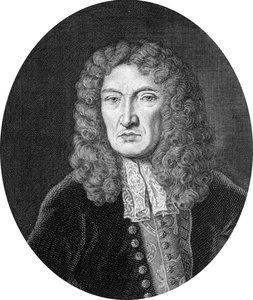
Willem van de Velde der Ältere
1611 - 1693 , Niederlande
Kurzinfos
- Bemerkenswerte Werke:
- Die Schlacht von Texel (1687)
- Das brennende Royal James
- Britische Schiffe und Seeschlachten
- Geburtsort: Leiden, Niederlande
- Künstlerische Richtung: Meeresmalerei, Goldenes Zeitalter
- Nationalität: Niederländisch
- Todestag: 1693
- Vollständiger Name: Willem van de Velde der Ältere
Ähnliche Artikel
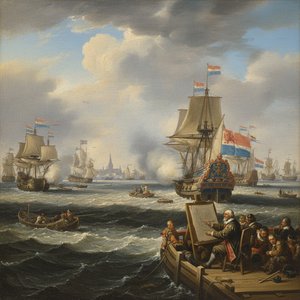
Willem van de Velde der Ältere: Meister der Seemalererei und Chronist des Niederländischen Goldenen Zeitalters
Entdecken Sie das Werk von Willem van de Velde der Ältere, dem Meister der Seemalerei des Niederländischen Goldenen Zeitalters. Erfahren Sie mehr über sein Leben, seine Techniken und seinen Einfluss auf die Kunstgeschichte – jetzt bei ArtsDot!

Goya: Die 25 Meisterwerke des spanischen Genies – Kunst für Ihr Zuhause | ArtsDot
Entdecken Sie die 25 Meisterwerke von Francisco Goya! Tauchen Sie ein in die düstere Romantik spanischer Malerei, Porträts & Historienbilder. Hochwertige Kunstdrucke auf ArtsDot.com – für Kunstliebhaber und stilvolles Wohnen.

Rembrandts Meisterwerke: Die Top 25 Kunstwerke für Ihr Zuhause | ArtsDot
Entdecken Sie Rembrandts 25 berühmteste Kunstwerke! Tauchen Sie ein in die Welt des Barock, Licht und Schatten & historischer Porträts. Hochwertige Reproduktionen für Ihr Zuhause – jetzt auf ArtsDot.com!
The Allure of the Horizon: A Comprehensive Exploration of Seascape Art Through History & Emotion
Explore the captivating world of seascape art! Discover its history, key artists & movements – from Dutch Masters to Impressionism. Expert insights for collectors and enthusiasts at ArtsDot.
Hendrik Willem Mesdag: Pioneering Impressionism & the Dutch Maritime Tradition
Explore the life & work of Hendrik Willem Mesdag, a pioneer of Dutch Impressionism and leading figure of the Hague School. Discover his captivating seascapes and the immersive Panorama Mesdag – a true masterpiece.