 Vorschau anzeigen
 Versenden
 Teilen
 Details anzeigen

 Herunterladen
 Ähnliche Objekte
 Röntgenaufnahme
 Diashow
 Stats
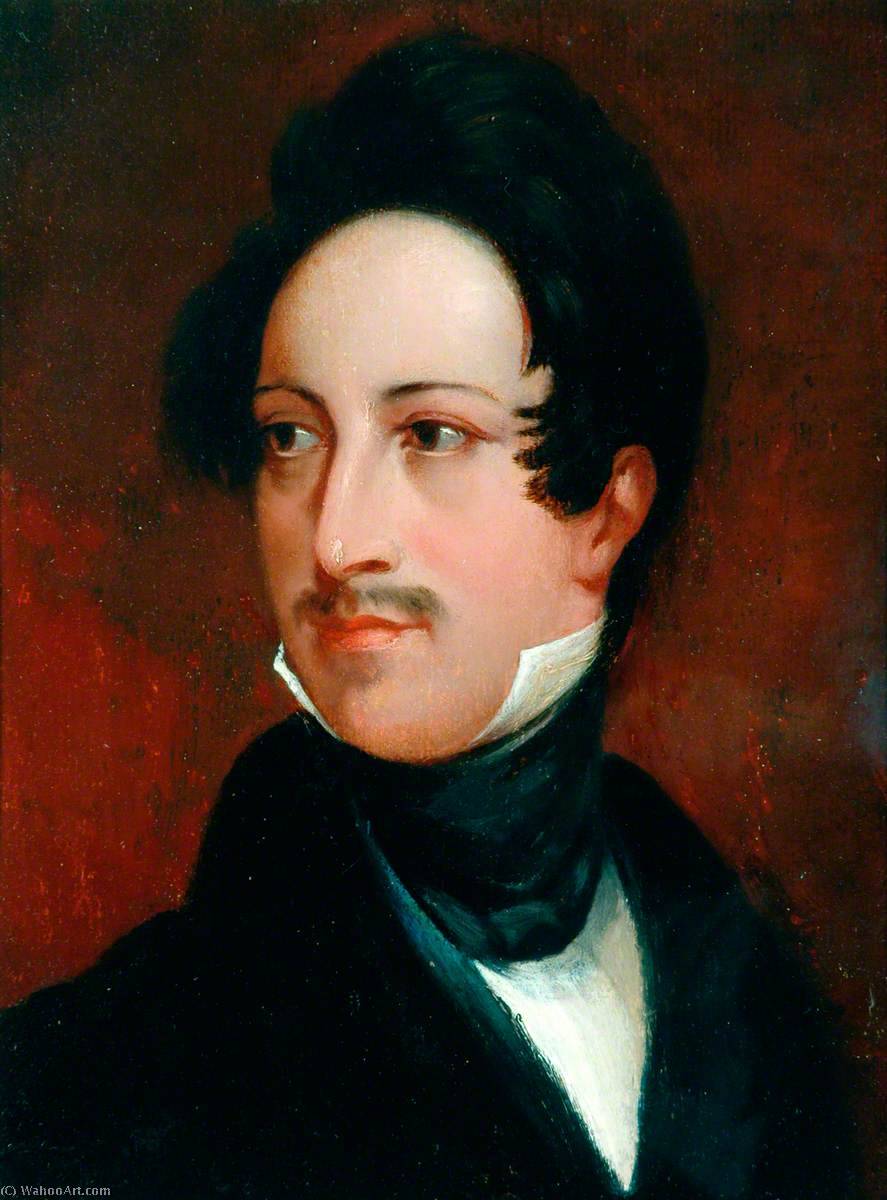
StatsS. A. Bayntum, MP for York (1830–1832)
 Oil On Canvas
- WallArt
- Romanticism
 1830
1830- 19th Century
 41.0 x 31.0 cm
 Fairfax House
 Weiterlesen
Handgefertigte Ölreproduktion
Handgemaltes Ölgemälde auf Leinwand in Ihrer Wunschgröße und mit Rahmen, auf Bestellung von unseren Künstlern angefertigt. ( Switch to Print Switch to Digital Image)




P118B $10

P118H $10

P118W $10

P438Z $10

P508JH $12

P508YH $12

P805H $10

P805Z $10

P919BZ $10

P919G $10

P919XJ $10

P959ZH $10

P968JZ $12

W106C $8

W218G $10

W218JH $8

W218Y $10

W307PJ $10

W316G $10

W316PJ $8

W316Y $10

W398PJ $8

W4111J $10

W500HY $15

W500JH $15

W692G $12

W849H $8

W940BG $15

W953PJ $8




Wählen Sie aus unseren vordefinierten Formaten, die den ursprünglichen Proportionen des Kunstwerks entsprechen.

Sie können Ihre eigenen Maße eingeben, um einen bestimmten Rahmen oder Platz auszufüllen. Wenn die gewählte Größe nicht den Proportionen des Originalbildes entspricht, werden wir das Kunstwerk entweder beschneiden oder das Gemälde durch zusätzliche, handgemalte Elemente erweitern. Ein digitales Mockup wird Ihnen zur Genehmigung zugesandt, bevor die Produktion beginnt.
Bitte beachten Sie, dass die Bildschirmvorschau nicht die tatsächliche Beschneidung oder Erweiterung widerspiegelt. Nur das Mockup zeigt die endgültige Komposition exakt an.
Obwohl Sondermaße verfügbar sind, empfehlen wir, eine Größe aus der vordefinierten Liste zu wählen, um die ursprünglichen Proportionen beizubehalten.
Nach der Bestellung wird das ArtsDot.com-Team dem Kunden Anweisungen per E-Mail zusenden und eine Mockup-Vorschau bereitstellen.
Weltweiter Versand () in nur 3 bis 4 Wochen statt der üblichen 5 Wochen. (8 September). Keine Kompromisse bei der Qualität.

Kostenloser weltweiter Expressversand

Hochwertige Leinenleinwand

Umfassender Versicherungsschutz beim Versand

Zollgebühren-Rückerstattungsgarantie

Garantie für exakte Farbtreue

100-Tage-Rückgaberecht (nur bei Mängeln)

100% Geld-zurück-Garantie

Mengenrabatt verfügbar
 Die Glasoption ist nur für Größen unter 110 cm verfügbar.

S. A. Bayntum, MP for York (1830–1832)
Art der Reproduktion
Format der Reproduktion
-


Gesamtpreis
$ 263
A Portrait of Victorian Formality
This striking portrait captures S. A. Bayntum, MP for York, in the year 1830, offering an intimate glimpse into the sartorial elegance and social gravity of early Victorian Britain. The subject is presented with a palpable sense of occasion; his dark hair, meticulously styled alongside prominent sideburns and a distinguished mustache, speaks to the prevailing masculine ideals of the era. Dressed in a formal black coat over a crisp white shirt, every visible detail of his attire suggests a man accustomed to public life and civic duty. The composition itself is inherently formal, designed not merely to record a likeness, but to project an image of established respectability and quiet authority.
The Artistry of William Etty
Attributed to the masterful hand of William Etty, this work showcases the artist’s ability to render human subjects with both technical precision and underlying psychological depth. While Etty is perhaps more celebrated for his mythological and nude studies, his portraiture remains remarkably skilled. Observe the handling of the fabrics; the crispness implied in the white shirt contrasts beautifully with the deep matte black of the coat. The background, dominated by a rich red wall, serves as both a dramatic foil and a grounding element. This vibrant backdrop prevents the formality of the sitter from becoming staid, injecting a necessary warmth that draws the viewer's eye directly to the man’s composed gaze.
Compositional Elements and Symbolism
The inclusion of the clock on the wall is more than mere decoration; it functions as a subtle symbolic anchor. In portraiture from this period, time often represented legacy, permanence, or the passage of influence. Paired with the sitter’s formal bearing, the clock suggests that his standing in the community—his political life and social position—is measured against the steady march of history. The overall effect is one of contained power; the subject is poised, aware of being observed, yet utterly self-possessed. It speaks to a time when public persona was paramount.
Bringing History Home: Decorating with Art
For the discerning collector or interior designer, this piece offers more than just decoration; it offers narrative depth for a room. The rich tones—the deep reds, the stark whites, and the sober blacks—allow it to anchor various sophisticated décor schemes, from traditional libraries to drawing rooms seeking an air of historical gravitas. Owning a reproduction of this portrait allows one to connect with the tangible textures and social codes of 1830s York. It is a conversation piece that whispers tales of parliamentary life, gentlemanly conduct, and the enduring artistry of William Etty.
Ähnliche Kunstwerke
Über den Künstler
Frühes Leben und Ausbildung
William Etty, ein bedeutender englischer Künstler, wurde am 10. März 1787 in York, im Vereinigten Königreich, geboren. Er verließ die Schule bereits mit 12 Jahren, um eine Druckerlehre in Hull zu beginnen und schloss sie sieben Jahre später ab. Im Jahr 1807 trat er in die Royal Academy Schools in London ein, wo er unter Thomas Lawrence studierte und durch das Kopieren von Werken anderer Künstler ausgebildet wurde.Künstlerische Karriere
Ettys Durchbruch gelang ihm mit Kleopatras Ankunft in Kilizien, gemalt im Jahr 1821, das zahlreiche Akte zeigte und große Anerkennung fand. Dieser Erfolg führte zu weiteren Darstellungen historischer Szenen mit Aktfiguren, was ihm den Ruf der Unanständigkeit einbrachte. Trotzdem war er kommerziell erfolgreich und von Kritikern hoch angesehen und wurde 1828 zum Royal Academician ernannt.Bemerkenswerte Werke und Kontroversen
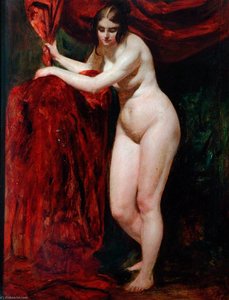
- Stehende weibliche Akt, ein Gemälde, das Ettys Meisterschaft in der Darstellung realistischer Hauttöne demonstriert.
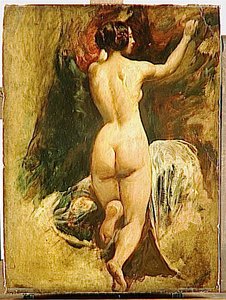
- Die Sirenen und Odysseus, ein Werk, das seine Fähigkeit zeigt, historische Szenen mit Nacktheit in Einklang zu bringen.
- Ettys Aufnahme in die bahnbrechende Ausstellung Exposed: The Victorian Nude im Tate Britain im Jahr 2001–02 führte zu einem erneuten Interesse an seiner Arbeit.
Vermächtnis und Späteres Leben
Trotzdem er ein schüchterner Mann war, der selten Kontakte pflegte und nie heiratete, malte Etty weiterhin sowohl männliche als auch weibliche Akte, was heftige Kritik hervorrief. Er starb am 13. November 1849 in York, aber seine Werke wurden sehr begehrt und erzielten hohe Preise. Wichtige Links: * William Ettys Kunstwerke * William Etty auf Wikipedia * Stehende weibliche Akt von William EttySchlussfolgerung
William Etty, ein Pionier der britischen Nacktdarstellung, hat eine bleibende Spur in der Kunstwelt hinterlassen. Seine Werke, die einst umstritten waren, dienen nun als Zeugnis für seine Fähigkeiten und sein Engagement für die Darstellung des menschlichen Körpers. Entdecken Sie weitere Werke von Etty auf ArtsDot.com.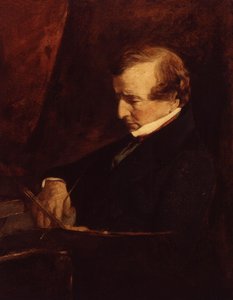
William Etty
1787 - 1849 , Vereinigtes Königreich
Kurzinfos
- Bemerkenswerte Werke:
- Kleopatra in Kilizien
- Die Sirenen und Odysseus
- Stehende weibliche Akte
- Einflussreiche Künstler: ['Thomas Lawrence']
- Geburtsdatum: 10. März 1787
- Geburtsort: York, Vereinigtes Königreich
- Künstlerische Richtung: Historismus, Romantik
- Nationalität: Britisch
- Todatum: 13. November 1849
- Vollständiger Name: William Etty
Ähnliche Artikel

The Enduring Legacy of Oil on Canvas: Technique, History & Aesthetic Impact
Explore the rich history & techniques of oil painting – from Renaissance masters to Impressionism. Discover pigments, layering methods, and why this timeless medium endures. Expert insights for artists & art enthusiasts.
R.A. Benjamin Williams: Victorian Genre Painting & Social Commentary
Explore the captivating world of Benjamin Williams Leader's Victorian genre paintings. Discover his mastery of naturalism, social commentary & lasting influence on British art. Expert insights at ArtsDot.
William Etty: Die Wiederentdeckung viktorianischer Sinnlichkeit und des Erhabenen in der historischen Malerei
Entdecken Sie die faszinierende Welt von William Etty! Unsere Expertenanalyse beleuchtet seine provokanten Historienmalereien, die Verbindung von Sinnlichkeit und Erhabenem im viktorianischen England. Jetzt lesen!
William Powell Frith: Gesellschaftsbilder des Viktorianismus und der Aufstieg des Realismus
Entdecken Sie das Werk von William Powell Frith und die Gesellschaftsbilder des Viktorianismus! Analysen, Biografie & der Aufstieg des Realismus in der englischen Malerei. Jetzt lesen!
William James Müller: Zwischen viktorianischer Empfindsamkeit und Realismus – Eine Landschaftsmalerei im Spiegel seiner Zeit
Entdecken Sie das Werk von William James Müller! Erfahren Sie mehr über diesen vergessenen Meister der viktorianischen Landschaftsmalerei, seine Reisen und den Einfluss des Orientalismus auf seine Kunst. Expertenanalyse & Hintergrundinformationen.