 Vorschau anzeigen
 Versenden
 Teilen
 Details anzeigen

 Herunterladen
 Ähnliche Objekte
 Röntgenaufnahme
 Diashow
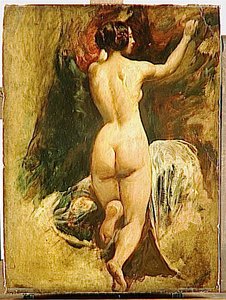
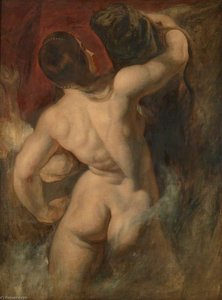
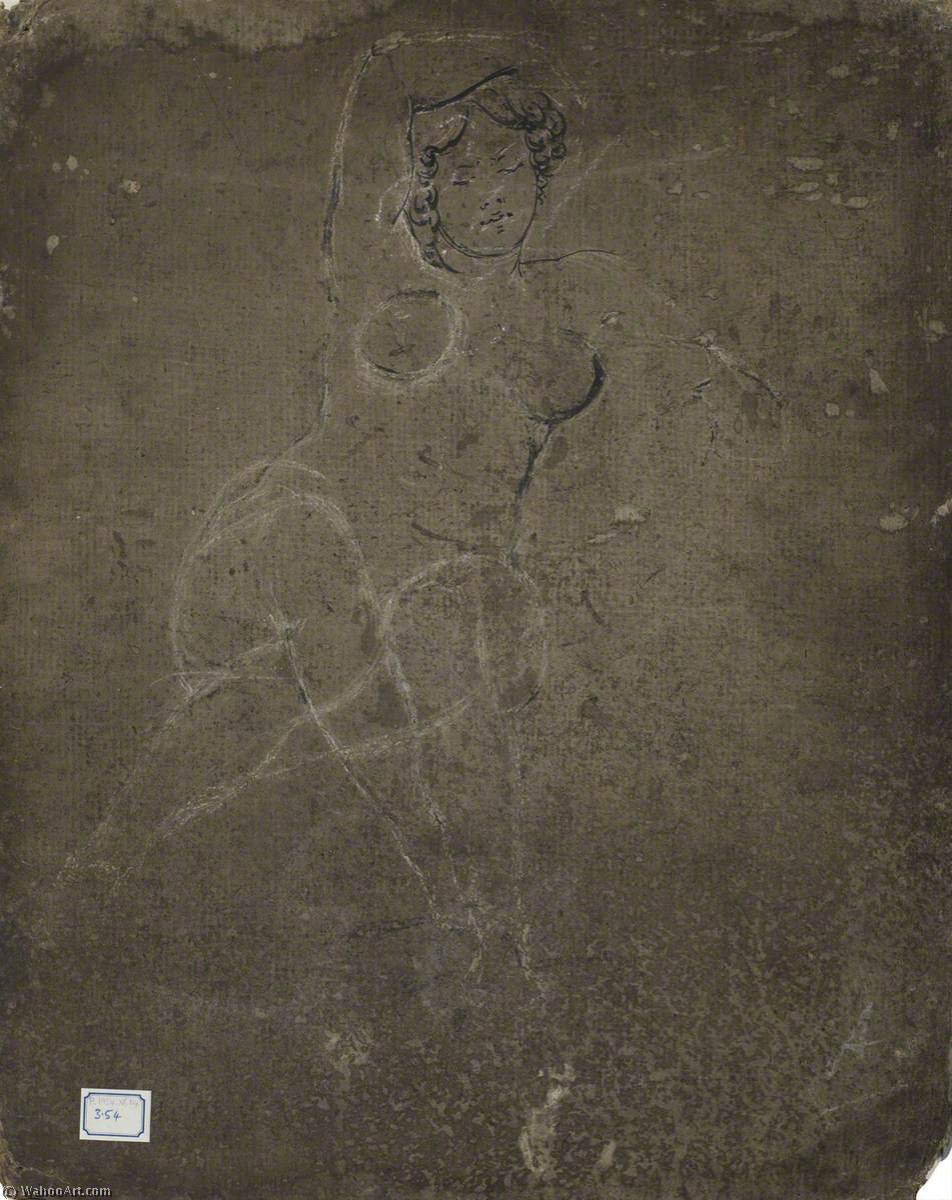
Seated Female Nude (verso)
 Acrylic
- WallArt
- 19th Century Nude
 1845
1845 51.0 x 47.0 cm
 Courtauld-Galerie
 Weiterlesen
Handgefertigte Ölreproduktion
Handgemaltes Ölgemälde auf Leinwand in Ihrer Wunschgröße und mit Rahmen, auf Bestellung von unseren Künstlern angefertigt. ( Druck bestellen Bild kaufen)




P118B $10

P118H $10

P118W $10

P438Z $10

P508JH $12

P508YH $12

P805H $10

P805Z $10

P919BZ $10

P919G $10

P919XJ $10

P959ZH $10

P968JZ $12

W106C $8

W218G $10

W218JH $8

W218Y $10

W307PJ $10

W316G $10

W316PJ $8

W316Y $10

W398PJ $8

W4111J $10

W500HY $15

W500JH $15

W692G $12

W849H $8

W940BG $15

W953PJ $8




Wählen Sie aus unseren vordefinierten Formaten, die den ursprünglichen Proportionen des Kunstwerks entsprechen.

Sie können Ihre eigenen Maße eingeben, um einen bestimmten Rahmen oder Platz auszufüllen. Wenn die gewählte Größe nicht den Proportionen des Originalbildes entspricht, werden wir das Kunstwerk entweder beschneiden oder das Gemälde durch zusätzliche, handgemalte Elemente erweitern. Ein digitales Mockup wird Ihnen zur Genehmigung zugesandt, bevor die Produktion beginnt.
Bitte beachten Sie, dass die Bildschirmvorschau nicht die tatsächliche Beschneidung oder Erweiterung widerspiegelt. Nur das Mockup zeigt die endgültige Komposition exakt an.
Obwohl Sondermaße verfügbar sind, empfehlen wir, eine Größe aus der vordefinierten Liste zu wählen, um die ursprünglichen Proportionen beizubehalten.
Nach der Bestellung wird das ArtsDot.com-Team dem Kunden Anweisungen per E-Mail zusenden und eine Mockup-Vorschau bereitstellen.
Weltweiter Versand () in nur 3 bis 4 Wochen statt der üblichen 5 Wochen. (22 August). Keine Kompromisse bei der Qualität.

Kostenloser weltweiter Expressversand

Hochwertige Leinenleinwand

Umfassender Versicherungsschutz beim Versand

Zollgebühren-Rückerstattungsgarantie

Garantie für exakte Farbtreue

60 Tage Rückgaberecht (nur bei Mängeln)

100% Geld-zurück-Garantie

Mengenrabatt verfügbar
 Die Glasoption ist nur für Größen unter 110 cm verfügbar.

Seated Female Nude (verso)
Art der Reproduktion
Format der Reproduktion
-


Gesamtpreis
$ 263
Beschreibung des Kunstwerks
A Moment of Quietude: William Etty’s ‘Seated Female Nude (verso)’
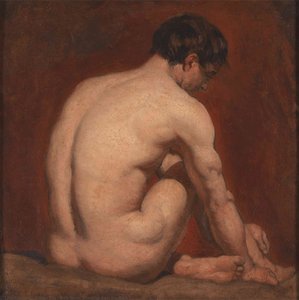
William Etty's “Seated Female Nude (verso)” offers a poignant glimpse into the artist’s process and his groundbreaking approach to depicting the human form. This preparatory sketch, rendered in charcoal on paper around 1845, transcends its status as a mere study; it embodies a profound exploration of beauty, vulnerability, and the very essence of observation. The work immediately captivates with its stark monochrome palette – a carefully orchestrated dance of grays and whites that sculpts the figure’s contours with remarkable precision. Etty wasn't interested in idealized perfection, but rather in capturing the subtle nuances of flesh, muscle, and bone, a characteristic that would later define his reputation as a pioneer of realistic nude painting within the British art world.
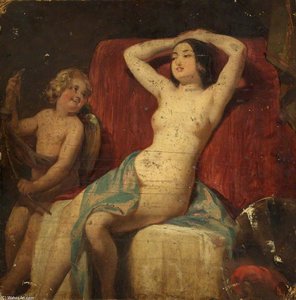
The composition itself is deceptively simple. The woman, seated with her arms gently extended outwards, occupies nearly the entire frame, creating an intimate and almost voyeuristic effect. There’s no distracting background – just a plain wall, suggesting a private space dedicated to contemplation. This deliberate lack of context forces the viewer to focus entirely on the figure itself, amplifying its inherent dignity and quiet strength. The loose, gestural lines that define her form are not indicative of carelessness but rather of Etty's rapid, intuitive approach to capturing the essential qualities of the pose. He prioritized conveying the *feeling* of the seated nude over meticulous detail, a testament to his artistic philosophy.
Technique and Materials: A Window into the Artist’s Studio
Examining the surface reveals a wealth of information about Etty's working methods. The paper itself bears the marks of his hand – slight roughness, unevenness in the lines, and subtle variations in tone that speak to the immediacy of the sketch. Hatching and cross-hatching techniques are employed with masterful skill, creating a sense of volume and depth without resorting to shading. Notice how Etty uses these linear elements not just to define form but also to suggest texture – the delicate curve of a shoulder, the subtle folds of fabric (implied rather than explicitly drawn). The choice of charcoal or graphite is crucial; these materials allowed Etty to achieve the nuanced tonal range necessary for his realistic depictions.
The fact that this is a “verso” – the back of a larger work – adds another layer of intrigue. It’s likely that this sketch served as a study for a more elaborate painting, perhaps one intended for a historical narrative or a mythological scene. The unfinished quality—the lack of fully rendered details, the slightly hesitant lines—suggests an ongoing process of exploration and refinement. It's a rare opportunity to witness an artist wrestling with his subject, experimenting with composition and form before committing to a final image.
Symbolism and Emotional Resonance
Beyond its technical merits, “Seated Female Nude (verso)” possesses a subtle yet powerful emotional resonance. The pose itself – seated, relaxed, with arms extended outwards – conveys a sense of quiet dignity and introspection. It’s not a pose of overt sensuality or provocation; rather, it suggests a moment of private reflection, perhaps even melancholy. Etty was known for his complex and often controversial depictions of the nude female figure, and this sketch offers a glimpse into the underlying motivations behind his work – a desire to explore the beauty and vulnerability of the human form with honesty and sensitivity.
The unfinished state of the drawing further enhances its emotional impact. It’s not a polished, finished product; it's an exploration, a study, a meditation on form and feeling. This deliberate lack of completion invites the viewer to participate in the creative process, to imagine what might have come after this initial sketch, and to contemplate the artist’s ongoing engagement with his subject.
Historical Context: Etty and the Victorian Nude
William Etty's work stands as a pivotal moment in British art history. In the mid-19th century, depictions of the nude female figure were often viewed with suspicion and disapproval, particularly within the context of the Royal Academy’s conservative artistic standards. Etty, however, challenged these conventions by producing remarkably realistic and emotionally resonant nudes that eschewed idealized beauty in favor of a more honest and nuanced portrayal of the human body. His willingness to depict women in a vulnerable and intimate manner made him both celebrated and condemned, cementing his place as a controversial yet undeniably influential figure in Victorian art.
This sketch, “Seated Female Nude (verso),” provides valuable insight into Etty’s artistic process and the broader cultural context of his work. It's a testament to his pioneering spirit, his commitment to realism, and his willingness to push the boundaries of artistic convention – qualities that continue to resonate with viewers today.
Ähnliche Kunstwerke
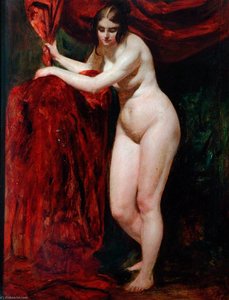
Über den Künstler
Frühes Leben und Ausbildung
William Etty, ein bedeutender englischer Künstler, wurde am 10. März 1787 in York, im Vereinigten Königreich, geboren. Er verließ die Schule bereits mit 12 Jahren, um eine Druckerlehre in Hull zu beginnen und schloss sie sieben Jahre später ab. Im Jahr 1807 trat er in die Royal Academy Schools in London ein, wo er unter Thomas Lawrence studierte und durch das Kopieren von Werken anderer Künstler ausgebildet wurde.Künstlerische Karriere
Ettys Durchbruch gelang ihm mit Kleopatras Ankunft in Kilizien, gemalt im Jahr 1821, das zahlreiche Akte zeigte und große Anerkennung fand. Dieser Erfolg führte zu weiteren Darstellungen historischer Szenen mit Aktfiguren, was ihm den Ruf der Unanständigkeit einbrachte. Trotzdem war er kommerziell erfolgreich und von Kritikern hoch angesehen und wurde 1828 zum Royal Academician ernannt.Bemerkenswerte Werke und Kontroversen
- Stehende weibliche Akt, ein Gemälde, das Ettys Meisterschaft in der Darstellung realistischer Hauttöne demonstriert.
- Die Sirenen und Odysseus, ein Werk, das seine Fähigkeit zeigt, historische Szenen mit Nacktheit in Einklang zu bringen.
- Ettys Aufnahme in die bahnbrechende Ausstellung Exposed: The Victorian Nude im Tate Britain im Jahr 2001–02 führte zu einem erneuten Interesse an seiner Arbeit.
Vermächtnis und Späteres Leben
Trotzdem er ein schüchterner Mann war, der selten Kontakte pflegte und nie heiratete, malte Etty weiterhin sowohl männliche als auch weibliche Akte, was heftige Kritik hervorrief. Er starb am 13. November 1849 in York, aber seine Werke wurden sehr begehrt und erzielten hohe Preise. Wichtige Links: * William Ettys Kunstwerke * William Etty auf Wikipedia * Stehende weibliche Akt von William EttySchlussfolgerung
William Etty, ein Pionier der britischen Nacktdarstellung, hat eine bleibende Spur in der Kunstwelt hinterlassen. Seine Werke, die einst umstritten waren, dienen nun als Zeugnis für seine Fähigkeiten und sein Engagement für die Darstellung des menschlichen Körpers. Entdecken Sie weitere Werke von Etty auf ArtsDot.com.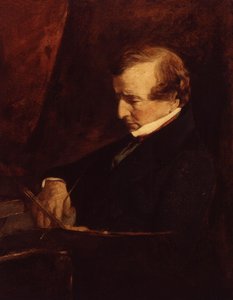
William Etty
1787 - 1849 , Vereinigtes Königreich
Kurzinfos
- Bemerkenswerte Werke:
- Kleopatra in Kilizien
- Die Sirenen und Odysseus
- Stehende weibliche Akte
- Einflussreiche Künstler: ['Thomas Lawrence']
- Geburtsdatum: 10. März 1787
- Geburtsort: York, Vereinigtes Königreich
- Künstlerische Richtung: Historismus, Romantik
- Nationalität: Britisch
- Todatum: 13. November 1849
- Vollständiger Name: William Etty
Ähnliche Artikel
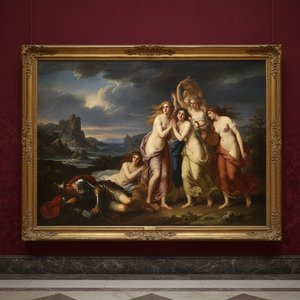
William Etty: Die Wiederentdeckung viktorianischer Sinnlichkeit und des Erhabenen in der historischen Malerei
Entdecken Sie die faszinierende Welt von William Etty! Unsere Expertenanalyse beleuchtet seine provokanten Historienmalereien, die Verbindung von Sinnlichkeit und Erhabenem im viktorianischen England. Jetzt lesen!
The Eloquent Line: Exploring the Artistic Significance of Sketches Across Movements and Media
Explore the profound artistic significance of sketches throughout history. From Renaissance masters to modern innovators like Van Gogh & Guston, discover how these foundational works reveal technique, emotion, and vision. Learn more at ArtsDot.
The Enduring Allure of the Nude: A Historical & Artistic Exploration of the Human Form
Explore the captivating history of nude art! Discover iconic paintings & artists from classical to modern eras. Uncover symbolism, techniques & find museum-quality reproductions at ArtsDot.
William James Müller: Zwischen viktorianischer Empfindsamkeit und Realismus – Eine Landschaftsmalerei im Spiegel seiner Zeit
Entdecken Sie das Werk von William James Müller! Erfahren Sie mehr über diesen vergessenen Meister der viktorianischen Landschaftsmalerei, seine Reisen und den Einfluss des Orientalismus auf seine Kunst. Expertenanalyse & Hintergrundinformationen.
Die 25 Meisterwerke des British Museum: Kunstgeschichte für Ihr Zuhause | ArtsDot
Entdecken Sie die 25 bedeutendsten Kunstwerke des British Museum! Von ägyptischen Schätzen bis zu Meisterwerken von Rembrandt & Van Gogh – erfahren Sie faszinierende Geschichten und finden Sie hochwertige Reproduktionen für Ihr Zuhause. Jetzt auf ArtsDot.com inspirieren lassen!