

 Vorschau anzeigen
 Versenden
 Teilen
 Details anzeigen

 Herunterladen
 Ähnliche Objekte
 Röntgenaufnahme
 Diashow
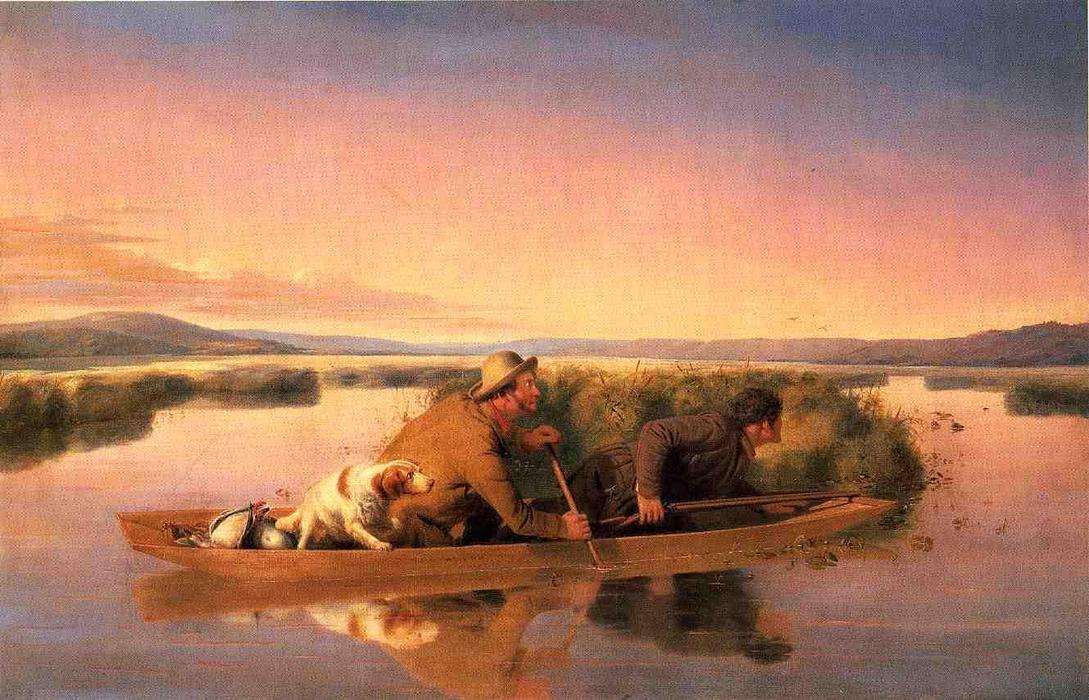
Duck Hunters on the Hoboken Marshes


 Weiterlesen
Handgefertigte Ölreproduktion
Handgemaltes Ölgemälde auf Leinwand in Ihrer Wunschgröße und mit Rahmen, auf Bestellung von unseren Künstlern angefertigt. ( Druck bestellen Bild kaufen)




P118B $10

P118H $10

P118W $10

P438Z $10

P508JH $12

P508YH $12

P805H $10

P805Z $10

P919BZ $10

P919G $10

P919XJ $10

P959ZH $10

P968JZ $12

W106C $8

W218G $10

W218JH $8

W218Y $10

W307PJ $10

W316G $10

W316PJ $8

W316Y $10

W398PJ $8

W4111J $10

W500HY $15

W500JH $15

W692G $12

W849H $8

W940BG $15

W953PJ $8




Wählen Sie aus unseren vordefinierten Formaten, die den ursprünglichen Proportionen des Kunstwerks entsprechen.

Sie können Ihre eigenen Maße eingeben, um einen bestimmten Rahmen oder Platz auszufüllen. Wenn die gewählte Größe nicht den Proportionen des Originalbildes entspricht, werden wir das Kunstwerk entweder beschneiden oder das Gemälde durch zusätzliche, handgemalte Elemente erweitern. Ein digitales Mockup wird Ihnen zur Genehmigung zugesandt, bevor die Produktion beginnt.
Bitte beachten Sie, dass die Bildschirmvorschau nicht die tatsächliche Beschneidung oder Erweiterung widerspiegelt. Nur das Mockup zeigt die endgültige Komposition exakt an.
Obwohl Sondermaße verfügbar sind, empfehlen wir, eine Größe aus der vordefinierten Liste zu wählen, um die ursprünglichen Proportionen beizubehalten.
Nach der Bestellung wird das ArtsDot.com-Team dem Kunden Anweisungen per E-Mail zusenden und eine Mockup-Vorschau bereitstellen.
Weltweiter Versand () in nur 3 bis 4 Wochen statt der üblichen 5 Wochen. (26 August). Keine Kompromisse bei der Qualität.

Kostenloser weltweiter Expressversand

Hochwertige Leinenleinwand

Umfassender Versicherungsschutz beim Versand

Zollgebühren-Rückerstattungsgarantie

Garantie für exakte Farbtreue

60 Tage Rückgaberecht (nur bei Mängeln)

100% Geld-zurück-Garantie

Mengenrabatt verfügbar
 Die Glasoption ist nur für Größen unter 110 cm verfügbar.

Duck Hunters on the Hoboken Marshes
Art der Reproduktion
Format der Reproduktion
-


Gesamtpreis
$ 263
Beschreibung des Kunstwerks
A Moment Frozen in Twilight: William Tylee Ranney’s “Duck Hunters on the Hoboken Marshes”
William Tylee Ranney's "Duck Hunters on the Hoboken Marshes" isn’t merely a depiction of a late-afternoon hunt; it’s a carefully constructed tableau brimming with quiet observation and a profound connection to the American landscape. Painted in 1849, this oil-on-canvas masterpiece transports us to a serene corner of New Jersey, where the last vestiges of daylight bleed across a vast expanse of water and distant hills. The scene unfolds with an almost palpable stillness – a sense of suspended time that invites contemplation on the rhythms of rural life and the enduring allure of nature.
Ranney’s genius lies in his ability to capture not just the visual elements but also the emotional atmosphere of the moment. The muted palette, dominated by dusky blues, greens, and browns, immediately establishes a mood of tranquility and introspection. The diffused light, characteristic of Luminism – a style emphasizing atmospheric effects and subtle gradations of color – softens every detail, lending an ethereal quality to the scene. Notice how the golden hues of the setting sun bathe the water’s surface in a warm glow, reflecting the colors of the sky and creating a sense of luminous depth.
The Romantic Luminist: A Synthesis of Styles
To fully appreciate “Duck Hunters,” it's crucial to understand Ranney’s place within the broader artistic landscape of his time. He was a pivotal figure in the development of American genre painting, bridging the gap between the grand narratives of historical scenes and the intimate portrayals of everyday life. His style is often described as Romantic Luminism – a synthesis of elements from both Romanticism and Luminism. The Romantic influence is evident in the emphasis on emotion, the dramatic lighting, and the focus on the beauty of nature. However, Ranney’s meticulous attention to detail, his realistic rendering of textures (particularly the rough bark of the shoreline trees and the weathered wood of the boat), and his grounding in observation firmly anchor him within the Luminist tradition, which prioritized capturing the subtle effects of light and atmosphere.
Ranney's background as a tinsmith likely contributed to this meticulousness. The precision required for crafting intricate metalwork undoubtedly honed his observational skills and attention to detail – qualities that translated seamlessly into his painting practice. His early life in North Carolina, marked by exposure to the frontier spirit of the American West, further informed his artistic vision, shaping his depictions of rural landscapes and the lives of those who inhabited them.
Symbolism and Narrative: A Quiet Story Unfolds
Beyond its aesthetic beauty, “Duck Hunters” is rich in symbolic meaning. The two men and their dog, crouched behind the marsh grass, are engaged in a timeless pursuit – the hunt for waterfowl. The boat itself represents travel, exploration, and a connection to the natural world. The distant hills, shrouded in mist, evoke a sense of vastness and mystery, while the setting sun symbolizes the end of the day and perhaps a reflective mood. Even the posture of the hunters—lowered, focused—suggests a quiet reverence for the landscape and its inhabitants.
The painting’s historical context is also significant. Painted in 1849, during a period of rapid westward expansion and increasing urbanization, “Duck Hunters” offers a poignant glimpse into a disappearing way of life – a time when rural communities were deeply intertwined with the rhythms of nature. It's a reminder of the enduring appeal of the wilderness and the importance of preserving its beauty.
A Legacy in Reproduction: Bringing Ranney’s Vision to Life
Today, William Tylee Ranney’s “Duck Hunters on the Hoboken Marshes” is celebrated as an iconic work of American art. Reproductions offer a wonderful opportunity to bring this evocative scene into your home or office, allowing you to experience its beauty and tranquility firsthand. When selecting a reproduction, consider the quality of the print – look for archival inks and high-resolution images that faithfully capture Ranney’s masterful use of light and color. Whether displayed as a statement piece in a living room or a calming addition to an entryway, this painting continues to resonate with viewers today, reminding us of the enduring power of art to transport us to another time and place.
Ähnliche Kunstwerke
Über den Künstler
Frühes Leben und Texas-Erfahrung
- Geboren: 9. Mai 1813, Middletown, Connecticut
- Eltern: William Ranney (Seemannskapitän) und Clarissa Ranney
- Zog 1826 nach Fayetteville, North Carolina, um bei seinem Onkel, dem Kaufmann William Nott, zu leben.
- Machte während dieser Zeit eine Lehre als Zinnmacher, was wahrscheinlich seine frühen Skizzenfähigkeiten förderte.
- Um 1833 zog er nach Brooklyn, New York, um Malerei zu studieren.
- Melde sich im März 1836 nach dem Fall der Alamo freiwillig in die Texas Armee ein und diente unter General Sam Houston.
- Diente neun Monate lang und erlebte Ereignisse, die sein künstlerisches Schaffen maßgeblich beeinflussten. Berichten zufolge bewachte er Santa Anna nach der Schlacht von San Jacinto.
- Kehrte 1837 nach Brooklyn zurück und nahm seine künstlerischen Bemühungen wieder auf.
Künstlerische Entwicklung und Stil
- Autodidaktischer Ölmaler ohne formale Ausbildung.
- Stellte seine ersten öffentlich ausgestellten Gemälde 1838 in der National Academy of Design in New York City aus.
- Erhielt eine Auszeichnung für sein Genremalerei „Eine Werbungszene“.
- Reiste von 1839 bis 1842 zwischen North Carolina und New York.
- Eröffnete 1843 ein Atelier in New York City, wobei er sich zunächst als Porträtmaler warb.
- Entwickelte einen unverwechselbaren Stil, der durch realistische Darstellungen des täglichen Lebens, Sportdarstellungen, historische Themen und westliche Landschaften gekennzeichnet ist.
- Seine Werke zeichneten oft detaillierte Darstellungen von Figuren und Umgebungen aus, was seine sorgfältige Beobachtungsgabe und Detailgenauigkeit widerspiegelte.
Hauptthemen und Werke
- Westliches Leben: Pioniergeist, Jäger, Trapper, Entdecker vor der weit verbreiteten europäisch-amerikanischen Besiedlung (z. B. „Prairie Burial“, „Scouting Party“).
- Sportdarstellungen: Entejagd und Reitthemen waren prominent vertreten und zeichneten sich durch ihre skulpturalen Figuren aus („On the Wing“ – sein beliebtester Werk mit mehreren Versionen).
- Historische Themen: Szenen aus der amerikanischen Revolution wurden dargestellt, wobei der Schwerpunkt auf den Erfahrungen gewöhnlicher Menschen und nicht auf großen Schlachten lag.
- Genremalerei: Das tägliche Leben und häusliche Szenen wurden häufig dargestellt.
- Bemerkenswerte Werke: „On the Wing“, „Prairie Burial“, „Scouting Party“, „Hunting Wild Horses“, „Trapper’s Last Shot“, „The Match Boy“, „Old Oaken Bucket“.
Späteres Leben, Vermächtnis und Bedeutung
- Vermählte sich 1847 mit Margaret Agnes O’Sullivan.
- Siedelte dauerhaft 1853 in West Hoboken, New Jersey (heute Union City), wo er ein Atelier mit Blick auf den Manhattaner Skyline errichtete.
- Regelmäßiger Mitarbeiter und Ehrenmitglied der National Academy of Design und der American Art Union.
- Gilt als der erste bedeutende Genremaler, der in New Jersey tätig war.
- Einer der wichtigsten amerikanischen Maler vor dem Bürgerkrieg.
- Seine Zeitgenossen erkannten seine Bedeutung an, wobei einer feststellte, dass „ein Exemplar von Ranney überall dort unverzichtbar ist, wo eine Sammlung amerikanischer Kunst existiert“.
- Starb am 18. November 1857, wahrscheinlich an Tuberkulose.
- Ranneys Werk trug dazu bei, Darstellungen des amerikanischen Westens zu popularisieren und die Entwicklung der Genremalerei in den Vereinigten Staaten voranzutreiben. Sein Fokus auf das tägliche Leben und gewöhnliche Menschen machte seine Kunst einem breiten Publikum zugänglich und nachvollziehbar.
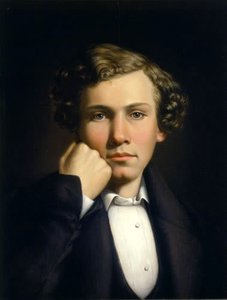
William Tylee Ranney
1813 - 1857 , Vereinigte Staaten von Amerika
Kurzinfos
- Artistic Movement Or Style: Genremalerei
- Date Of Birth: 9. Mai 1813
- Date Of Death: 18. November 1857
- Full Name: William Tylee Ranney
- Nationality: Amerikanisch
- Notable Artworks:
- On the Wing
- Prairie Burial
- Scouting Party
- Trapper’s Last Shot
- Place Of Birth (City And Country): Middletown, USA
Ähnliche Artikel
William Trost Richards: Luminismus, Spiritualität und die amerikanische Landschaftstradition
Entdecken Sie das Werk von William Trost Richards und die faszinierende Welt des Luminismus! Erfahren Sie mehr über seine einzigartige Aquarelltechnik, spirituelle Tiefe & Einfluss auf die amerikanische Landschaftsmalerei. Jetzt lesen!

Evocations of Place: A Historical Journey Through Landscape Art
Explore the rich history of landscape art with ArtsDot. Discover renowned artists, movements like Impressionism & Romanticism, and expert guidance for collecting timeless pieces. Find your perfect serene escape today!
Grant Wood und der amerikanische Regionalismus: Identität, Mythos und die ländliche Landschaft
Entdecken Sie Grant Wood und den amerikanischen Regionalismus! Erfahren Sie mehr über 'American Gothic', Woods Leben, Einflüsse und sein Vermächtnis in der Kunstgeschichte. Expertenwissen & hochwertige Reproduktionen.
Frederick William Jackson: Capturing the American West Through Luminist Vision & Narrative Detail
Explore the captivating works of Frederick William Jackson, a pioneer of Western realism & Luminist painting. Discover his atmospheric landscapes, depictions of Native American life, and lasting legacy. Learn more at ArtsDot.
William Bradford: Navigating Faith, Landscape & Artistic Innovation in Early American Painting
Explore the captivating world of William Bradford, American Romanticist painter renowned for his dramatic Arctic seascapes & ship portraits. Discover his artistic evolution, influences, and lasting legacy with ArtsDot.

