Menu
FREE ART CONSULTATION

jaime morera y galicia

1854 - 1927

Quick Facts

  • Art period: 19th Century
  • Born: 1854
  • Died: 1927
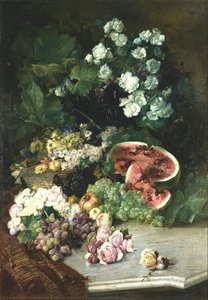
  • Top-ranked work: Naturaleza. Flores y frutos leridanos
  • Top 3 works:
    • Naturaleza. Flores y frutos leridanos
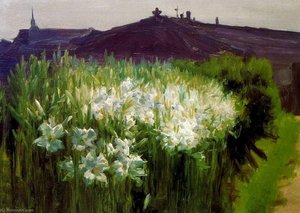
    • Untitled (AQTQBX)
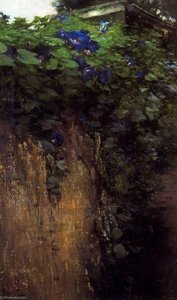
    • Untitled (AQTQBV)
  • More…
  • Lifespan: 73 years
  • Museums on APS: Museu d'Art Jaume Morera
  • Copyright status: Public domain
  • Works on APS: 18

Art Quiz

There is only one correct answer for each question.

Question 1:
Where was Jaume Morera i Galícia born?
Question 2:
At what academy did he study landscape painting?
Question 3:
Who was his mentor at the Real Academia de Bellas Artes de San Fernando?
Question 4:
Where did Morera i Galícia spend most of his artistic training?
Question 5:
What style was predominant in Morera i Galícia's paintings?

Jaume Morera i Galícia: A Pioneer of Nordic Landscape Painting

Jaume Morera i Galícia (1854 – 24 April 1927) stands as a pivotal figure in Catalan landscape art, recognized primarily for his distinctive style—a masterful blend of Academic tradition and the evocative grandeur of Nordic scenery. Born in Lleida, Catalonia, he emerged from humble beginnings, drawn to Madrid by burgeoning business prospects and fueled by an ambition to hone his artistic skills at the prestigious Real Academia de Bellas Artes de San Fernando. This formative experience profoundly shaped his artistic vision and established him as one of Spain’s foremost landscape painters of his era.

Early Life and Artistic Training

Morera's upbringing instilled in him a deep appreciation for the Catalan countryside, which would later permeate his oeuvre. His family’s relocation to Madrid provided access to intellectual stimulation and fostered an environment conducive to artistic pursuits. Recognizing his talent, he enrolled at San Fernando Academy where he studied under Carlos de Haes, absorbing the principles of Academic landscape painting—characterized by meticulous detail, idealized forms, and a deliberate adherence to classical conventions. Alongside fellow artists Pradilla, Plasencia, and Ferrant, Morera embarked on a transformative journey in Rome, immersing himself in the Italian countryside and mastering the techniques championed by luminaries like Jean-Auguste Ingres and Alexandre Cabanel.

Roman Influence and Artistic Style Development

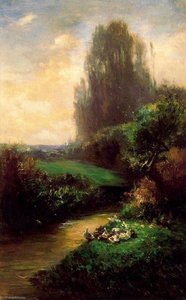
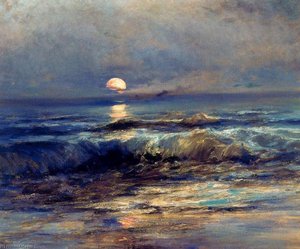
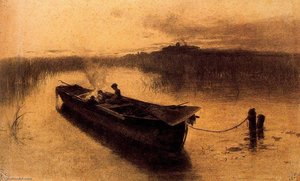
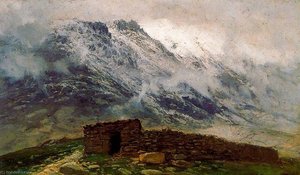
Rome proved to be an incubator for Morera’s artistic evolution. He diligently replicated the monumental canvases of his predecessors, meticulously capturing atmospheric effects and conveying a sense of sublime beauty—a hallmark of the Academic style. However, Morera wasn't merely a slavish imitator; he skillfully adapted these influences to forge a unique aesthetic identity. His landscapes possessed an undeniable Nordic character—vast vistas dominated by snow-capped mountains, brooding skies, and turbulent waters—reflecting his fascination with the dramatic landscapes of Scandinavia. This stylistic innovation distinguished him from many of his contemporaries and cemented his reputation as a visionary artist.

Major Achievements and Notable Works

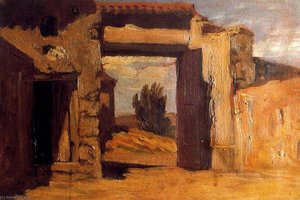
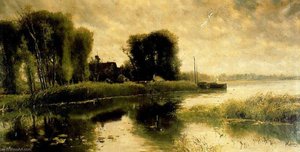
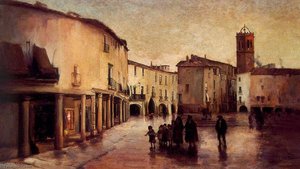
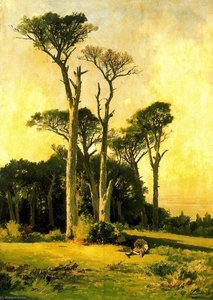
Morera’s artistic output spanned decades, producing numerous paintings that continue to captivate audiences today. Among his most celebrated works are depictions of Sierra de Guadarrama—a monumental undertaking showcasing his mastery of perspective and tonal gradation—and landscapes inspired by the Italian Alps. His canvases exemplify the meticulous observation and technical virtuosity demanded by Academic painting, yet they transcend mere imitation through an infusion of emotive power. The Museo d'Art Jaume Morera in Lleida houses a significant collection of his paintings, offering visitors a poignant glimpse into the artistic legacy of this remarkable Catalan painter.

Legacy and Historical Significance

Jaume Morera i Galícia’s contribution to Spanish landscape art is undeniable. He championed a stylistic approach that prioritized grandeur and emotional resonance—a reaction against the prevailing Romantic tendencies of his time. His unwavering commitment to Academic tradition, coupled with his innovative embrace of Nordic landscapes, established him as a pioneer who bridged the gap between classical ideals and modern artistic sensibilities. Morera’s enduring influence can be seen in subsequent generations of Catalan artists, ensuring that his vision continues to inspire creativity and appreciation for the beauty of nature.