

 Vorschau anzeigen
 Versenden
 Teilen
 Details anzeigen

 Herunterladen
 Ähnliche Objekte
 Röntgenaufnahme
 Diashow
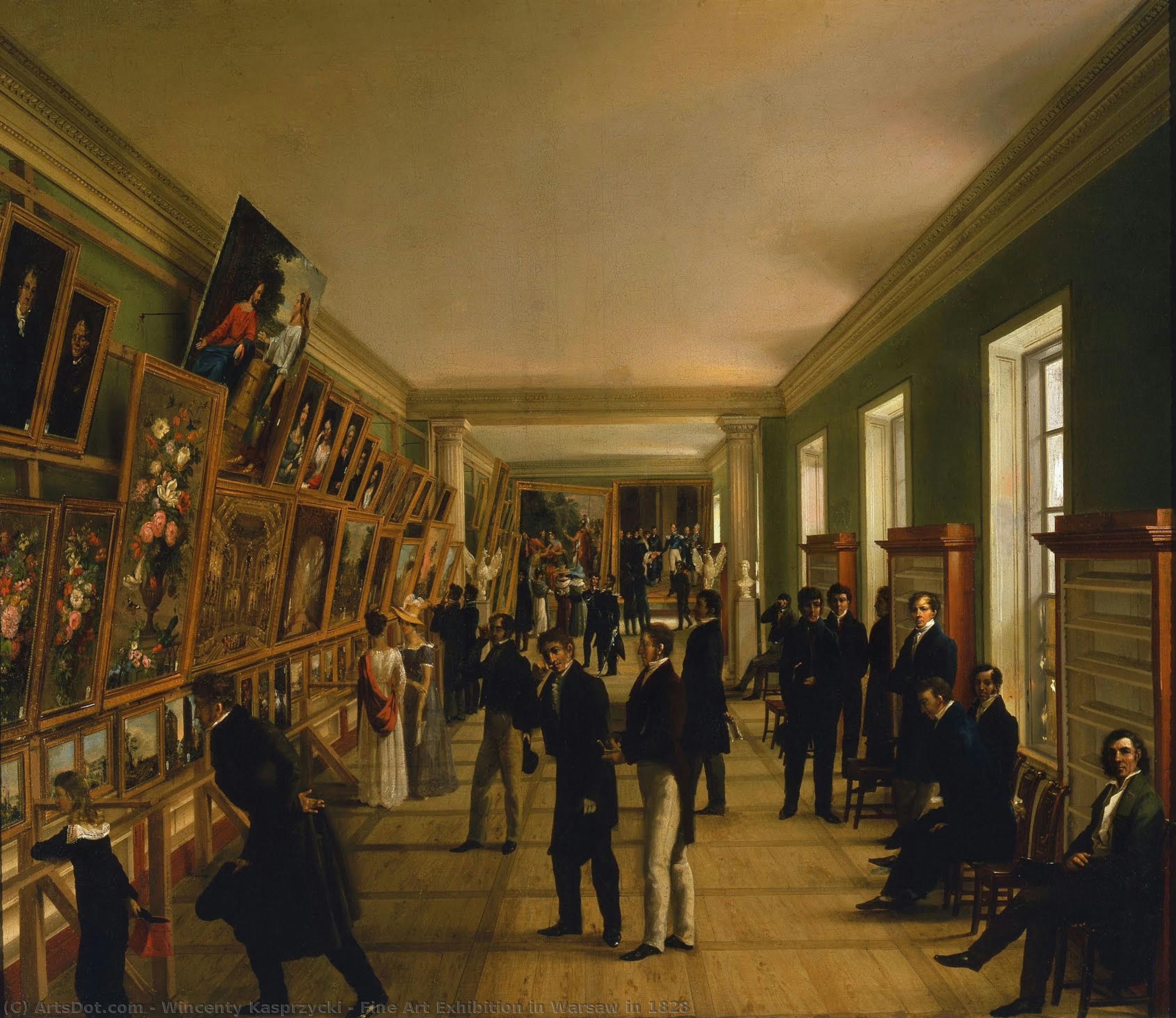
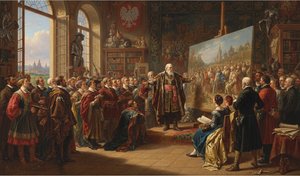
Fine Art Exhibition in Warsaw in 1828
 Oil
Oil- WallArt
- Warsaw Classicism
 19th Century
 111.0 x 94.0 cm
 Warschau Nationalmuseum
 Weiterlesen
Giclée / Kunstdruck
Giclée- oder Leinwanddruck in Museumsqualität mit schneller Produktion und flexiblen Veredelungsoptionen. ( Handgemalte Reproduktion bestellen Bild kaufen)




































Wählen Sie aus unseren vordefinierten Formaten, die den ursprünglichen Proportionen des Kunstwerks entsprechen.

Sie können Ihre eigenen Maße eingeben, um ein bestimmtes Format oder einen speziellen Platz einzupassen. Wenn das von Ihnen gewählte Format nicht den Proportionen des Originalbildes entspricht, werden wir das Kunstwerk entweder beschneiden oder das Bild mit einem gespiegelten oder einfarbigen Rand erweitern. Ein digitaler Entwurf wird Ihnen zur Genehmigung zugesandt, bevor die Produktion beginnt.
Bitte beachten Sie, dass die Vorschau auf dem Bildschirm nicht den tatsächlichen Zuschnitt oder die Erweiterung widerspiegelt. Nur der Entwurf zeigt die endgültige Komposition präzise an.
Obwohl Sondermaße verfügbar sind, empfehlen wir die Auswahl eines Maßes aus der vordefinierten Liste, um die ursprünglichen Proportionen zu bewahren.
Weltweiter Versand () innerhalb von 2 Wochen statt der üblichen 4/5 Wochen. (24 August)

Kostenloser weltweiter Expressversand

Hochwertige Leinenleinwand

Umfassender Versicherungsschutz beim Versand

Zollgebühren-Rückerstattungsgarantie

Garantie für exakte Farbtreue

60 Tage Rückgaberecht (nur bei Mängeln)

100% Geld-zurück-Garantie

Mengenrabatt verfügbar
 Die Glasoption ist nur für Größen unter 110 cm verfügbar.

Fine Art Exhibition in Warsaw in 1828
Giclée / Kunstdruck
Format der Reproduktion
-


Gesamtpreis
$ 62
Sammlerstück-Beschreibung
A Window into Warsaw’s Golden Age
Step into the vibrant, intellectual atmosphere of nineteenth-century Poland through Wincenty Kasprzycki’s masterful Fine Art Exhibition in Warsaw in 1828. This extraordinary painting serves as much more than a mere depiction of a gallery; it is a living, breathing historical document that captures a pivotal moment in the cultural evolution of Warsaw. As we gaze upon this scene, we are transported to the mineralogy department of the University of Warsaw, where the air was thick with the shared passion of artists, scholars, and connoisseurs. Kasprzycki does not simply paint an exhibition; he preserves the very soul of a burgeoning art scene, documenting the precise arrangement of works that once graced these walls.
The composition is a sophisticated tapestry of light, shadow, and social interaction. The artist utilizes a meticulous approach to detail, guiding the viewer’s eye through three distinct tiers of paintings arranged on wooden frameworks. From the delicate floral compositions by Henryka Beyer in the middle row to the grand, monumental canvases tucked into the depths of the hall, every brushstroke contributes to a sense of depth and discovery. There is a profound sense of nostalgia embedded in the work, particularly when one realizes that some of the depicted masterpieces—such as Antoni Brodowski’s Tsar Alexander I Establishing the University of Warsaw—are now lost to time, making Kasprzycki’s canvas a precious, singular survivor of a vanished aesthetic era.
The Art of Observation and Social Elegance
Beyond the canvases on the walls, Kasprzycki breathes life into the room through his skillful use of staffage—the small human figures that populate the scene. This painting is a masterclass in social portraiture, subtly weaving the faces of the era's most influential figures into the fabric of the event. On the right-hand side, near the soft light filtering through the windows, we encounter a gathering of luminaries. We see the artist himself, seated in quiet contemplation, alongside the esteemed Antoni Brodowski and the exhibition’s organizer, Antoni Blank. The presence of figures like Aleksander Kokular, captured mid-gesture with a snuff box, adds an intimate, anecdotal layer to the work, transforming a formal exhibition into a warm, human encounter.
For the collector or interior designer, this piece offers an unparalleled sense of prestige and intellectual depth. The technique reflects the refined Warsaw Classicism of the period, characterized by balanced proportions and a clear, descriptive clarity that makes every element feel tangible. The interplay between the structured rows of art and the spontaneous movements of the visitors creates a dynamic tension that keeps the viewer engaged for hours. It is a work that invites conversation, serving as a magnificent centerpiece for any collection dedicated to European history or the fine art of the nineteenth century.
A Timeless Addition to Sophisticated Interiors
Integrating a high-quality reproduction of this masterpiece into a contemporary space provides an immediate sense of historical gravity and cultural richness. The painting’s palette, while grounded in the earthy tones of wooden frames and classical oil pigments, is enlivened by the natural light of the depicted hall, making it versatile enough to complement both traditional period rooms and modern, minimalist galleries. It acts as a "window" within a room, offering a view into a lost world of academic rigor and artistic celebration.
Owning or displaying this work is an act of preserving memory. It is an invitation to reflect on the continuity of art history and the enduring human desire to gather, observe, and find beauty in the shared experience of looking. Whether you are drawn to its complex historical narrative, its intricate social details, or its role as a foundational piece of Polish art history, Kasprzycki’s 1828 exhibition remains an evocative triumph of observational painting.
Ähnliche Kunstwerke
Über den Künstler
Frühes Leben und Ausbildung
Wincenty Kasprzycki, ein renommierter polnischer Maler und Lithograf, wurde 1802 in Warschau, Polen, geboren. Seine künstlerische Ausbildung absolvierte er in Warschau und Vilnius, wo er eine tiefe Leidenschaft für die Landschaftsmalerei und Veduten entwickelte.Künstlerischer Stil und bedeutende Werke
Der künstlerische Stil Kasprzyckis zeichnet sich durch den meisterhaften Einsatz von Staffagen aus, wie sie in seinen herausragenden Werken, etwa den Porträts der Puchałł, zum Ausdruck kommen. Neben seinen Porträtmalereien schuf er zudem eindrucksvolle Innenansichten von Gebäuden, darunter die Darstellung der Schönen Künste in Warschau aus dem Jahr 1828. Seine lithografischen Fähigkeiten setzte er vor allem ein, um die Charakterzüge seiner Porträtierten mit höchster Präzision einzufangen.Museumssammlungen und Vermächtnis
Die Werke Kasprzyckis sind heute im Museum des Schlosses von König Johann III. in Warschau sowie in Posen und Lwow zu finden. Sein Urenkel, Wincenty Kasprzycki (1906–1965), setzte die künstlerische Tradition als Bildhauer fort.Künstlerische Beiträge und Bedeutung
- Beitrag zur polnischen Kunst: Das Schaffen Kasprzyckis leistete einen wesentlichen Beitrag zur Entwicklung der polnischen Kunst, insbesondere im Bereich der Landschaftsmalerei.
- Einfluss auf nachfolgende Generationen: Sein künstlerisches Erbe reicht weit über seine eigene Zeit hinaus und prägte nachfolgende Generationen von Künstlern nachhaltig.
Kasprzyckis Kunst bei ArtsDot erleben
Um weitere Werke Kasprzyckis zu entdecken und mehr über andere bedeutende polnische Künstler zu erfahren, besuchen Sie bitte die Seite von Wincenty Kasprzycki auf ArtsDot. Für einen umfassenden Überblick über die polnische Kunst bietet sich ein Blick auf die größten Künstler bei ArtsDot an.Verwandte Künstler und Museen
- Maurycy Minkowski, ein polnischer Maler, der für seine Genreszenen bekannt ist, finden Sie auf seiner Seite bei ArtsDot.
- Entdecken Sie die Sammlung des Museums des Schlosses von König Johann III. in Warschau und weitere bedeutende Museen im Museumsführer von ArtsDot.
Wincenty Kasprzycki
1802 - 1849 , Polen
Kurzinfos
- Artistic Movement Or Style: Romantik, Tiermalerei
- Artists Or Movements Influenced By This Artist:
- George Romney
- Viktorianische Malerei
- Artists Who Influenced This Artist:
- Carle Vanloo
- Edward Dayes
- Date Of Birth: 7. März 1802
- Date Of Death: 1. Oktober 1873
- Full Name: Edwin Henry Landseer
- Nationality: Englisch
- Notable Artworks:
- Der Haupttrauernde des alten Hirten
- Würde und Unverschämtheit
- Der Monarch der Schlucht
- Place Of Birth: London, England
Ähnliche Artikel
Harmonie der Gegensätze: Die Integration zeitgenössischer Kunst in klassische Interieurs für eine zeitlose Ästhetik
Harmonische Integration zeitgenössischer Kunst in klassische Interieurs – Expertenratgeber für stilvolle Wohndekoration. Entdecken Sie, wie Sie mit hochwertiger Kunst Ihr Zuhause veredeln! Jetzt lesen.
Die 10 Meisterwerke des Neoklassizismus: Kunst für Ihr Zuhause |
Entdecken Sie die 10 Meisterwerke des Neoklassizismus! Von David bis Canova – erleben Sie Kunstgeschichte, elegante Ästhetik & zeitlose Schönheit. Hochwertige Reproduktionen auf .
Meisterwerke der National Gallery London: 25 Kunstikonen für Ihr Zuhause | ArtsDot
Entdecken Sie die 25 berühmtesten Gemälde der National Gallery London! Von Van Gogh bis Monet – erfahren Sie die Geschichten hinter ikonischen Meisterwerken, Kunststile & Techniken. Hochwertige Reproduktionen für Ihr Zuhause auf ArtsDot.com.
Meisterwerke des 19. Jahrhunderts: Kunst für Ihr Zuhause | ArtsDot
Entdecken Sie die 10 bedeutendsten Kunstwerke des 19. Jahrhunderts! Von Impressionismus bis Realismus – erleben Sie die Geschichten berühmter Maler und ihre Meisterwerke. Hochwertige Reproduktionen für Ihr Zuhause auf ArtsDot.com.
Jan Matejko: Nationales Narrativ und Identität im polnischen Gemälde des 19. Jahrhunderts
Entdecken Sie Jan Matejkos faszinierende Gemälde und ihren Einfluss auf die polnische nationale Identität im 19. Jahrhundert. Analysen, Schlüsselwerke & historischer Kontext – jetzt lesen!

