From Grandeur to Grace: The Subtle Shift from Baroque Drama to Rococo Intimacy
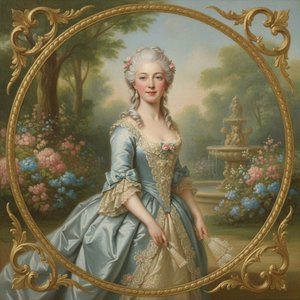 The Elegance of Rococo Portraiture: A Journey Through Grace, Soft Light, and Pastel Dreams
From Grandeur to Grace: The Subtle Shift from Baroque Drama to Rococo Intimacy The Rococo Aesthetic: Opulence, Rebellion & the Pursuit of Pleasure in 18th-Century Art The Rise of Rococo: From Baroque Grandeur to Intimate Elegance Wikipedia: Rococo Ro...
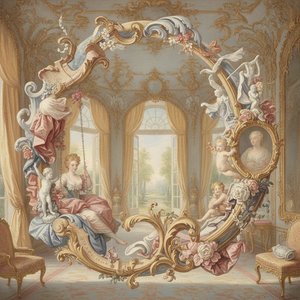
To truly appreciate the delicate breath of the Rococo, one must first remember the heavy, gilded shadows that preceded it. For much of the 17th century, the Baroque era reigned supreme, a period defined by monumental drama and an almost overwhelming sense of power. Art in this age served as a grand instrument of state and religious authority, designed to awe the viewer with massive canvases of heroic battles and intense, chiaroscuro contrasts. It was an art of public spectacle, heavy with the weight of political and spiritual significance, much like the imposing architecture of the era.
Yet, as the 18th century dawned in France, a subtle yet profound shift began to stir within the private salons of Paris. This was not a revolution born of conflict or sudden upheaval, but rather a gentle retreat—a movement toward refinement and intimacy. As the influence of Louis XIV’s rigid Versailles began to wane, the aristocracy sought a more human-centric aesthetic. They moved away from the imposing formality of the court and toward the private
hôtels of Paris, where the focus shifted from glorifying the state to celebrating the individual. This transition marked the birth of the Rococo, an era that traded the heavy drapes of authority for the light, airy textures of grace, replacing the monumental with the much more personal.
The Pastel Symphony: Exploring the Luminous Palette and Soft Textures of the 18th Century
 10 Iconic Pastel Masterpieces That Revolutionized Art History
Introduction Imagine walking into a room where the light doesn't just hit the surface, but seems to breathe from within it. There is a specific kind of magic found in pastel—a soft, velvety texture that defies the rigid boundaries of traditional oil ...
There is a specific kind of magic found in pastel—a soft, velvety texture that defies the rigid boundaries of traditional oil painting. To step into the world of Rococo art is to encounter art in its most immediate, tactile, and breathtaking form. Unlike the heavy, structural layers of pigment used in classical works, pastels offer a direct, raw connection between the artist's hand and the canvas. It is an intimate medium, one where every stroke is a whisper of color, capable of capturing the fleeting glow of a sunset or the delicate porcelain curve of a cheek with unparalleled immediacy.
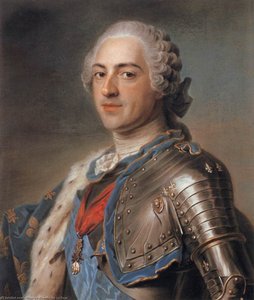
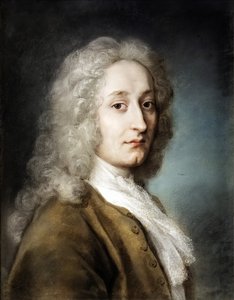
The Rococo palette belongs to a pale family of colors, characterized by high value and soothing, low-saturation tones. These pastel shades—soft pinks, sky blues, creamy whites, and gentle ochres—create an atmosphere that is inherently calming and nostalgic. Masters like Jean-Baptiste Perronneau utilized this medium to achieve remarkable subtlety of tone and shading. By layering powdered pigments mixed with a binder, these artists could manipulate light as if it were breathing from within the surface itself. This luminous quality allowed for a "pastel symphony" where color was liberated from constraint, creating a visual experience that felt less like a painted record and more like a dream captured in dust and light.
Capturing the Soul: Psychological Depth and Individual Character in Rococo Portraiture
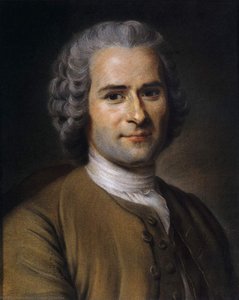 Portrait of Jean-Jacques Rousseau
A Portrait of Enlightenment: Maurice Quentin de La Tour's Jean-Jacques Rousseau The pastel portrait of Jean-Jacques Rousseau, executed in 1753 by Maurice Quentin de La Tour, is more than merely a likeness; it’s a carefully constructed embodiment of t...
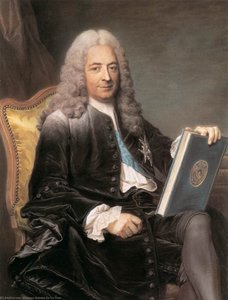
While many associate the Rococo with mere decoration, the era's portraiture achieved a profound level of psychological complexity. Unlike the grand narratives favored by earlier Baroque painters, which often focused on idealized heroism, Rococo artists turned their gaze toward the human face to capture individual character and subtle nuances of temperament. This shift reflected a growing humanist sensibility within French aristocratic circles, where the focus moved from social rank to the inner life of the subject.
The works of masters such as Maurice Quentin de La Tour exemplify this mastery of character. In his portrait of Jean-Jacques Rousseau, for instance, the work is more than merely a likeness; it is a carefully constructed embodiment of the intellectual currents of the Enlightenment. Through meticulous detail and subtle tonal variations, the artist draws the viewer into the thoughtful gaze of the subject. Similarly, Perronneau’s portraits of the nobility were not just displays of status but windows into the soul, utilizing the soft textures of pastel to convey the nuanced emotions and social standing of his sitters. This ability to capture a fleeting emotion or a quiet, contemplative moment is what gives Rococo portraiture its enduring, intimate charm.
A World of Refinement: The Influence of French Aristocratic Salons and Private Hôtels
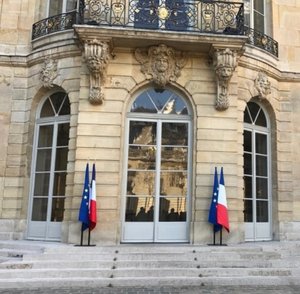 Hôtel Matignon
A Bastion of Baroque Grandeur and Political Pulse In the heart of Paris’s prestigious 7th arrondissement, where the cobblestones of Rue de Varenne whisper tales of aristocratic splendor, stands the Hôtel Matignon . More than a mere residence, this st...
The aesthetic of the Rococo was inextricably linked to the physical spaces it inhabited. As the French aristocracy retreated from the monumental scale of Versailles to the more intimate
hôtels of Paris, their art evolved to match these smaller, more sophisticated environments. These private residences, such as the legendary Hôtel Matignon, were masterpieces of design where architecture, furniture, and painting functioned as a single, cohesive concept of luxury.
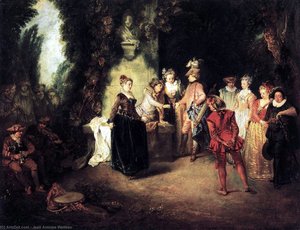
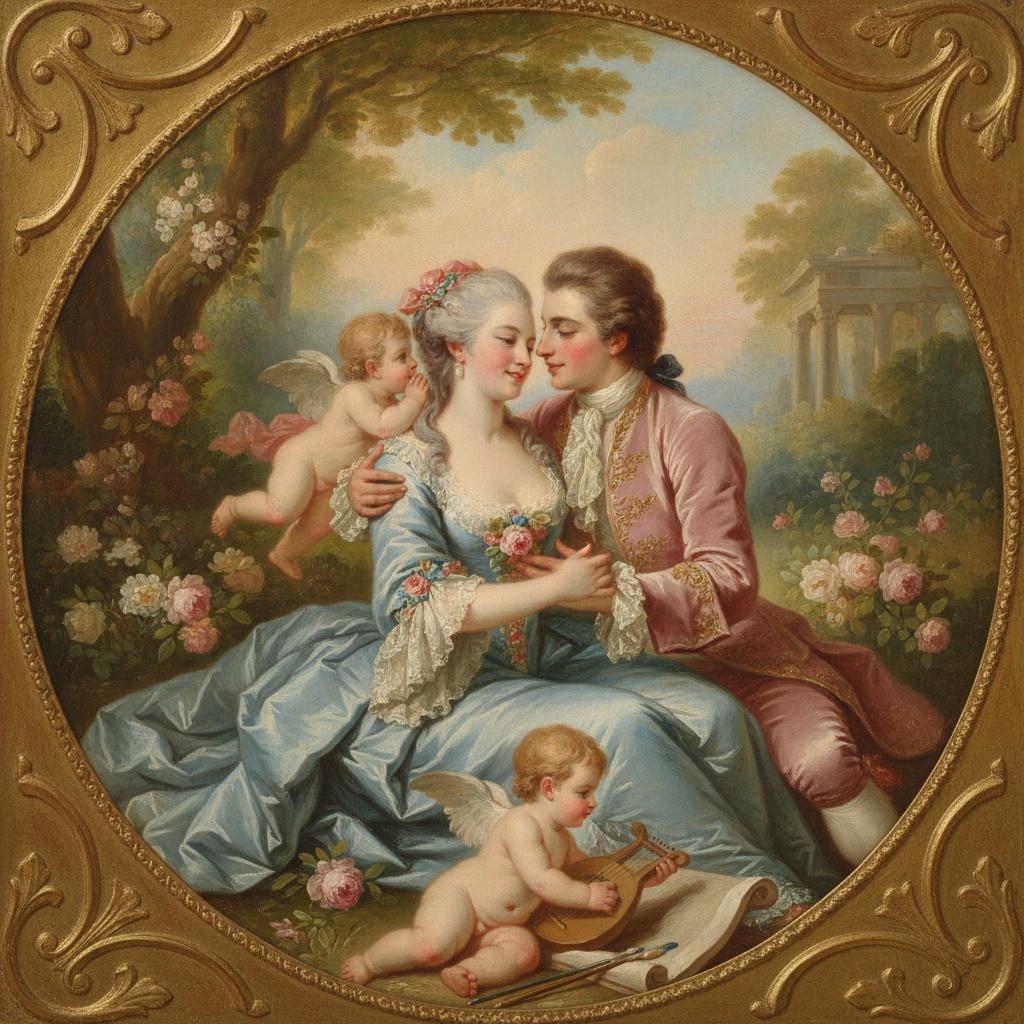
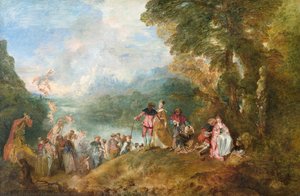
The Rococo style thrived in these settings through its use of asymmetrical compositions, delicate ornamentation, and curved lines. The art was often conceived as an integral part of the interior decoration itself. In the private salons, paintings were not isolated objects but elements of a larger decorative program that celebrated pleasure, conversation, and social grace. This era of "fêtes galantes" and theatrical settings allowed for a lifestyle of refined leisure to be visually documented, creating a sense of a world where beauty and comfort were the highest pursuits. It was an art of the private sphere, designed to delight the eye within the sanctuary of a beautifully appointed home.
Bringing History Home: Reimagining Rococo Elegance in Modern Interior Design
 Pastel (color)
Pastels or pastel colors belong to a pale family of colors, which, when described in the HSV color space, have high value and low or medium saturation. They are named after the artistic medium made from pigment and solid binding agents, similar to cr...
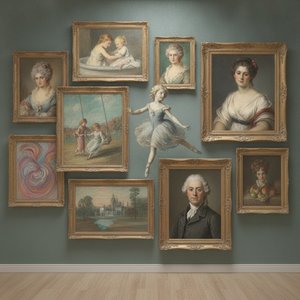
For the modern art enthusiast, the charm of Rococo lies in its ability to infuse a contemporary space with timeless sophistication. While we may not live in 18th-century Parisian mansions, the principles of Rococo—light, grace, and intimacy—can be seamlessly integrated into modern interior design to create rooms that feel both curated and deeply personal. The use of soft, pastel-inspired color palettes can bring a sense of calm and airiness to a room, providing a beautiful contrast to the bolder, more saturated colors often found in modern living.
At ArtsDot.com, we believe that art is the soul of a home. Whether you are looking for a large-scale reproduction of a period masterpiece or a custom commission that "remixes" history, the Rococo aesthetic offers endless inspiration. Imagine a multi-panel canvas print of a light-drenched landscape spanning a wide hallway, or a bespoke oil portrait that brings the soft, luminous textures of the 18th century to your study. By selecting pieces that emphasize texture, light, and delicate detail, you can recreate the refined elegance of the Rococo era, turning your modern residence into a living gallery of grace and romance.