From Grandeur to Grace: The Subtle Shift from Baroque Drama to Rococo Intimacy
 The Rococo Aesthetic: Opulence, Rebellion & the Pursuit of Pleasure in 18th-Century Art
The Rise of Rococo: From Baroque Grandeur to Intimate Elegance Wikipedia: Rococo Rococo, less commonly Roccoco ( rə-KOH-koh, US also ROH-kə-KOH; French: [ʁɔkɔko] or [ʁokoko] ), also known as Late Baroque, is an exceptionally ornamental and dramatic s...
To truly appreciate the delicate breath of the Rococo, one must first remember the heavy, gilded shadows that preceded it. For much of the 17th century, the Baroque era reigned supreme, a period defined by monumental drama and an almost overwhelming sense of power. Art in this age served as a grand instrument of state and religious authority, designed to awe the viewer with massive canvases of heroic battles and intense, chiaroscary contrasts. It was an art of the public spectacle, heavy with the weight of political and spiritual significance.
Yet, as the 18th century dawned in France, a subtle yet profound shift began to stir within the private salons of Paris. This was not a revolution born of conflict or sudden upheaval, but rather a gentle retreat—a movement toward refinement and intimacy. As the influence of Louis XIV’s rigid Versailles began to wane, the aristocracy sought a more human-centric aesthetic. They moved away from the imposing formality of the court and toward the private hôtels of Paris, where the focus shifted from glorifying the state to celebrating the individual. This transition marked the birth of the Rococo, an era that traded the heavy drapes of authority for the light, airy textures of grace.
The Pastel Symphony: Exploring the Luminous Palette of 18th-Century France
 Pastel (color)
Pastels or pastel colors belong to a pale family of colors, which, when described in the HSV color space, have high value and low or medium saturation. They are named after the artistic medium made from pigment and solid binding agents, similar to cr...
If the Baroque was a symphony of deep ochres and dramatic shadows, the Rococo was a soft, luminous melody played in pastel tones. This era introduced a palette that felt as light as a summer breeze, characterized by high values and low saturation. We see the emergence of a world bathed in peach, mint green, lavender, and the most delicate baby blues. These colors were not merely decorative; they were essential to the emotional landscape of the time, offering a sense of soothing nostalgia and calm that contrasted sharply with the bolder, more aggressive tones of previous generations.
The use of pastel hues allowed artists to capture the ephemeral quality of light filtering through a garden canopy or the soft glow of skin in a sunlit room. This palette created an atmosphere of dreamlike tranquility, where the edges of reality seemed softened by a layer of powdered sugar. In these paintings, color serves as a bridge to pleasure and leisure, inviting the viewer into a space where the primary goal is the pursuit of beauty for its own sake. It is a chromatic language of tenderness, designed to delight the senses rather than command them.
Masters of the Human Face: The Delicate Artistry of De La Tour and Perronneau
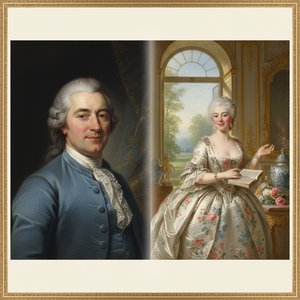 Maurice Quentin de La Tour: Light, Shadow & the Rococo Portrait
The Enigmatic Life of Maurice Quentin de La Tour Wikipedia: Maurice Quentin de La Tour Maurice Quentin de La Tour (French pronunciation: [mɔʁis kɑ̃tɛ̃ də la tuʁ]; 5 September 1704 – 17 February 1788) was a French painter who specialised in portrait p...
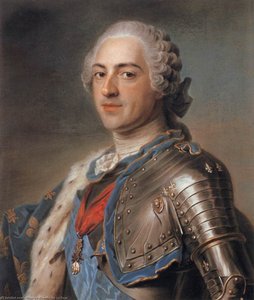
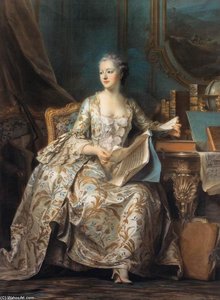
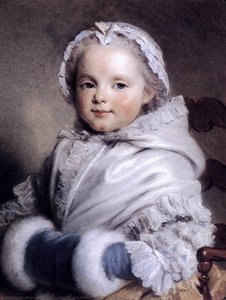
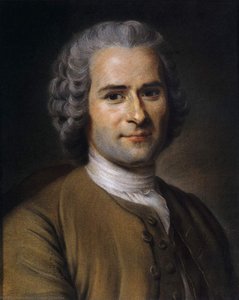
Within this luminous world, certain masters emerged who possessed an unparalleled ability to capture the soul through the medium of pastel. Maurice Quentin de La Tour stands as perhaps the most enigmatic figure in this pantheon. A specialist in the delicate medium of pastel, de La Tour did not merely paint likenesses; he captured psychological depth. His portraits of luminaries like Voltaire and Madame de Pompadour possess a remarkable realism that avoids the frivolous, instead offering a window into the very essence of his subjects. Through his mastery of light and shadow within the soft medium, he achieved a texture that felt almost tactile.
In a similar vein, we find the sensitive hand of Jean-Baptiste Perronneau. Though perhaps less widely recognized than some of his contemporaries, Perronneau’s contribution to French portraiture is profound. His work focused intimately on the human face, utilizing the soft textures and luminous effects that only pastel can provide. There was a beautiful, albeit competitive, relationship between these artists; history recalls the moment at the Salon of 1750 when Perronneau exhibited a portrait of de La Tour, only for the master to respond with a self-portrait of his own, a playful yet masterful demonstration of skill. Together, they elevated the portrait from a mere record of status to a profound exploration of character and grace.
Rocaille and Romance: How Shell Motifs and Asymmetry Defined an Era
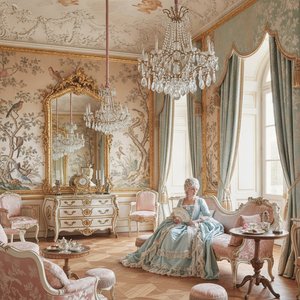 The Elegance of Rococo: A Journey Through Pastel Dreams and Ornate Splendor
The Birth of Rocaille: From Baroque Grandeur to Intimate Refinement The Rococo Aesthetic: Opulence, Rebellion & the Pursuit of Pleasure in 18th-Century Art The Rise of Rococo: From Baroque Grandeur to Intimate Elegance Wikipedia: Rococo Rococo, less ...
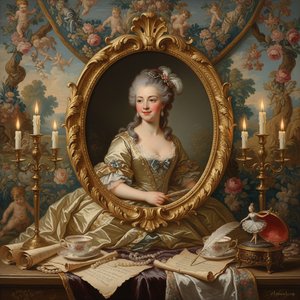
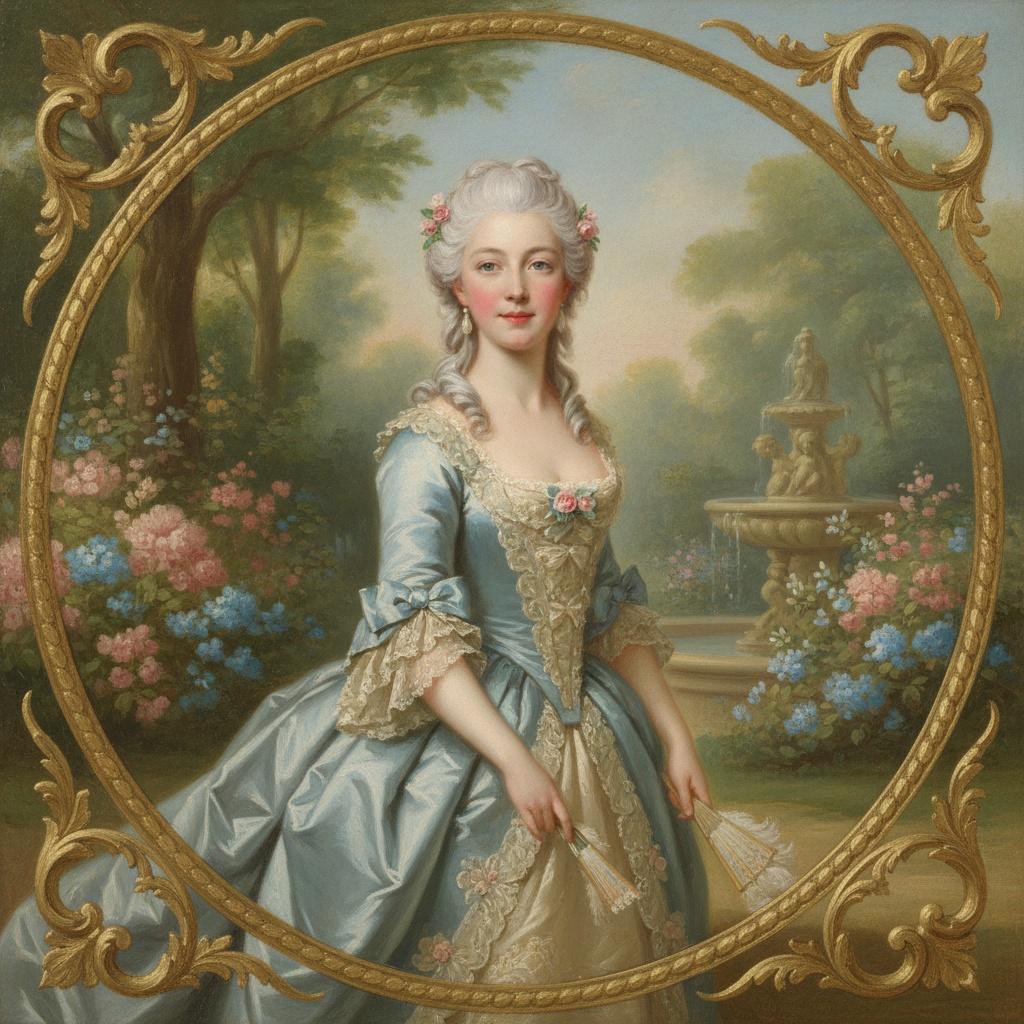
The very name "Rococo" whispers of its origins, derived from the French term rocaille. This refers to the intricate, shell-covered rock work used to decorate artificial grottoes and garden ornaments. This fascination with the organic led to a fundamental change in artistic composition. The rigid, straight lines and symmetrical balances of the Baroque were abandoned in favor of flowing curves, scrolling motifs, and a deliberate embrace of asymmetry. This was an art of movement and natural whim.
This aesthetic of rocaille permeated everything from large-scale architecture to the smallest decorative trinket. In portraiture, this manifested as a rejection of stiff, formal posing in favor of more relaxed, fluid arrangements. The ornamentation of the era—the swirling stucco, the delicate floral garlands, and the shell-like flourishes—mirrored the themes of the paintings themselves: love, nature, and the playful unpredictability of life. It was an era that found perfection not in mathematical balance, but in the charming irregularities of the natural world.
Capturing the Fleeting Moment: The Emotional Depth of Rococo Portraiture
At its heart, Rococo portraiture is about the celebration of the fleeting moment. While the preceding era sought to immortalize eternal truths and heroic deeds, the Rococo artist found divinity in a whispered conversation, a playful glance, or the way light catches a silk ribbon. There is an inherent romanticism in this approach, a focus on the ephemeral pleasures of aristocratic life—the fête galante, the garden stroll, and the quiet intimacy of the salon.
This focus on the momentary does not imply a lack of depth; rather, it suggests a different kind of emotional intelligence. The artists of this period were masters of nuance, capturing the subtle shifts in expression that reveal a person's true temperament. By focusing on the soft light and the delicate textures of lace and skin, they created works that resonate with a sense of longing and tenderness. To look upon a Rococo portrait is to be invited into a world where beauty is cherished precisely because it is transient, reminding us of the enduring power of imagination and the sweetness of life's most delicate joys.
Bringing the Salon Home: Preserving the Radiance of Rococo Elegance
 Rococo's Radiant Legacy: 10 Masterpieces for Your Home |
Introduction Imagine stepping into a world bathed in soft light, where delicate curves replace rigid lines and playful scenes of love, leisure, and mythology unfold before your eyes. This is the essence of Rococo – an artistic revolution that swept a...
For the modern collector, the allure of the Rococo remains as potent as ever. In a world that often feels rushed and overly digital, the soft light and graceful curves of 18th-century art offer a much-needed sanctuary of peace and refinement. Bringing these works into a contemporary home is not merely an act of decoration; it is an invitation to slow down and appreciate the artistry of the human hand.
Whether through a meticulously hand-painted oil reproduction that captures the thick, tactile impasto of the era or a carefully curated collection of prints, the essence of Rococo can be preserved. These works serve as windows into a vanished world of elegance, allowing us to surround ourselves with the same luminosity and grace that once filled the private salons of Paris. By honoring these historical masterpieces, we ensure that the delicate beauty of the rocaille continues to inspire generations to come.