


Defining the Late Gothic Aesthetic: The Transition from Medieval Symbolism to Naturalism
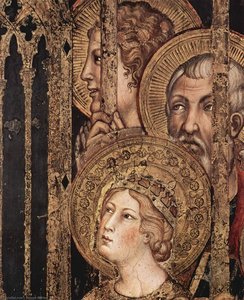
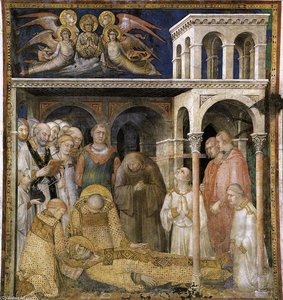
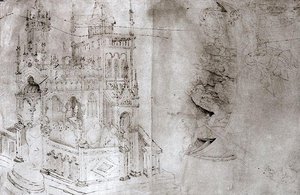
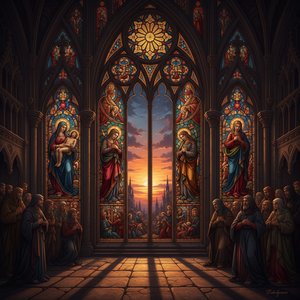
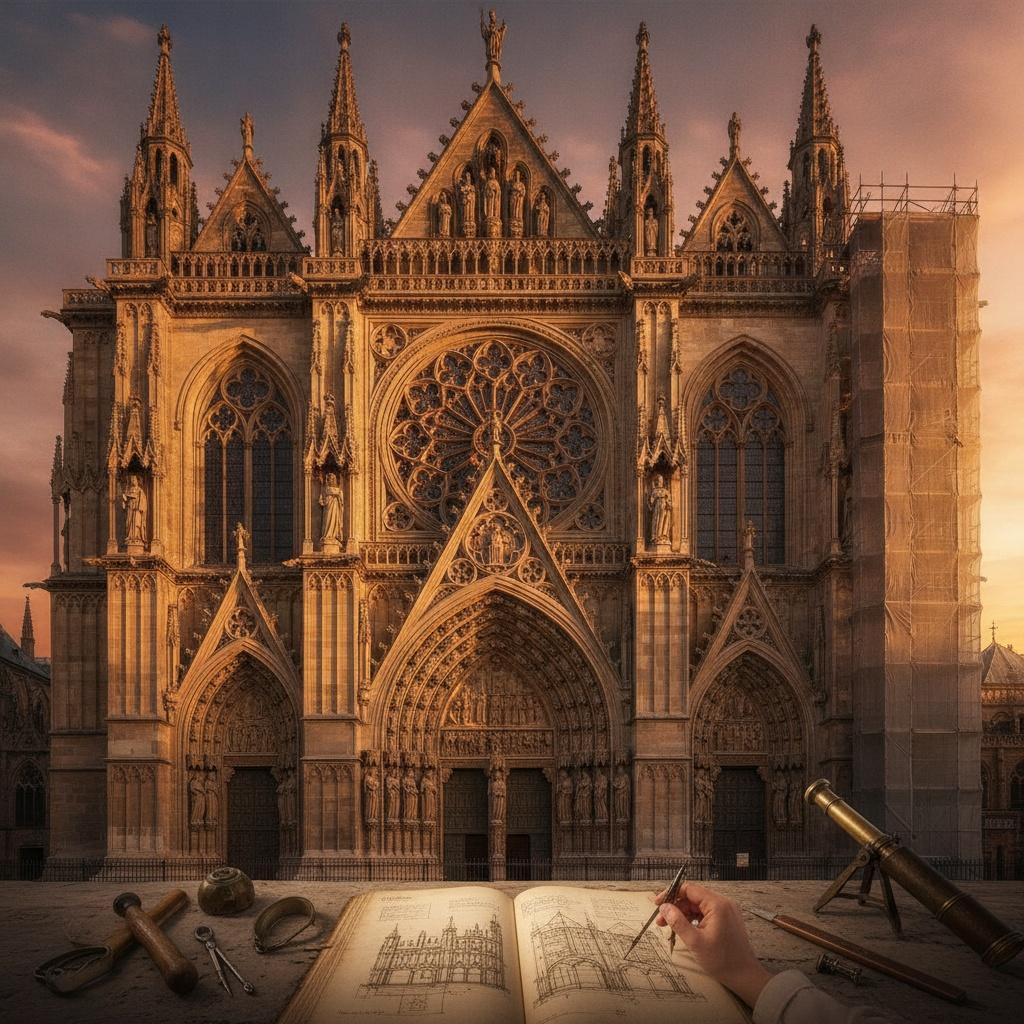
As the sun began to set on the medieval era, a profound transformation took hold of the European consciousness, manifesting in an artistic movement that was as much about grace as it was about gravity. This period, spanning roughly from 1300 to 1500, represents a delicate equilibrium—a moment in time where the heavy, monumental structures and somber shadows of the Romanesque period began to yield to a newfound sense of fluidity and light. It was not a sudden rupture with the past but rather an evolution, a refinement of existing forms imbued with a new sense of naturalism and psychological depth. To observe Late Gothic art is to witness the radiant dusk of medieval vision, where the soaring spiritual ambitions of earlier centuries began to subtly yield to a more humanistic and emotionally nuanced aesthetic.
This era moved away from the rigid, often intimidating iconography of the early Middle Ages toward an art that embraced elegance and intricate detail. This shift reflected a fundamental change in how humanity perceived the divine and the earthly; the heavens were no longer just a distant, terrifying realm, but a space capable of being depicted with breathtaking luminosity and soft, lyrical beauty. For the modern designer, understanding this transition is essential, as it marks the point where art began to bridge the gap between the celestial and the tangible, creating a sense of presence that remains deeply impactful in contemporary architectural settings.
The International Gothic Style: A Convergence of European Courtly Elegance
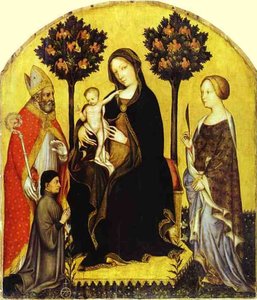
In the late fourteenth and early fifteenth centuries, a remarkable shift occurred as regional variations began to coalesce into what art historians call the International Gothic style. This was not a sudden revolution but a gradual convergence of artistic ideas, fueled by increased trade, royal patronage, and the unprecedented mobility of artists across the continent. The seeds of this new aesthetic were sown in Burgundy, France, and northern Italy—centers of wealth, power, and sophisticated courtly life. Through a growing network of diplomatic marriages, religious pilgrimages, and merchant routes, a shared visual language began to emerge, reducing the stark variations that had previously defined national styles.
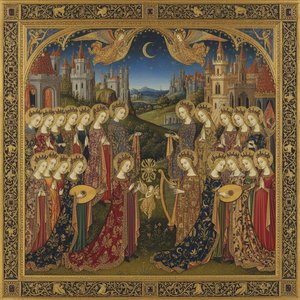
The spread of ideas was facilitated by portable works, such as illuminated manuscripts, which traveled through the hands of the elite. The influence of northern France, the Duchy of Burgundy, Flanders, and the Imperial court in Prague created a sophisticated, courtly atmosphere characterized by refined elegance. This movement brought together the Italian emphasis on grace and emotional depth with the Northern focus on meticulous realism. For professionals managing large-scale decor projects, this period offers a blueprint for luxury; it is an era defined by prestige, where art served as a reflection of status, taste, and the interconnectedness of a burgeoning European aristocracy.
Mastering Detail and Texture: Key Techniques in Late Gothic Panel Painting and Sculpture
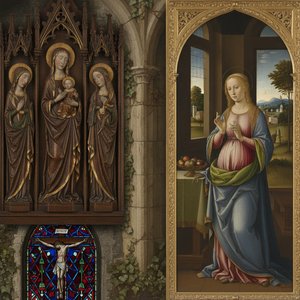
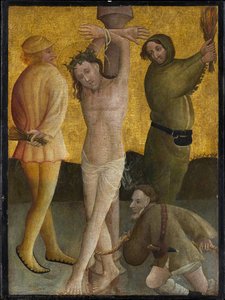
The true mastery of the Late Gothic period lies in its technical precision and the tactile richness of its surfaces. This era saw the rise of panel painting, where artists utilized flat wooden supports to create windows into a more detailed world. The introduction of revolutionary techniques, particularly the influence of Flemish masters like Jan van Eyck, brought a heightened realism to the depiction of textures and light. Artists began to capture the subtle sheen of silk, the cold hardness of marble, and the soft glow of skin with an accuracy that had previously been unimaginable. This meticulous attention to detail was not merely decorative; it served to ground spiritual narratives in a recognizable, physical reality.
In sculpture, the period demonstrated a profound innovation in emotional expression. Consider the works of Giovanni Pisano, whose marble carvings synthesized French Gothic sensibilities with classical echoes of ancient Rome. His ability to render human dignity and solemnity through subtle facial expressions and meticulously carved textures exemplifies the era's move toward psychological depth. Whether through the delicate brushwork found in the works of Stefan Lochner or the intricate relief work in Italian workshops, the Late Gothic period utilized texture as a narrative tool, inviting the viewer to engage with the artwork not just visually, but through an almost sensory recognition of the material world.
Integrating Late Gothic Art into Modern Hospitality: Design Applications for Hotels and Corporate Spaces
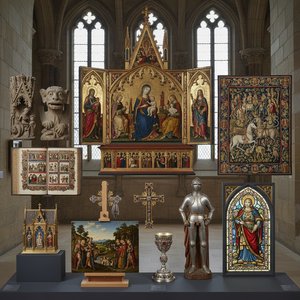
For the contemporary hotel designer or procurement manager, the Late Gothic aesthetic offers a powerful alternative to the sterile, hyper-minimalist trends that have dominated recent years. We are currently witnessing a cultural pivot away from "sad beige" minimalism toward a design zeitgeist that embraces drama, depth, and a profound sense of presence. The Late Gothic style provides exactly this: an opportunity to introduce historical weight and narrative complexity into modern interiors. Integrating these works into lobbies, fine-dining restaurants, or executive suites can transform a transient space into one of enduring character.
The use of multi-panel compositions—splitting a single historical scene across three, four, or five panels—is particularly effective for wide hotel corridors or grand staircases. This technique allows the intricate details of the Gothic era to scale with modern architecture, creating a cohesive and monumental look. By selecting pieces that emphasize luminosity and soft, lyrical beauty, designers can create atmospheres that feel both luxurious and welcoming, moving away from gloom and toward a sophisticated, light-drenched elegance that resonates with high-end clientele.
Sourcing Authentic Reproductions: Implementing Historical Masterpieces in Large-Scale Interior Projects
 Woman Red Hair, Large Mouth, Large Foot
Influenced by action painting and featuring a striking red-haired woman with oversized features against a vibrant yellow and pink background.
Implementing such historically significant art into large-scale commercial projects requires a reliable partner capable of meeting the rigorous demands of hospitality procurement. The challenge for any professional is to find works that maintain academic integrity while fitting within strict budgets and timelines. This is where the value of high-quality, hand-painted oil reproductions becomes indispensable. Unlike mass-produced prints, these works offer the visible brushstrokes and deeper tonal ranges that are essential for creating a sense of authenticity and luxury in a professional setting.
At ArtsDot.com, we specialize in providing the scale and reliability required by procurement managers and decorators. We understand that large-scale projects demand more than just beautiful art; they require operational excellence. Our process is designed for efficiency, offering everything from custom sizing to professional digital mockups that allow you to visualize a masterpiece on your specific wall before production begins. Whether you are furnishing a boutique hotel or a corporate headquarters, our ability to provide consistent, high-quality reproductions—delivered with full VAT documentation and global shipping reliability—ensures that your design vision is realized without the logistical friction of traditional art acquisition.