 Preview
 Send
Send Share
Share
 Details

 Download
 Similars
 X-Ray
X-Ray Diaporama
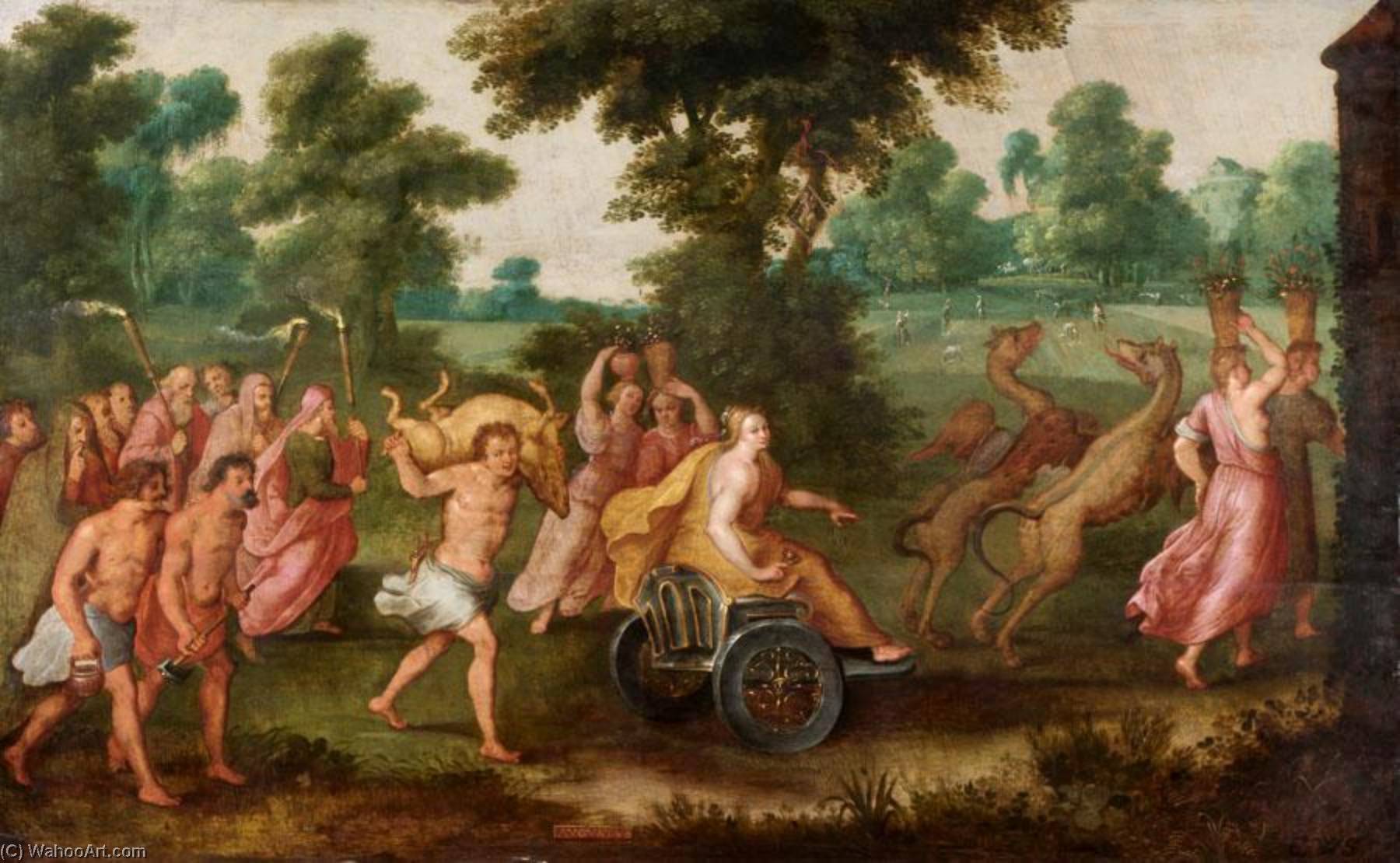
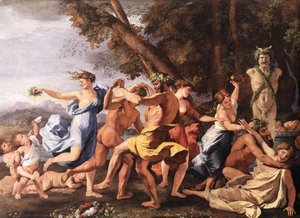
Allegory of the Month of August
 76.0 x 123.0 cm
 Read More
Hand Made Oil Reproduction
Hand-painted oil on canvas in your size and frame, made to order by our artists. ( Buy Print Buy Image)




































Pick from our preset sizes that match the artwork's original proportions.

You may enter your own dimensions to fit a specific frame or space. If your selected size does not match the original image's proportions, we will either crop the artwork or extend the painting with additional hand-painted elements. A digital mockup will be sent for your approval before production begins.
Please note that the on-screen preview does not reflect the actual cropping or extension. Only the mockup will accurately show the final composition.
While custom sizes are available, we recommend selecting a dimension from the predefined list to preserve the original proportions.
After order, ArtsDot.com team will email client for instructions and provide a mockup preview
Worldwide Delivery () in 3/4 weeks instead of standard 5 weeks. (27 August). No compromise on quality.

Free Worldwide Express Shipping

High-Quality Linen Canvas

Full Shipping Insurance

Customs Tax Refund Guarantee

True Color Matching Guarantee

60-Day Return Policy (Defects Only)

100% Money-Back Guarantee

Bulk Discount Offer
 Glass option is only available in size under 110 CM

Allegory of the Month of August
Reproduction Medium
Reproduction Size
-


Total Price
$ 263
Related Artworks








Artist Biography
A Master of the Flemish Landscape
Adriaen van Stalbemt stands as a pivotal figure in the Dutch Golden Age, celebrated primarily for his exquisitely detailed landscapes imbued with religious, mythological, and allegorical narratives. While often overshadowed by contemporaries like Jan Brueghel III, Stalbemt’s contribution to Flemish art history is undeniable, marked by a distinctive style characterized by meticulous observation and masterful execution—a style profoundly influenced by the pioneering work of Jan Brueghel II. His canvases do not merely depict scenery; they serve as stages for profound human and divine dramas, where every leaf and brook contributes to a larger, often spiritual, storytelling.
Born in Antwerp around 1580, Stalbemt’s early life was shaped by the religious turbulence of the era. Records indicate no baptismal certificate exists for him, reflecting his family's Protestant faith during a period of intense upheaval. Following the Sack of Antwerp in 1585, his family sought refuge in Middelburg due to persecution. It was within this Calvinist environment that Stalbemt likely received his formative artistic training, absorbing a disciplined approach to detail and composition that would define his later career. His return to Antwerp after 1609, coinciding with the Twelve Years' Truce between Spain and the Dutch Republic, marked a period of renewed stability and immense creative opportunity.
Artistic Mastery and Collaborative Spirit
Stalbemt’s professional ascent was solidified by his admission into the Antwerp Guild of Saint Luke in 1610. His commitment to his craft was further evidenced when he was elected Dean of the guild in 1617, a role in which he successfully championed the reinstatement of guild privileges tied to the Chamber of Rhetoric—a testament to his advocacy for artistic freedom and professional standing. His oeuvre encompasses both landscape painting and staffage portraits, demonstrating a remarkable versatility that allowed him to adapt to the evolving tastes of the seventeenth-century art market.
One of the most fascinating aspects of Stalbemt’s career was his ability to work in harmony with other masters. He was a gifted figure painter, frequently invited to paint the staffage—the small human or animal figures that populate a landscape—in the compositions of his fellow painters. This collaborative nature is seen in his association with Hans Memeaeckers, which fostered shared pupilship and stylistic growth. Furthermore, he gained considerable renown through commissions from Peter Goetkint II, crafting miniature paintings on copper known as cabinet paintings. These delicate works were designed to integrate seamlessly into the opulent, intimate interiors of wealthy collectors, reflecting the sophisticated aesthetic sensibilities of the age.
Legacy and Historical Significance
The technical brilliance of Stalbemt’s work is often found in his ability to blend the miniature with the monumental. Whether working on large-scale landscapes or intricate copper supports, he maintained a level of precision that captured the very essence of the natural world. His influence can be traced through several key elements of his technique:
- Narrative Depth: The seamless integration of mythological and biblical scenes into realistic forest and river settings.
- Atmospheric Detail: A mastery of light and texture that brought a sense of life to his woodland glades and river villages.
- Versatility of Medium: His proficiency in both printmaking and painting, allowing his vision to reach a broader audience through various formats.
Though his name may not always command the same immediate recognition as the Brueghel dynasty, Adriaen van Stalbemt remains an essential architect of the Flemish landscape tradition. His life, marked by movement between the religious tensions of Middelburg and the artistic flourishing of Antwerp, mirrors the broader historical shifts of the 17th century. Through his meticulous brushwork and his ability to breathe life into the silent corners of nature, he ensured that the landscapes of the Dutch Golden Age would forever carry a sense of wonder and profound narrative weight.
Adriaen van Stalbemt
1580 - 1662
Quick Facts
- Artistic Movement Or Style: Dutch Golden Age Landscape Art
- Artists Or Movements Influenced By This Artist: ['Northern Renaissance']
- Artists Who Influenced This Artist: ['Jan Brueghel']
- Date Of Birth: 1580
- Date Of Death: 1662
- Full Name: Adriaen van Stalbemt
- Nationality: Flemish
- Notable Artworks:
- Shooters in a Forest Glade
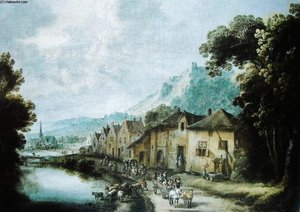
- A River Village
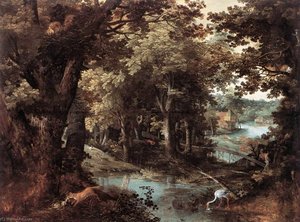
- Landscape with Fables
- Place Of Birth: Antwerp, Belgium