 Preview
 Send
Send Share
Share
 Details

 Download
 Similars
 X-Ray
X-Ray Diaporama
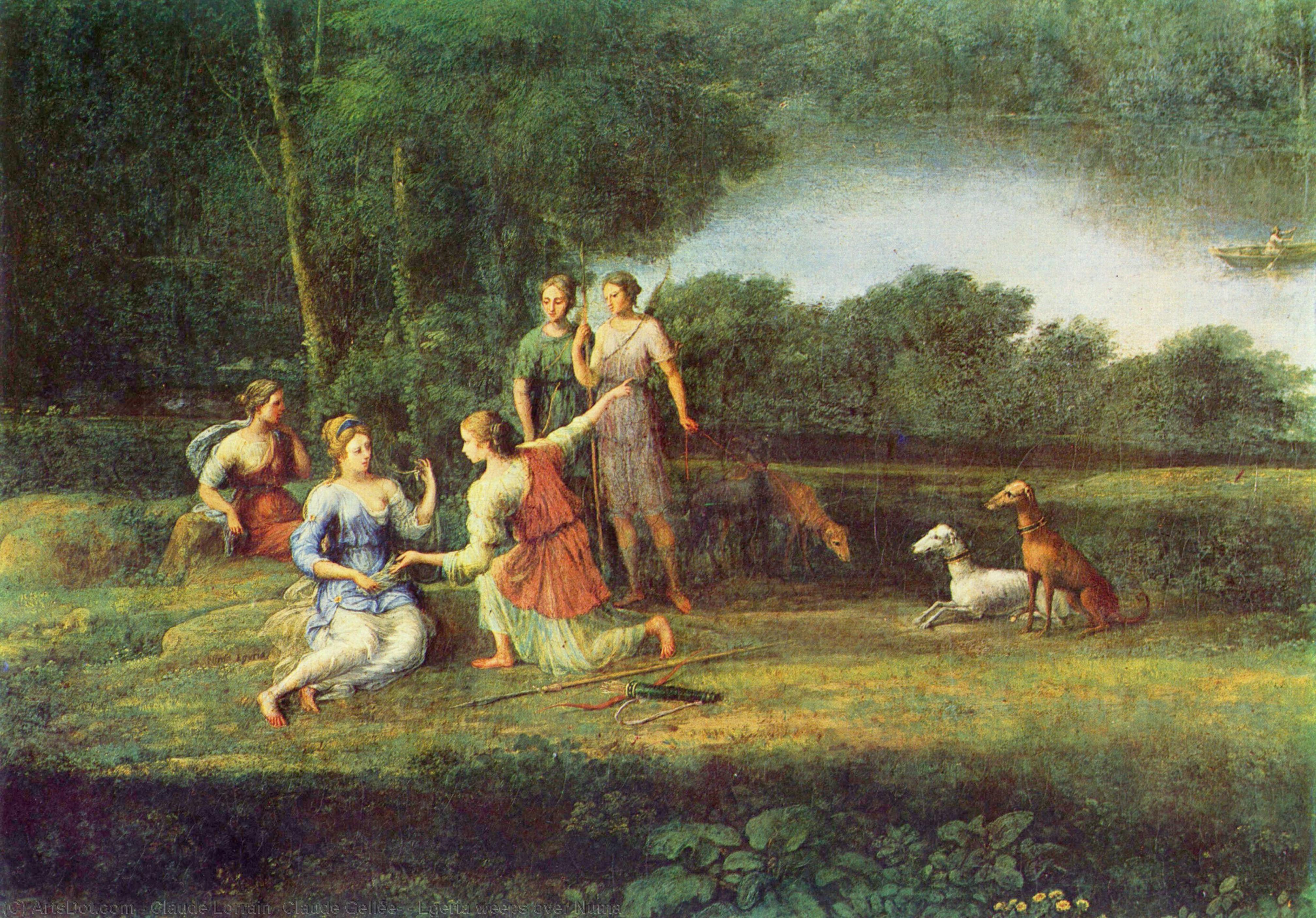
Egeria weeps over Numa
 Oil On Canvas
- WallArt
- Baroque
 1669
1669- Early Modern
 155.0 x 200.0 cm
 Read More
Hand Made Oil Reproduction
Hand-painted oil on canvas in your size and frame, made to order by our artists. ( Buy Print Buy Image)




P118B $10

P118H $10

P118W $10

P438Z $10

P508JH $12

P508YH $12

P805H $10

P805Z $10

P919BZ $10

P919G $10

P919XJ $10

P959ZH $10

P968JZ $12

W106C $8

W218G $10

W218JH $8

W218Y $10

W307PJ $10

W316G $10

W316PJ $8

W316Y $10

W398PJ $8

W4111J $10

W500HY $15

W500JH $15

W692G $12

W849H $8

W940BG $15

W953PJ $8




Pick from our preset sizes that match the artwork's original proportions.

You may enter your own dimensions to fit a specific frame or space. If your selected size does not match the original image's proportions, we will either crop the artwork or extend the painting with additional hand-painted elements. A digital mockup will be sent for your approval before production begins.
Please note that the on-screen preview does not reflect the actual cropping or extension. Only the mockup will accurately show the final composition.
While custom sizes are available, we recommend selecting a dimension from the predefined list to preserve the original proportions.
After order, ArtsDot.com team will email client for instructions and provide a mockup preview
Worldwide Delivery () in 3/4 weeks instead of standard 5 weeks. (17 August). No compromise on quality.

Free Worldwide Express Shipping

High-Quality Linen Canvas

Full Shipping Insurance

Customs Tax Refund Guarantee

True Color Matching Guarantee

60-Day Return Policy (Defects Only)

100% Money-Back Guarantee

Bulk Discount Offer
 Glass option is only available in size under 110 CM

Egeria weeps over Numa
Reproduction Medium
Reproduction Size
-


Total Price
$ 363
Artwork Description
A Symphony of Light and Sorrow: Claude Lorrain’s Egeria weeps over Numa
In the grand tapestry of the Baroque era, few artists possessed the ability to weave light into the very fabric of nature as masterfully as Claude Lorrain. His 1669 masterpiece, Egeria weeps over Numa, stands as a profound testament to this skill, offering a window into a world where the boundaries between the human soul and the natural landscape dissolve. The painting invites us into a moment of quiet, mythological intimacy, capturing a scene of profound tenderness and sorrow. As we gaze upon the canvas, we are not merely observers of a historical narrative, but participants in a serene, idyllic dreamscape that feels both ancient and eternally present.
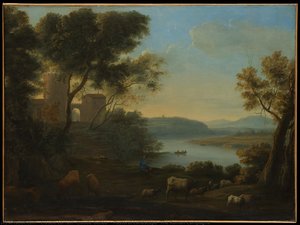
The composition is a triumph of classical balance, guiding the eye through a meticulously layered environment. At the heart of this pastoral drama, figures are arranged with a grace that mirrors the organic contours of the surrounding woods. The foreground serves as an emotional anchor, where the weight of the narrative resides, while the middle ground unfolds into a lush, verdant expanse of trees and foliage. In the far distance, a solitary boat drifts upon calm waters, adding a sense of infinite depth and quietude to the scene. This careful layering creates a shallow yet immersive perspective, pulling the viewer into a space that feels as vast as it is intimate.
The Mastery of Chiaroscuro and Texture
Technically, the work is a marvel of chiaroscuro, the dramatic interplay of light and shadow that defines the Baroque spirit. Lorrain utilizes soft, diffused lighting—reminiscent of an overcast afternoon or sunlight filtered through a dense canopy—to sculpt the forms of the figures and the rugged textures of the earth. This technique lends a remarkable sense of volume to the characters, making their presence feel tangible and heavy with emotion. The brushwork, though precise, retains a visible vitality that contributes to the rich tapestry of textures found throughout the piece: from the smooth, luminous skin of the mythological figures to the rough, weathered bark of the ancient trees and the soft, undulating carpet of the grassy ground.
The color palette is intentionally muted, favoring a naturalistic harmony of deep greens, earthy browns, and tranquil blues. This restraint allows for moments of breathtaking brilliance; subtle highlights of red and gold in the figures' attire act as focal points, drawing attention to the emotional core of the painting. For the discerning collector or interior designer, this sophisticated palette offers an unparalleled versatility, providing a sense of classical grandeur that can anchor a room with quiet authority and timeless elegance.
Mythological Resonance and Emotional Depth
Beyond its technical brilliance, Egeria weeps over Numa is steeped in the symbolic language of antiquity. The painting references the poignant myth of the nymph Egeria and King Numa Pompilius, a narrative that explores themes of divine inspiration, love, and loss. The presence of elements such as the hunting dog and the pastoral setting evokes the classical tradition of the arcadian landscape—a lost paradise where man and nature exist in perfect, albeit melancholic, harmony. Every element, from the way a branch bends to the stillness of the distant water, serves to amplify the underlying tension between the beauty of the world and the inevitability of grief.
To possess a reproduction of this work is to bring more than just decoration into a space; it is to invite a sense of contemplative peace and historical depth. The painting does not shout for attention but rather commands it through its atmospheric subtlety and emotional resonance. It is an ideal centerpiece for those seeking to cultivate an environment of sophistication, storytelling, and profound beauty, offering a lasting connection to the luminous legacy of Claude Lorrain.
Related Artworks
Artist Biography
Claude Lorrain (Claude Gellée): A Life in Light and Landscape
Early Life and Training
Born around 1600 in Chamagne, a small village in the Duchy of Lorraine (modern-day France), Claude Lorrain – originally Claude Gellée – remains one of the most celebrated landscape painters of the Baroque period. His early life is shrouded in some mystery, with conflicting accounts of his apprenticeship. One account, by Joachim von Sandrart, suggests a humble beginning as an apprentice to a pastry baker before finding employment with artists in Rome. Another, from Filippo Baldinucci, details earlier training in Naples with Goffredo Wals and later in Rome under Agostino Tassi.
Rise to Prominence
By the 1630s, Claude Lorrain had firmly established himself as the leading landscapist in Italy. His paintings quickly gained recognition for their atmospheric qualities and command high prices. He skillfully blended Italianate landscapes with classical and biblical themes, creating scenes that were both visually stunning and intellectually engaging.
Artistic Style and Key Characteristics
- Luminous Sunlight: A defining feature of Claude’s work is his masterful depiction of light. He was among the first artists to consistently portray sunlight streaming through landscapes, creating a sense of atmosphere and realism previously unseen.
- Classical Influences: His compositions often draw inspiration from classical antiquity, incorporating Roman ruins, mythological figures, and architectural elements.
- Idealized Landscapes: Claude didn’t aim for strict topographical accuracy; instead, he created idealized landscapes that evoked a sense of harmony and tranquility.
- Detailed Drawings: He was a prolific draughtsman, creating numerous sketches and studies in pen, watercolor wash, and chalk – many preserved in his Liber Veritatis.
Influences and Development
Claude’s early influences included the landscape traditions of Northern Europe, particularly those of the Flemish painters. He also studied the works of Italian Renaissance masters like Titian and Raphael. Over time, his style evolved from darker, more dramatic compositions to lighter, airier scenes characterized by a golden glow.
Notable Works
- Landscape with Peasants Returning with their Herds
- Seaport with the Embarkation of the Queen of Sheba
- Sunrise
- Pastoral Landscape: The Roman Campagna
- The Disembarkation of Cleopatra at Tarsus
Historical Significance and Legacy
Claude Lorrain’s impact on landscape painting is immeasurable. He elevated the genre to a level of prestige previously reserved for historical and religious subjects. His works influenced generations of artists, including J.M.W. Turner and Impressionist painters who sought to capture the fleeting effects of light and atmosphere. Today, his paintings are highly valued and can be found in major museums worldwide, particularly the National Gallery (London) and the Art Gallery of South Australia.
Later Life and Death
Claude Lorrain passed away on November 23, 1682, in Rome. His tombstone in the church of San Luigi dei Francesi bears a simple inscription: “Claude / peintre de / rome / mort / le 23 novembre 1682”. He left behind a legacy as one of the most important and influential landscape painters in Western art history.
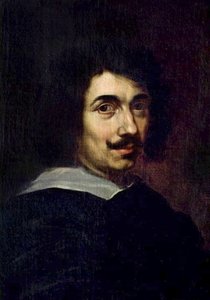
claude lorrain (claude gellée)
1600 - 1682
Quick Facts
- Birth_Date: c. 1600
- Birth_Place: Chamagne, Vosges, Duchy of Lorraine
- Death_Date: November 23, 1682
- Influenced_By:
- Goffredo Wals
- Agostino Tassi
- Movement: Baroque
- Name: Claude Lorrain (Claude Gellée)
- Nationality: French (Lorraine)
- Notable_Works:
- Landscape with Peasants returning with their herds
- Seaport with the Embarkation of the Queen of Sheba
Related Articles
Claude Lorrain: Master of Light & Landscape in the Golden Age
Explore the luminous landscapes of Claude Lorrain, a Baroque master renowned for his masterful use of light & atmosphere. Discover his life, techniques, key works & enduring influence on art history.

Beyond the Horizon: 10 Landscape Masterpieces for Your Home Decor
Journey through 10 breathtaking landscape paintings by Monet, Van Gogh & more! Explore iconic artworks, artistic techniques & find inspiration for your home decor. Museum-quality reproductions at ArtsDot.com. Discover all masterpieces on ArtsDot.com
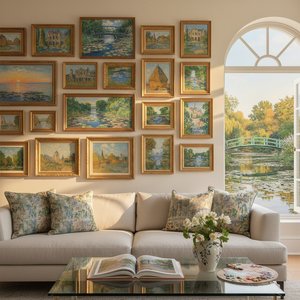
Monet's Masterpieces: 25 Iconic Artworks to Transform Your Home
Journey through 25 iconic Claude Monet masterpieces! Explore Impressionism’s beauty, from Water Lilies to Rouen Cathedral. Discover stunning art reproductions & curated decor ideas – explore the full collection online at ArtsDot.com.

John Constable's Masterpieces: Explore 25 Iconic Landscapes for Your Home
Journey through John Constable's 25 most celebrated landscapes. Explore Romanticism, Dedham Vale & his masterful use of light in iconic paintings like 'Hay Wain'. Find museum-quality art reproductions and elevate your home decor on ArtsDot.com.

Evocations of Place: A Historical Journey Through Landscape Art
Explore the rich history of landscape art with ArtsDot. Discover renowned artists, movements like Impressionism & Romanticism, and expert guidance for collecting timeless pieces. Find your perfect serene escape today!